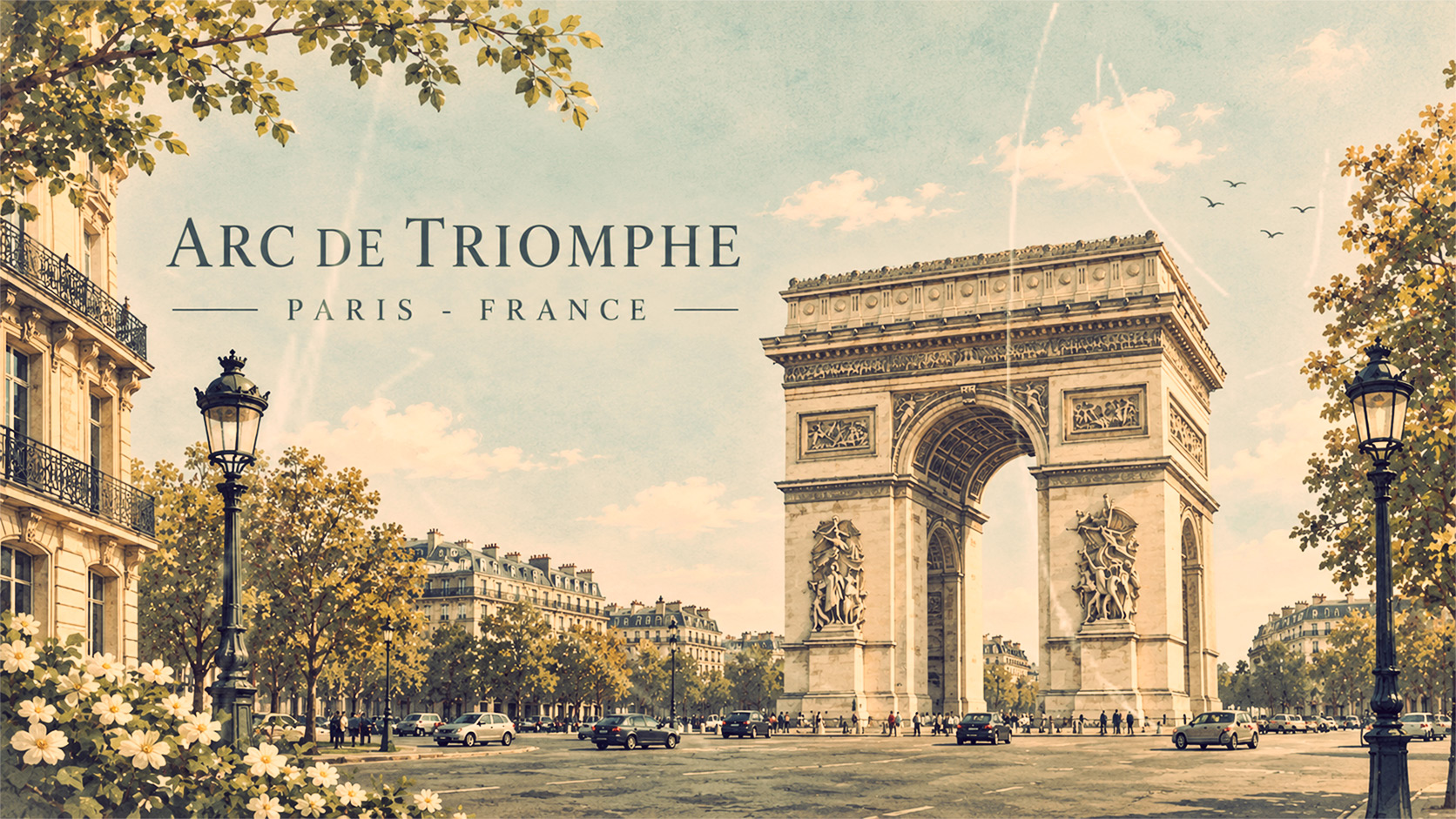
04Key dates in the history of the Arc de Triomphe
1667
The first major landscaping works on the area that would gradually give rise to the Avenue des Champs-Élysées
and the Place de l’Étoile date back to 1667.
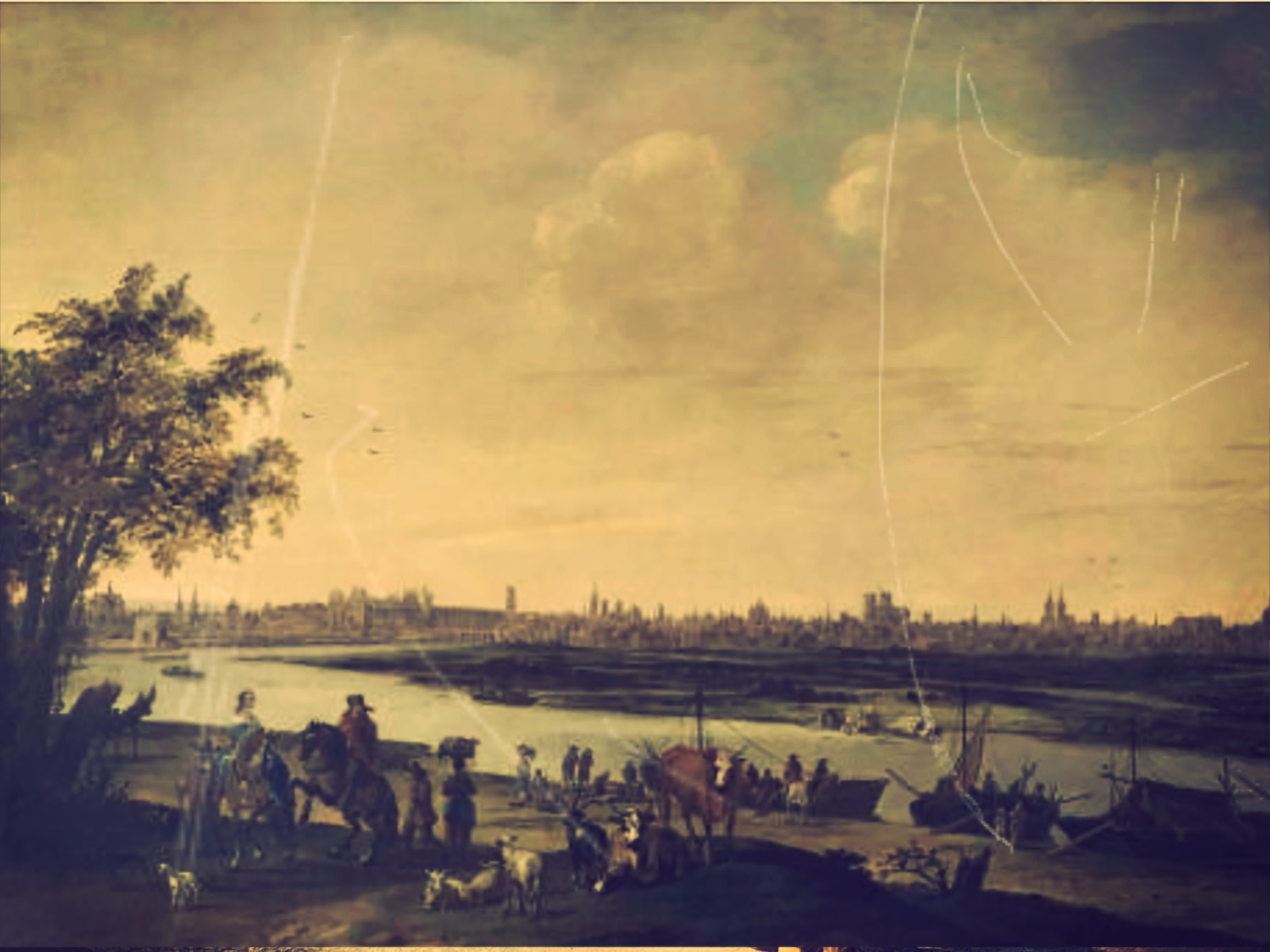
At the time, the Tuileries Palace opened onto a vast landscape stretching westward as far as Chaillot Hill.
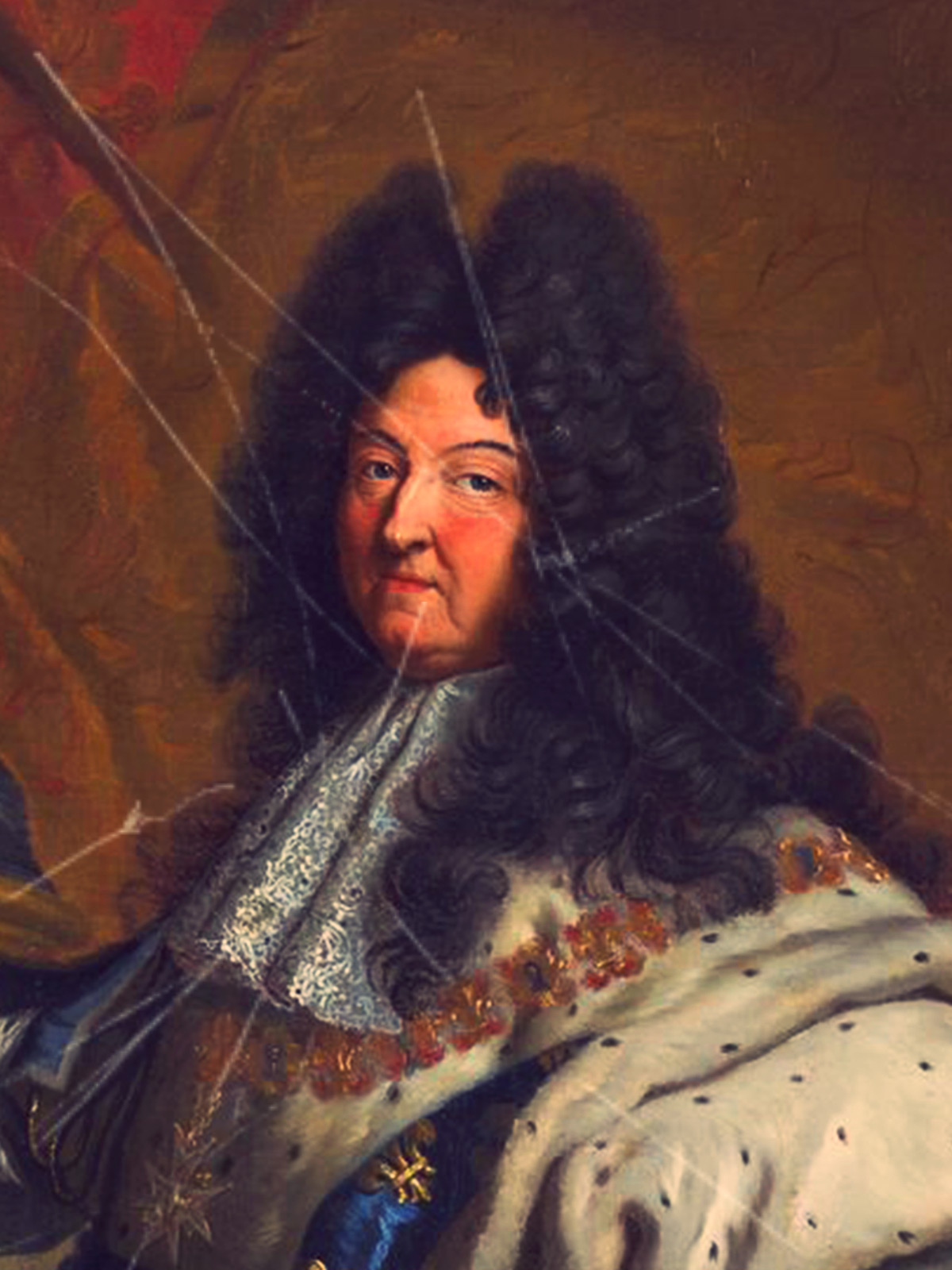
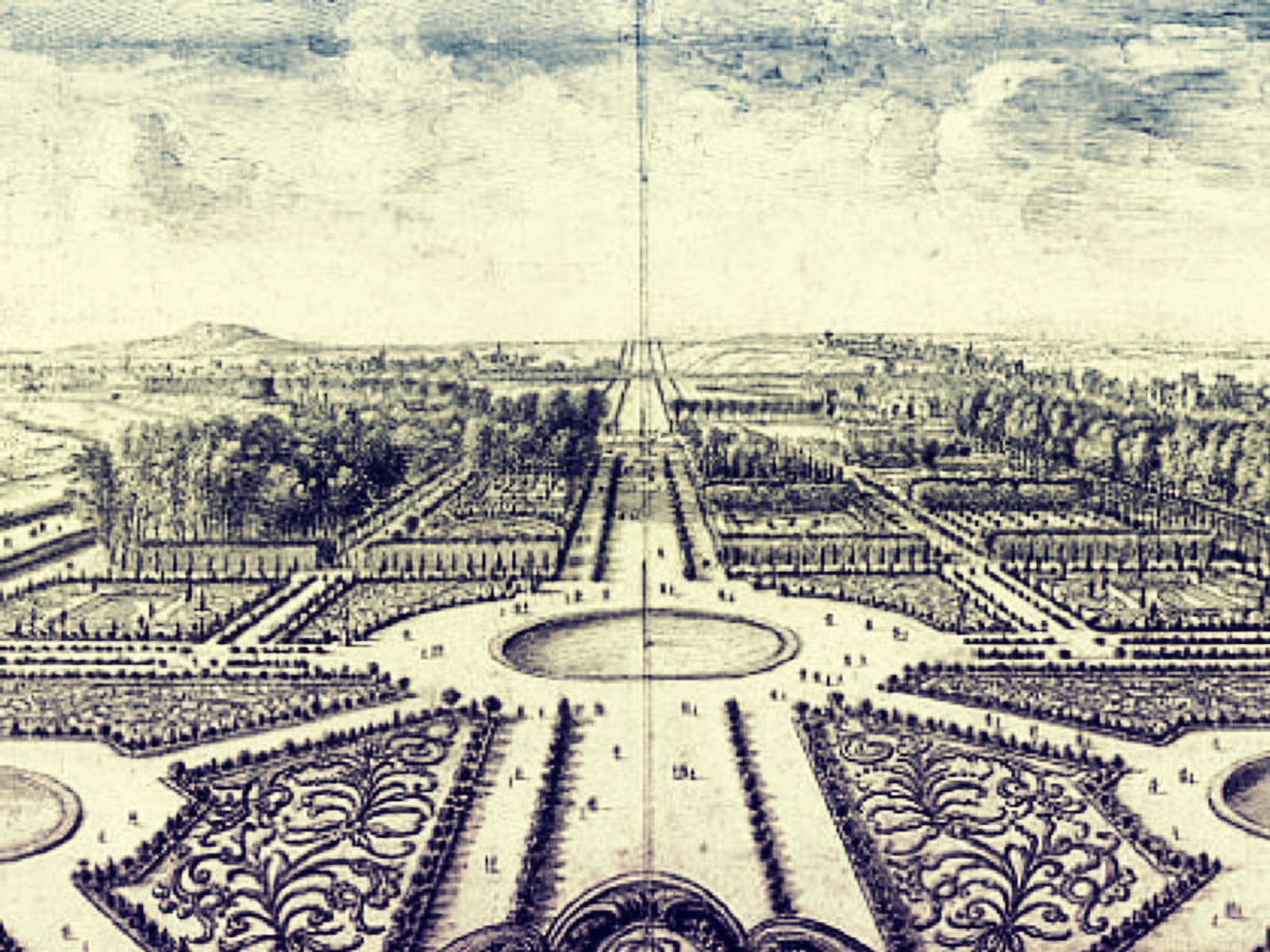
André Le Nôtre (1613–1700), the renowned royal gardener to King Louis XIV (1638–1715), was commissioned to
design and lay out this new vista.
He envisioned a vast network of paths and avenues lined with trees, providing Parisians with a place to stroll
and majestically extending the Tuileries Gardens.
This landscaped design, known as the “Grand Cours,” established a grand vista stretching from the Tuileries
Palace toward Chaillot Hill, to the site of today’s Place Charles-de-Gaulle, formerly known as the Place de
l’Étoile.
Laid out on land that was partly marshy at the time, these gardens and avenues marked the beginning of the
grand monumental vista that, over the centuries, would become one of Paris’s most famous thoroughfares:
the Avenue des Champs-Élysées.
1694
The newly laid-out grand avenue is named the “Champs-Élysées,” after the Elysian Fields of Greek mythology,
the wondrous place where, according to ancient tradition, heroes and virtuous souls dwelled after death.
This prestigious name stands in striking contrast to the area’s original character, which for a long time
consisted of damp, marshy terrain.
It may even have been chosen with a touch of irony, given these conditions.
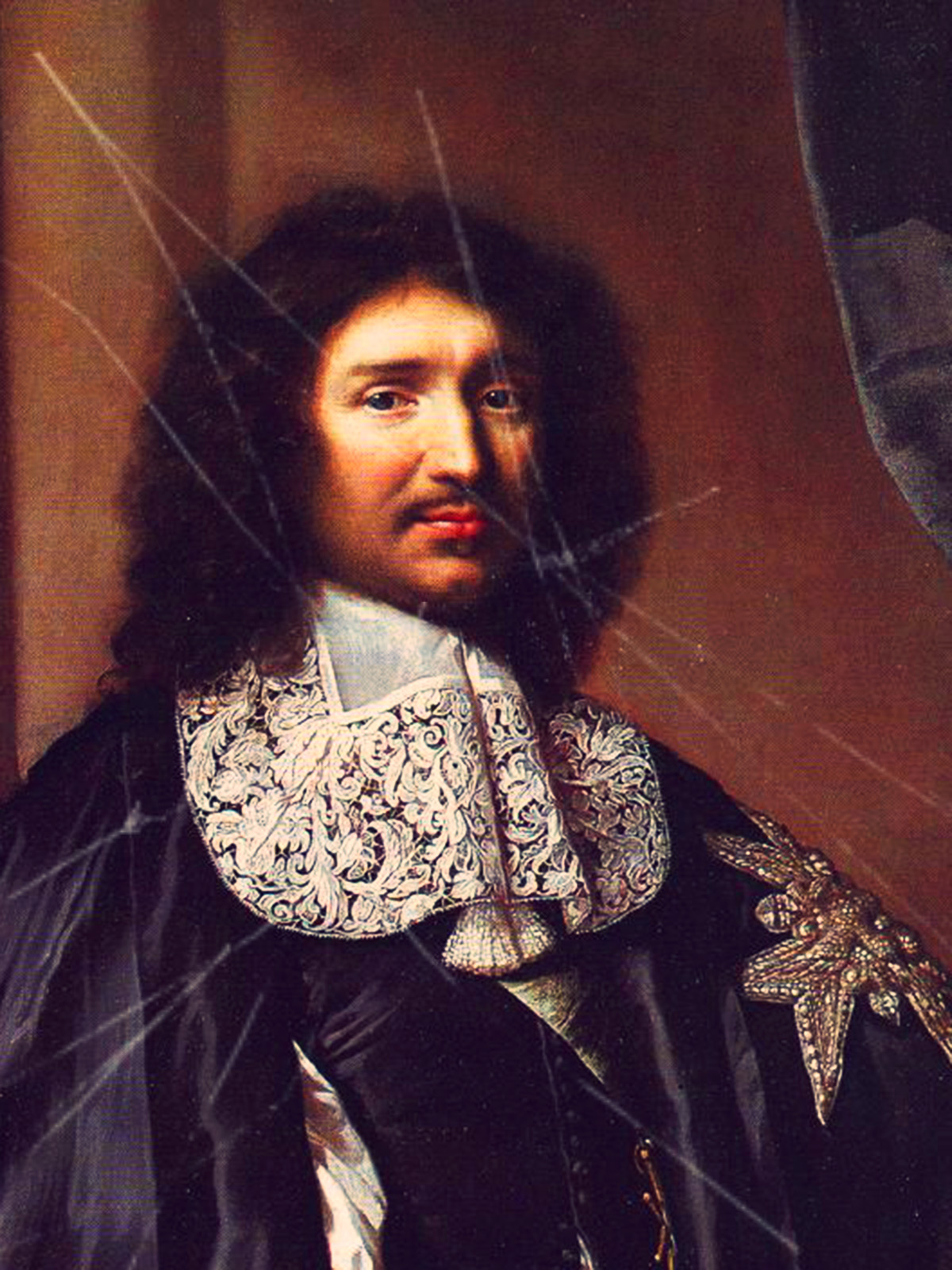
The development and beautification of the area formed part of the major urban projects initiated during the
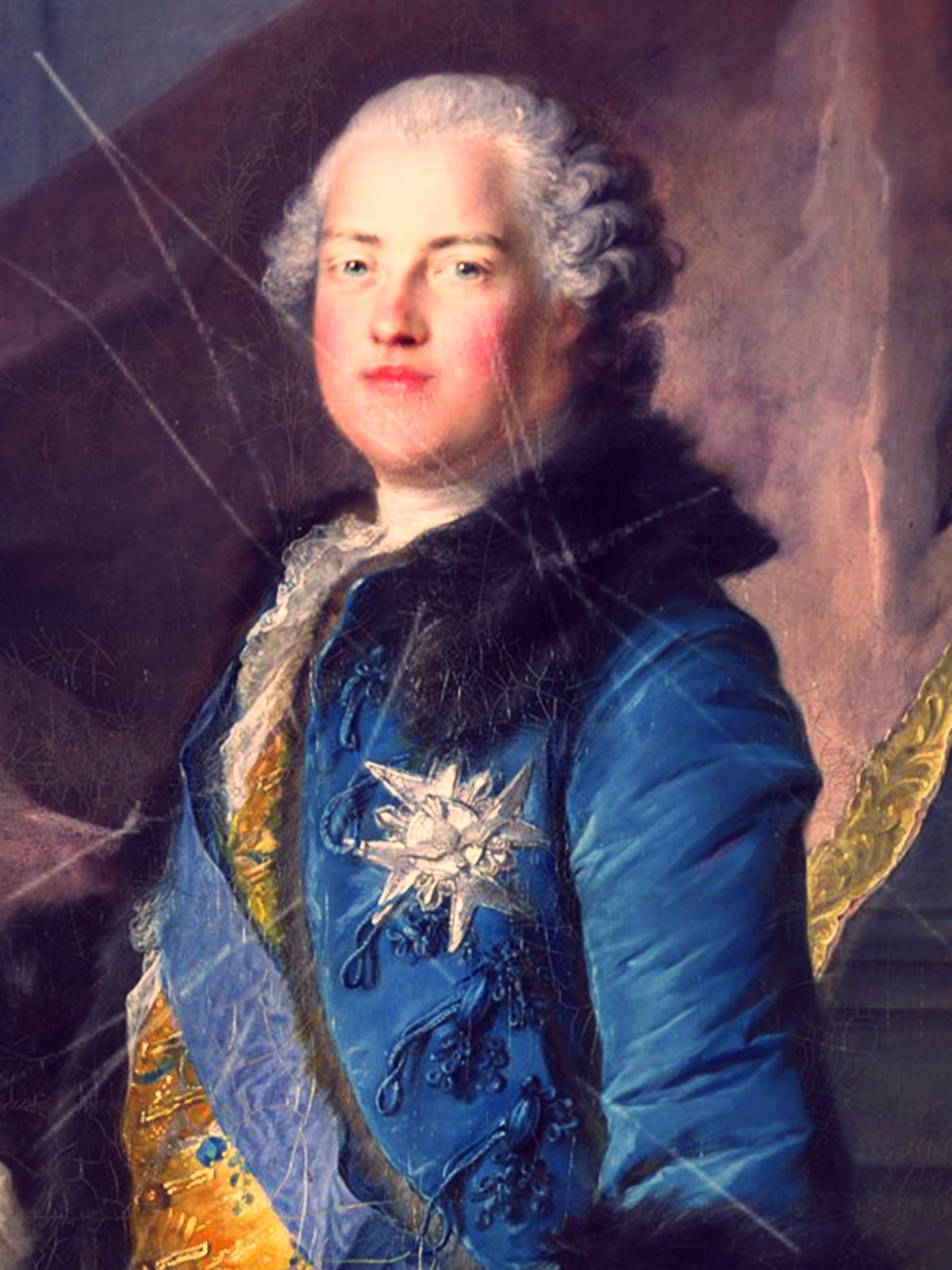
reign of Louis XIV, particularly under the direction of Jean-Baptiste Colbert (1619–1683), Controller-General
of Finances.
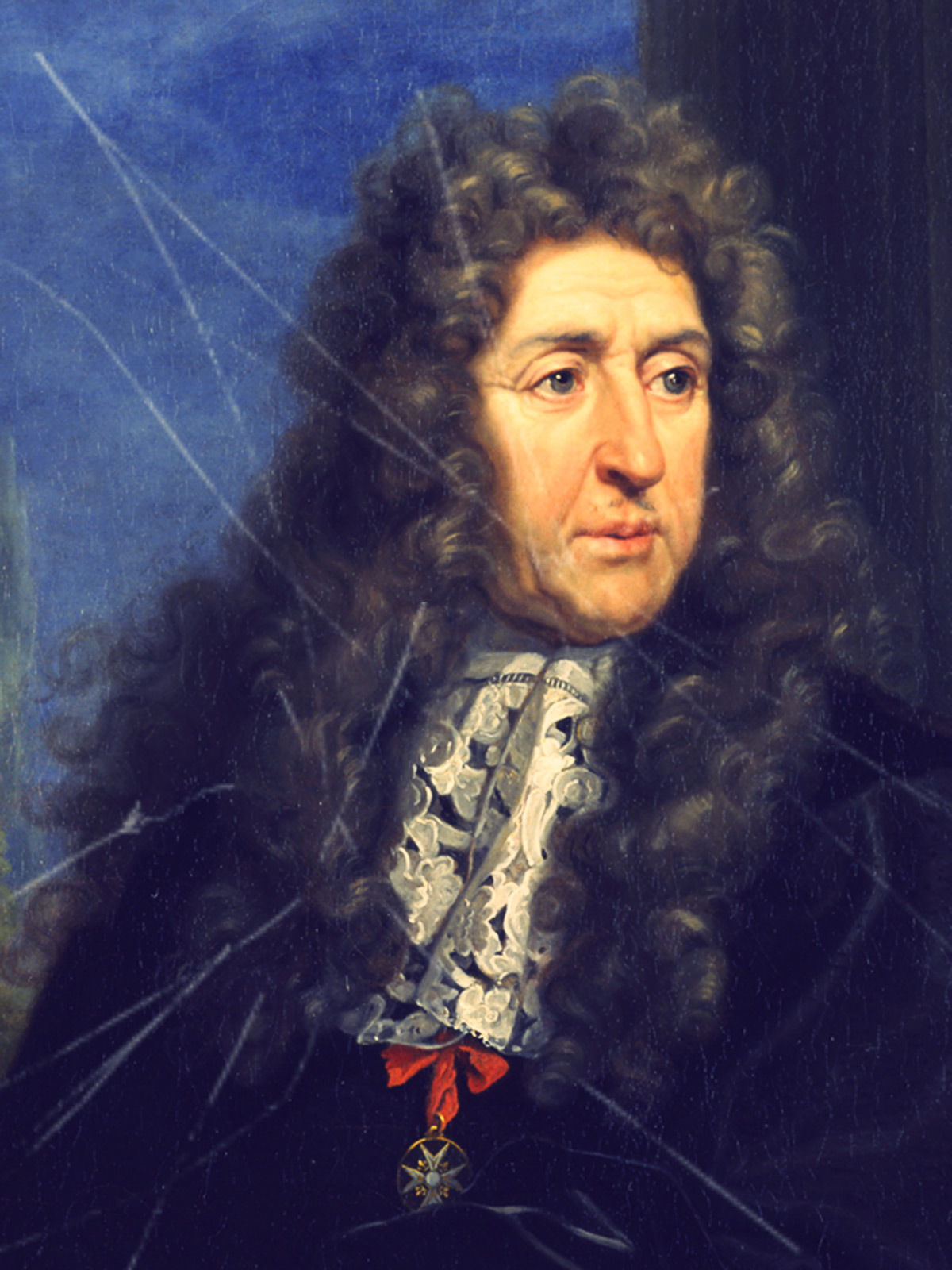
Several decades later, the transformation of the site continued under the direction of the Marquis de Marigny
(1727–1781), brother of Madame de Pompadour.
Eager to make this area a fitting landmark for the capital, he oversaw the redesign of the avenues and gardens,
which were extensively replanted and enhanced.
The Champs-Élysées thus gradually became one of the most popular promenades among Parisians, marking the
beginning of the transformation of this former royal vista into one of the most prestigious avenues in Paris.
Mid-18th Century
Authorities then sought to develop the vast area at the western end of the Champs-Élysées, on the heights
of Chaillot.
This large crossroads, where five routes already converged, represented a strategic point in the planning and
development of the capital.
Late 18th Century – Mid-19th Century
At this time, the Champs-Élysées still retain the appearance they acquired during their original development.
At their western end, the future Place de l’Étoile is still nothing more than a vast open expanse, far from
becoming the monumental crossroads that Paris would later come to know.
December 2, 1805
It was in the aftermath of the Battle of Austerlitz, fought on December 2, 1805, and famously known as the
“Battle of the Three Emperors,” that the idea emerged of erecting a monument in Paris to glorify the
Grande Armée (the French Imperial Army).
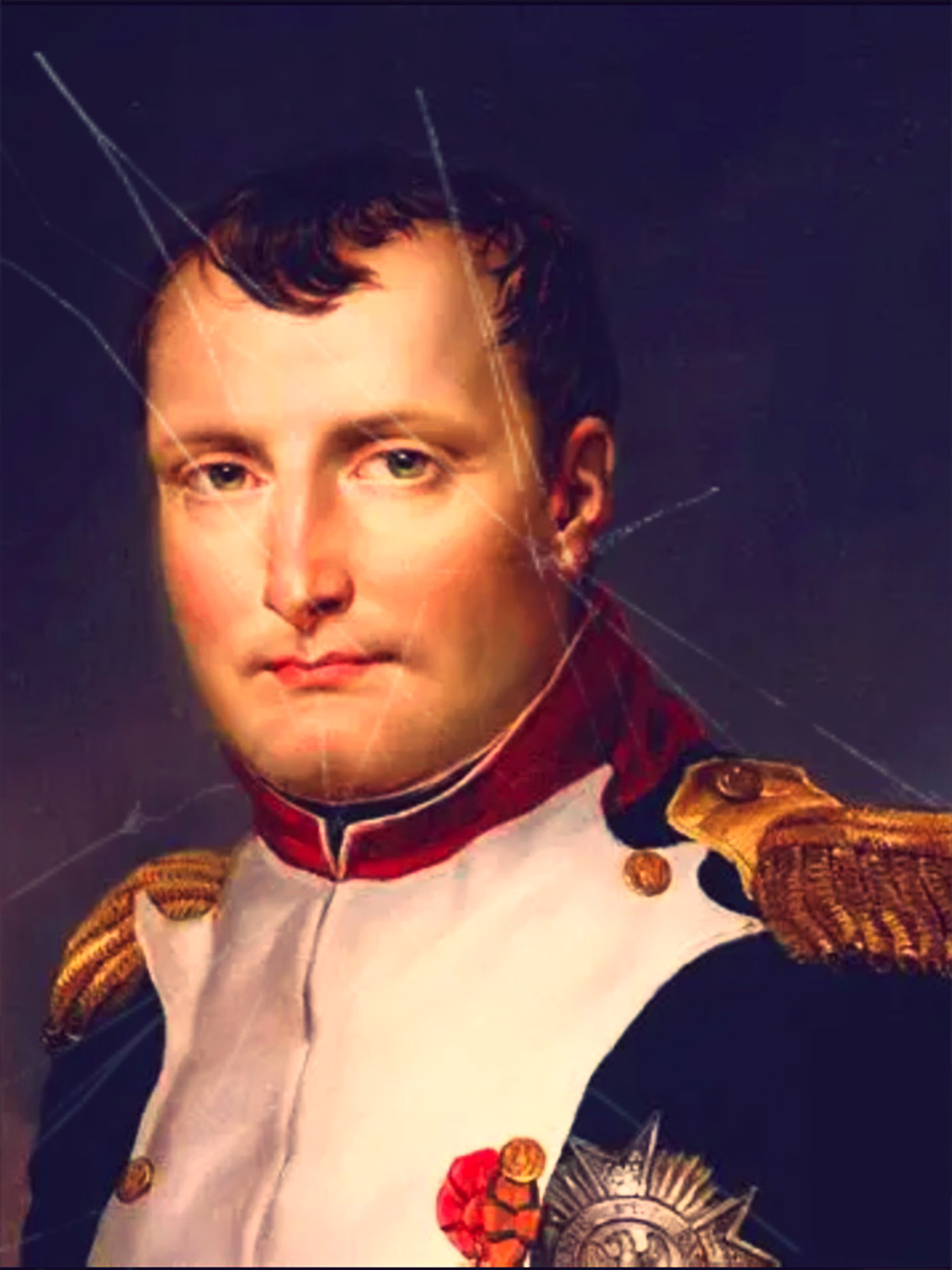
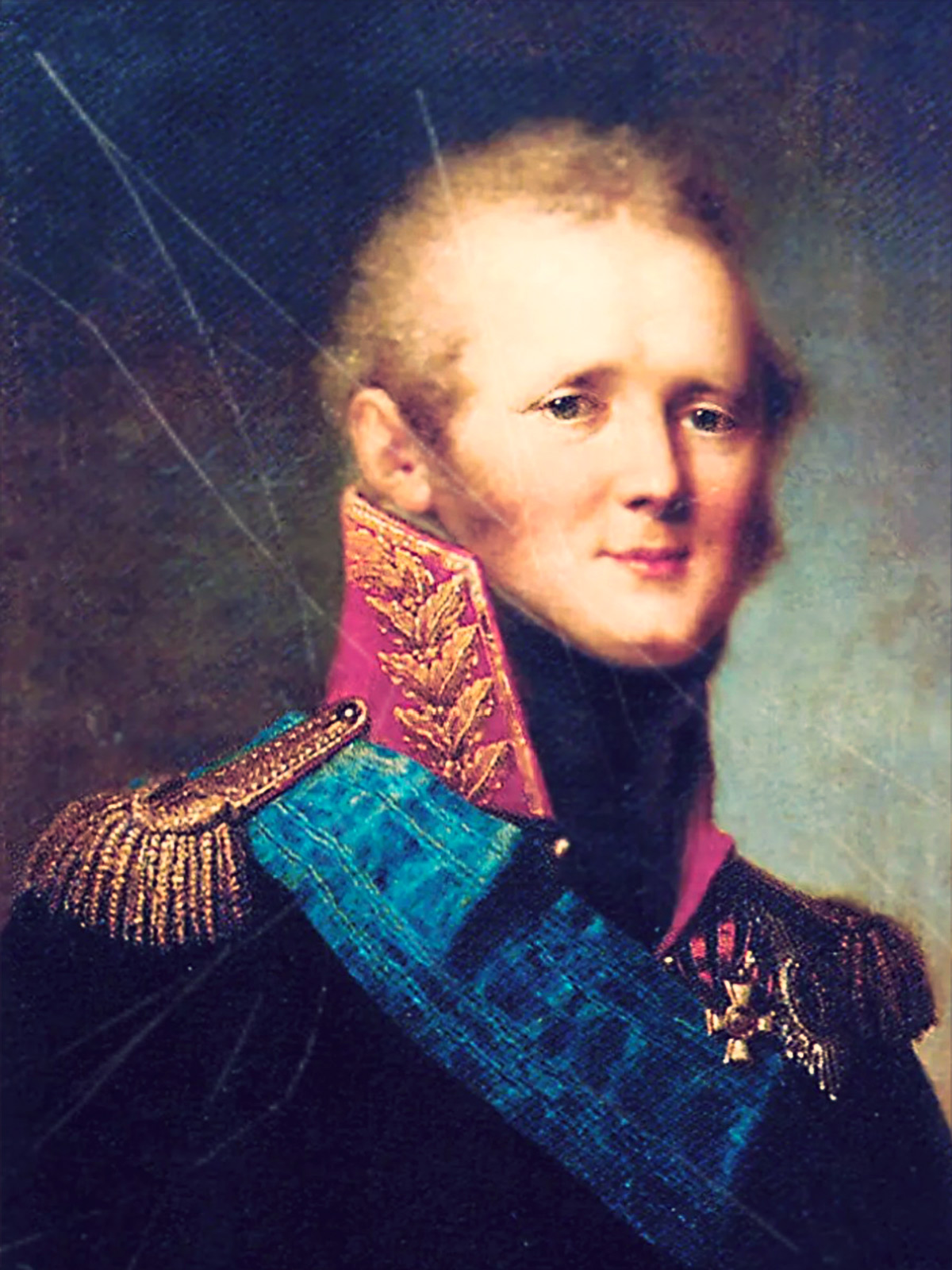
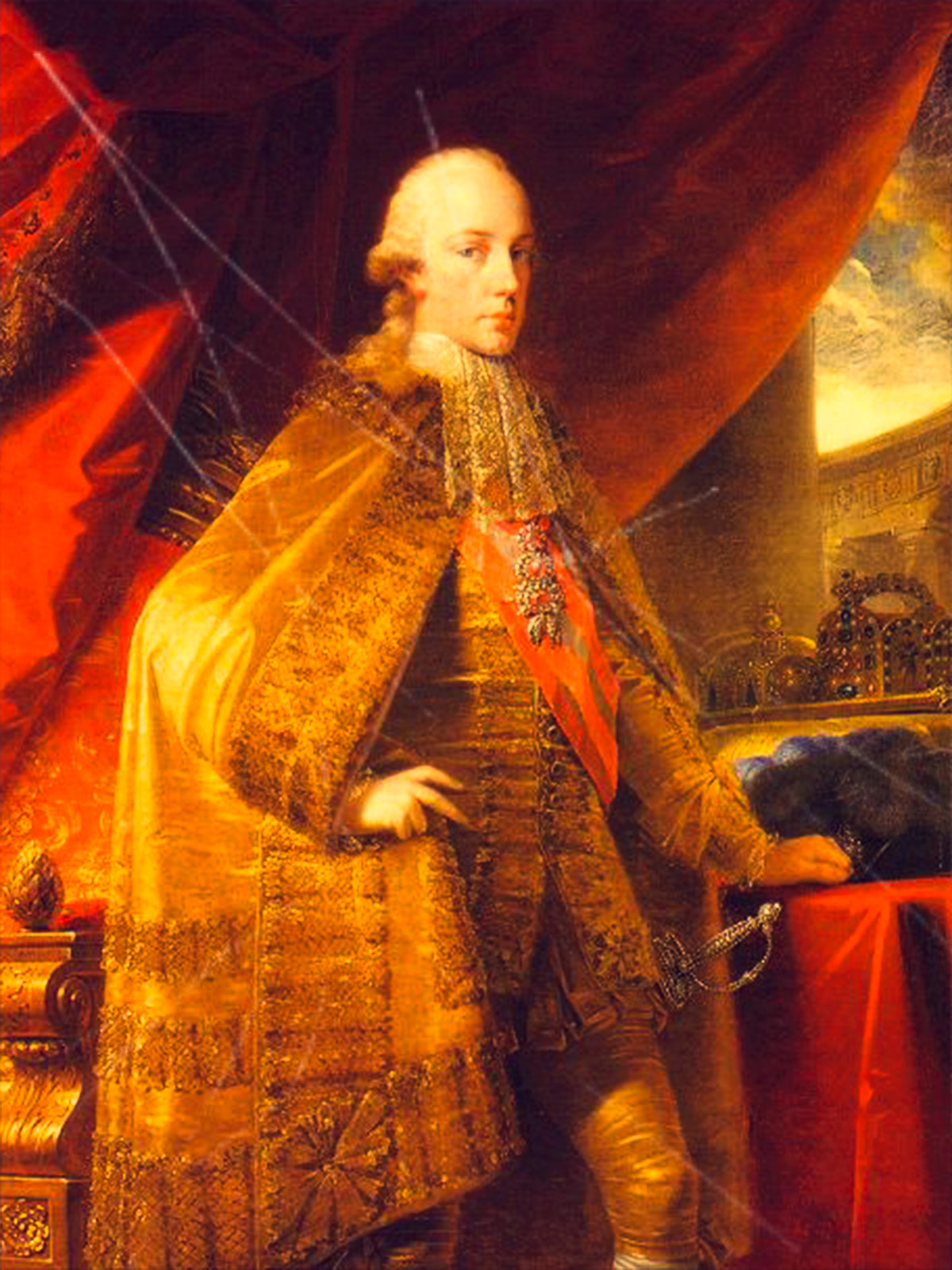
The battle pitted French forces commanded by Napoleon Bonaparte (1769–1821) against the combined Austro-Russian
armies under Emperor Francis II of Austria, who was also Holy Roman Emperor, and Tsar Alexander I of Russia
(1777–1825).
The French victory at Austerlitz was one of Napoleon’s greatest military triumphs and led to the dissolution
of the Third Coalition formed against France.
Upon his return to Paris, Napoleon sought to celebrate his soldiers’ triumph by granting them the honors
reserved in ancient Rome for victorious armies.
In particular, he wanted the generals and troops of the Grande Armée to enter the capital beneath a monumental
triumphal arch.
February 18, 1806
Napoleon Bonaparte definitively settled on the construction of a triumphal arch to celebrate the victories
of the Grande Armée and preserve their memory for posterity.
By imperial decree, he ordered the construction of the monument, fulfilling the promise he had made to his
soldiers after the Austerlitz campaign:
You shall return to your homes only beneath triumphal arches.
declares Napoleon Bonaparte.
This desire to glorify the soldiers of the Grande Armée reflects a deliberate reference to the traditions
of ancient Rome, where victorious generals were honored with magnificent triumphal processions upon their
return from military campaigns.
Napoleon thus sought to link his armies’ victories to this prestigious tradition and immortalize their glory
in stone.
The location initially considered, however, was quite different.
Napoleon first intended the arch to be erected “at the entrance to the boulevards, near the site of the former
Bastille,” so that victorious troops could pass beneath it as they entered the Faubourg Saint-Antoine.
The project was ultimately relocated to the Étoile hill, at the western end of the Champs-Élysées.
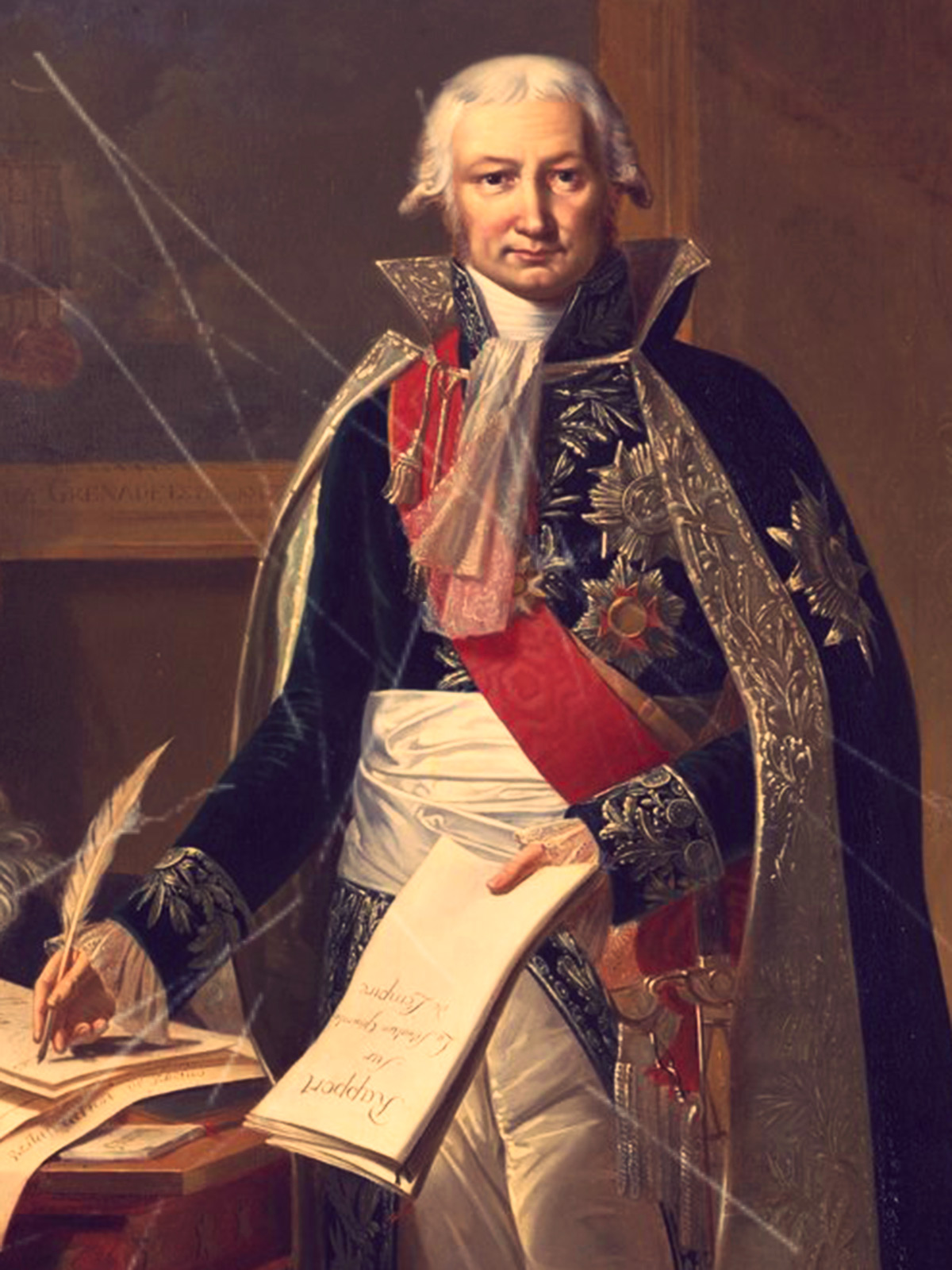
Jean-Baptiste Nompère de Champagny (1756–1834), then Minister of the Interior, helped bring about this
decision by emphasizing the advantages of the location.
Situated on elevated ground, the monument would be visible from a great distance and would become an integral
part of the grand vista along the Avenue des Champs-Élysées.
The choice of this site thus gives the monument an exceptional monumental presence.
Aligned with the avenue, the arch is intended to serve as its majestic focal point, while towering over the
surrounding landscape.
Through its architecture and symbolic purpose, the future monument directly references the triumphal arches
of ancient Rome.
It is intended to celebrate Napoleon’s military genius, the power of the Empire, and, above all, the victories
of the Grande Armée.
What was once merely a vast open expanse at the western end of the Champs-Élysées was now destined to become
the focal point of a monumental ensemble that would leave a lasting mark on the Parisian landscape.
August 15, 1806
The cornerstone is laid at a depth of 8 m, between the two southern pillars.
The following inscription is engraved on the lead plate covering it:
In the year 1806, on the fifteenth of August, the anniversary of the birth of His Majesty Napoleon the Great, this stone was the first to be laid in the foundation of this monument.
The Minister of the Interior, Mr. de Champagny
However, following the fall of the Empire and the restoration of the monarchy, construction work was suspended.
1809
A dispute arose between two architects, Jean-François-Thérèse Chalgrin (1739–1811) and Jean-Arnaud Raymond
(1742–1811), over the monument’s architectural style, particularly the addition of columns.
Chalgrin, who had been chosen by Napoleon to design the arch, advocated a Neoclassical style inspired by
ancient Roman architecture, while Raymond proposed a more ornate and decorative style.
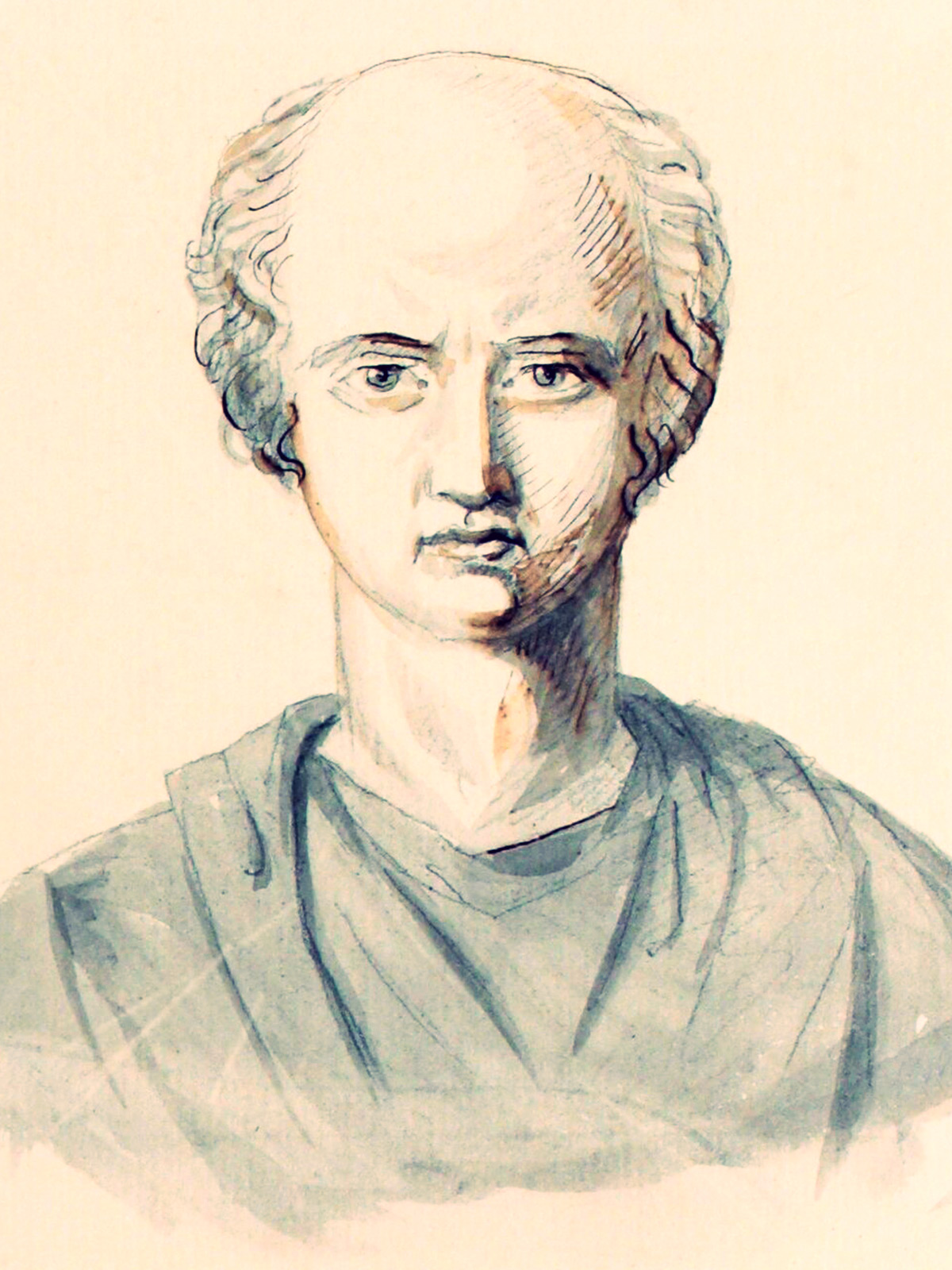
Consulted by the Emperor, the renowned architect Fontaine (1736–1807) was tasked with settling the dispute.
He deemed the addition of columns unnecessary, as they would be barely visible from the Avenue des
Champs-Élysées.
Chalgrin’s design, inspired by the ancient Roman Arch of Emperor Titus (39–81), featuring a single archway,
was ultimately selected.
He was entrusted with overseeing the construction of the monument.
April 2, 1810
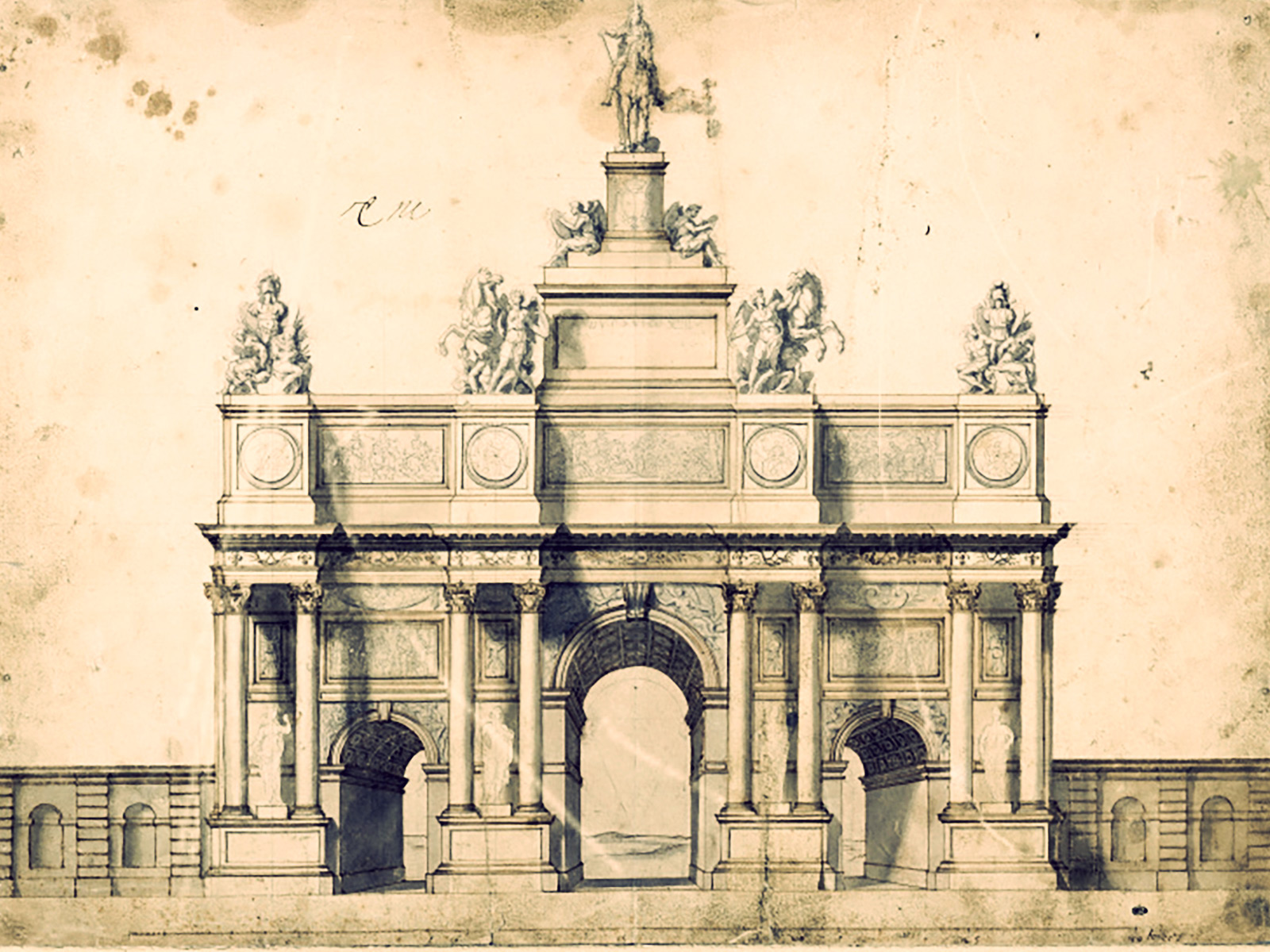
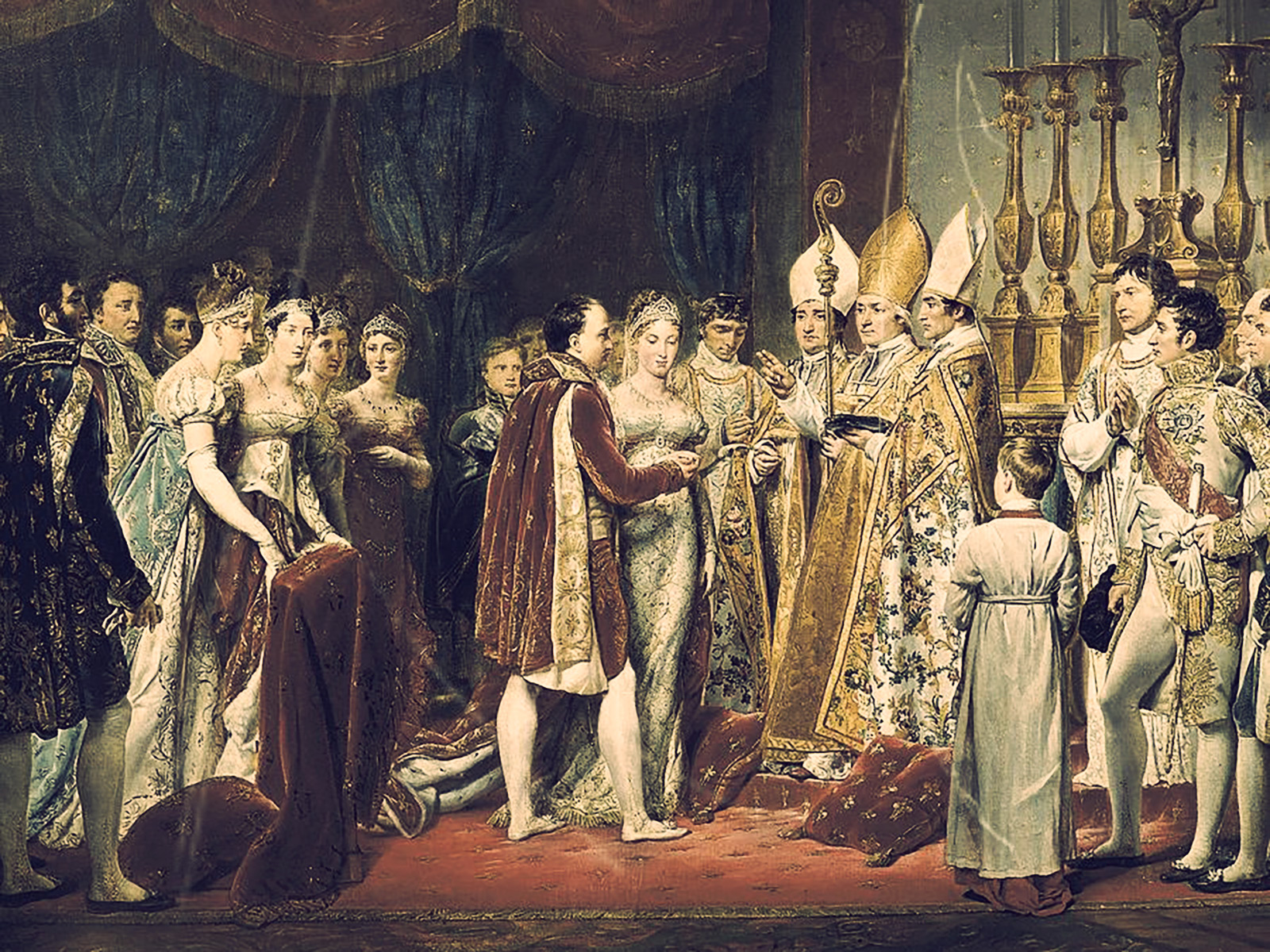
On the occasion of Napoleon’s marriage to Marie Louise of Austria (1791–1847), daughter of Emperor Francis
II, the architect had a full-scale replica of the arch constructed from wood, plaster, and painted canvas.
This temporary structure allowed the Emperor and his bride to pass beneath the arch during the wedding
procession and provided a glimpse of what the completed monument would look like.
The replica was subsequently dismantled, and construction work resumed.
1811
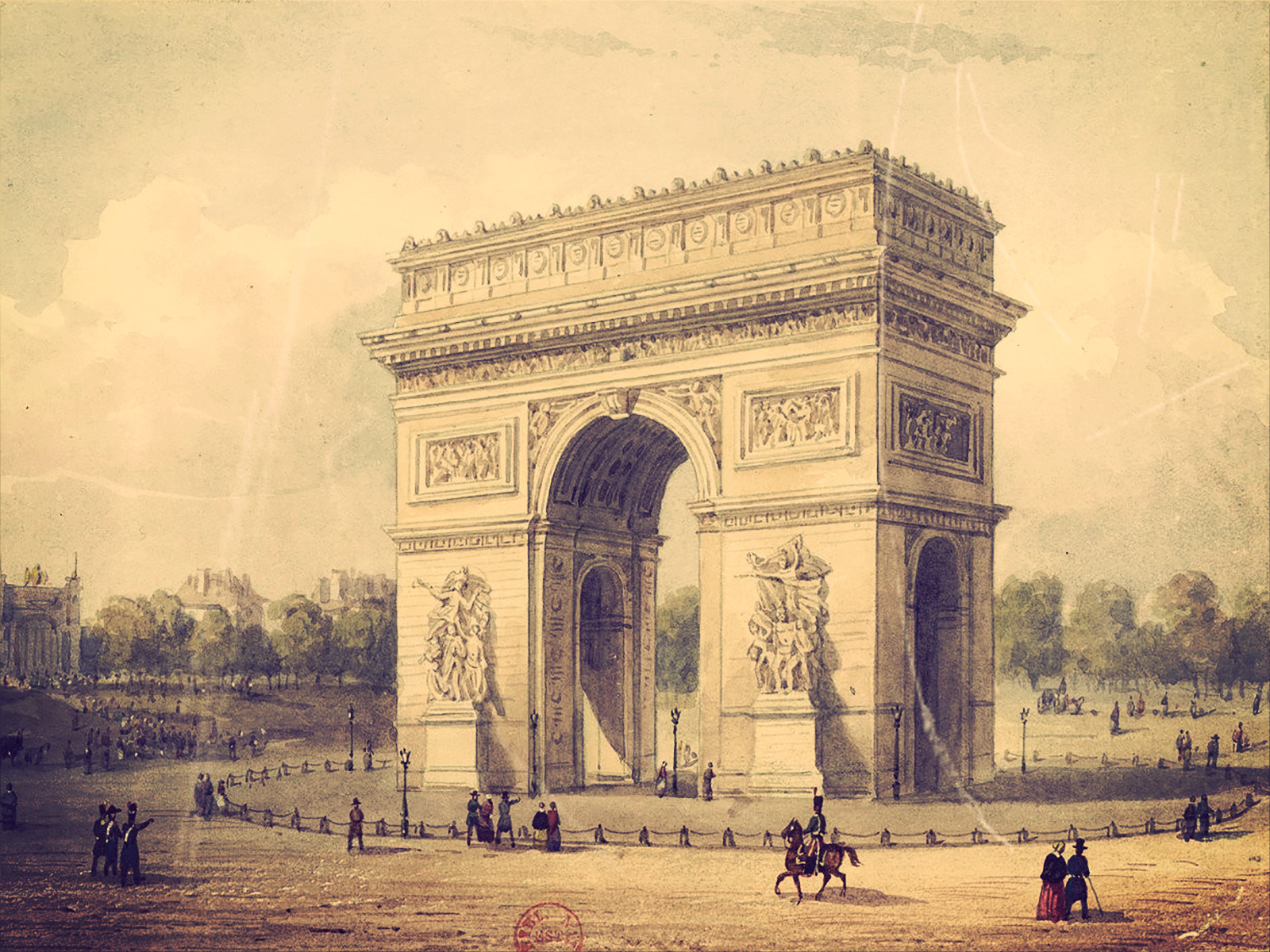
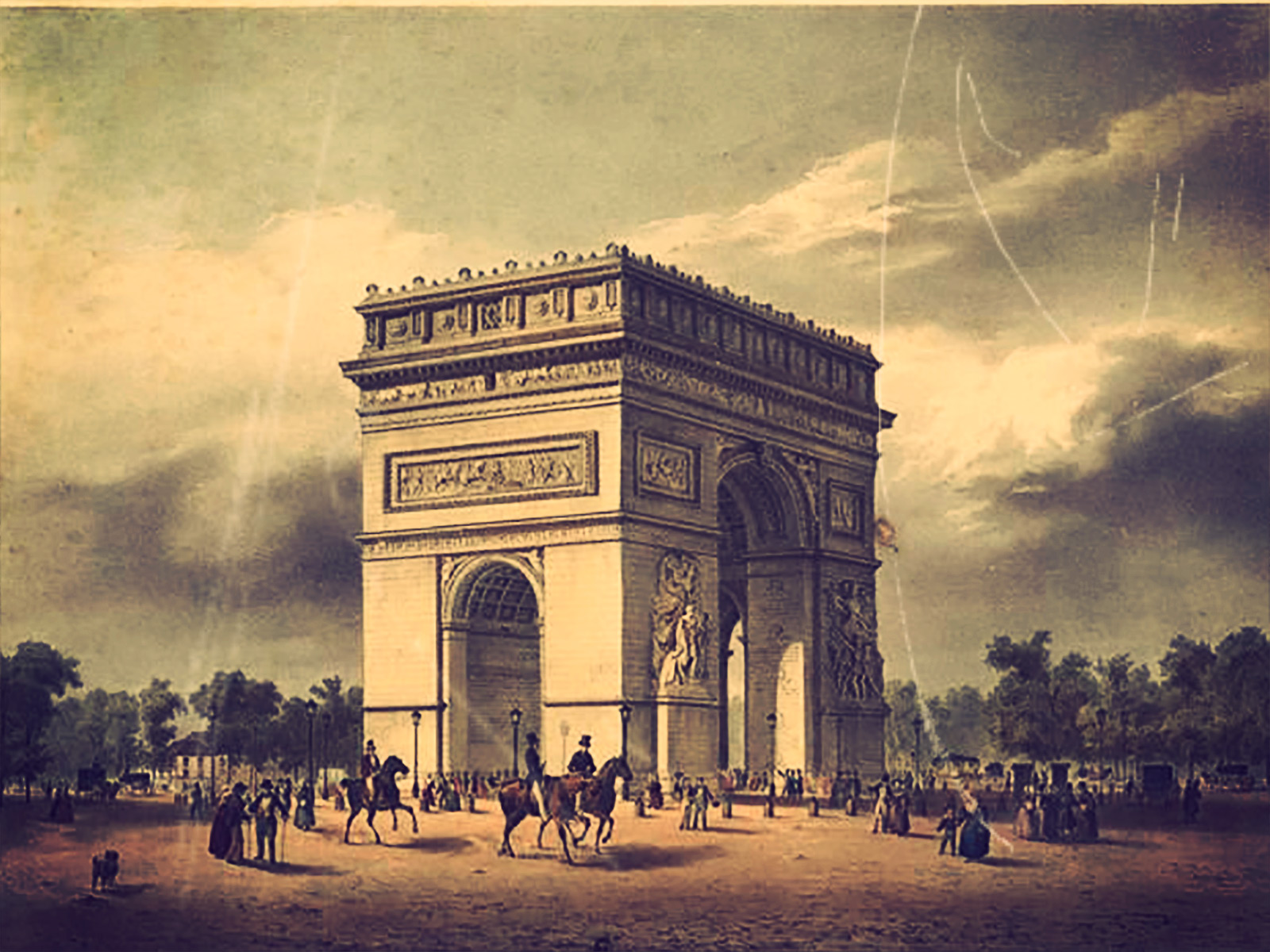
At the time of Chalgrin’s death, the Arc de Triomphe had risen barely 5.4 m above ground level.
His pupil, the architect Jean-Nicolas Huyot (1780–1840), succeeded him and was entrusted with continuing
the construction work.
He built the vaults and pillars but died in turn in 1840, leaving the monument unfinished.
1813
The arch reaches a height of 19 m.
1814
Construction was halted following the fall of Napoleon I, his abdication, and the return of the Bourbon
monarchy.
The Arc de Triomphe was therefore left unfinished and in a ruinous state for several years, until the
Bourbon Restoration.
1821
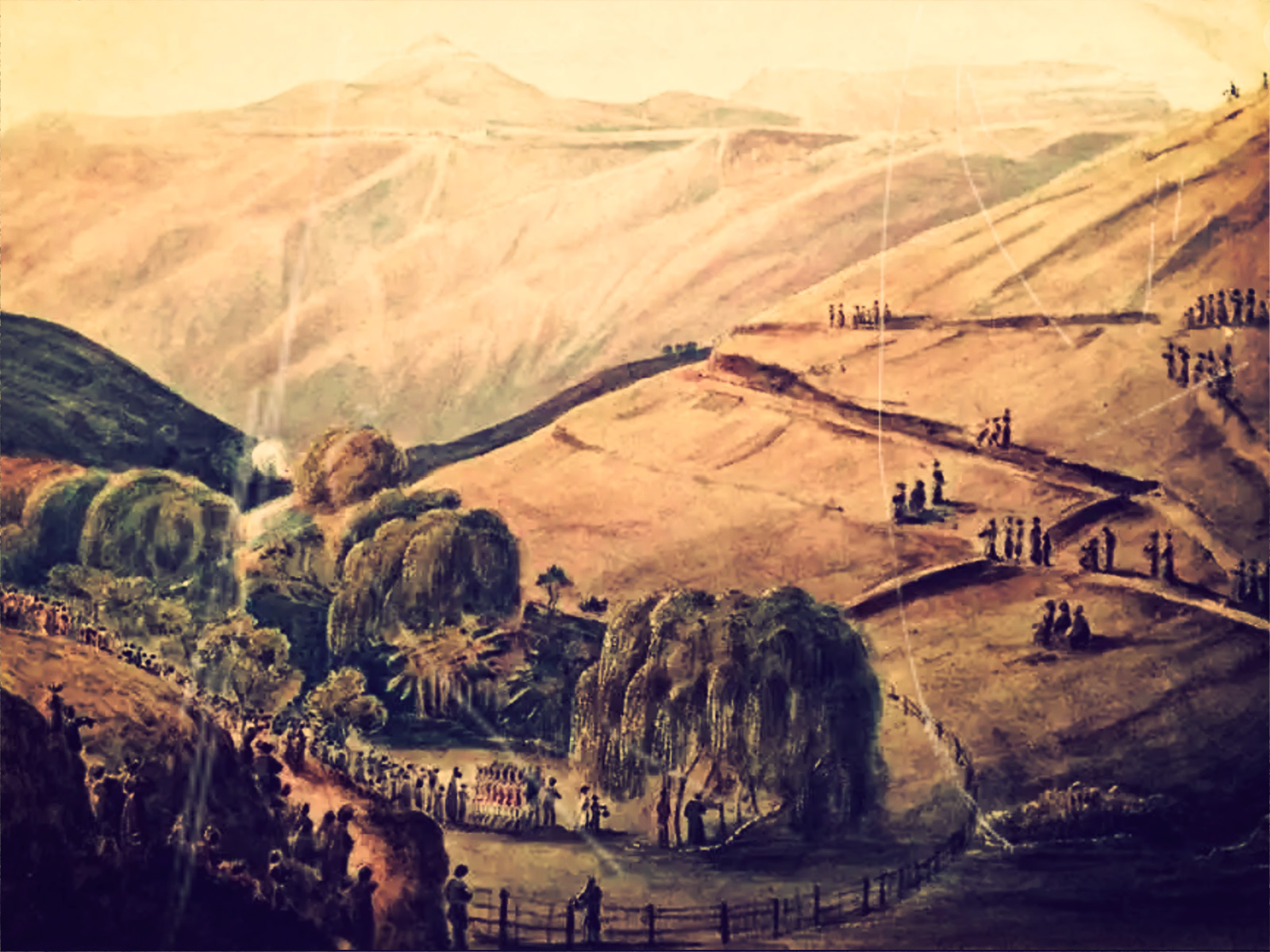
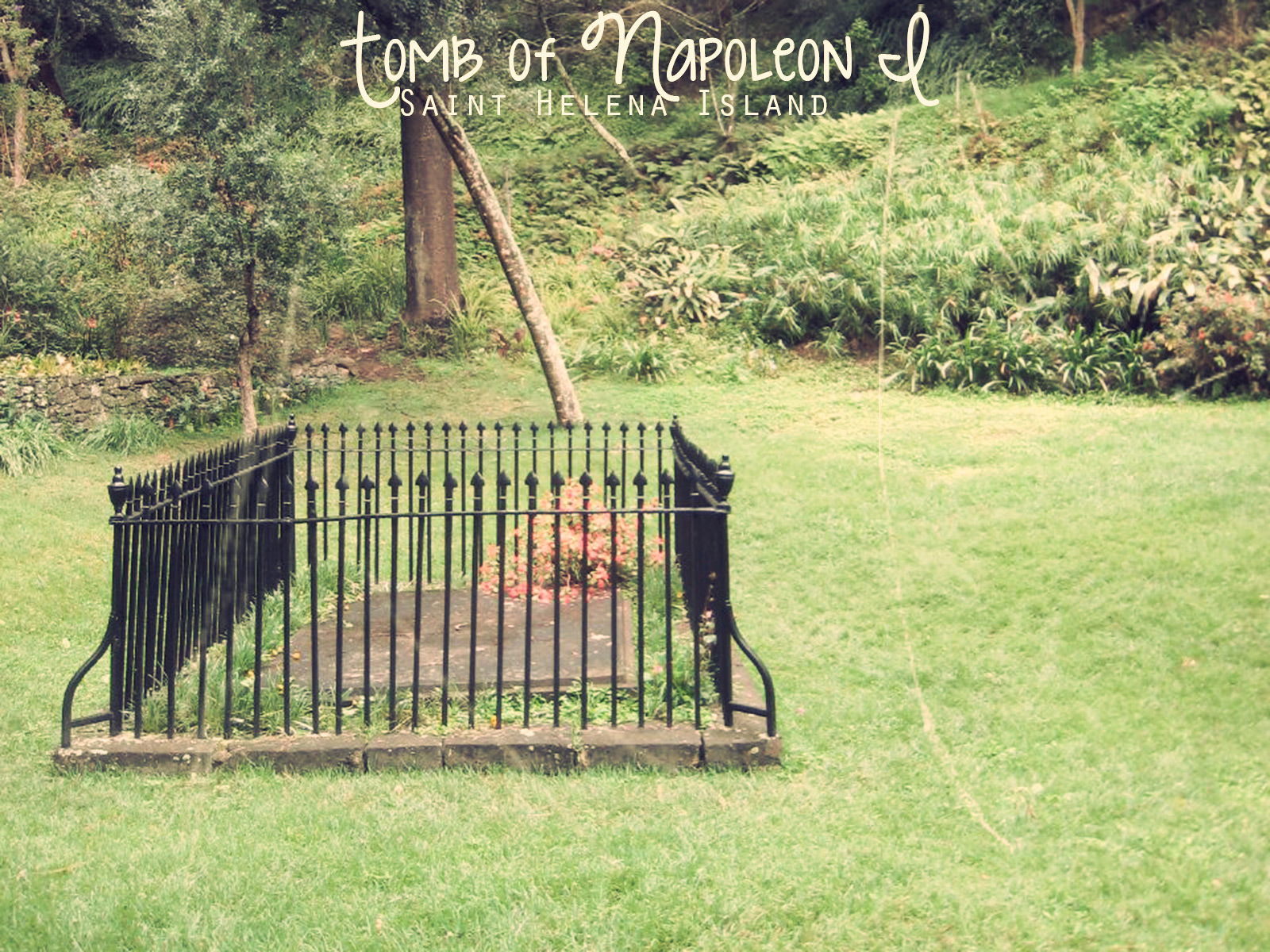
Napoleon I would never see the Arc de l’Étoile completed, as he died in exile on the island of Saint Helena in the South Atlantic, where he had been sent by the British following his defeat at Waterloo in 1815.
1823
Jean-Nicolas Huyot (1780–1840) and Louis-Robert Goust (1761–1838) resume construction of the Arc de Triomphe, building the ribbed vault that will support the upper flooring, as well as the coffered vaults of the main arch.
1832
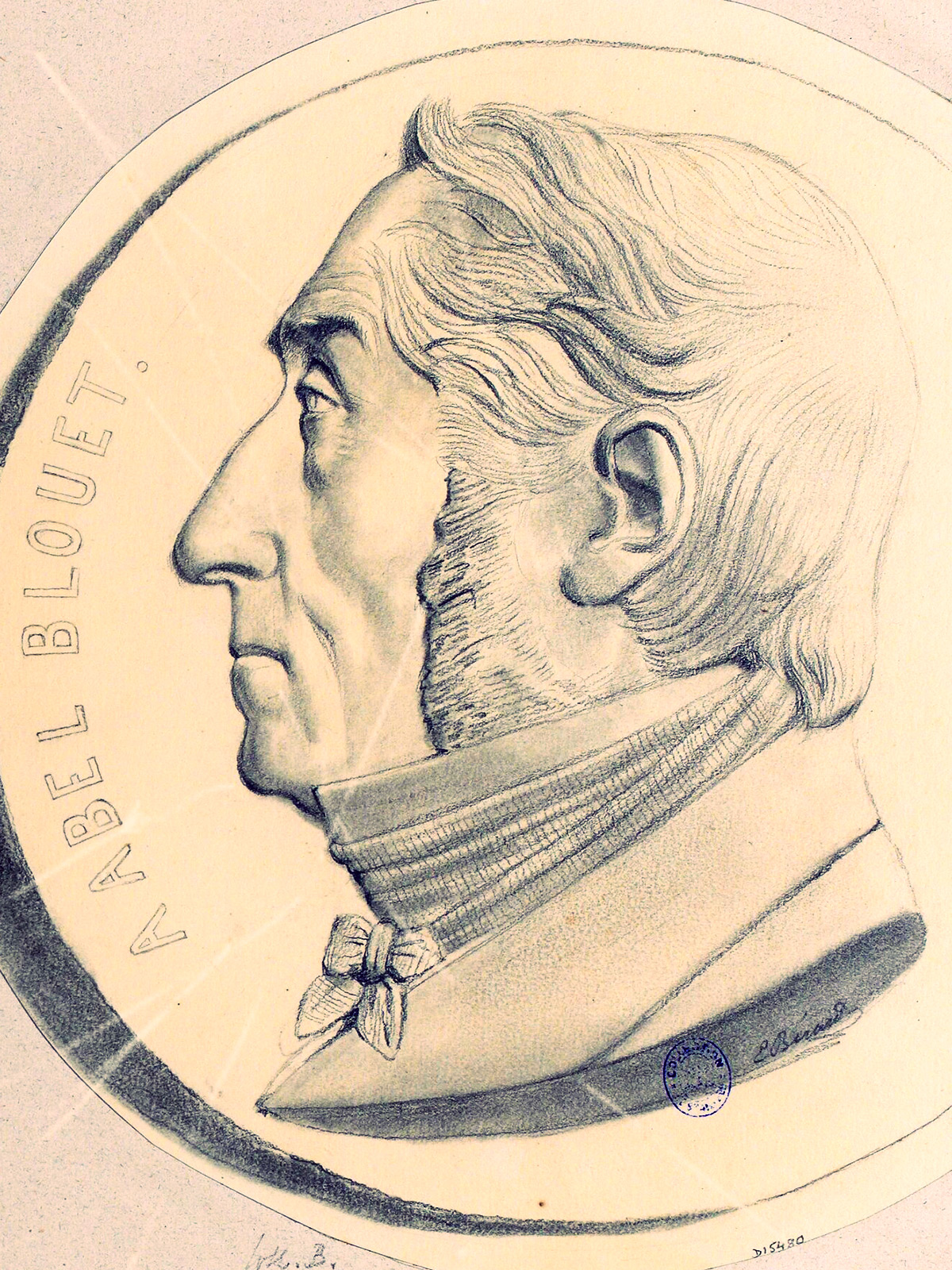
Guillaume-Abel Blouet (1795–1853) replaces Huyot following the change of regime.
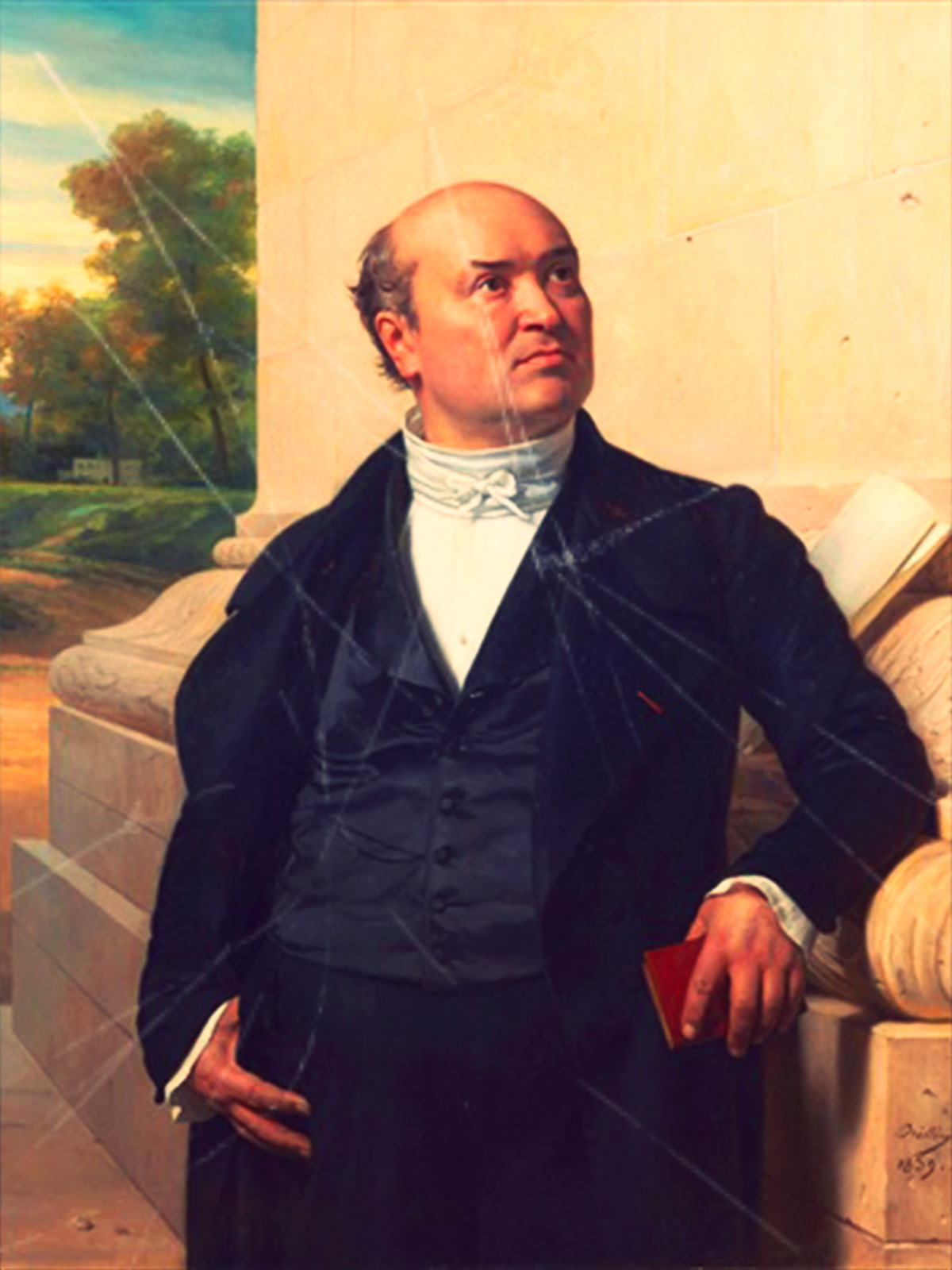
1833
The Arc de Triomphe is now dedicated to the defense of the Nation rather than the glorification of its
armies.
The monument is dedicated to the memory of and serves as a tribute to the French soldiers who served their
nation and fell in battle, honoring their courage and sacrifice.
This decision marks a turning point in the meaning of the Arc de Triomphe, which becomes a symbol of
commitment and devotion to France, a place of national remembrance in French history.
The emphasis shifts to the values of patriotism and service to the nation, rather than the celebration of
Napoleon I’s military victories.
Four high-relief sculptures, each 11.5 m (36 ft) high, along with figures measuring 6 m (18 ft) in proportion,
are carved into the piers of the two main façades of the arch.
They depict battle scenes and allegorical figures symbolizing victory, courage, and military glory.
These sculptures are created by renowned artists of the period, including François Rude (1784–1855), Antoine
Étex (1808–1888), and James Pradier (1790–1852), who bring their talent and artistic vision to immortalize
the achievements of French soldiers.
July 29, 1836
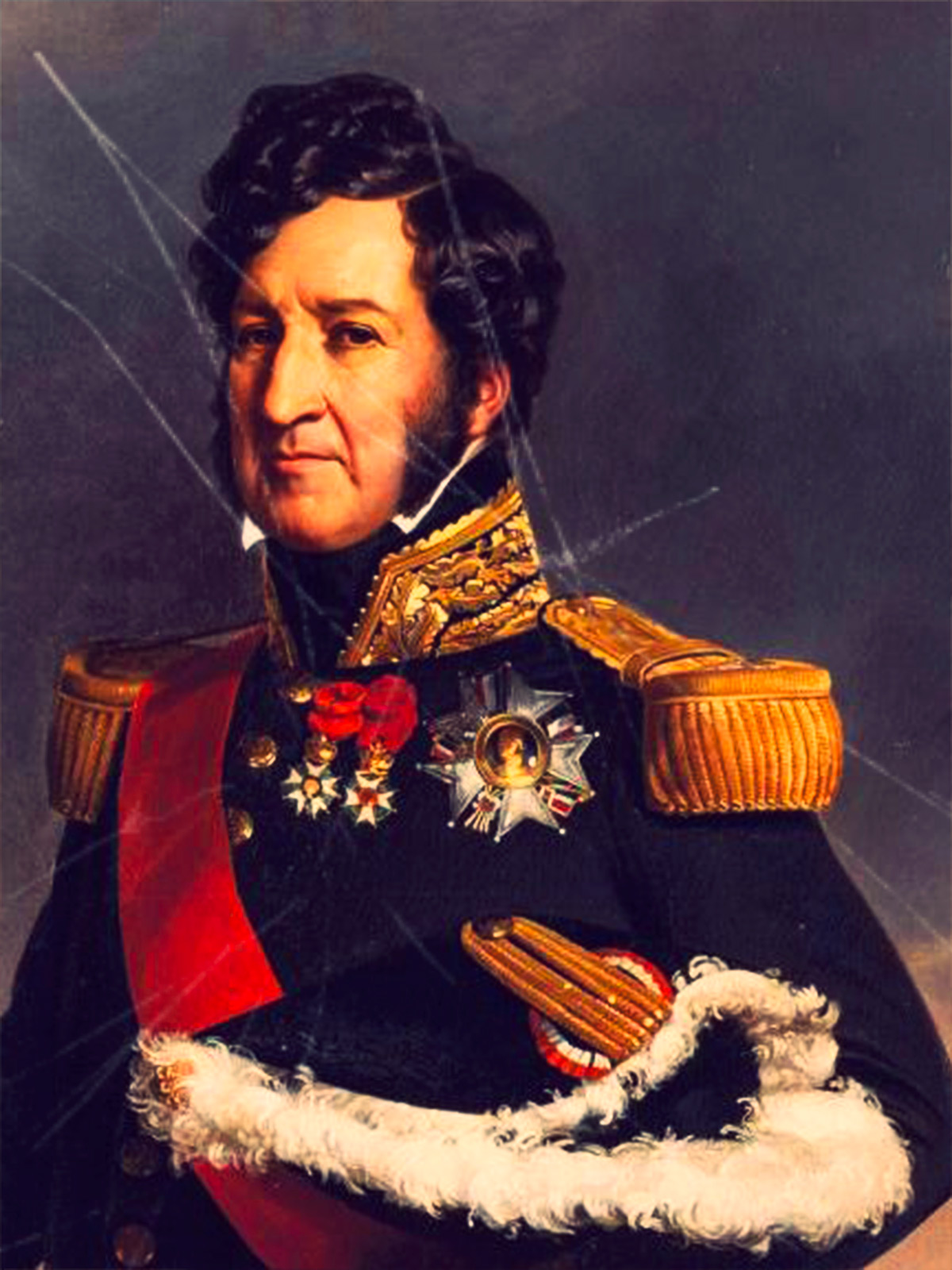
Louis-Philippe I (1773–1850), King of the French, inaugurates the Arc de Triomphe after 30 years of
construction, interrupted by the fall of Napoleon I and the restoration of the monarchy.
The arch is now complete, but it has not yet received the sculptures and bas-reliefs that will adorn its
façades and celebrate the victories of the Grande Armée.
December 15, 1840
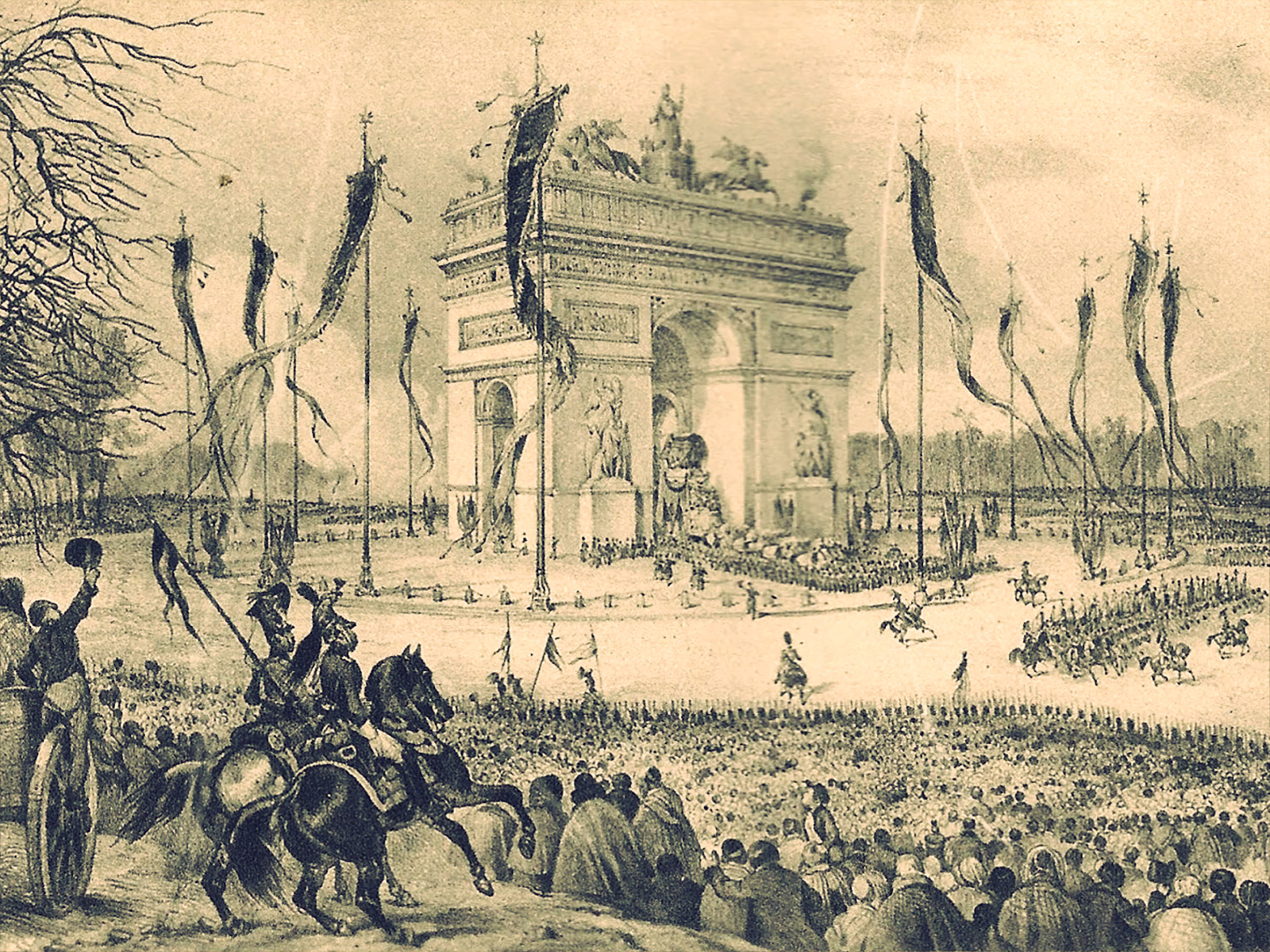
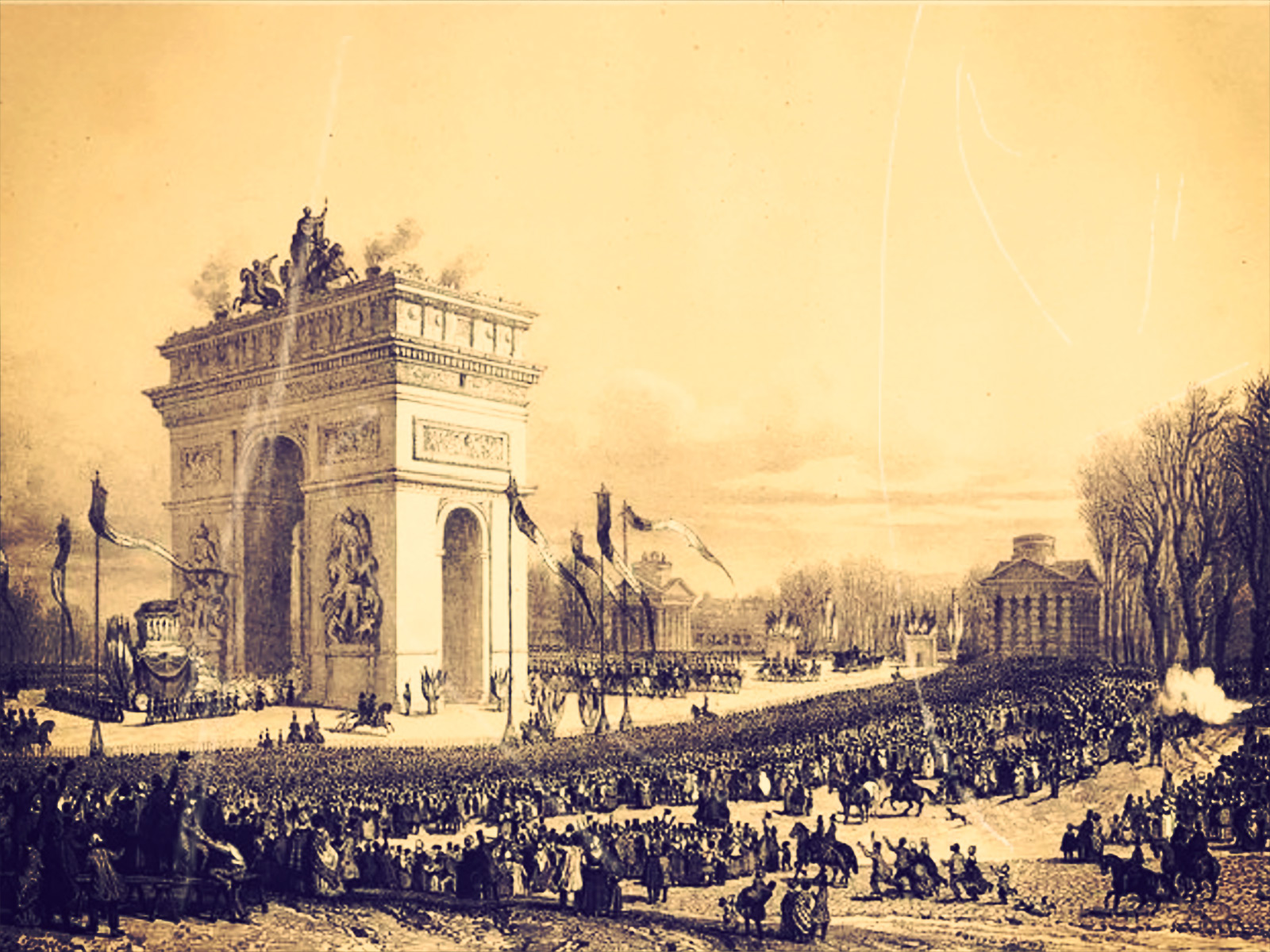
The body of Napoleon I is brought back to France to be laid to rest at Les Invalides in Paris, in
accordance with his wishes and at the request of the French people.
His funeral procession and the ceremony marking the return of his remains pass beneath the Arc de Triomphe,
completed four years earlier.
The monument thus becomes a place of national remembrance and a symbol of Napoleon I’s imperial legacy.
May 22, 1885
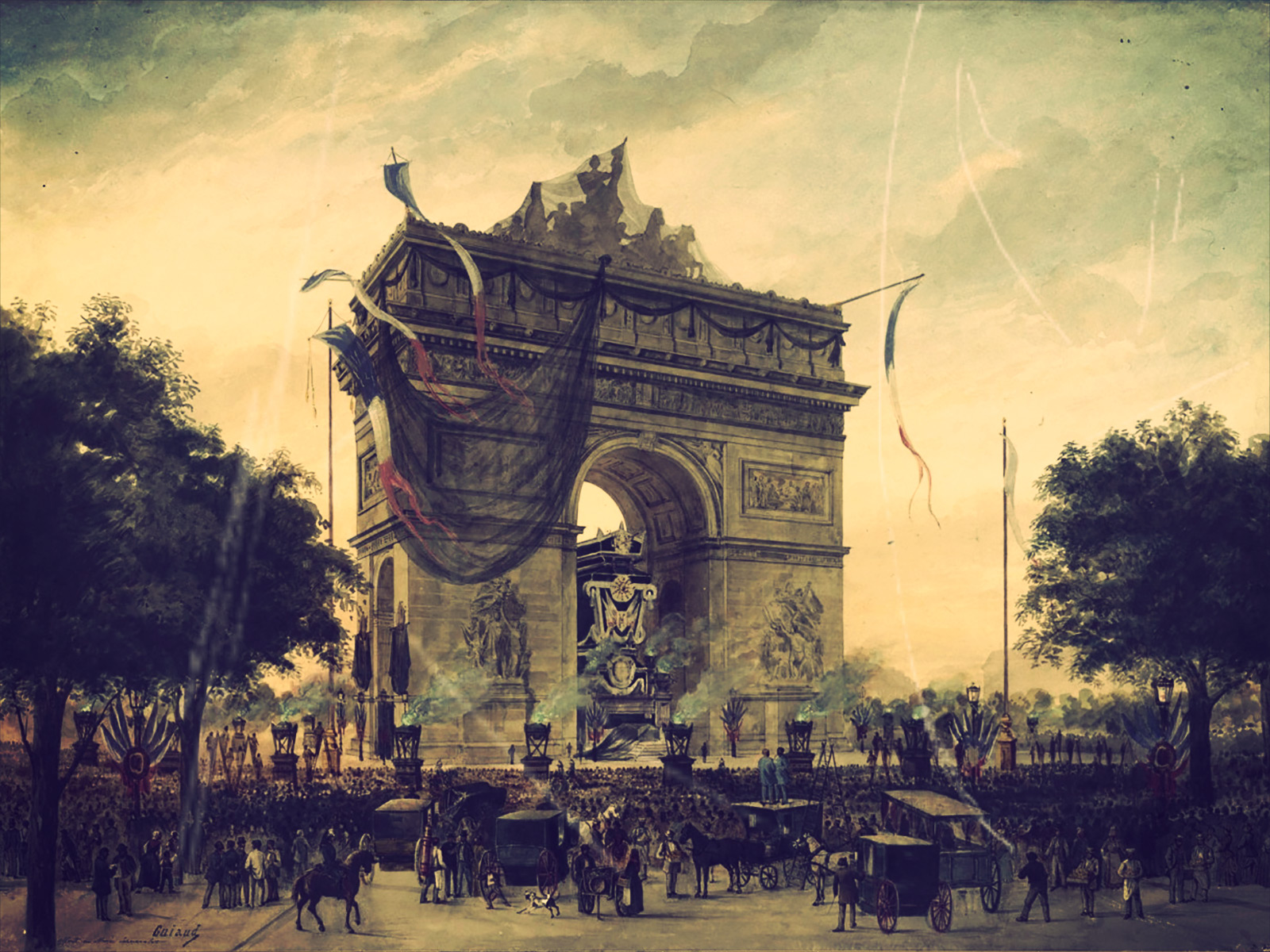
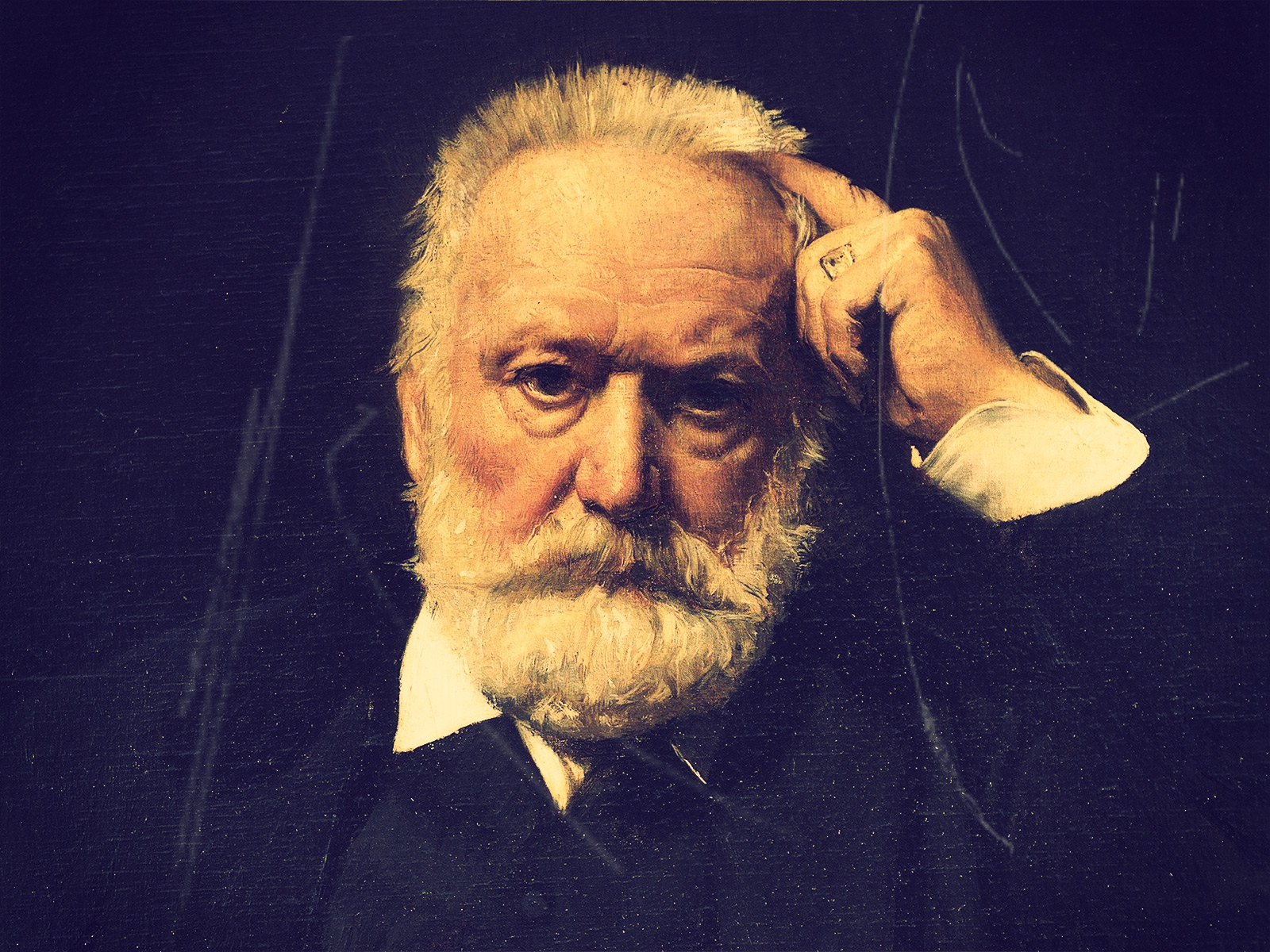
The body of Victor Hugo (1802-85) was watched over all night under the monument, before being buried at the Panthéon, in Paris, in the presence of thousands of Parisians who came to pay tribute to the French writer and poet.
March 14, 1919
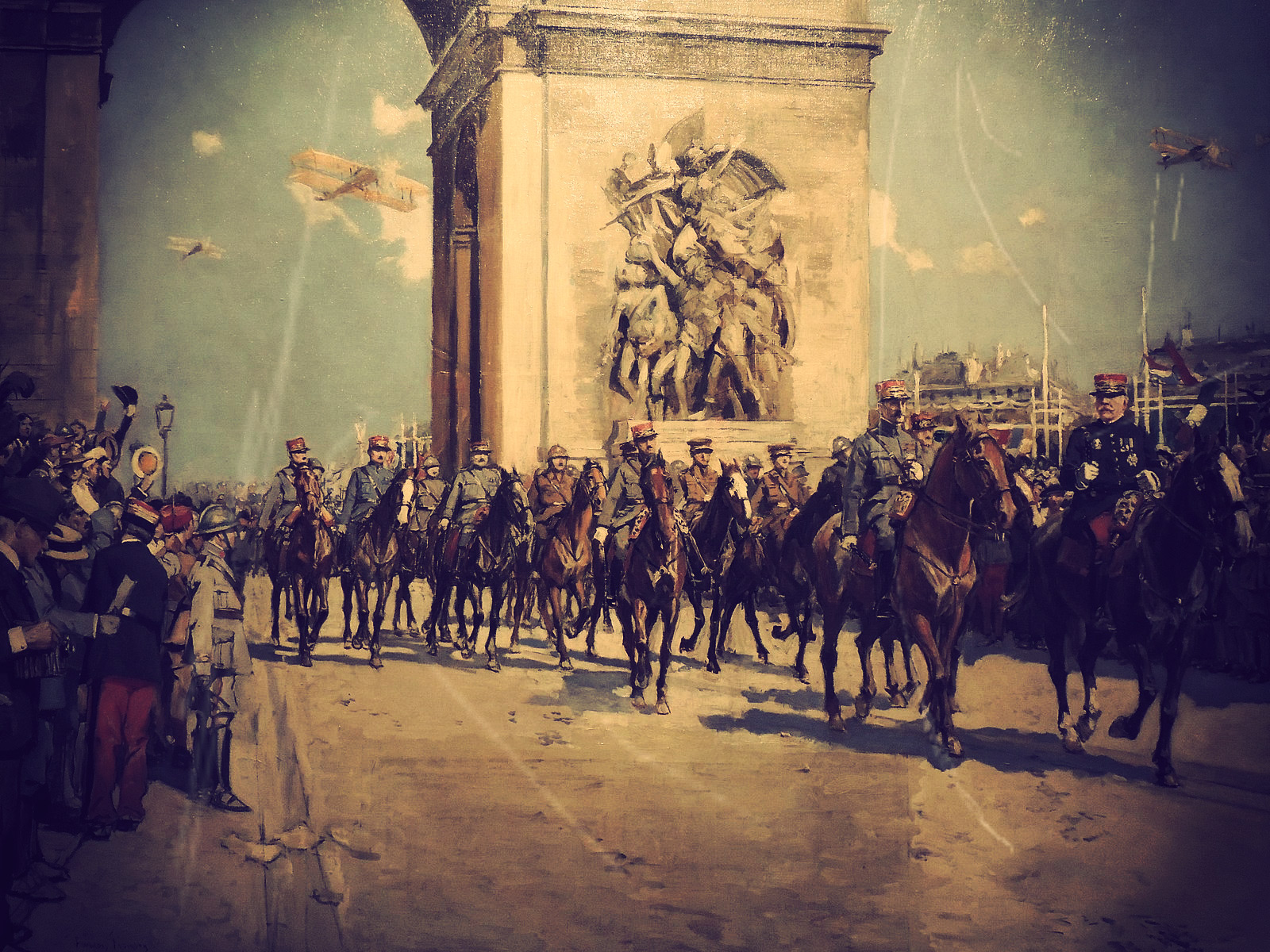
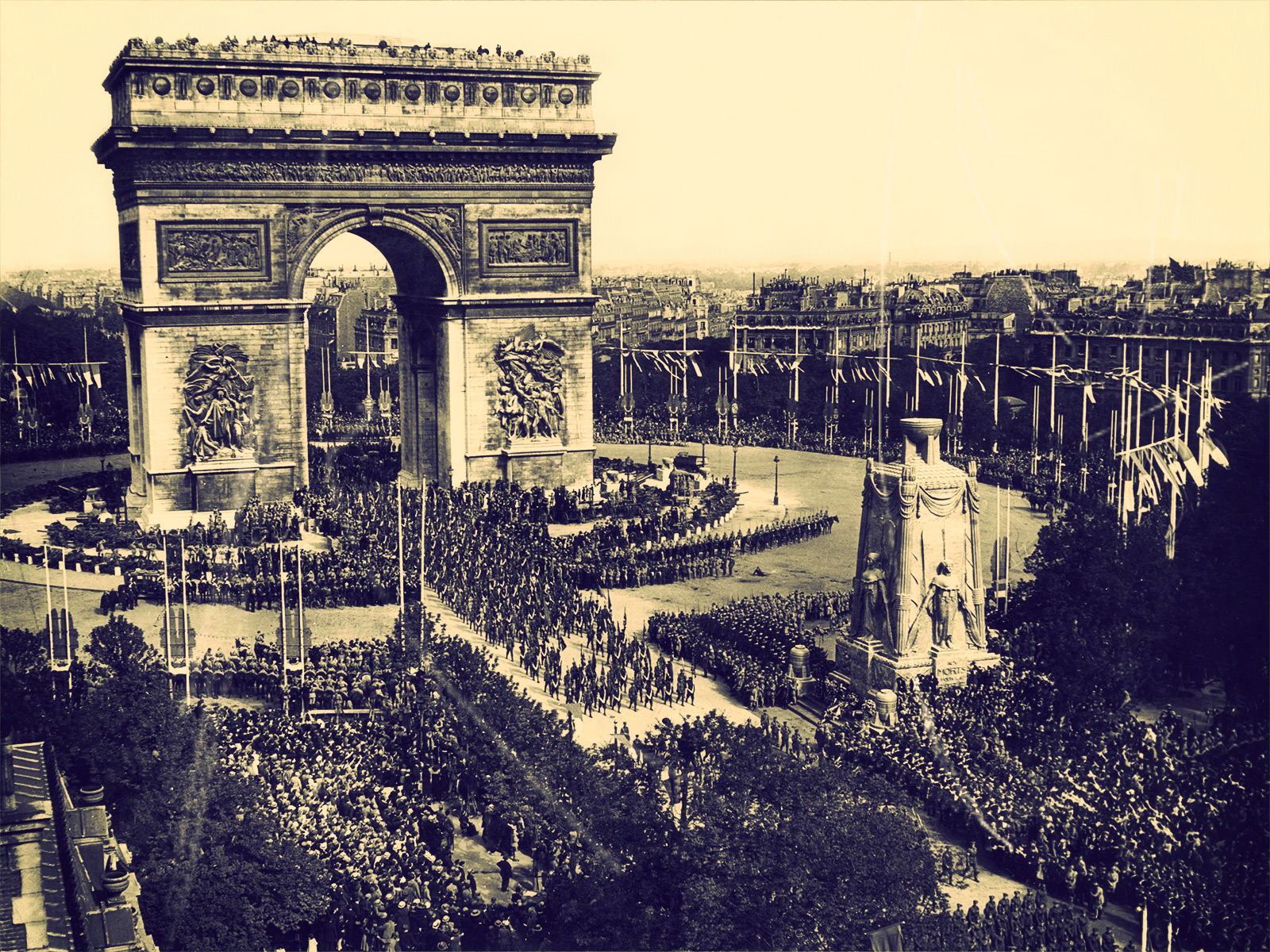
The victorious troops of the First World War march beneath the Arc de Triomphe, celebrating the end of the conflict and paying tribute to the French soldiers who fought for freedom and peace.
November 11, 1920
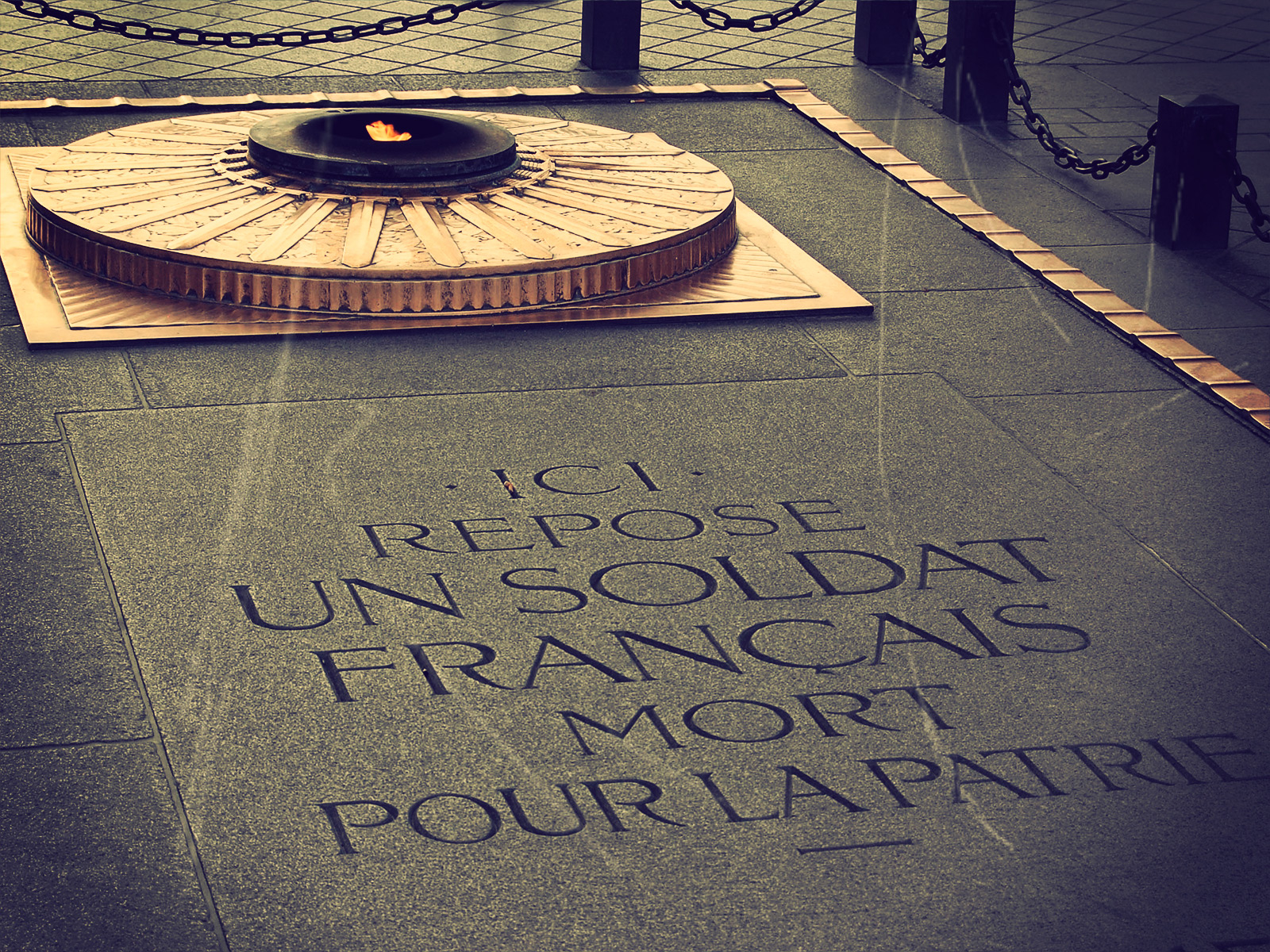
The body of the Unknown Soldier, a casualty of the First World War, is laid to rest at the foot of the Arc
de Triomphe, in the presence of thousands of people who have gathered to pay tribute to this unidentified
soldier and to all those who fell on the battlefield.
The eternal flame of remembrance is lit at the Tomb of the Unknown Soldier, symbolizing the memory of and
respect for all soldiers who died for France, and serving as a reminder of the importance of remembering the
sacrifices made for freedom and peace.

1923
The flame of remembrance, dedicated to the memory of the soldiers who died for France during the Great War, is relit every evening at 6:30 PM by a soldier from the Republican Guard, as part of a solemn ceremony that takes place at the foot of the Arc-de-Triomphe.
August 19, 1944
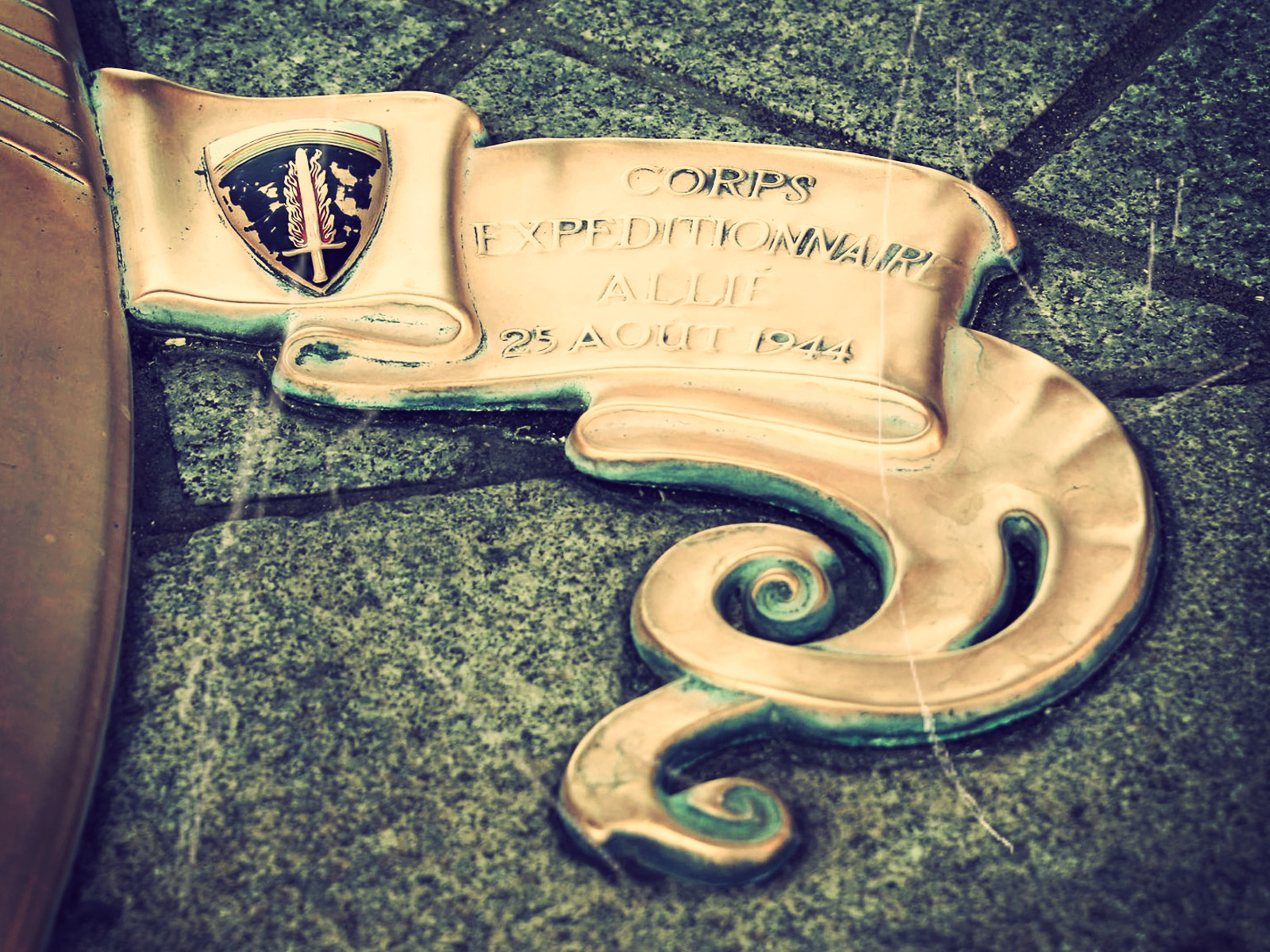
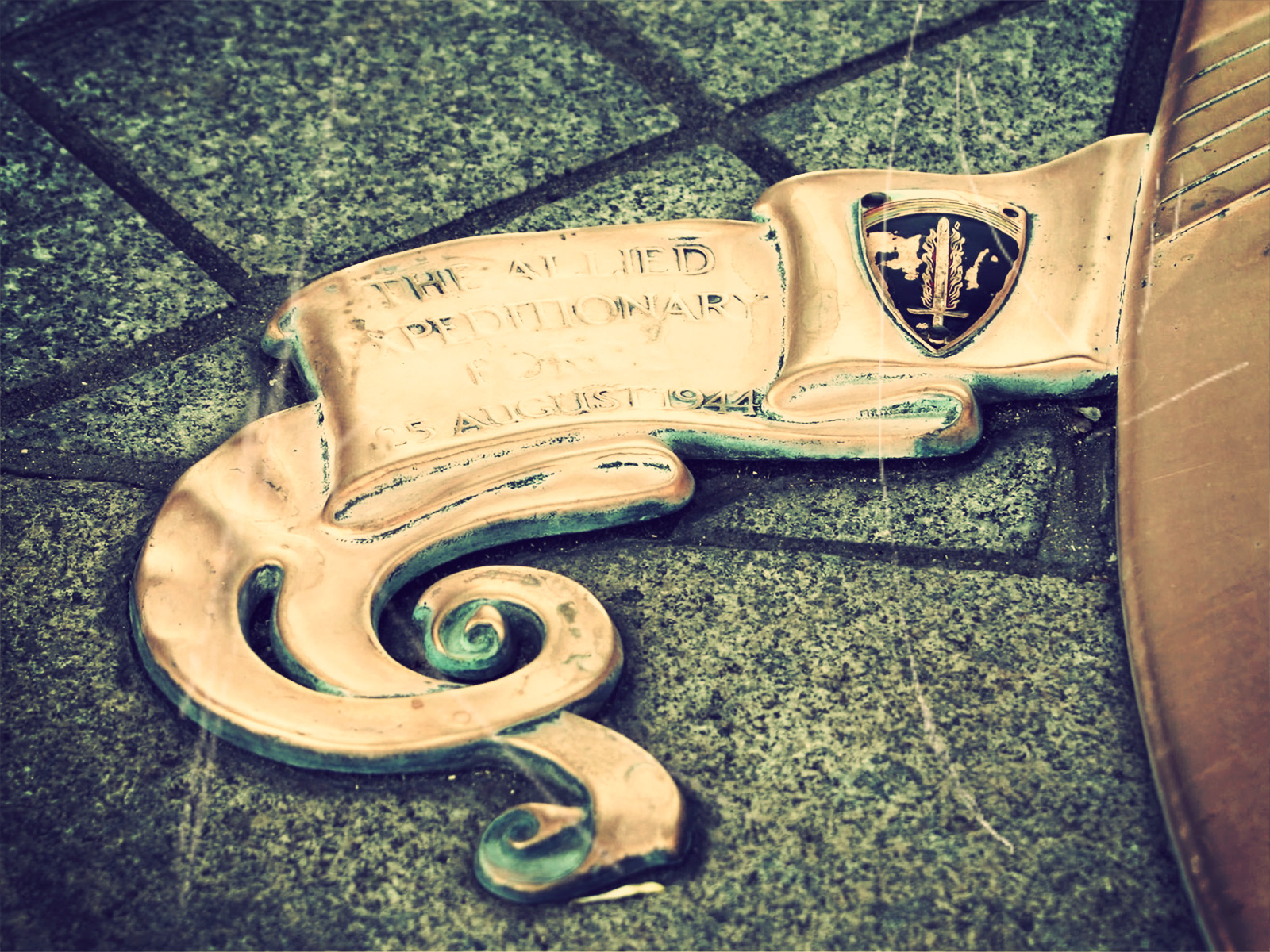
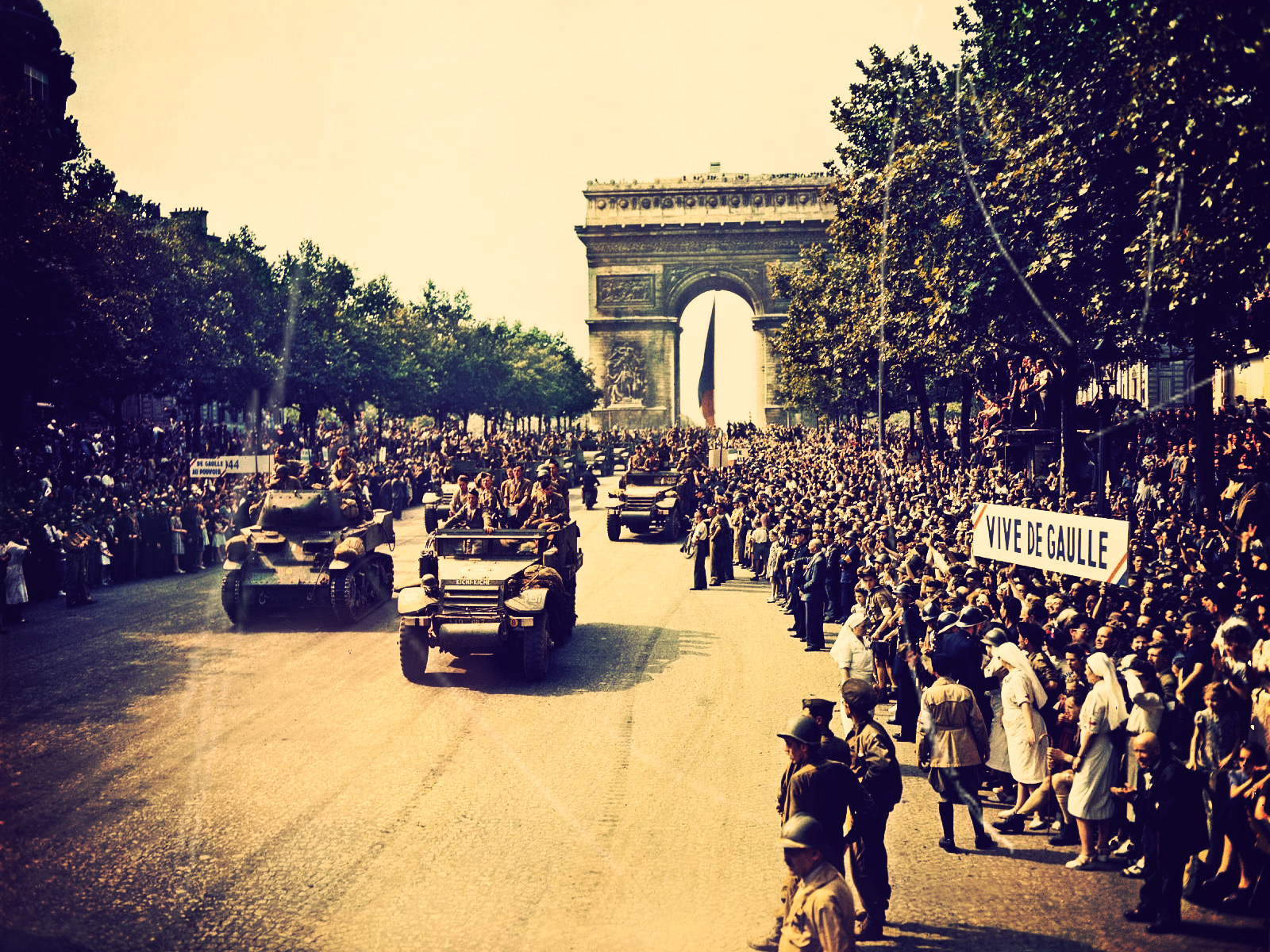
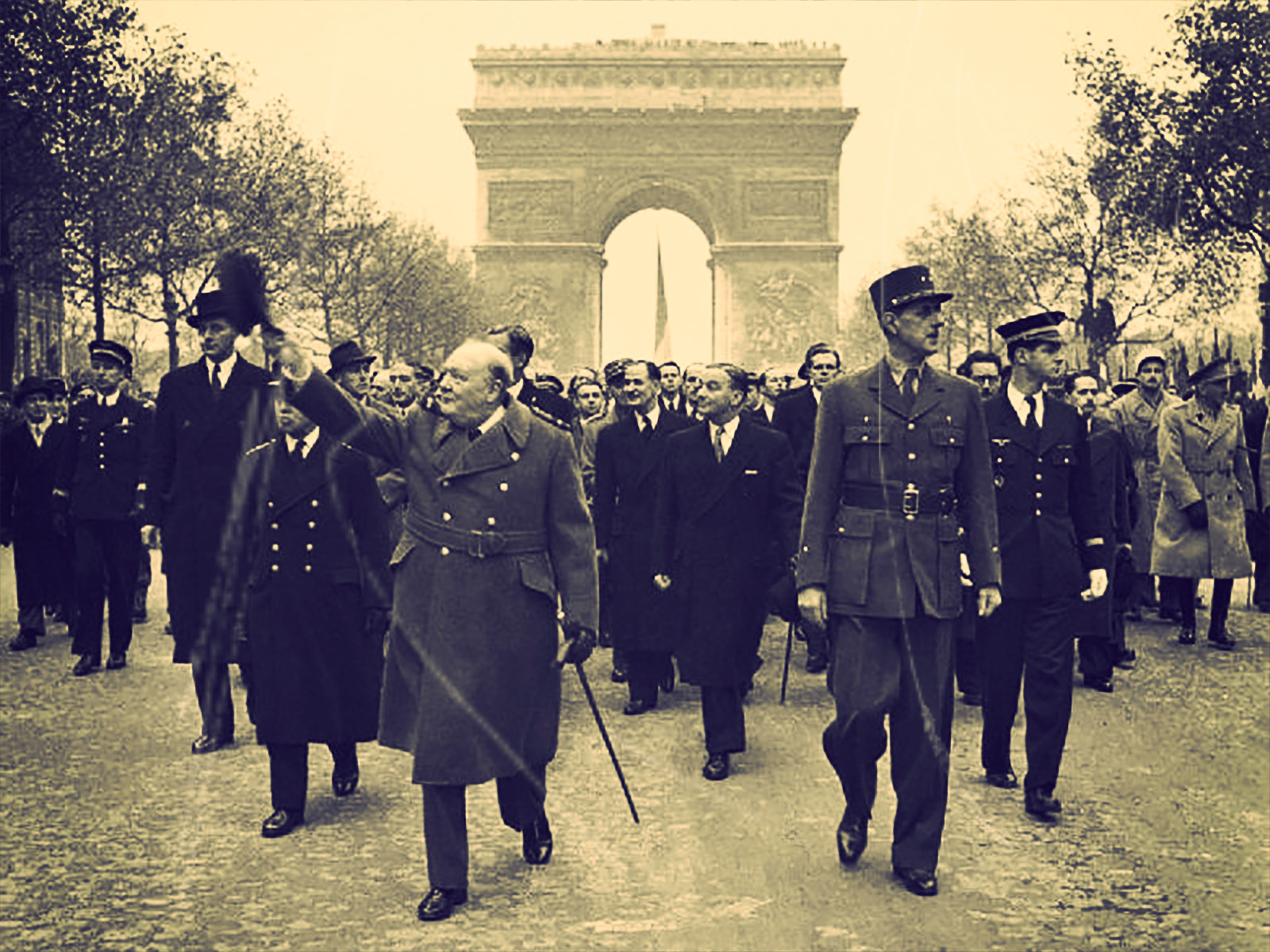
During the Liberation of Paris, General de Gaulle (1890–1970) and the Allied forces march down the jubilant Champs-Élysées and parade beneath the Arc de Triomphe, celebrating victory over the Nazi occupiers and paying tribute to the French Resistance fighters and soldiers who contributed to the liberation of the capital.
November 13, 1970
The Place de l’Étoile is officially renamed Place Charles-de-Gaulle in honor of General de Gaulle, an
iconic figure in 20th-century France who played a decisive role in the liberation of the country and in the
establishment of the modern Republic.
Over the years, the Arc de Triomphe has regained its original purpose, becoming a symbol of patriotism.
Since de Gaulle’s time, the Arc de Triomphe has served as an essential focal point for major republican and
patriotic ceremonies each year, particularly during the November 11 and July 14 commemorations, when heads of
state and military authorities pay tribute to soldiers who have fallen in battle and celebrate the greatness
of the French nation.
The Arc de Triomphe thus remains a place of remembrance and gathering for the French people, symbolizing
national unity and respect for those who have served and protected France throughout the ages, while
continuing to inspire future generations through its history and grandeur.
Home · The whole History section · Lire en français
Back to top