Saint-Pierre and Miquelon notebook · 2. On the islands
a stay in
SAINT-PIERRE AND MIQUELON
Saint-Pierre, its heights and Île aux Marins, then Miquelon-Langlade and a flat tyre on a gravel track — the whole stay on this small piece of France, in the order we lived it. Part 2 · On the islands.
The stay
Saint-Pierre · Miquelon · Langlade
Five days in the archipelago
The car
Rivian R1S
A flat tyre, an inner tube, two new tyres
Another world
it all leads
to town
Fortune → Le Suroît → Saint-Pierre,
then Miquelon and Langlade by sea.
Reading the map
- a stop along the stay
- towards Miquelon
- the way back to Fortune
- the Atlantic

Saint-Pierre
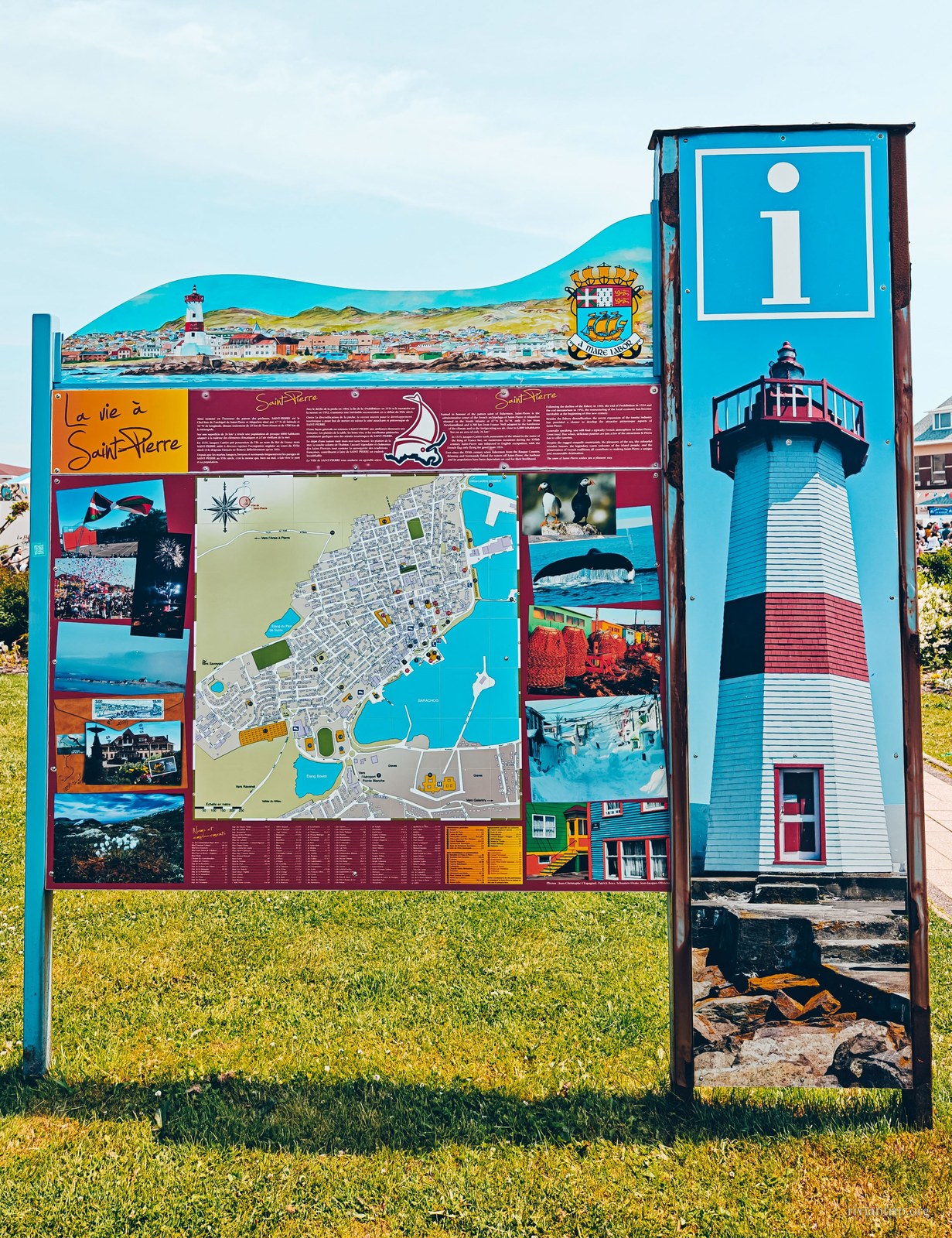
Back in France, in a different waySaint-Pierre · Île aux Marins · Miquelon · Langlade — the whole archipelago, south to north
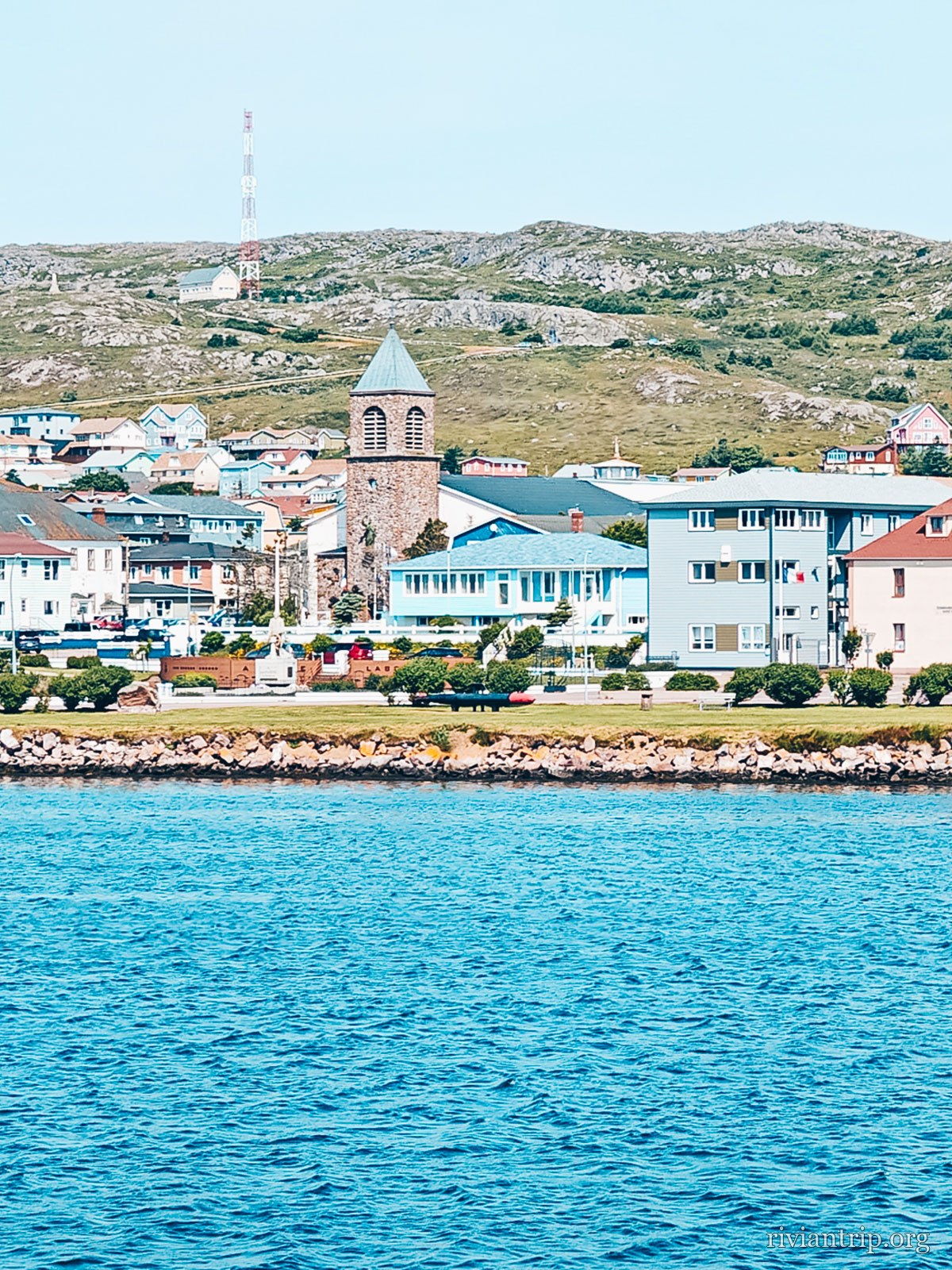
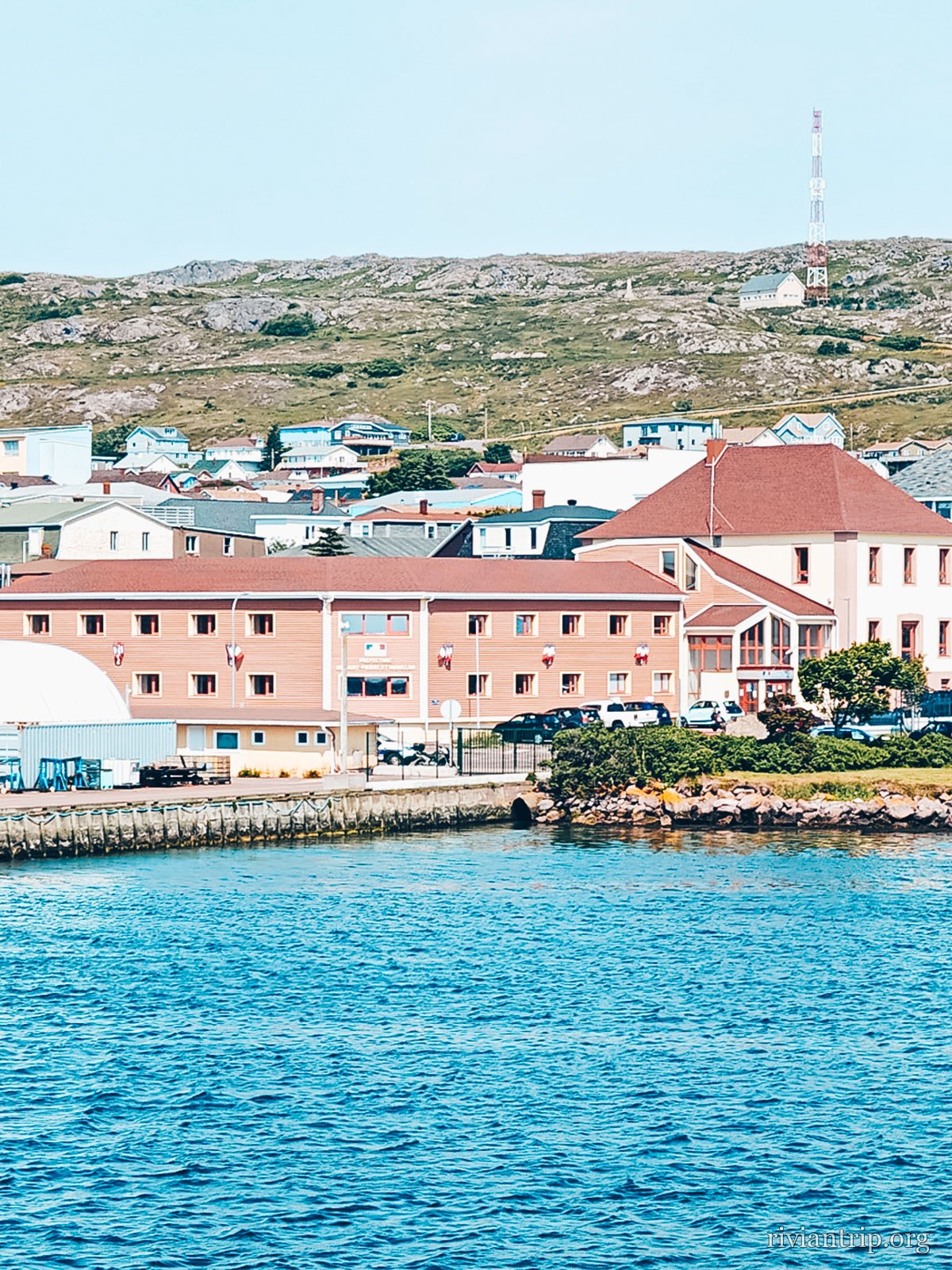
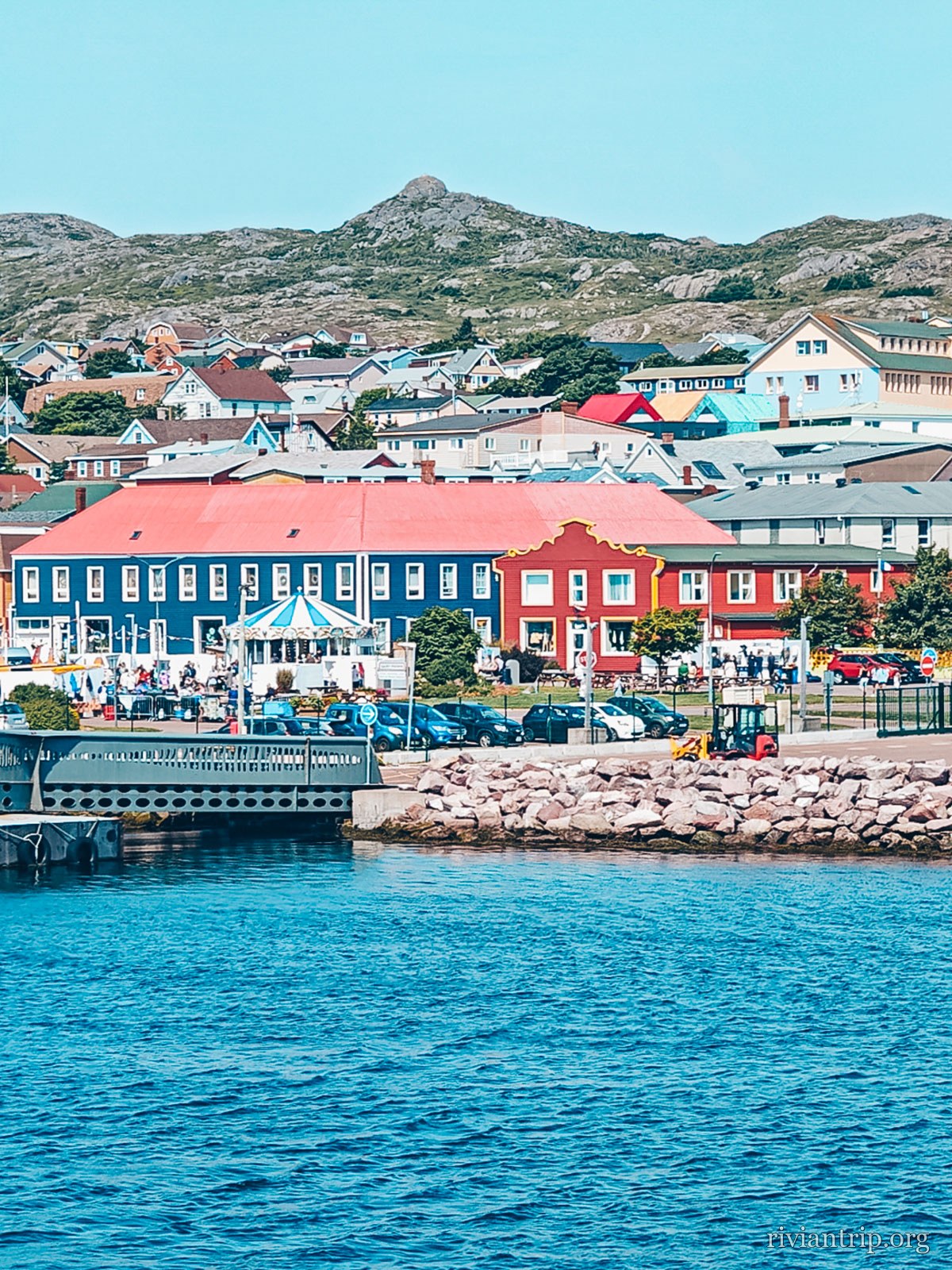
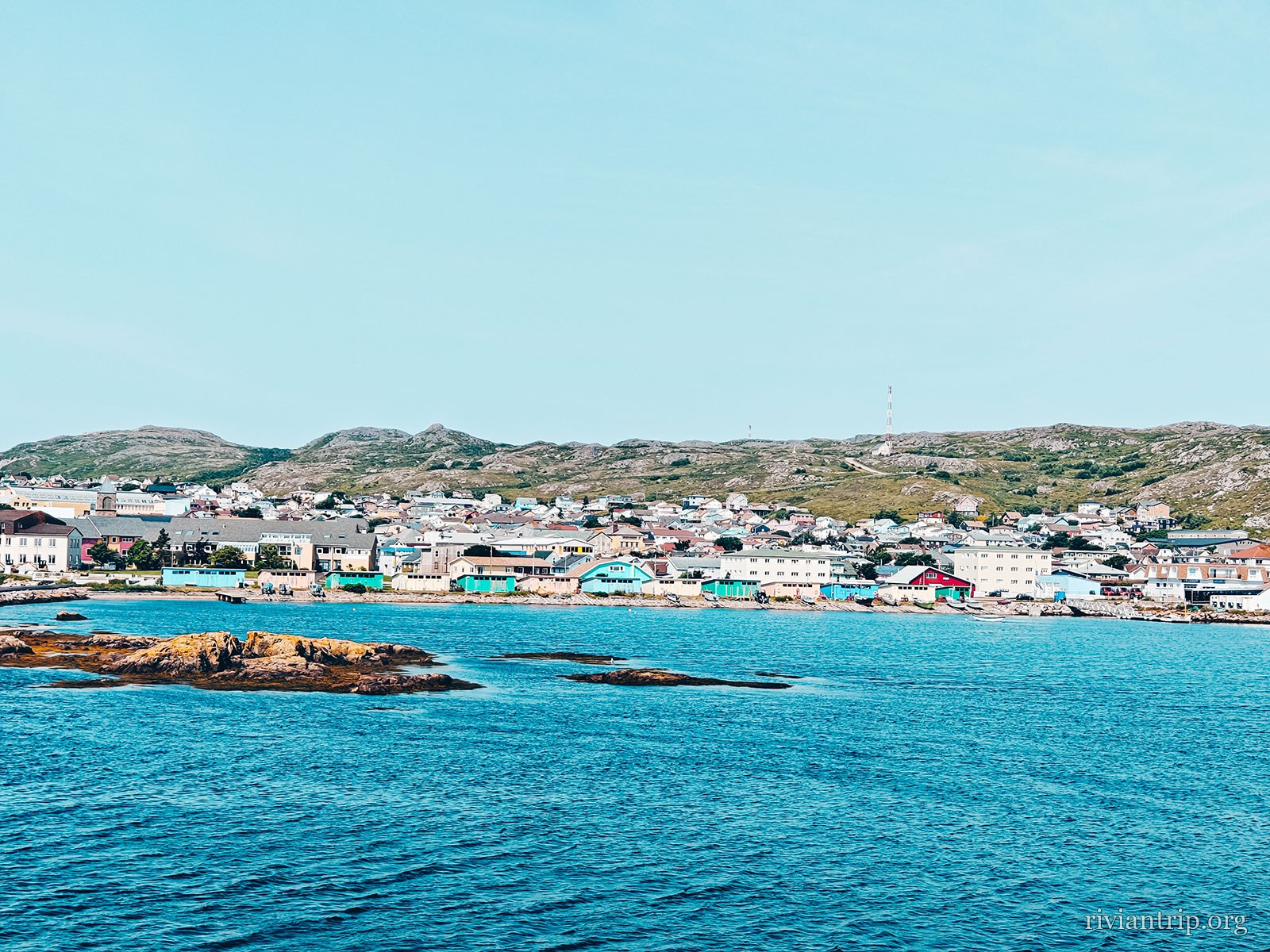
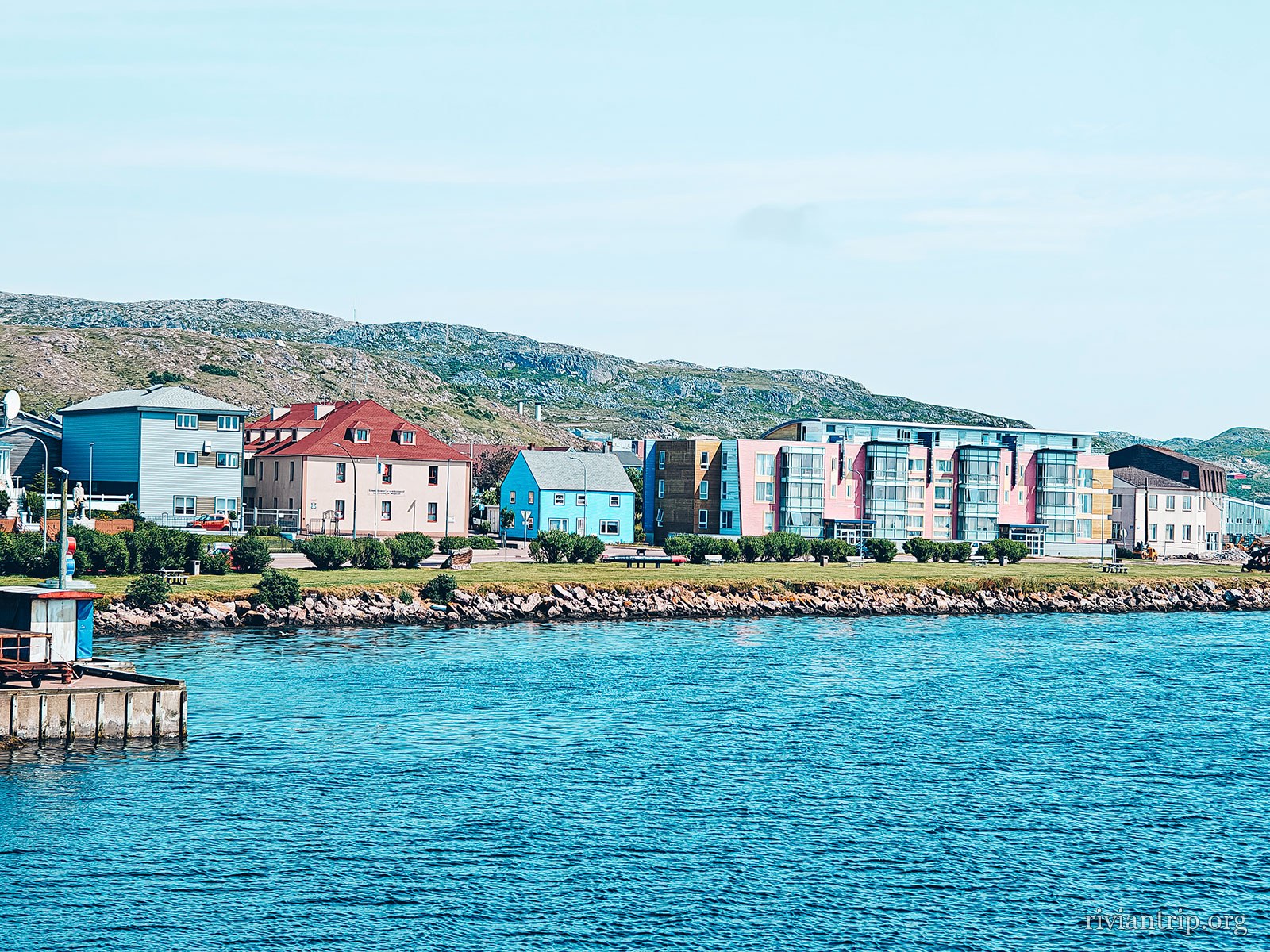
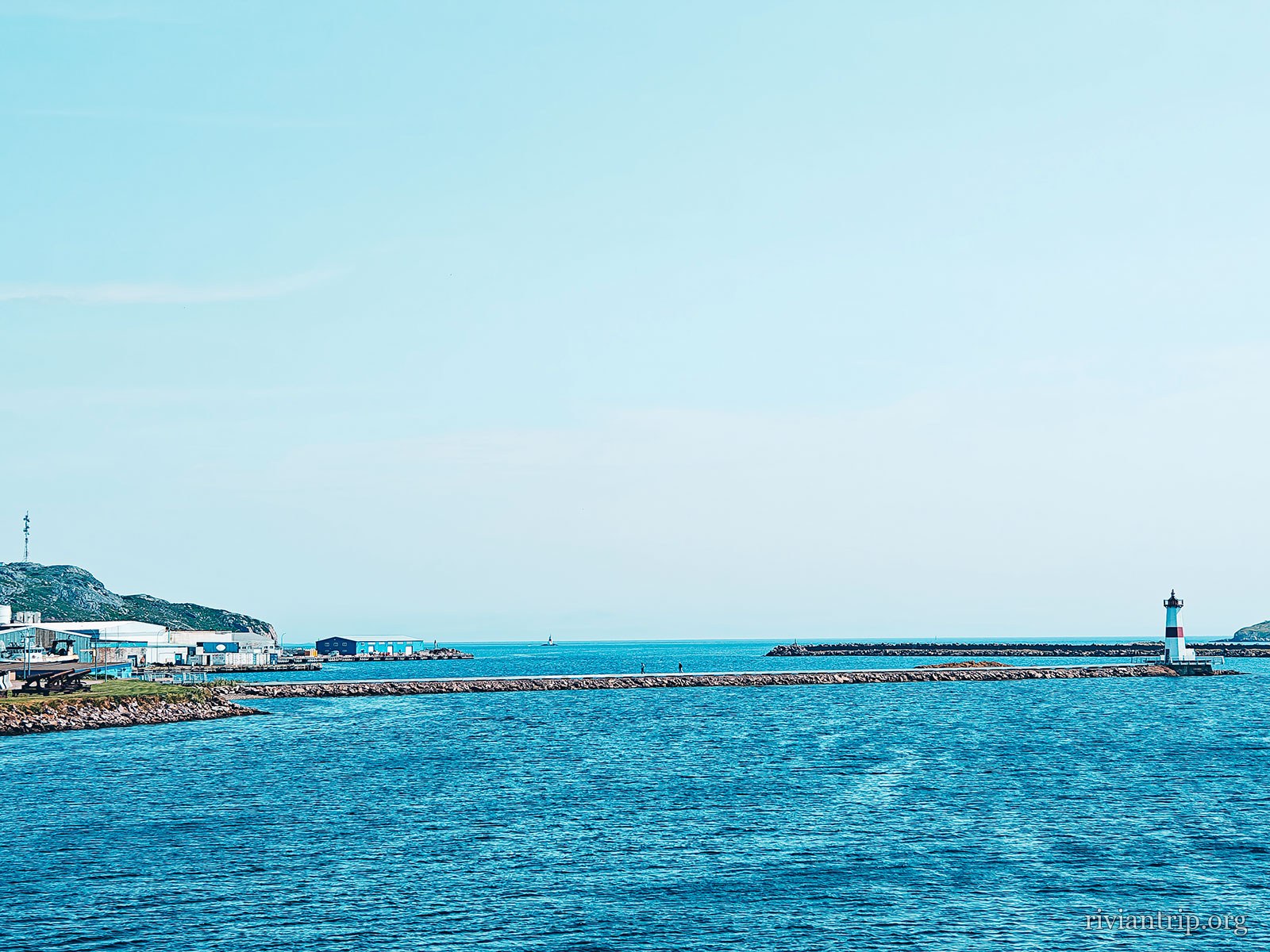
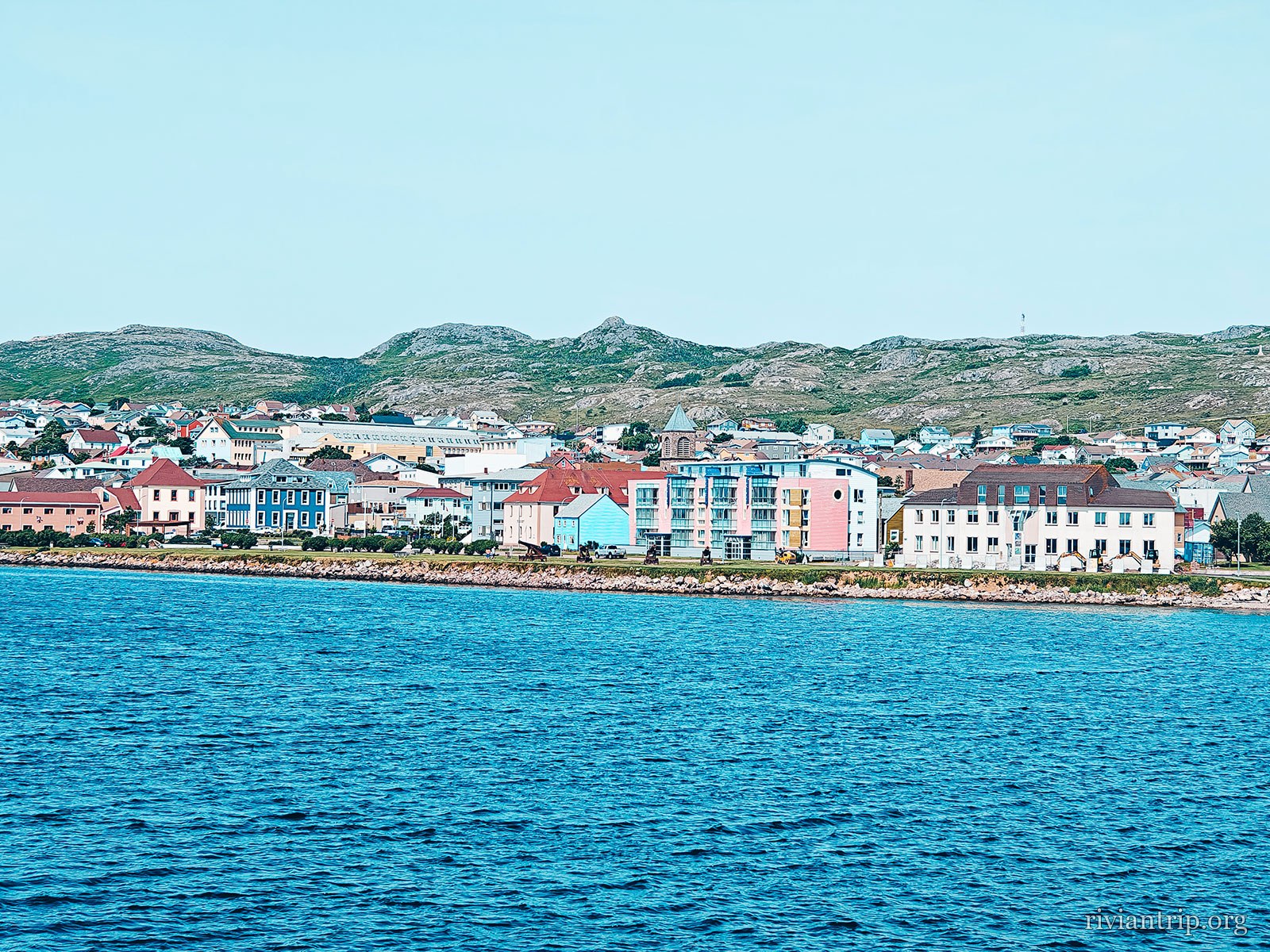
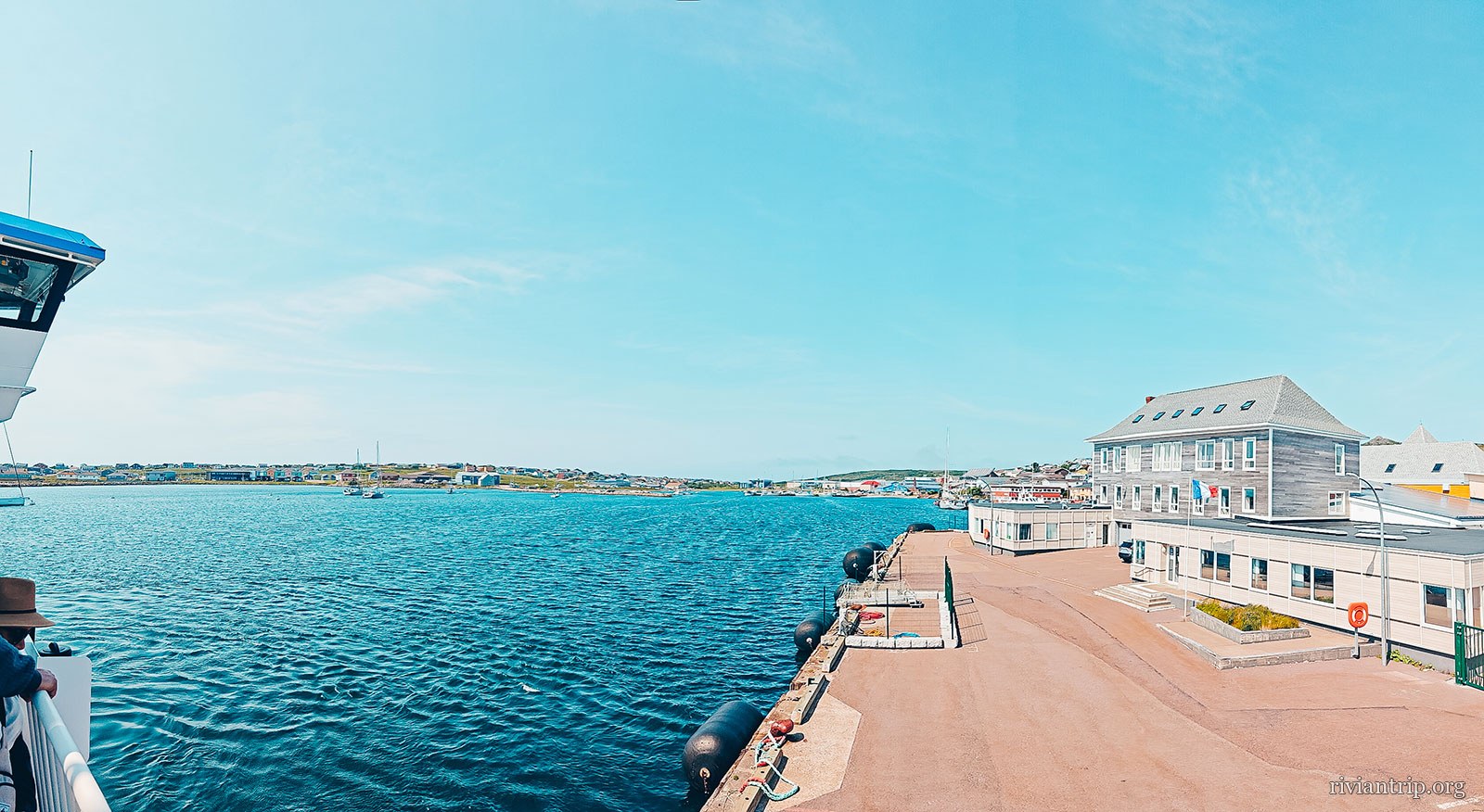
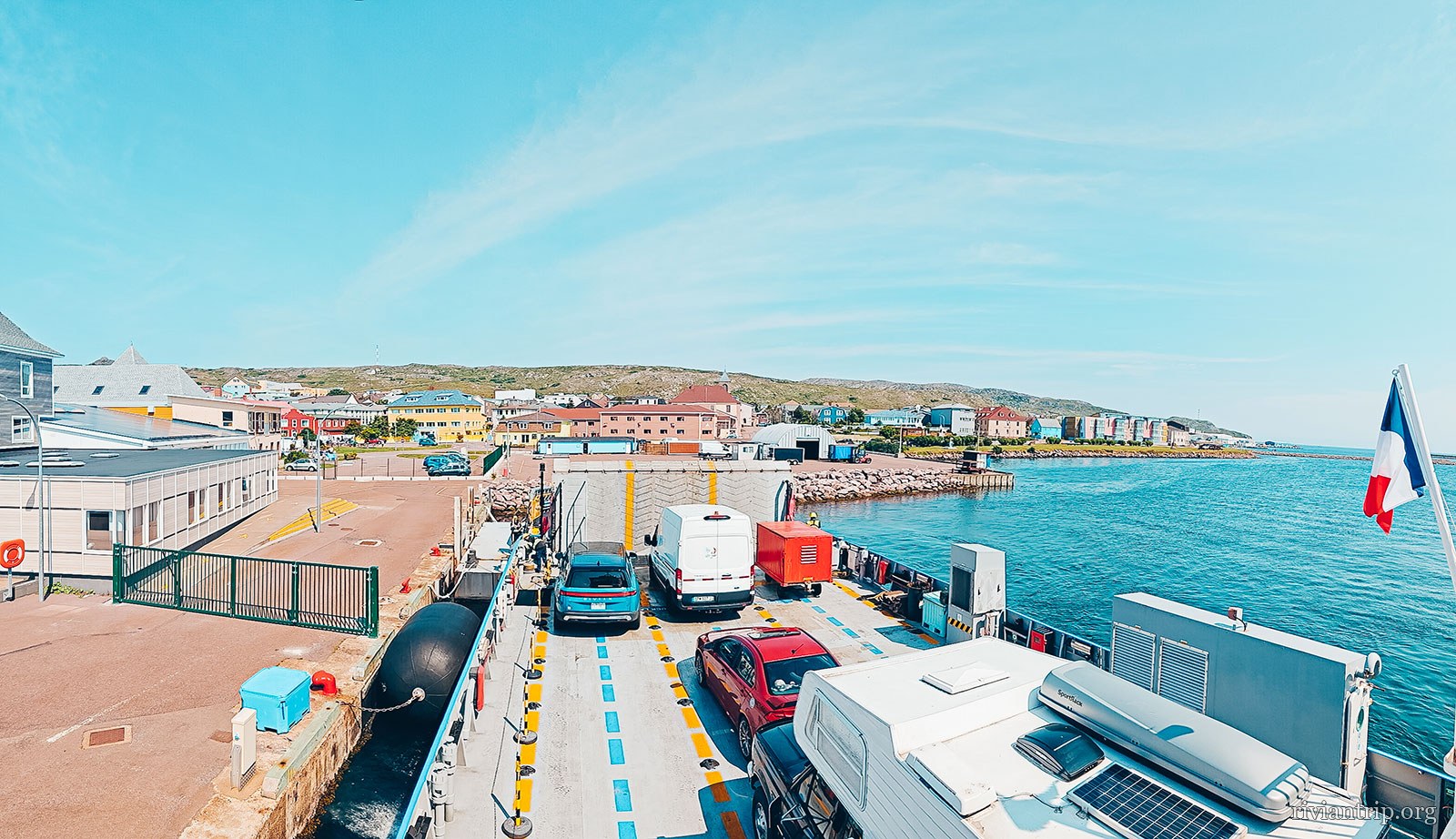
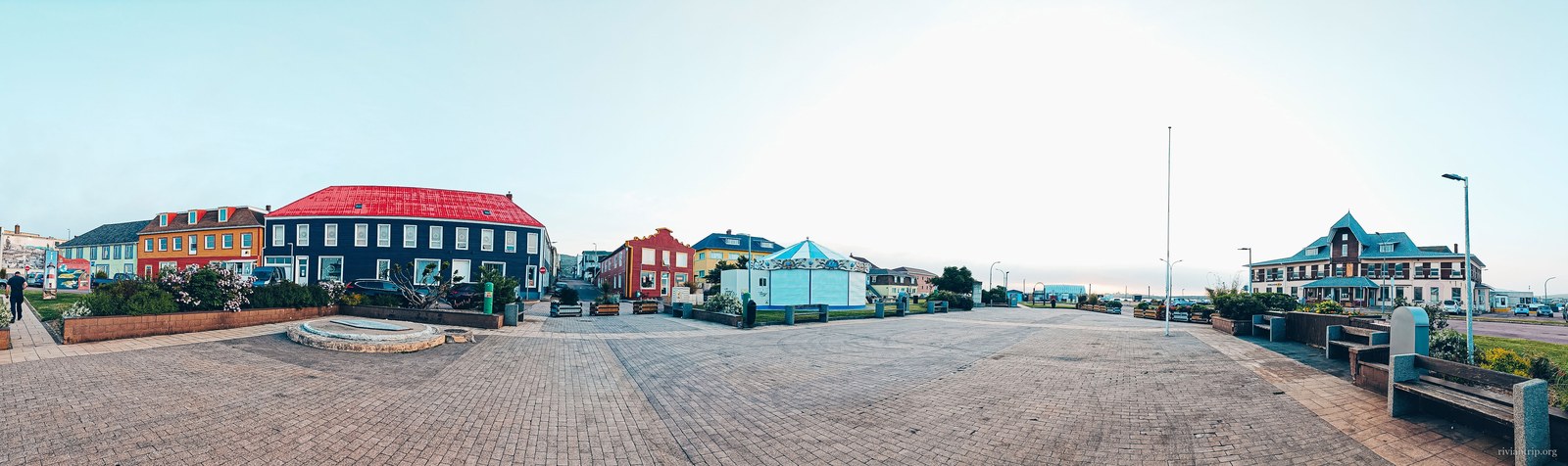
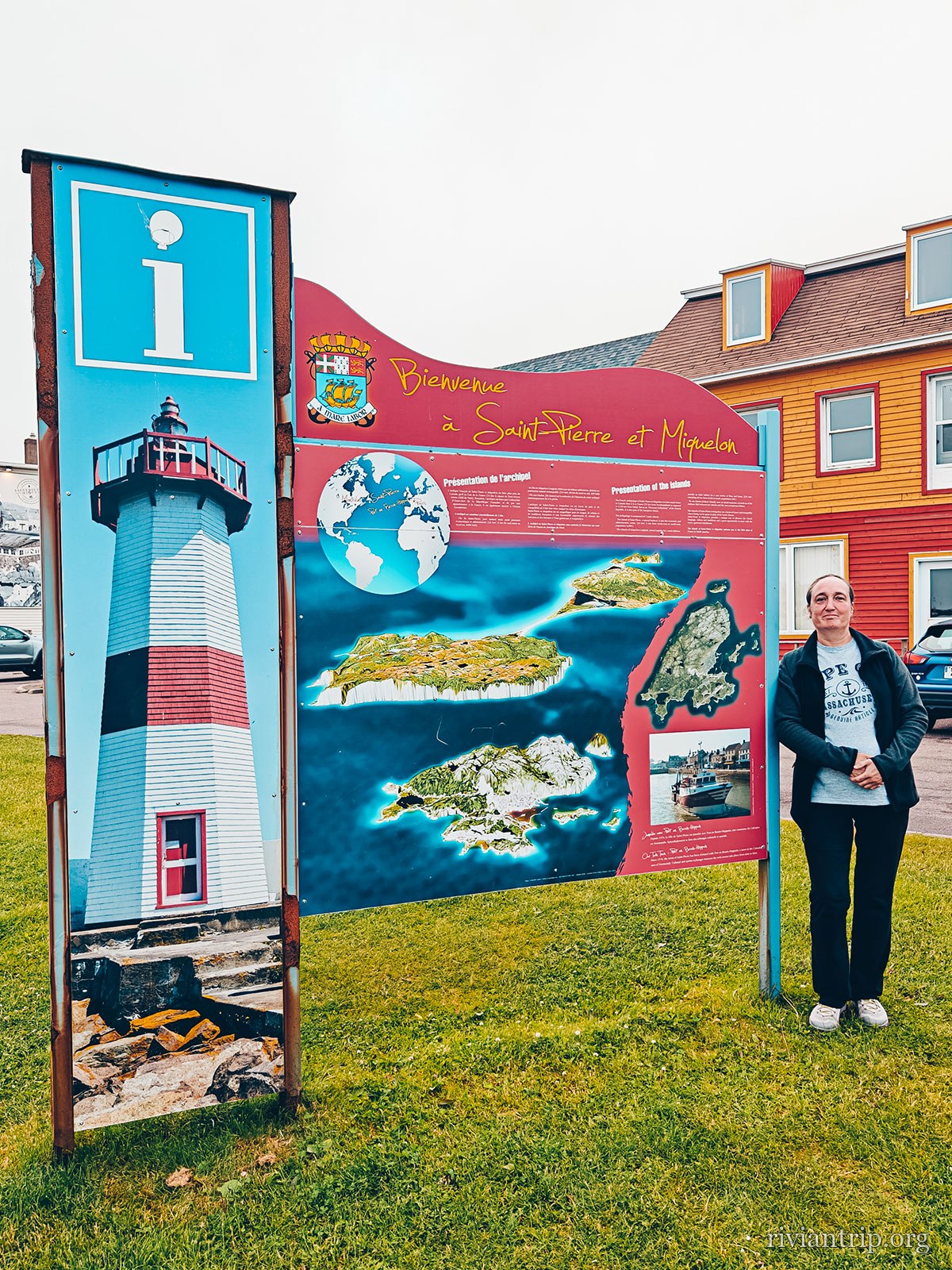
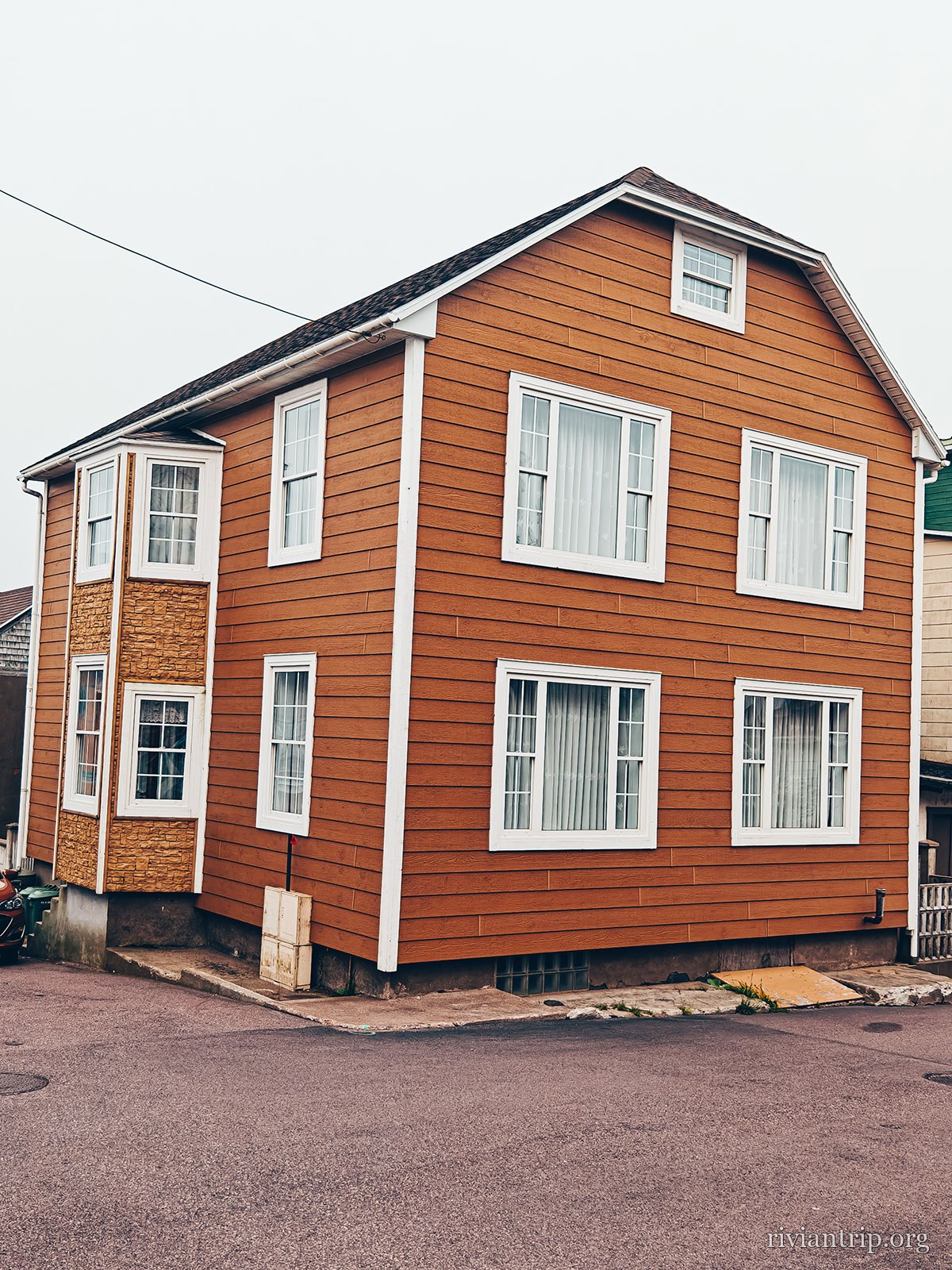
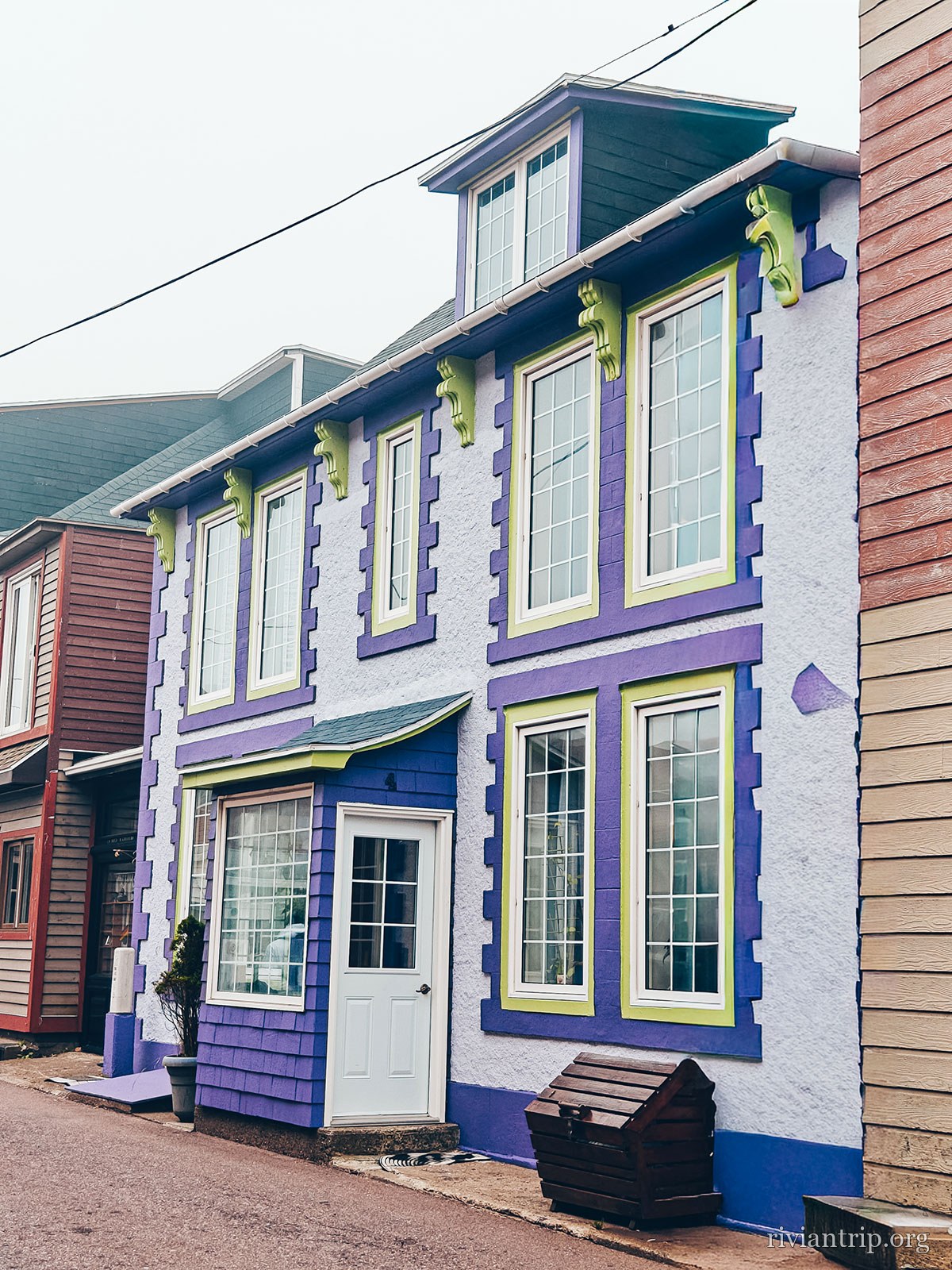
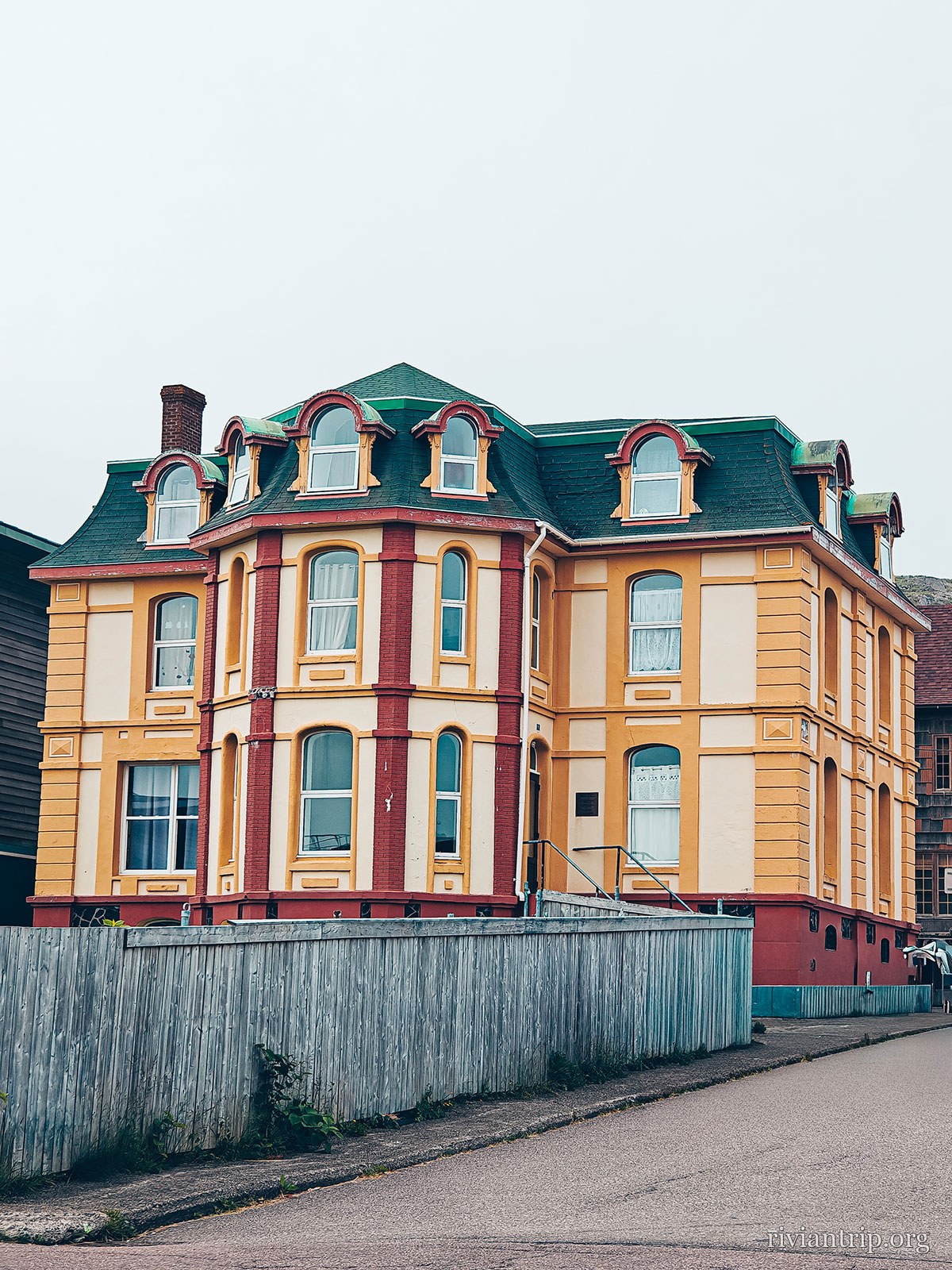
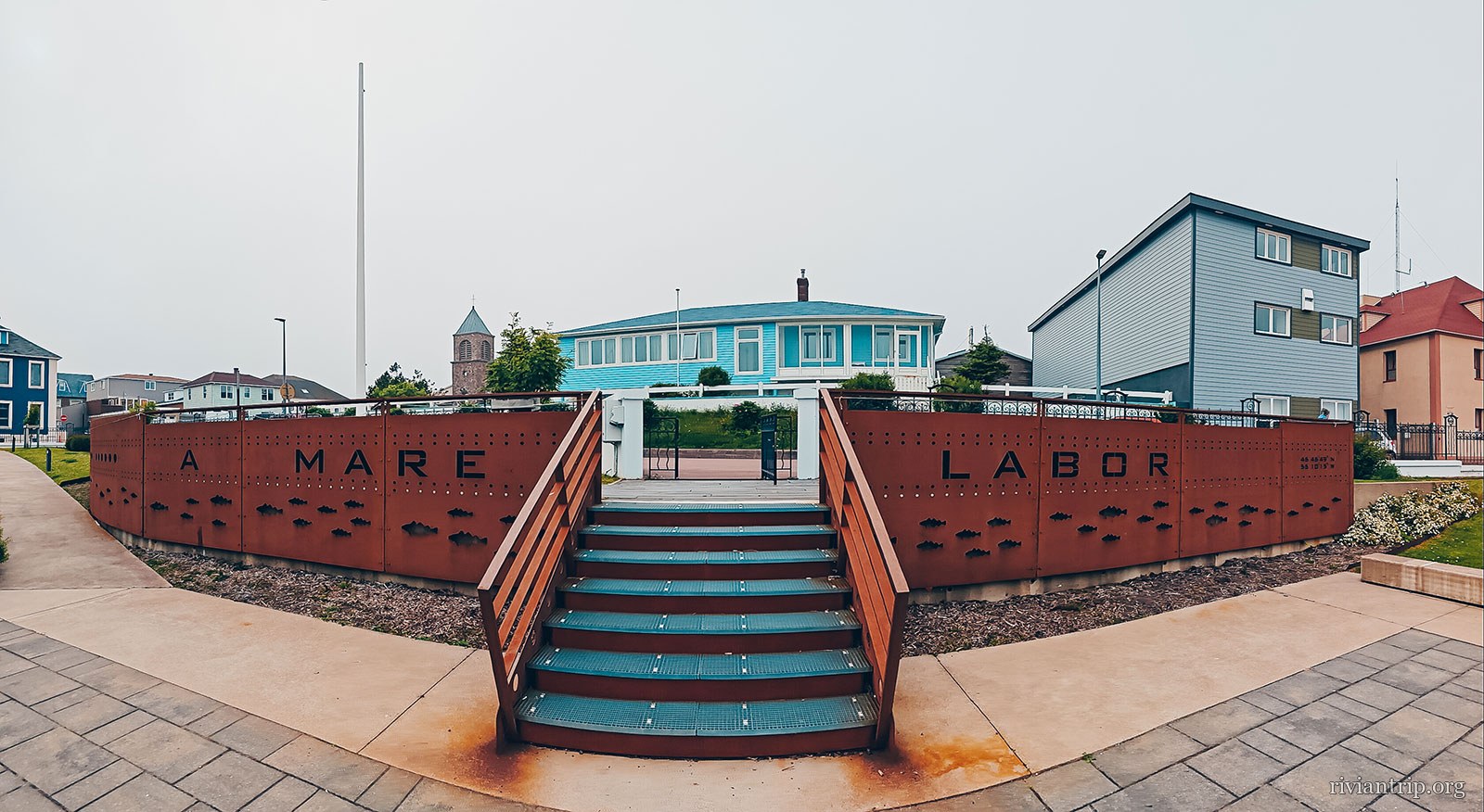
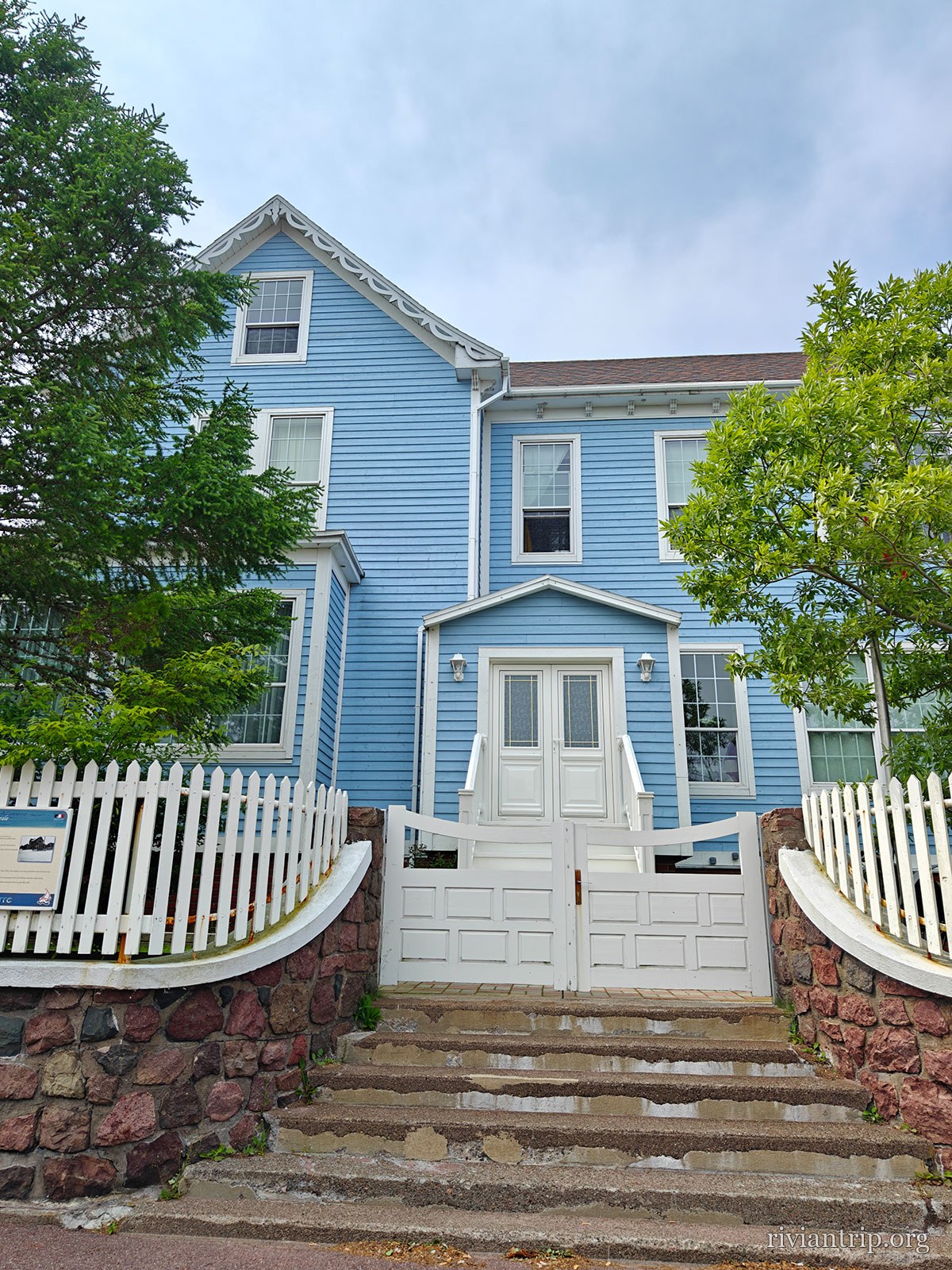
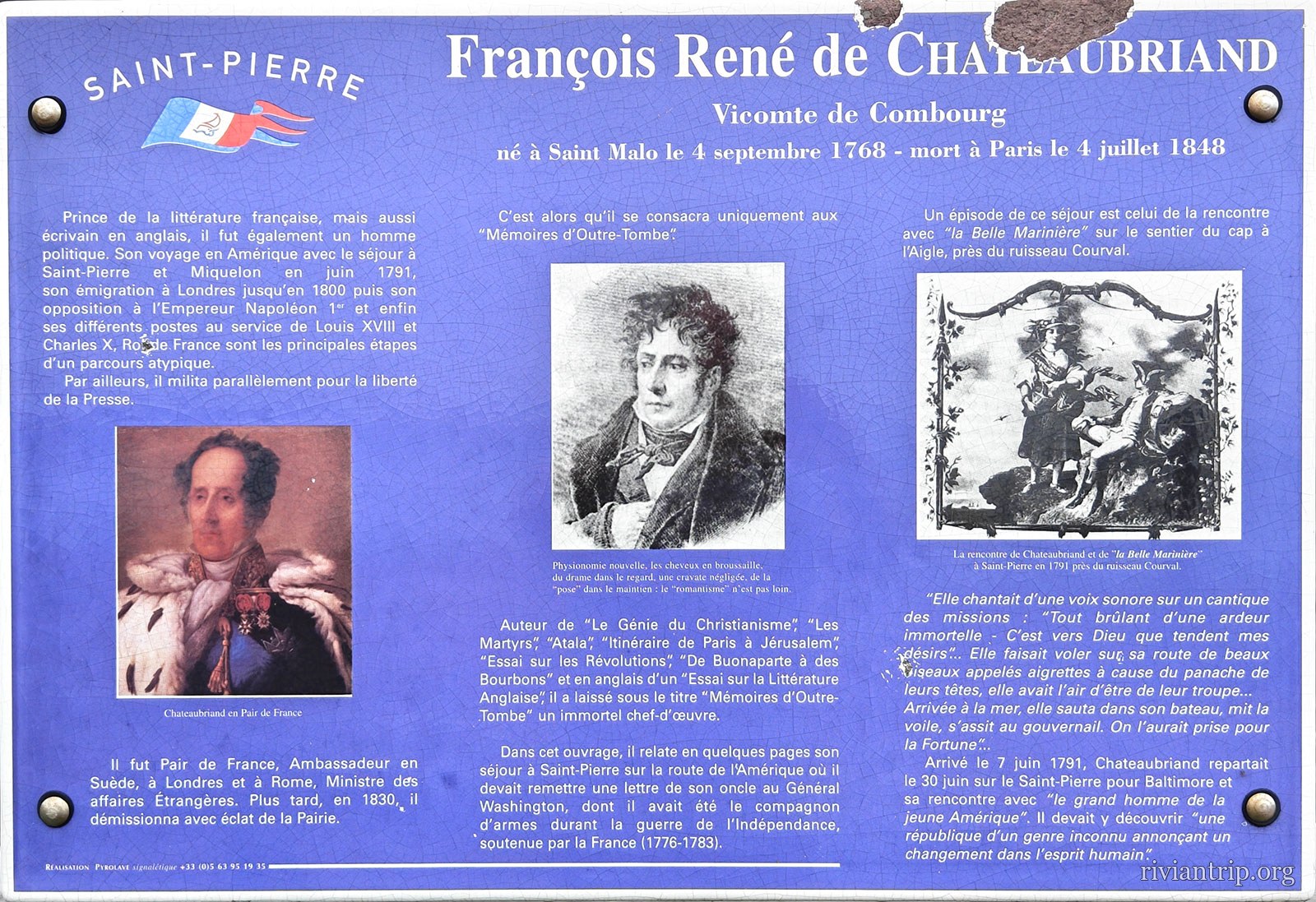
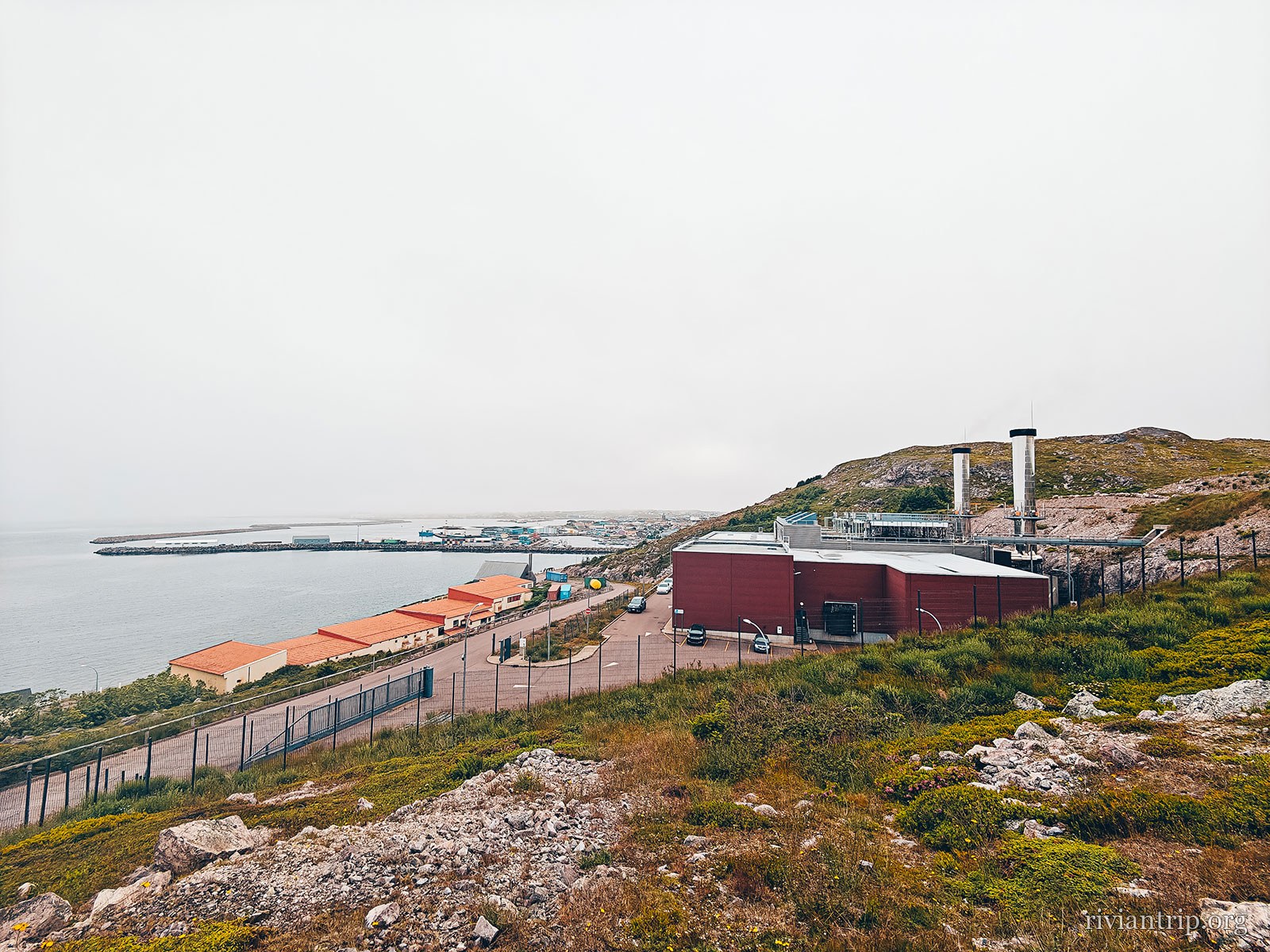
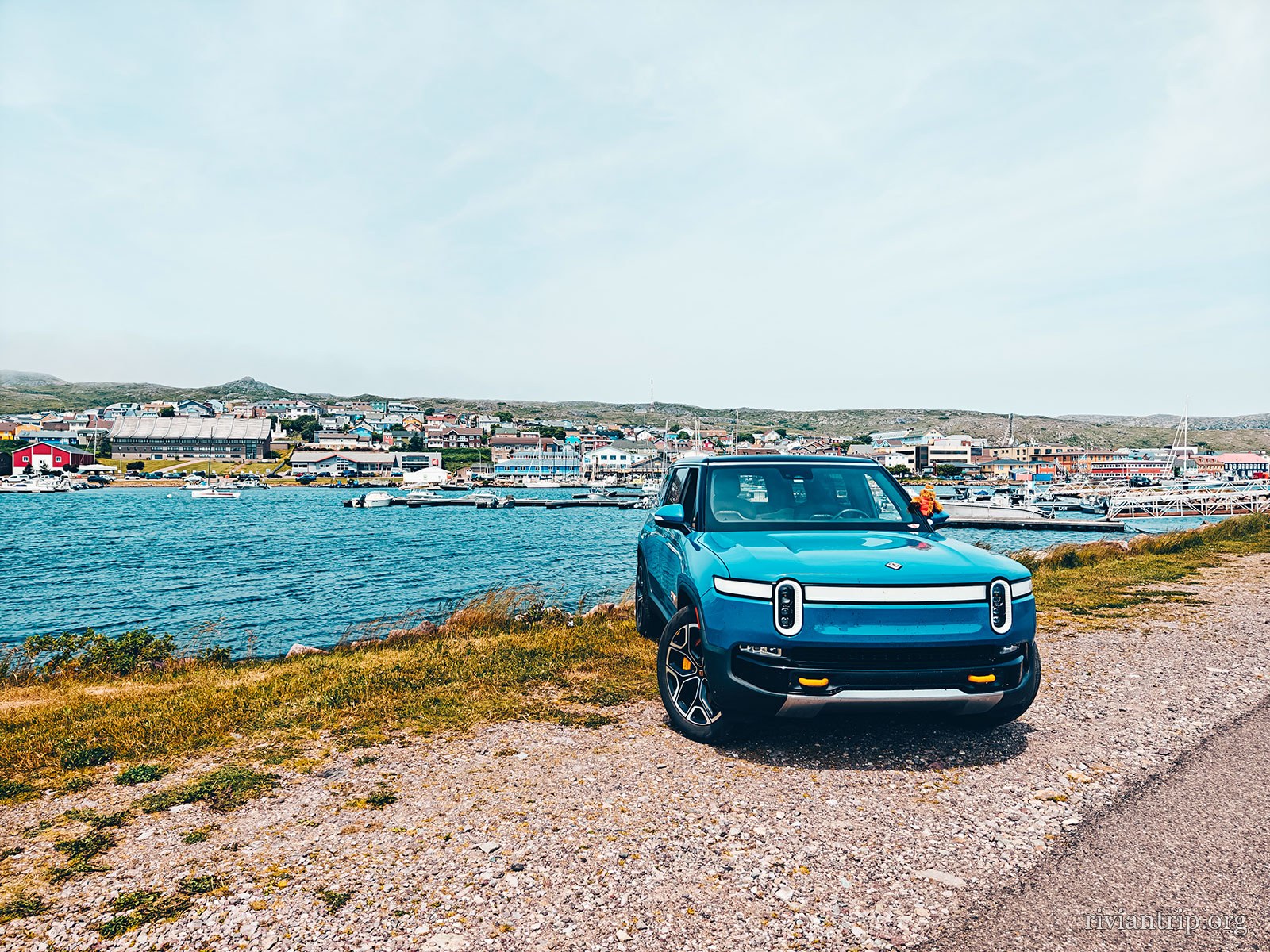
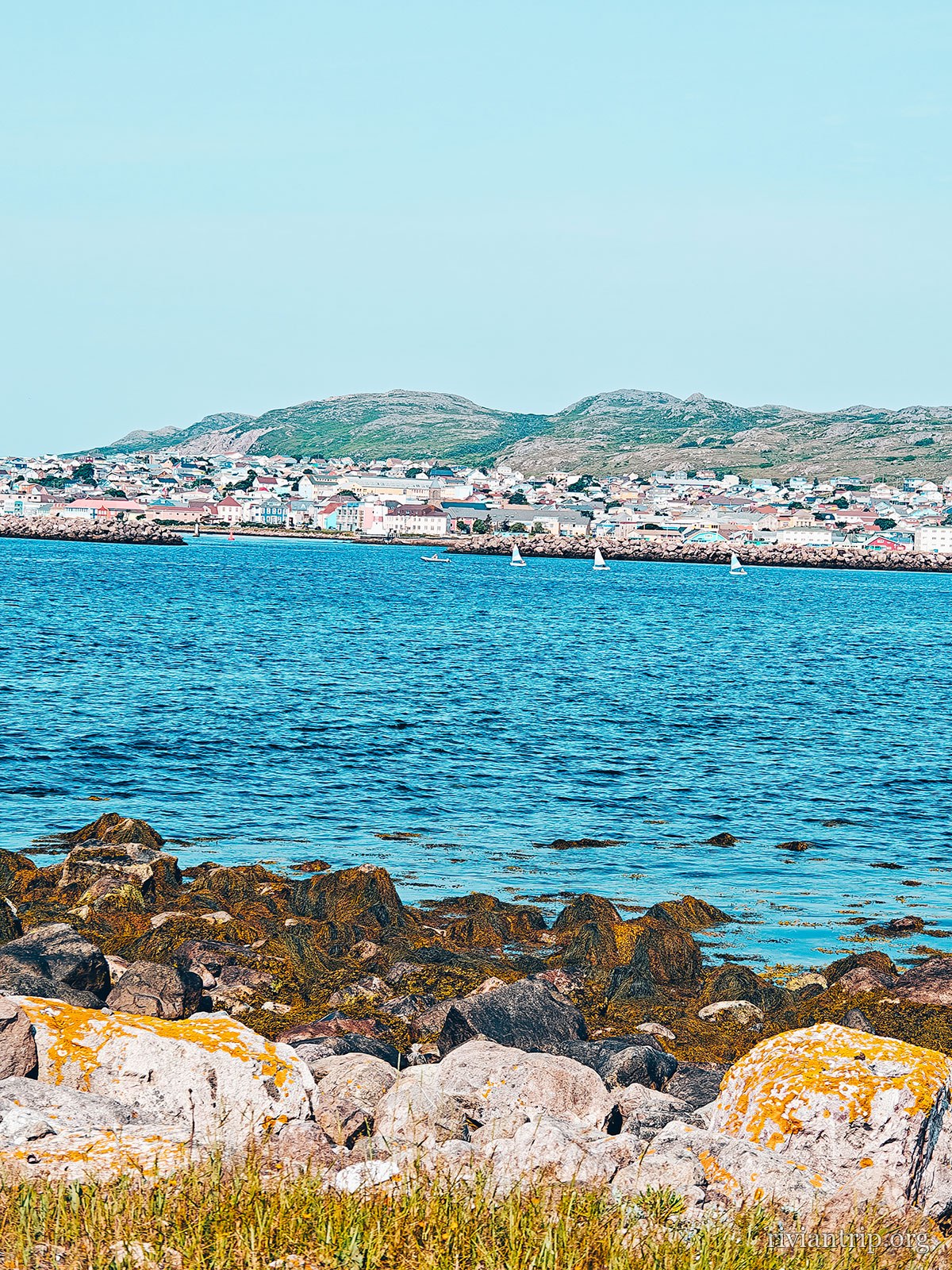
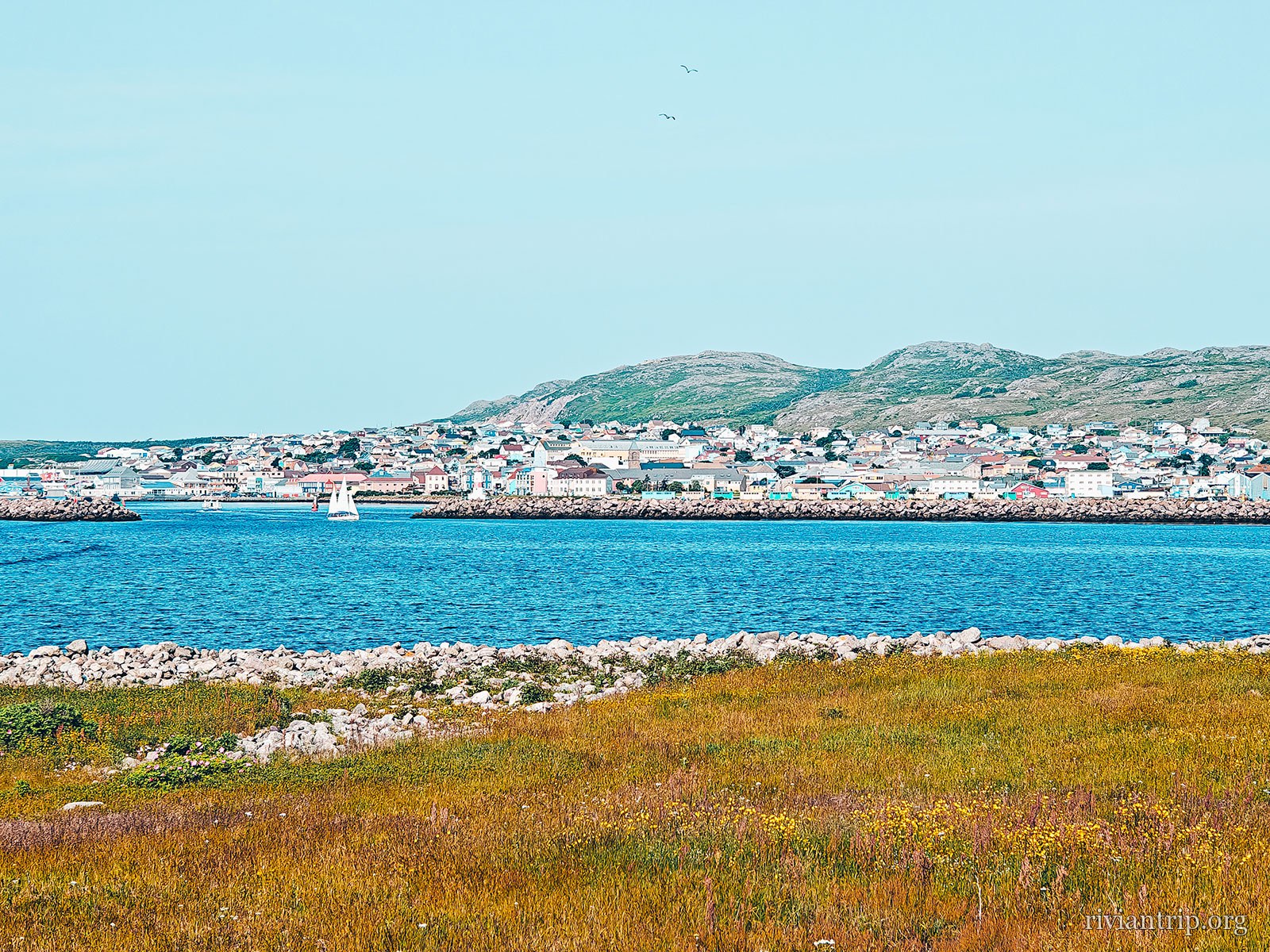
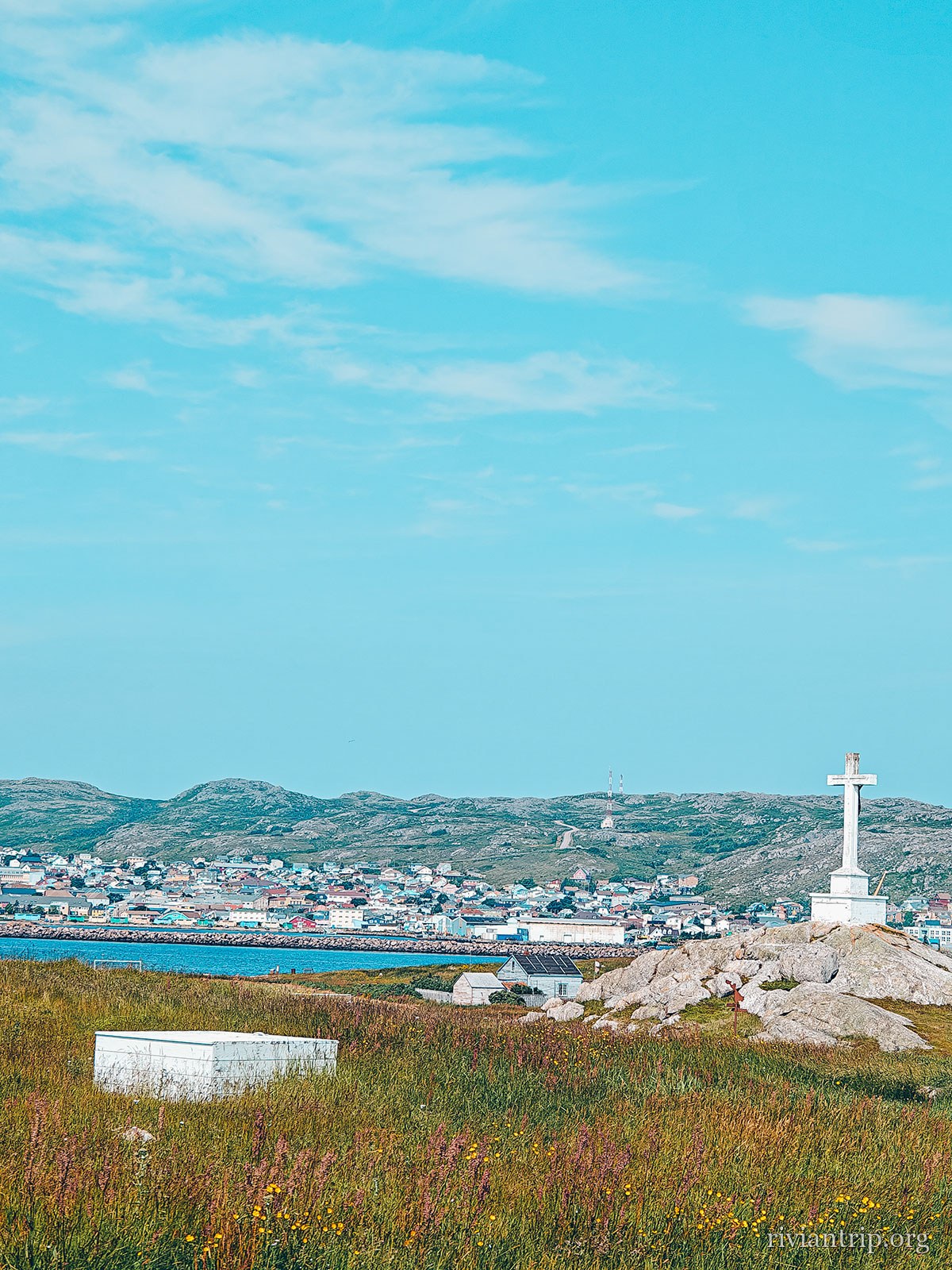
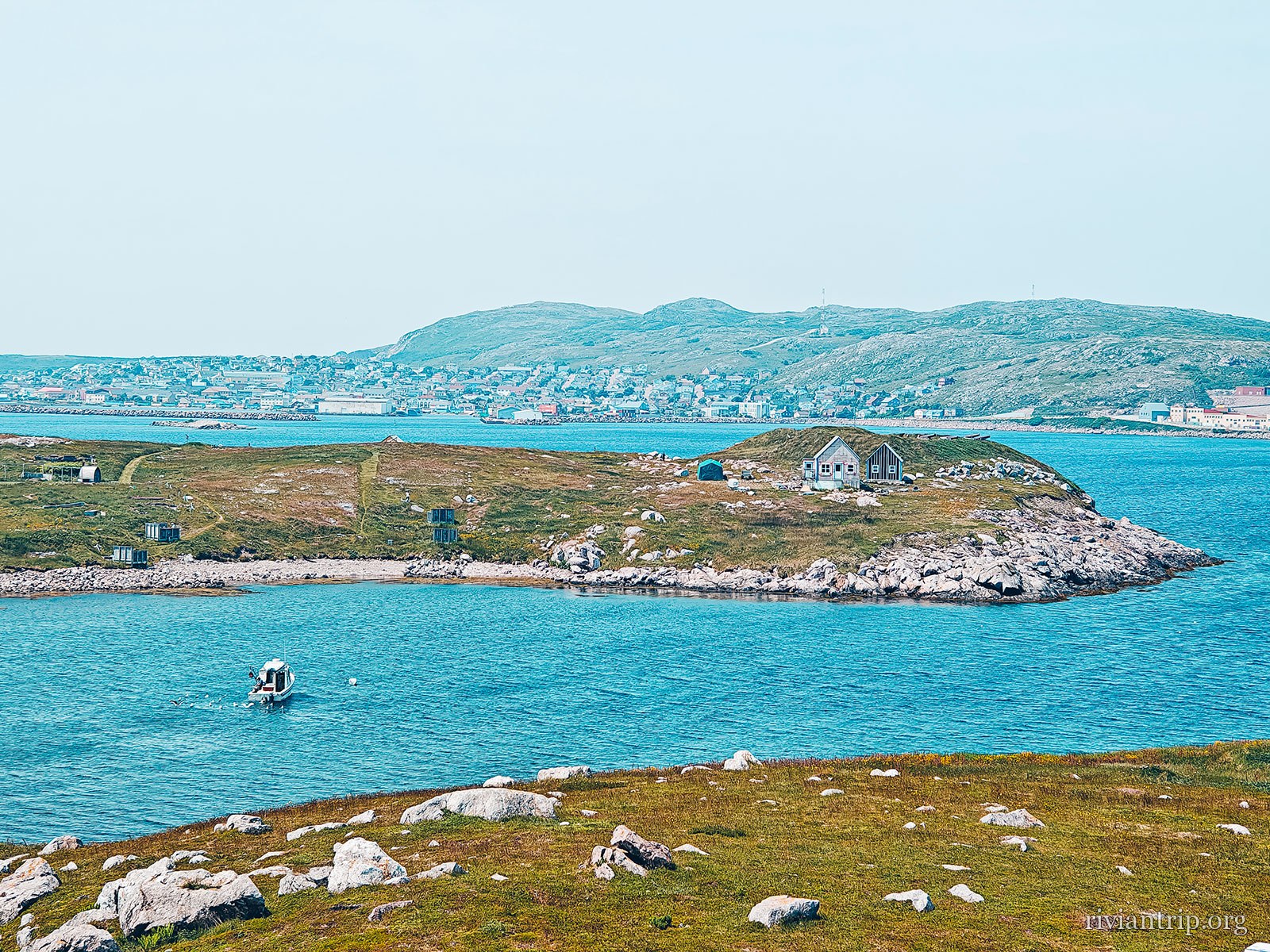
From the ferry, the islands appear little by little. Seen from the sea, Saint-Pierre reveals itself as a small town set on the edge of the Atlantic, with its coloured houses, its harbour and the hills that close off the horizon.Then we come ashore. And something changes.
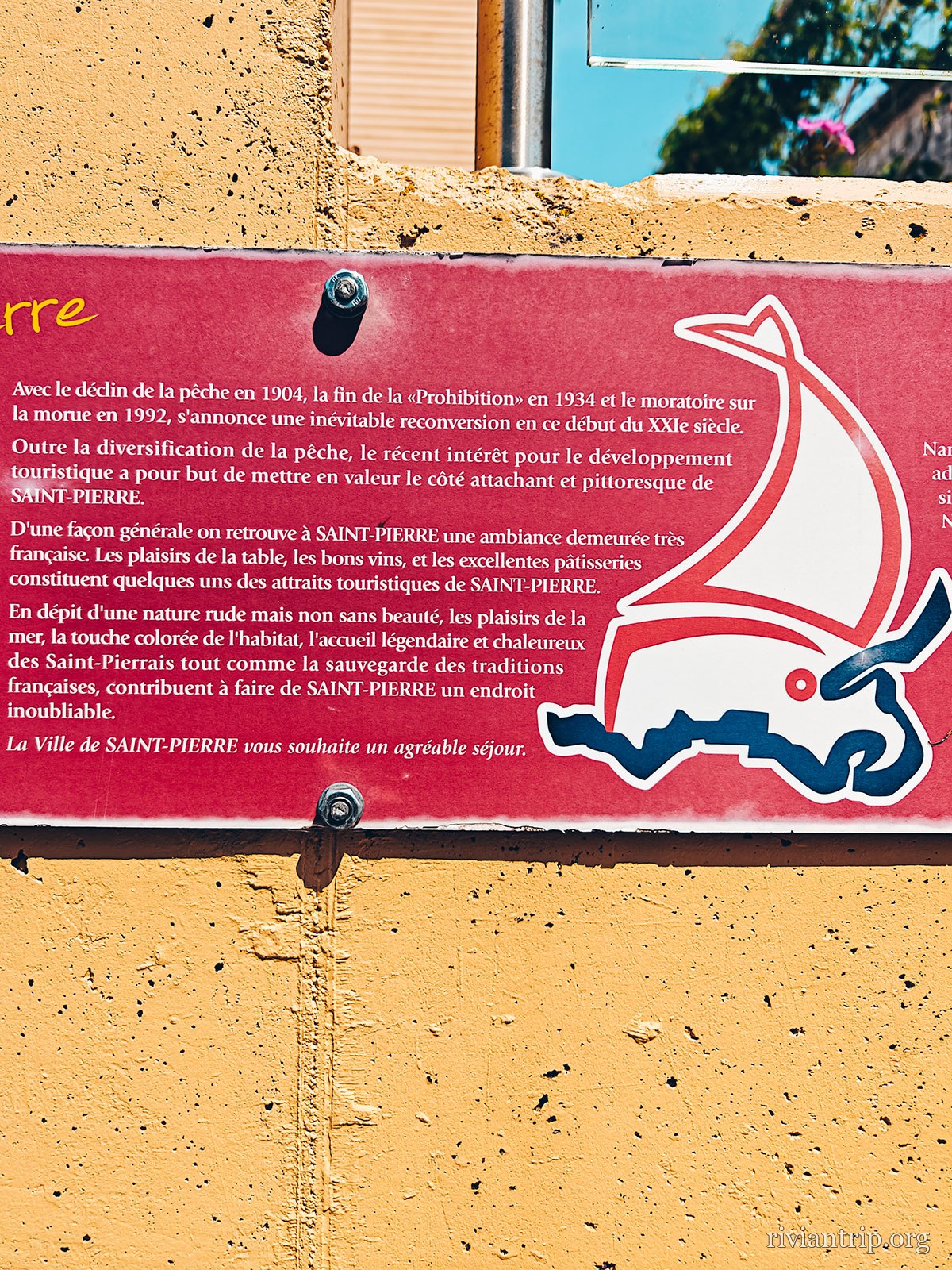
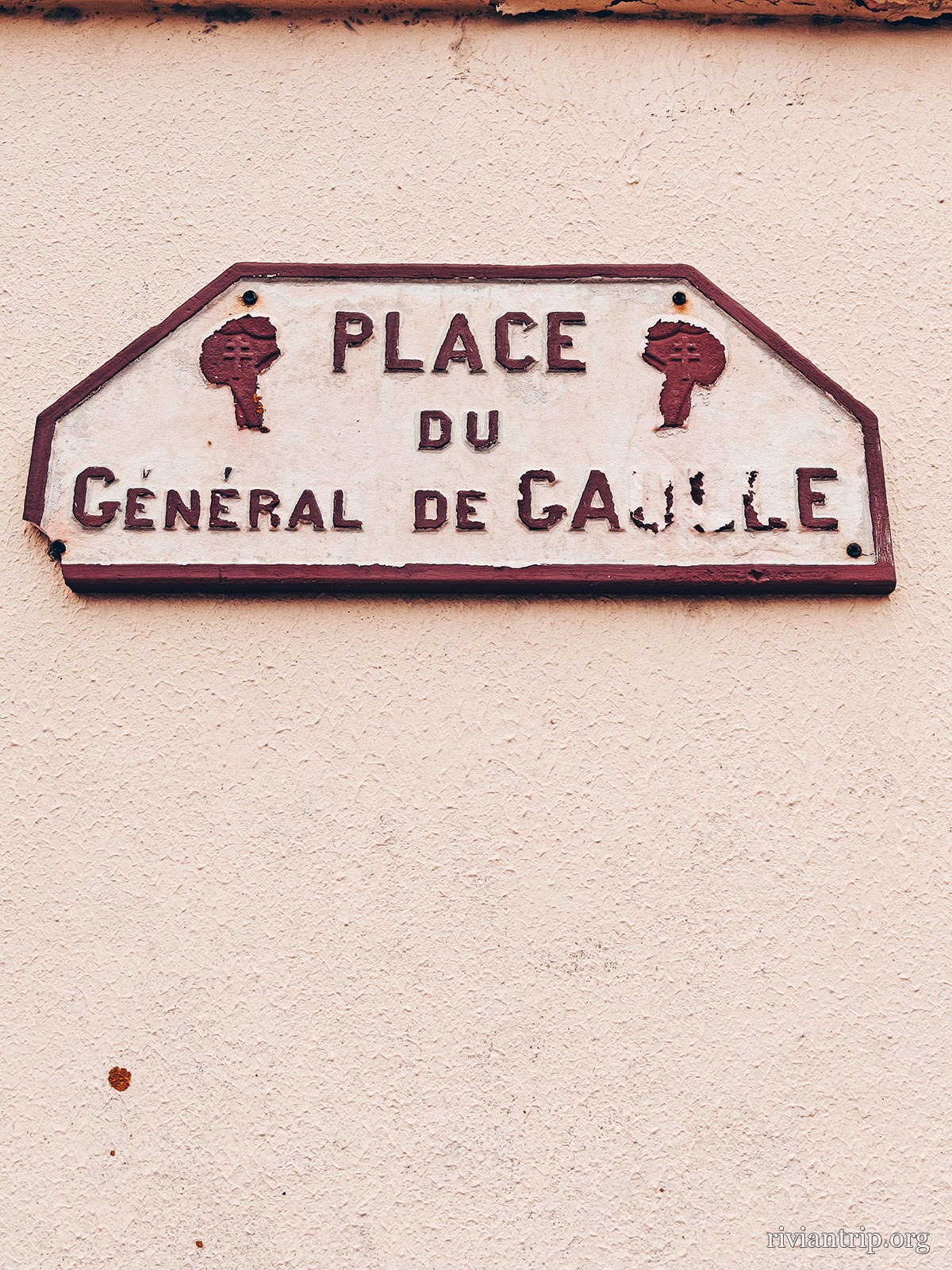
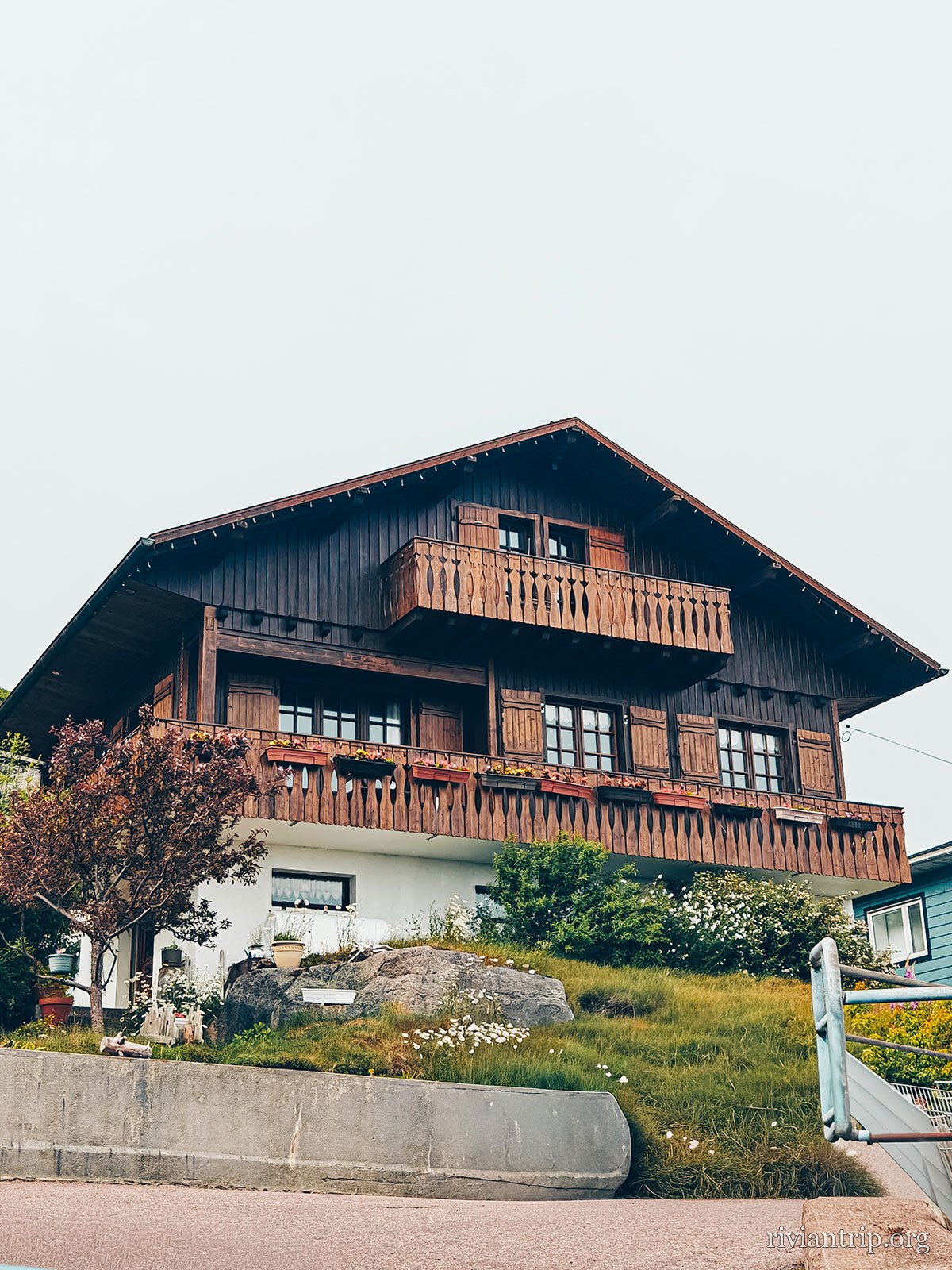
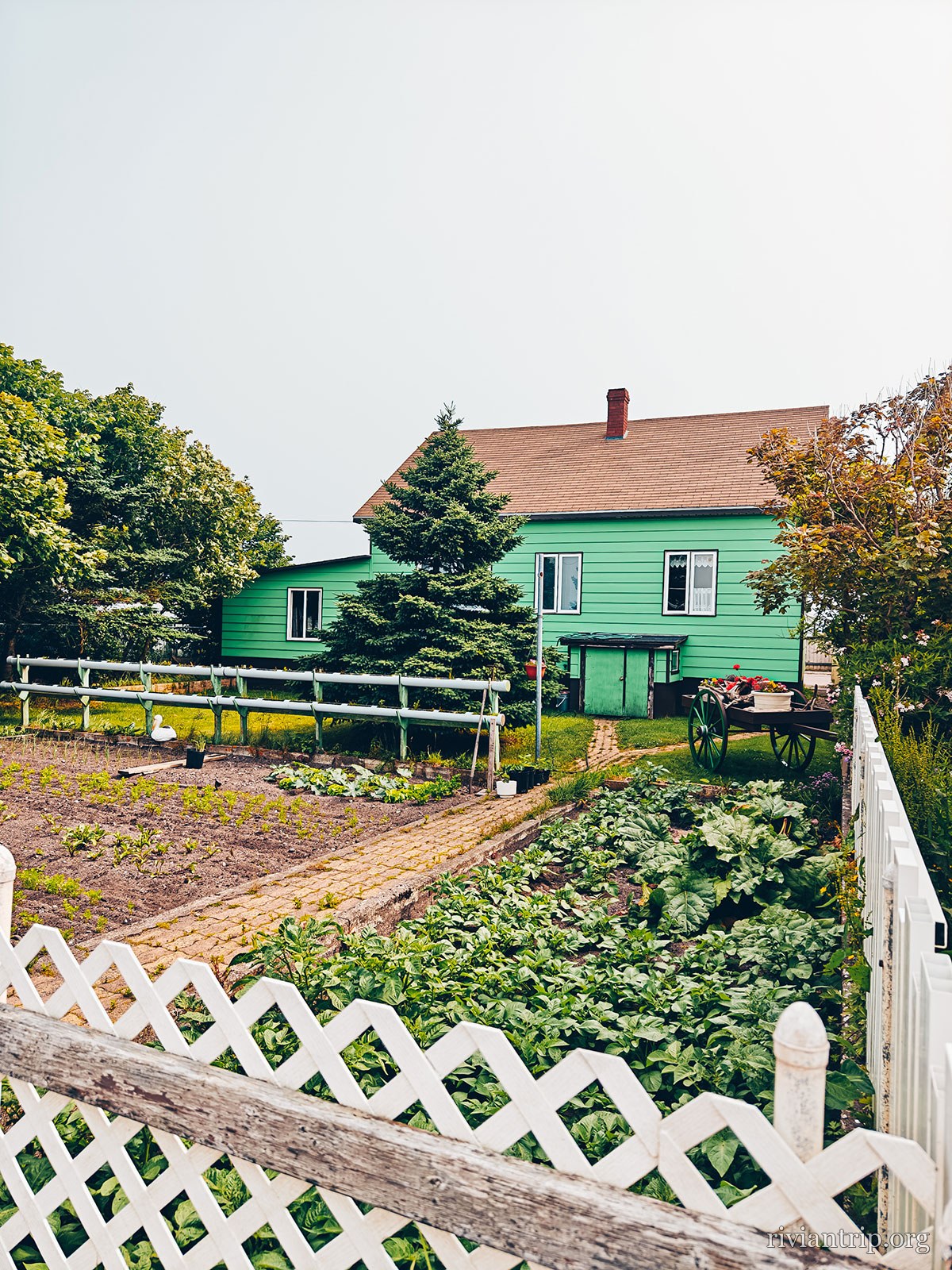
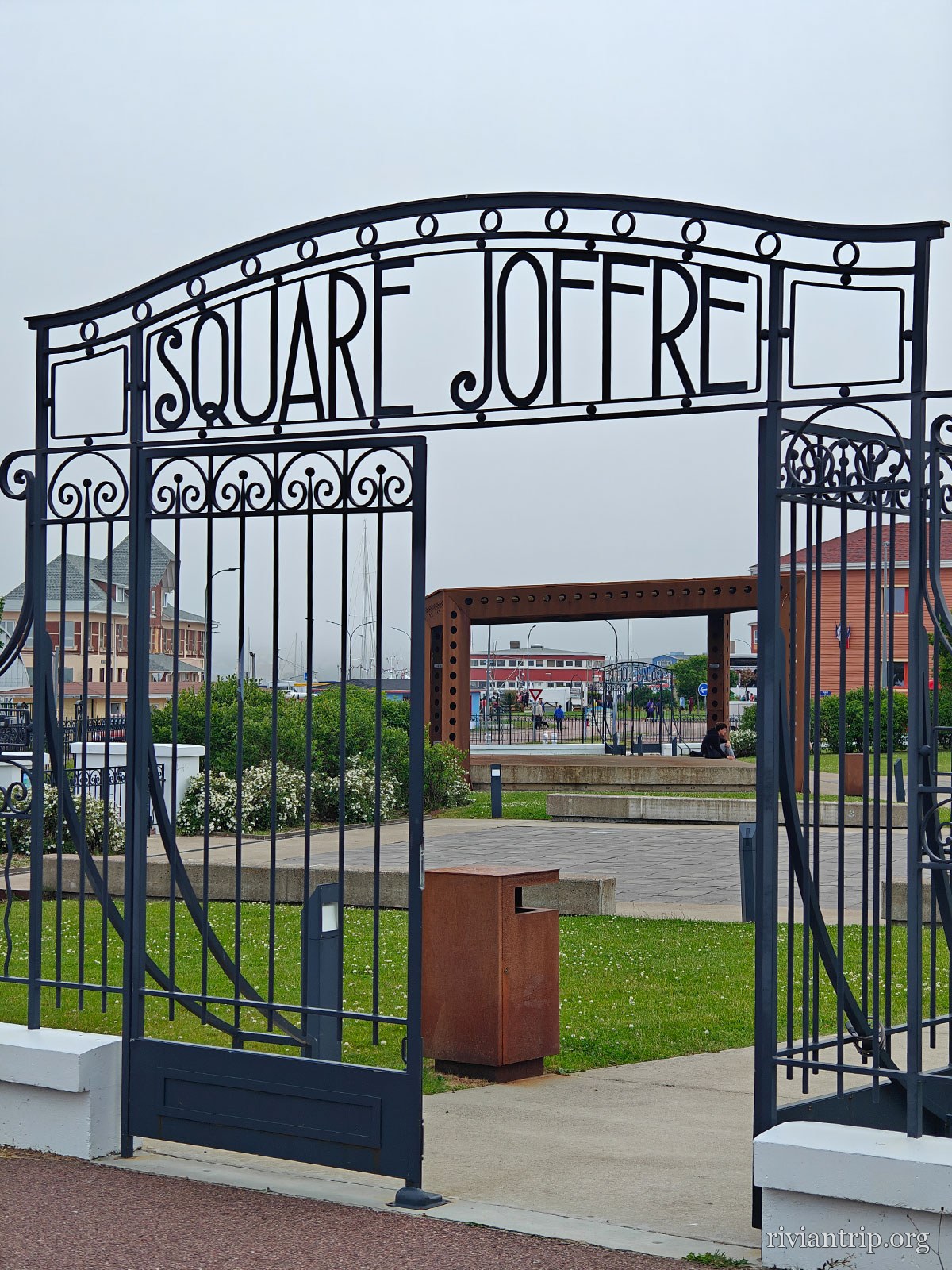
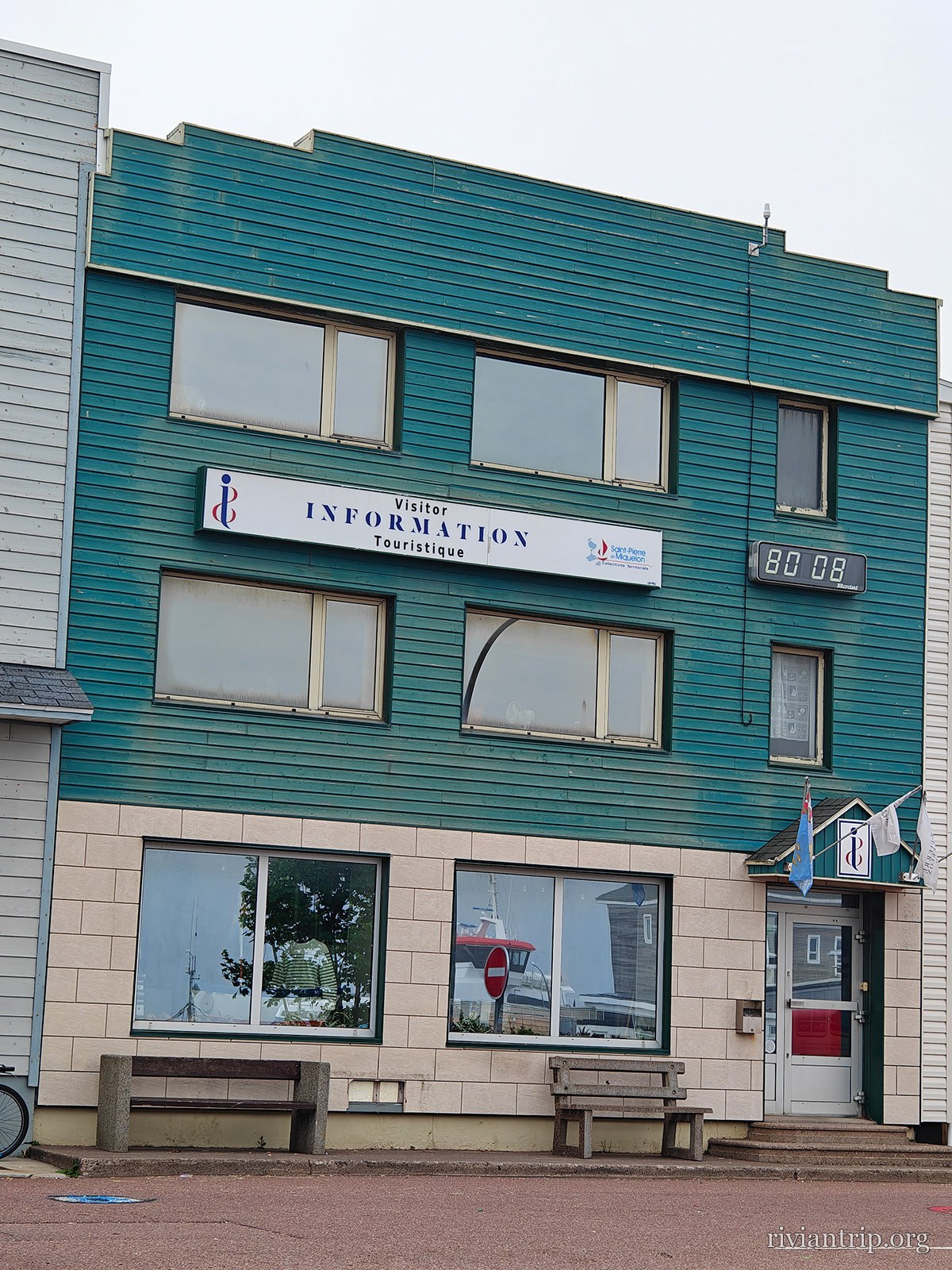
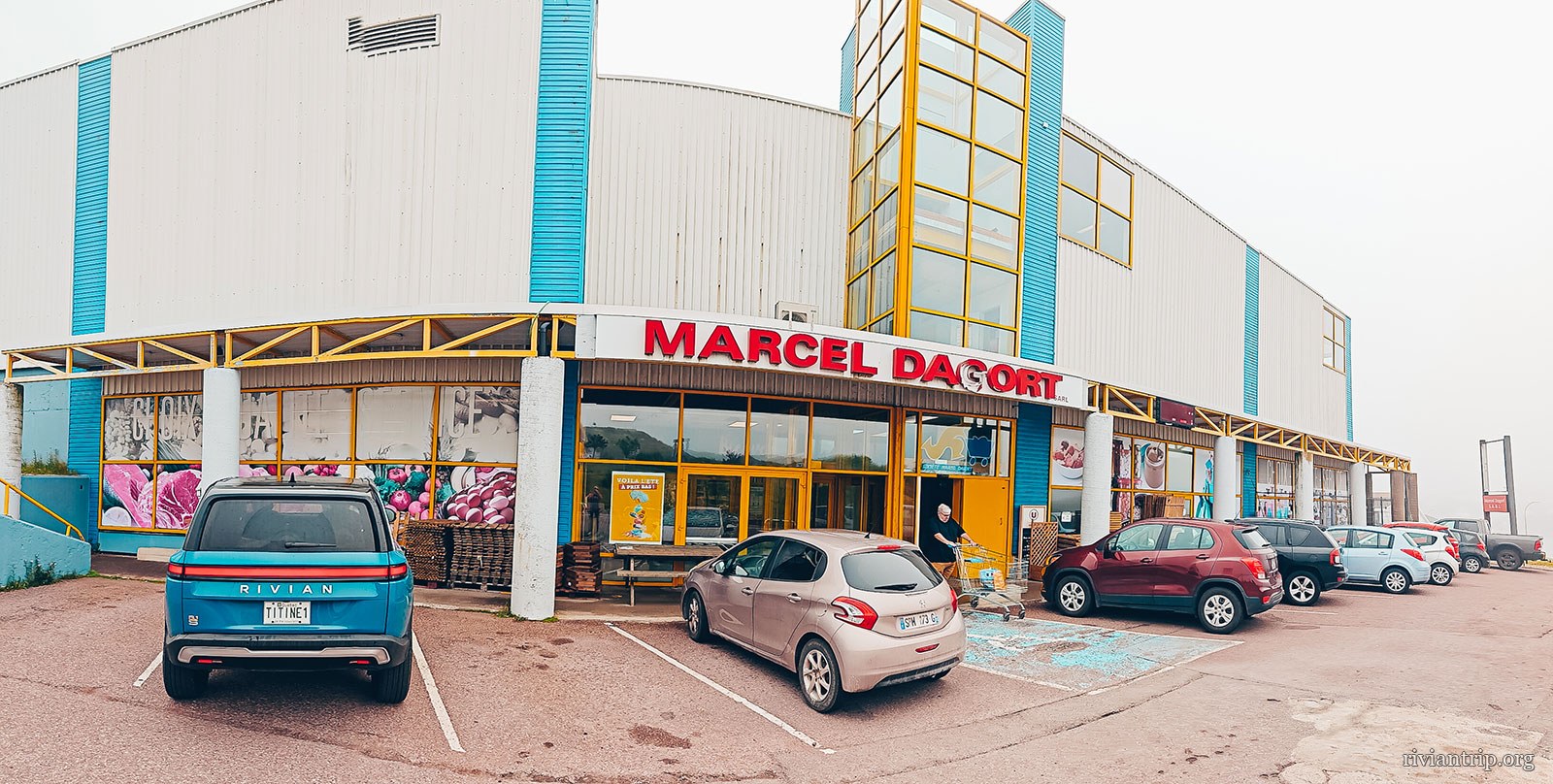
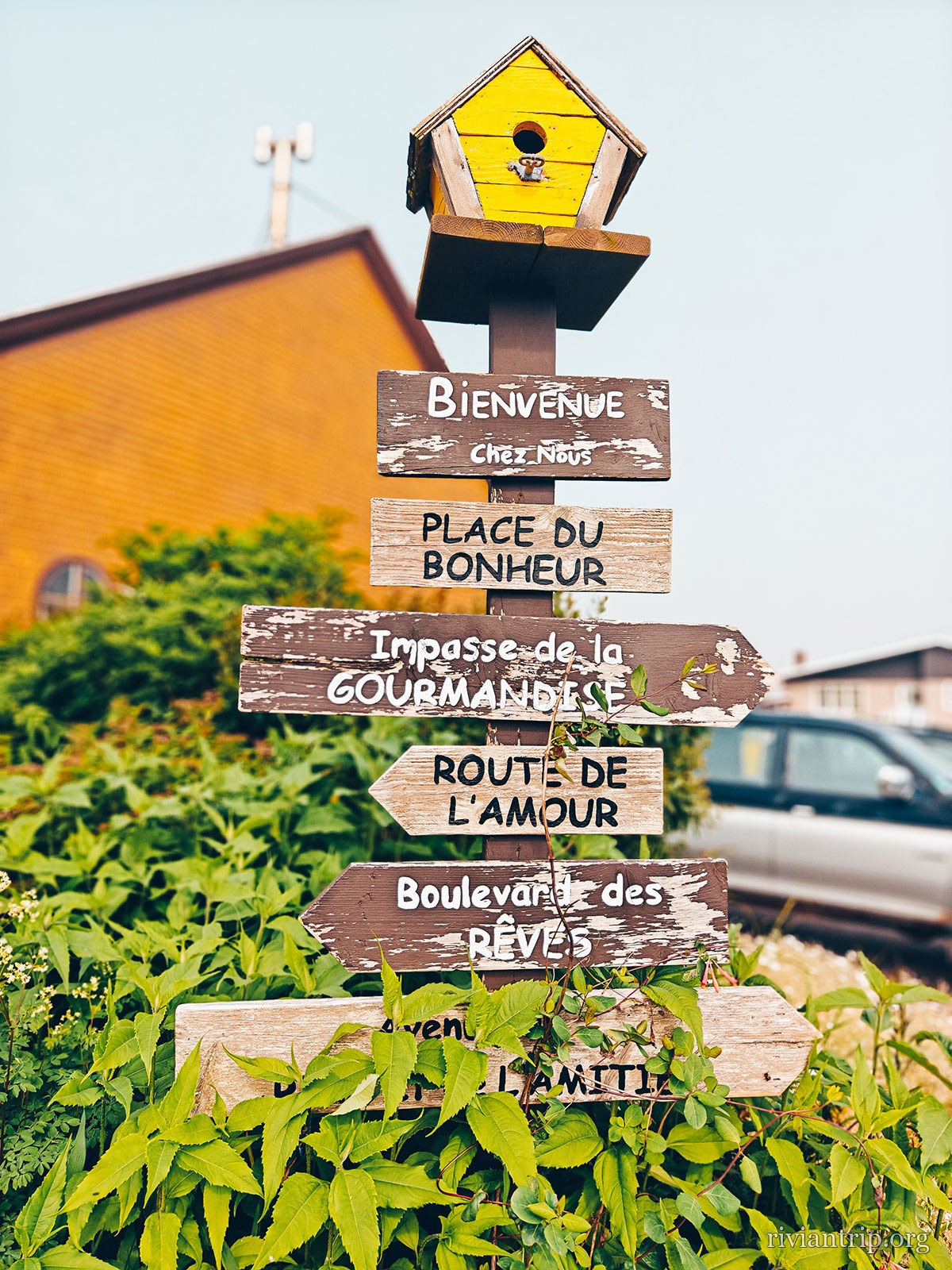
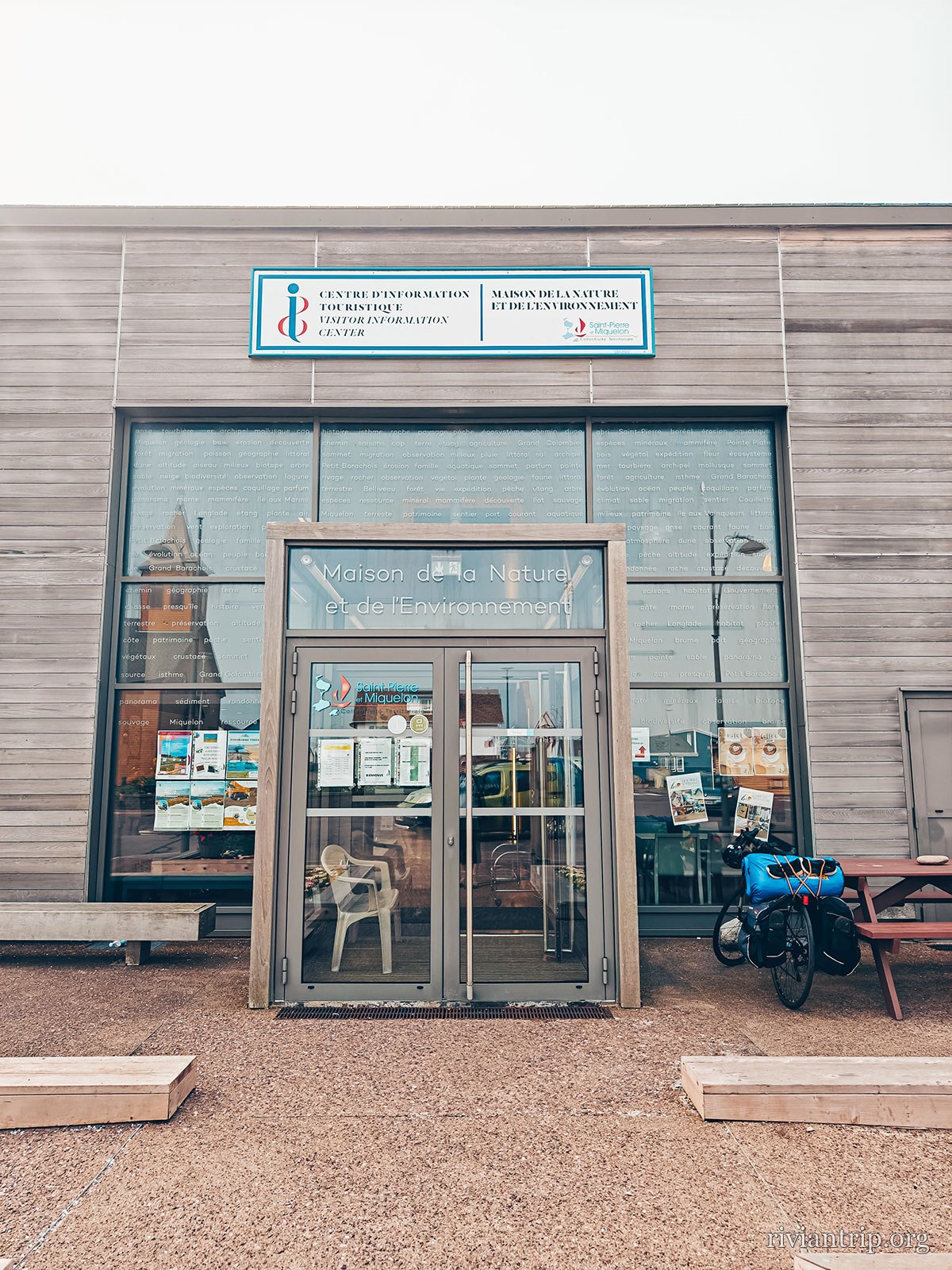
The signs are in French. The houses have a familiar architecture, with their coloured fronts, their shutters and their roofs built for the Atlantic winds. The street names are French. The shops, the bakeries, the cars, the conversations… Yet everything around reminds us that we are at the far end of North America.
For two French natives now living in Quebec, the feeling is strange. We are still in Canada, geographically almost next door to Newfoundland, yet it feels as though we have crossed a far bigger border. It feels as though we are back in France — but somewhere time seems to have stopped.
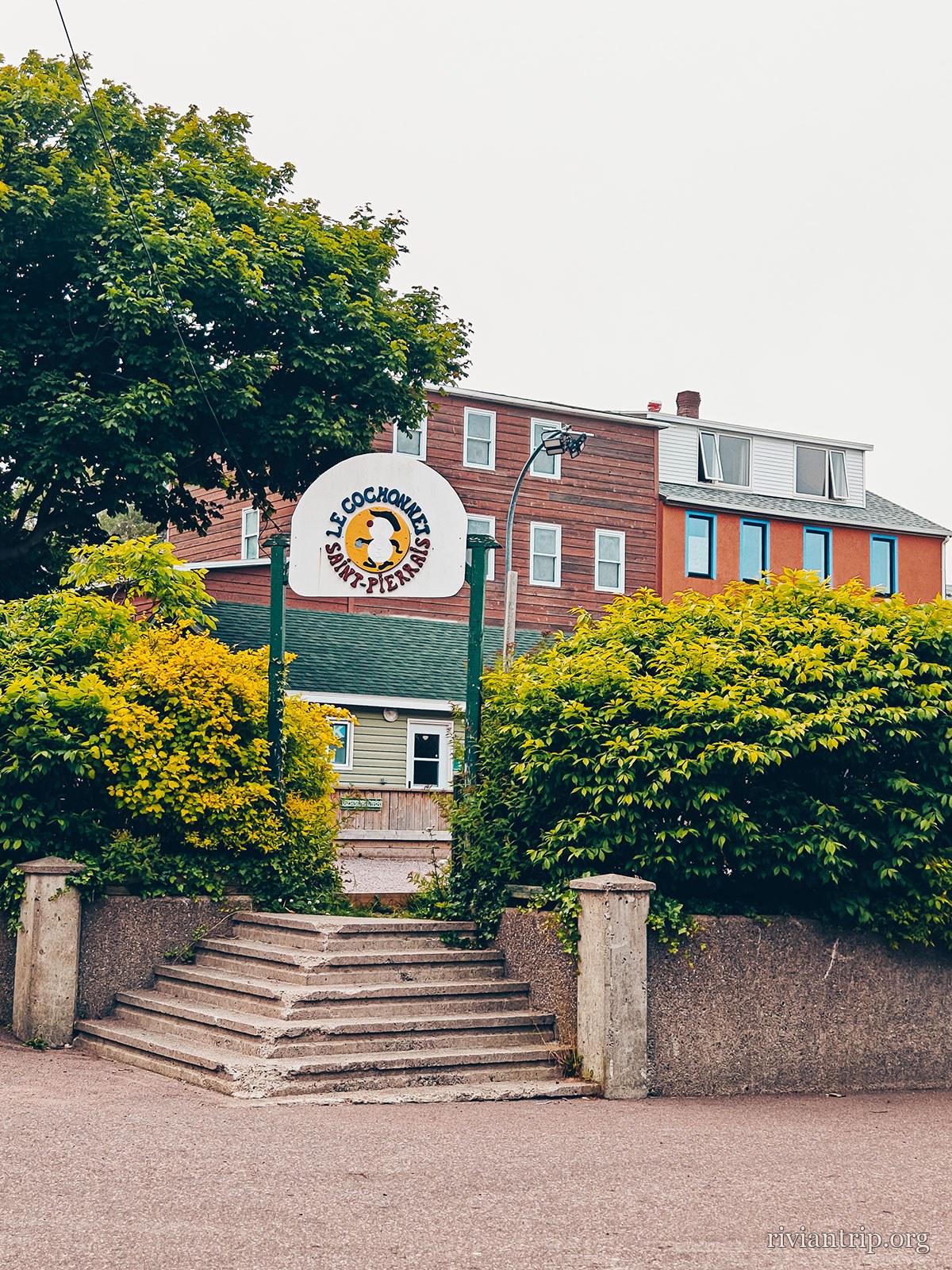
The streets are quiet, people get around by car, on foot or by bicycle, and the mood is relaxed. We wander the streets, discovering the local shops, the cafés and the restaurants. The blend of French and North American culture makes for a unique atmosphere, where you can feel both the familiar and the exotic at once.
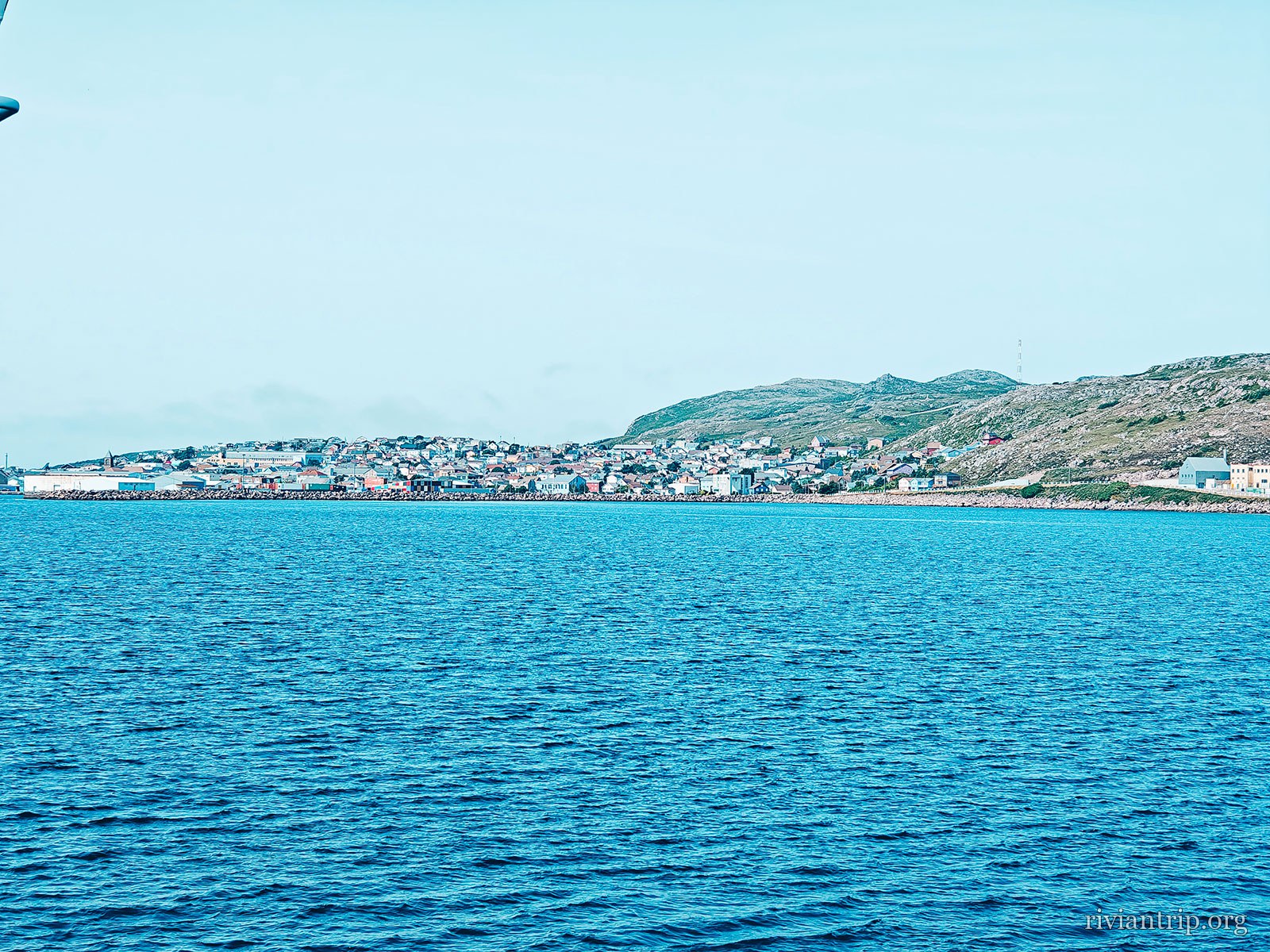
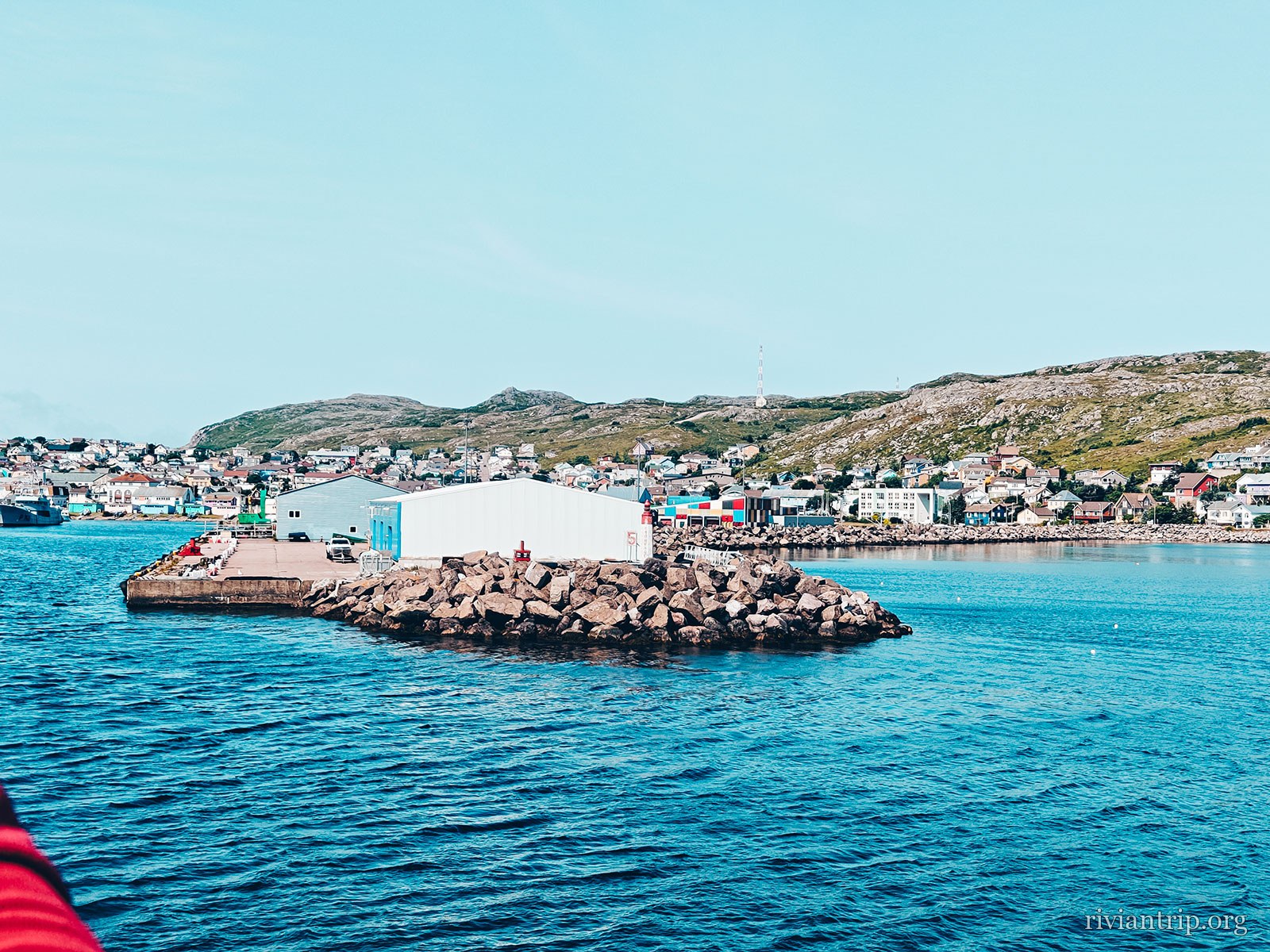
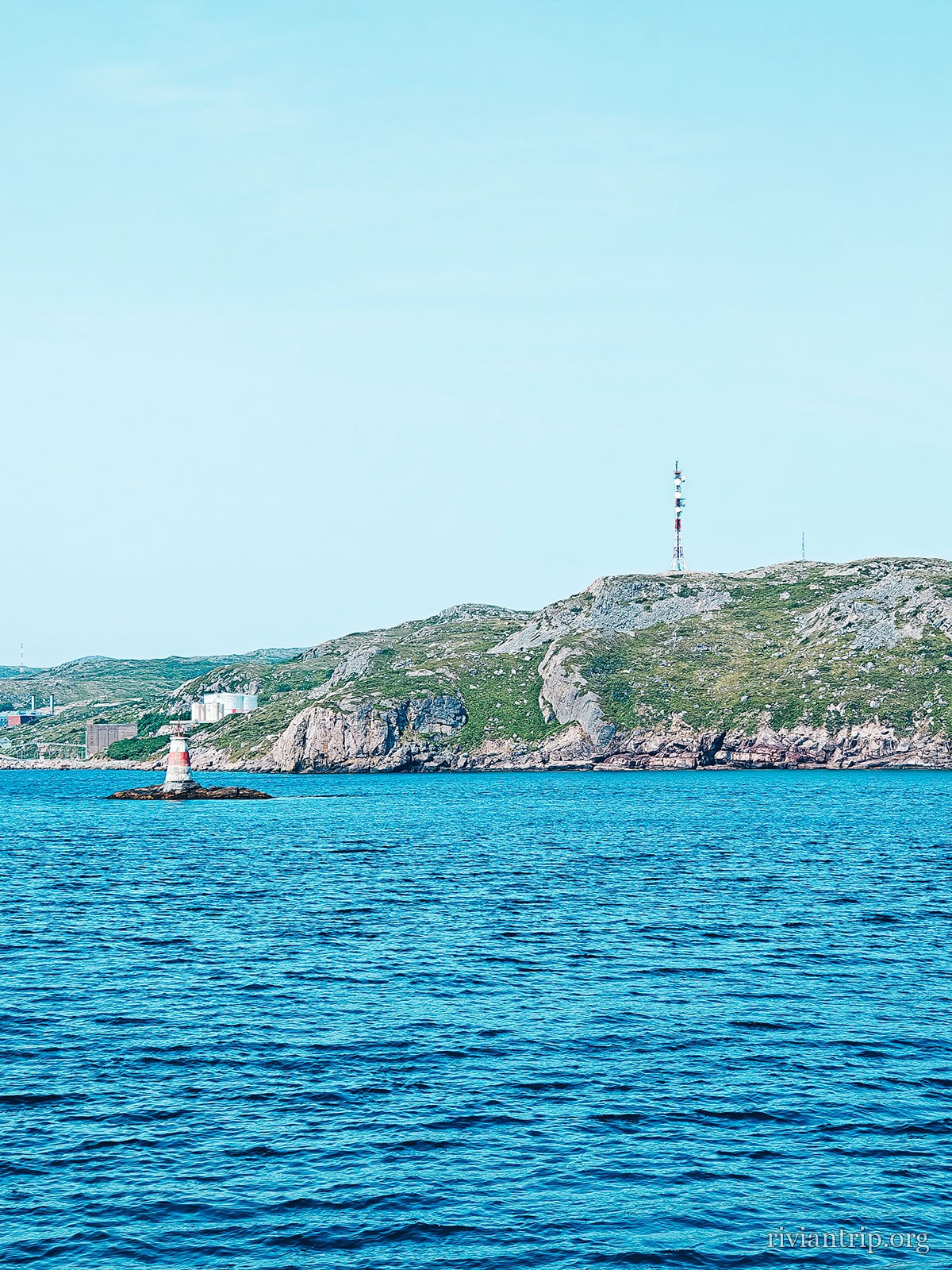
From the sea
Saint-Pierre reveals itself: coloured houses, a harbour, and the hills that close off the horizon.
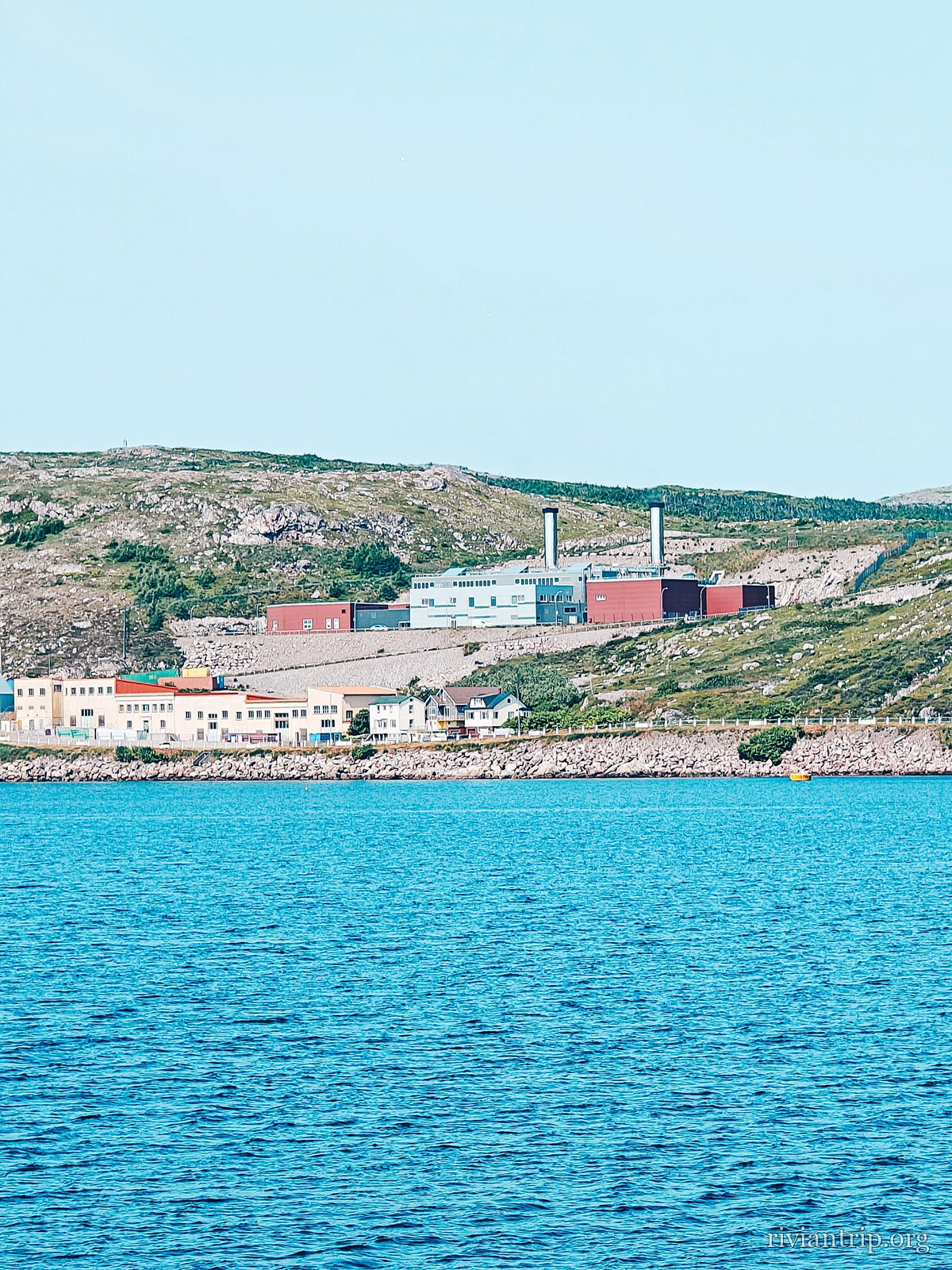
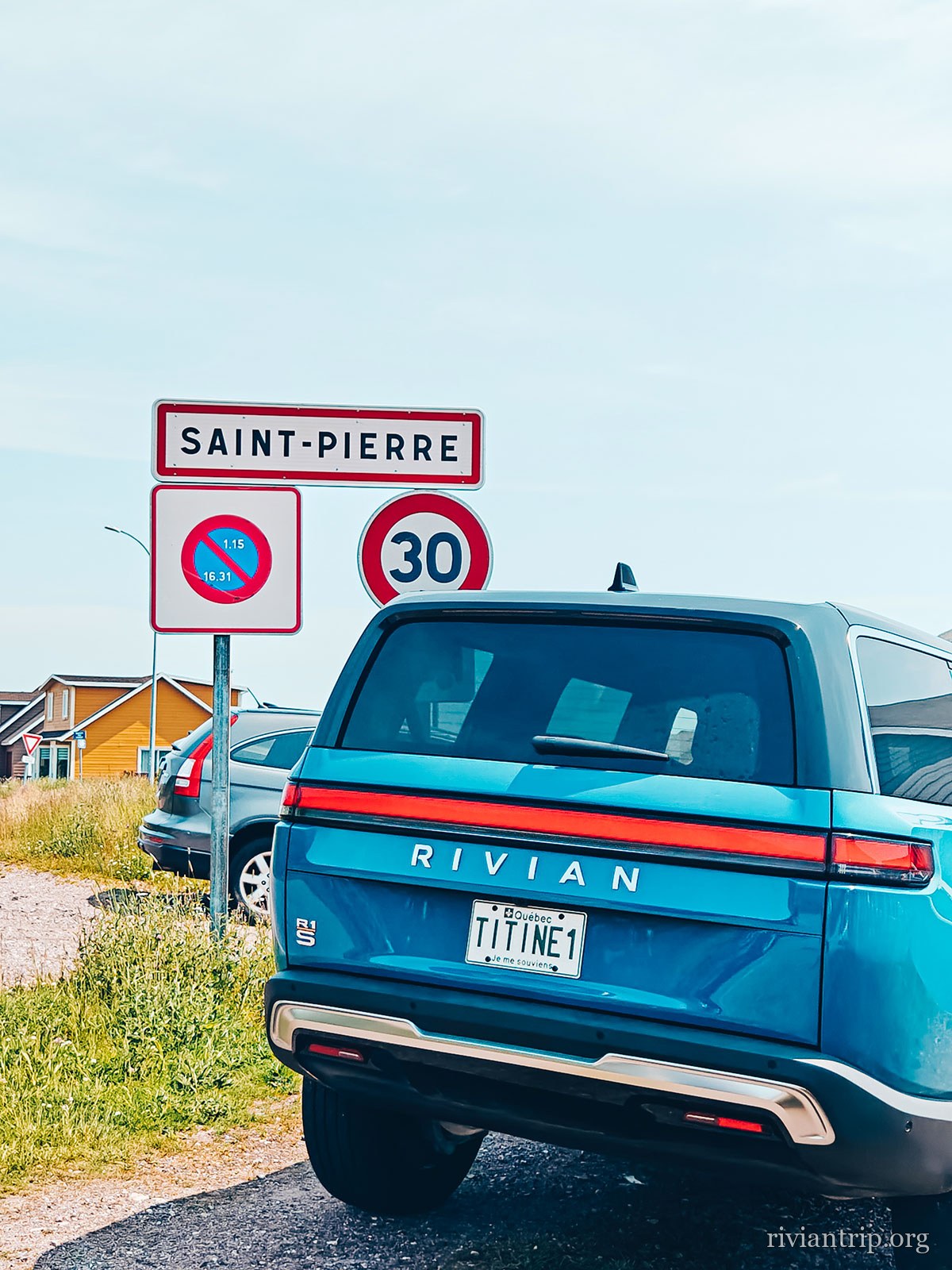
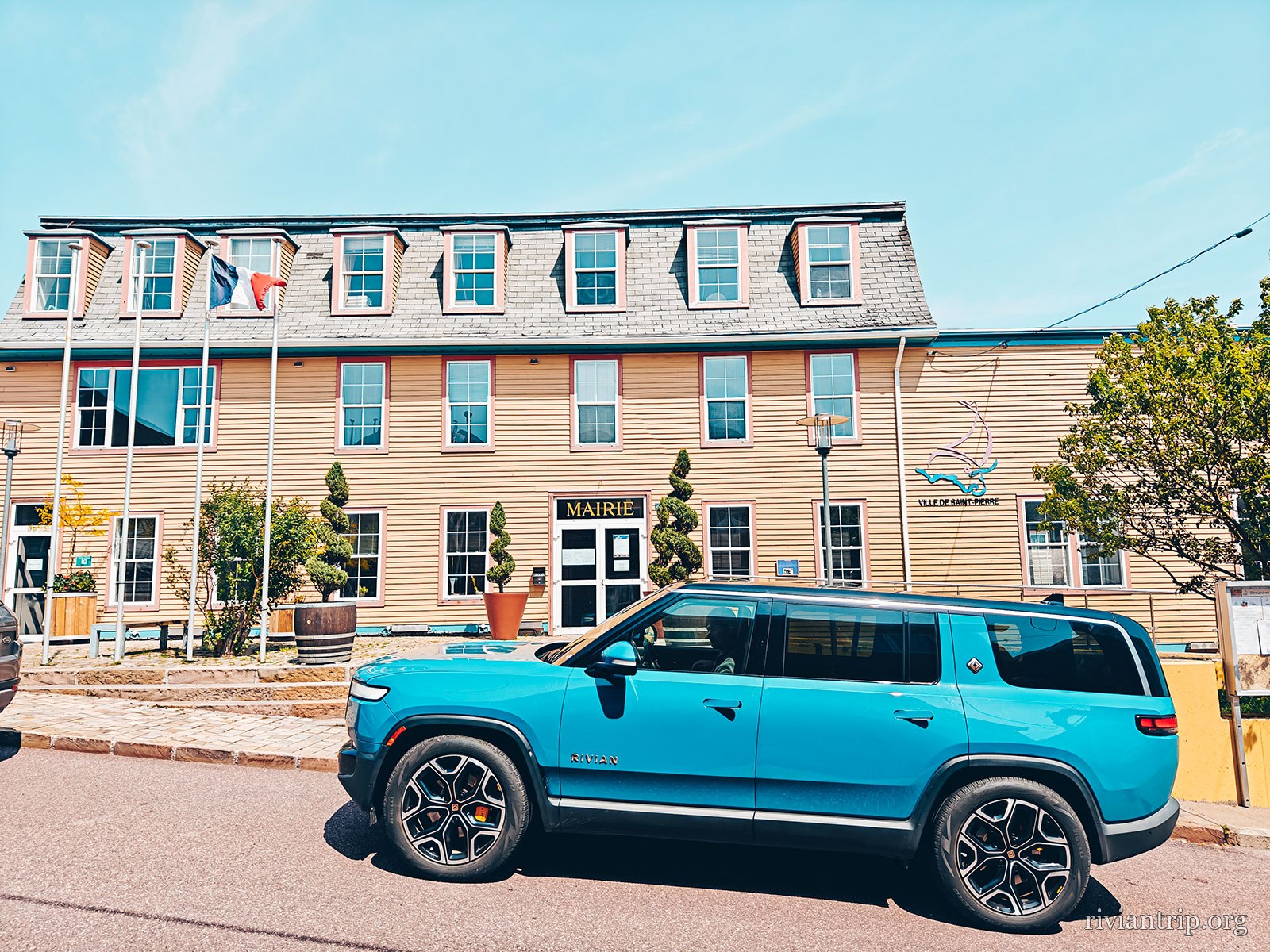
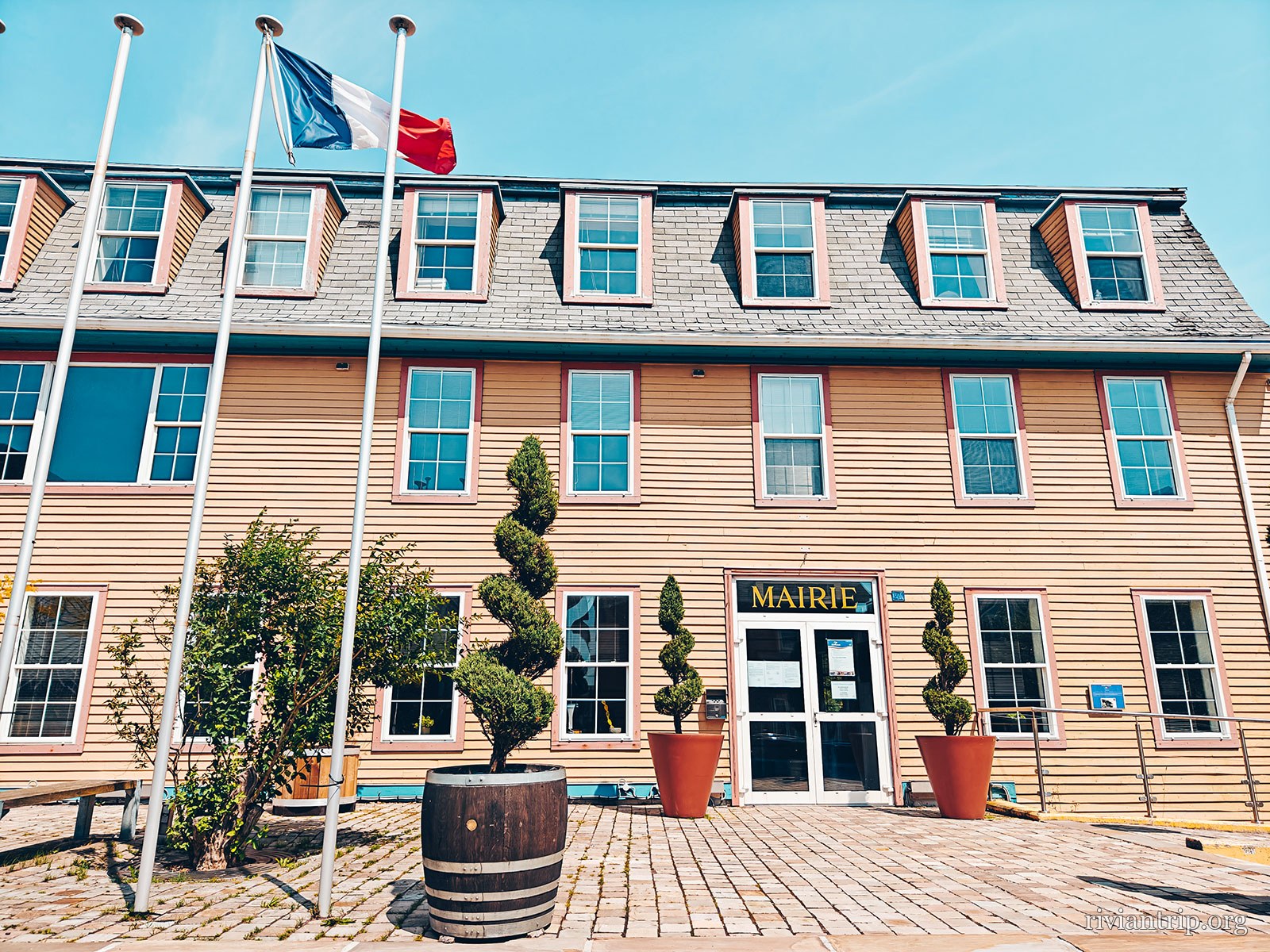
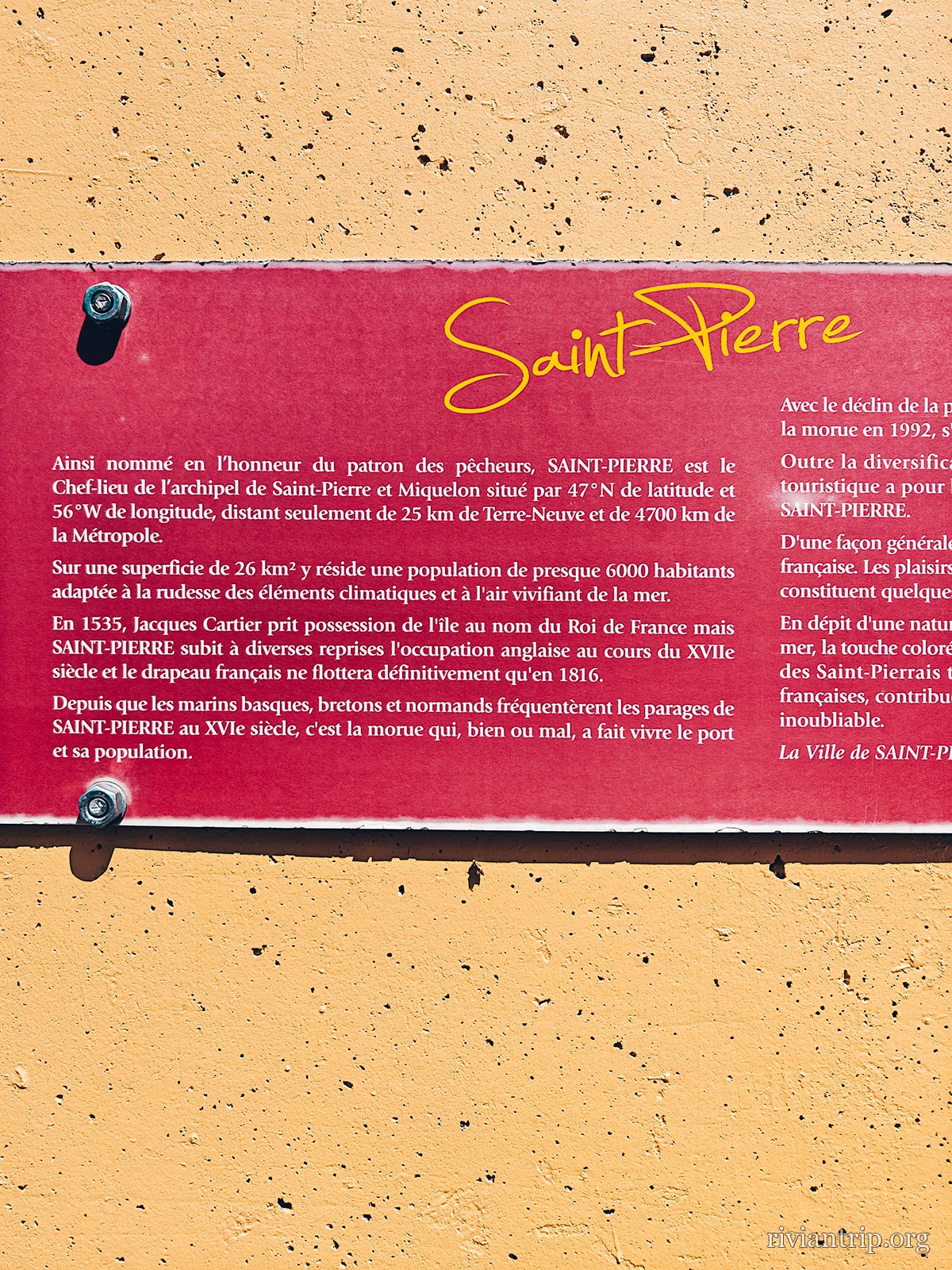
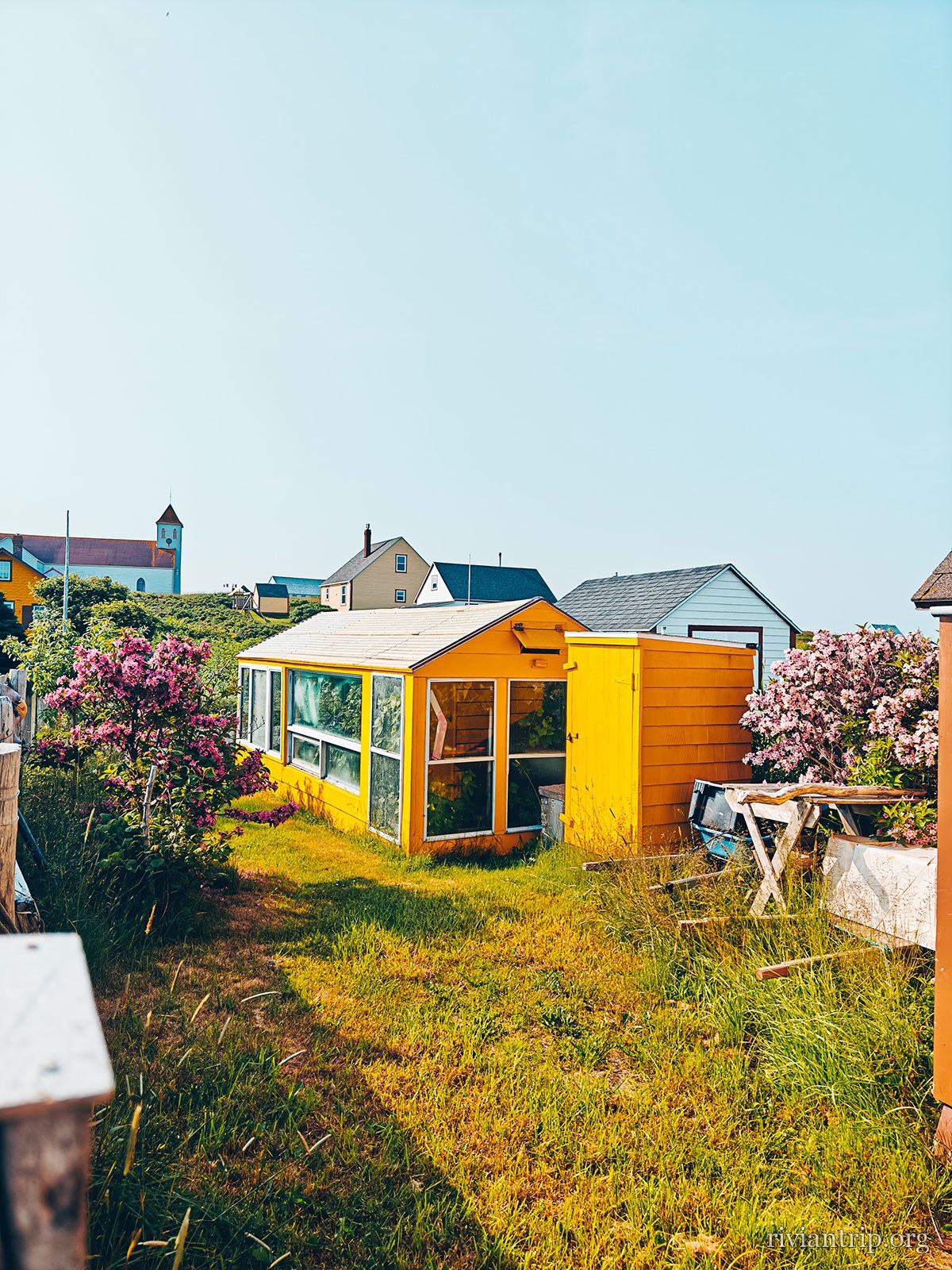
A touch of France
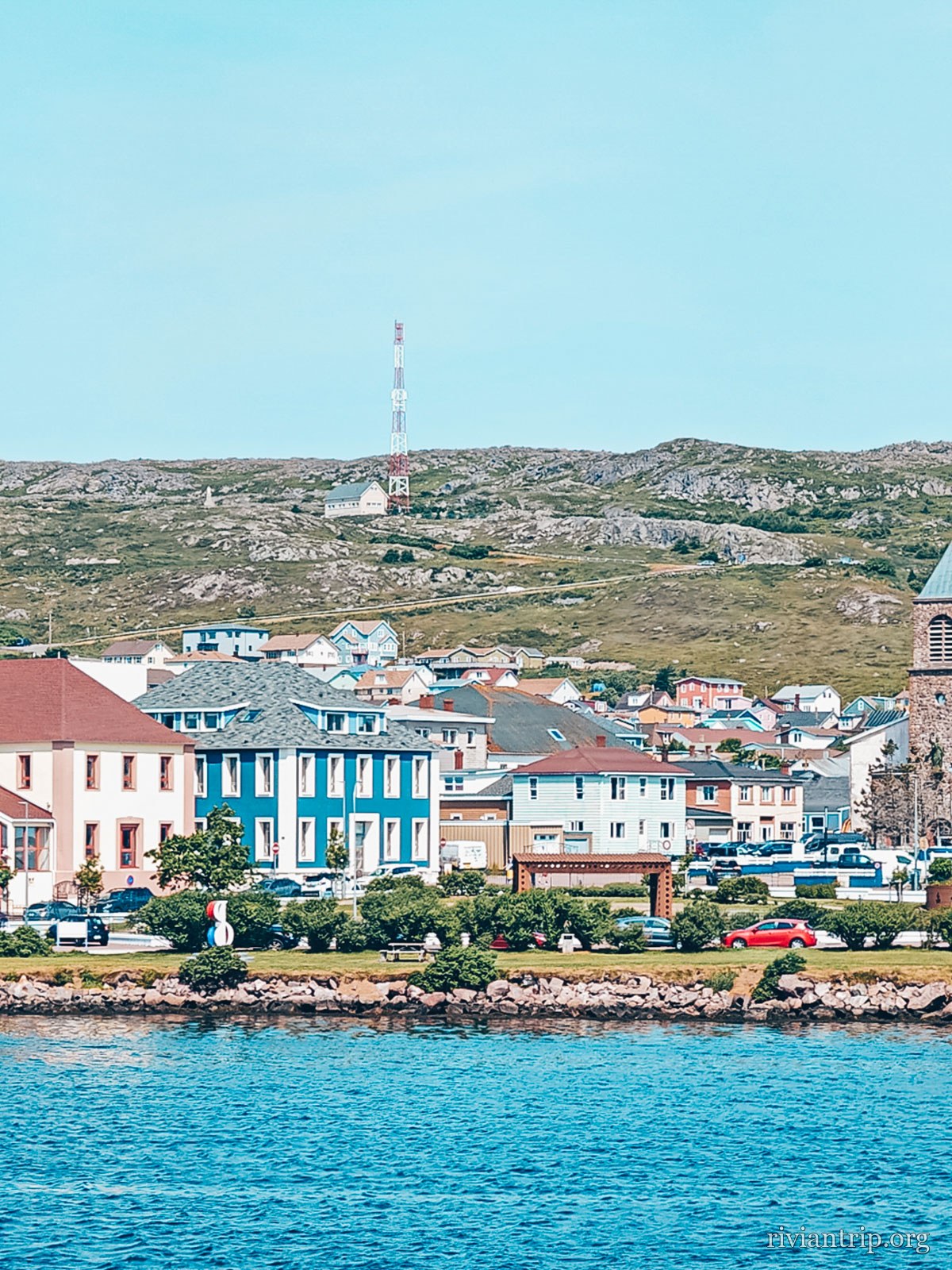
Coloured fronts, shutters and roofs built for the Atlantic winds.
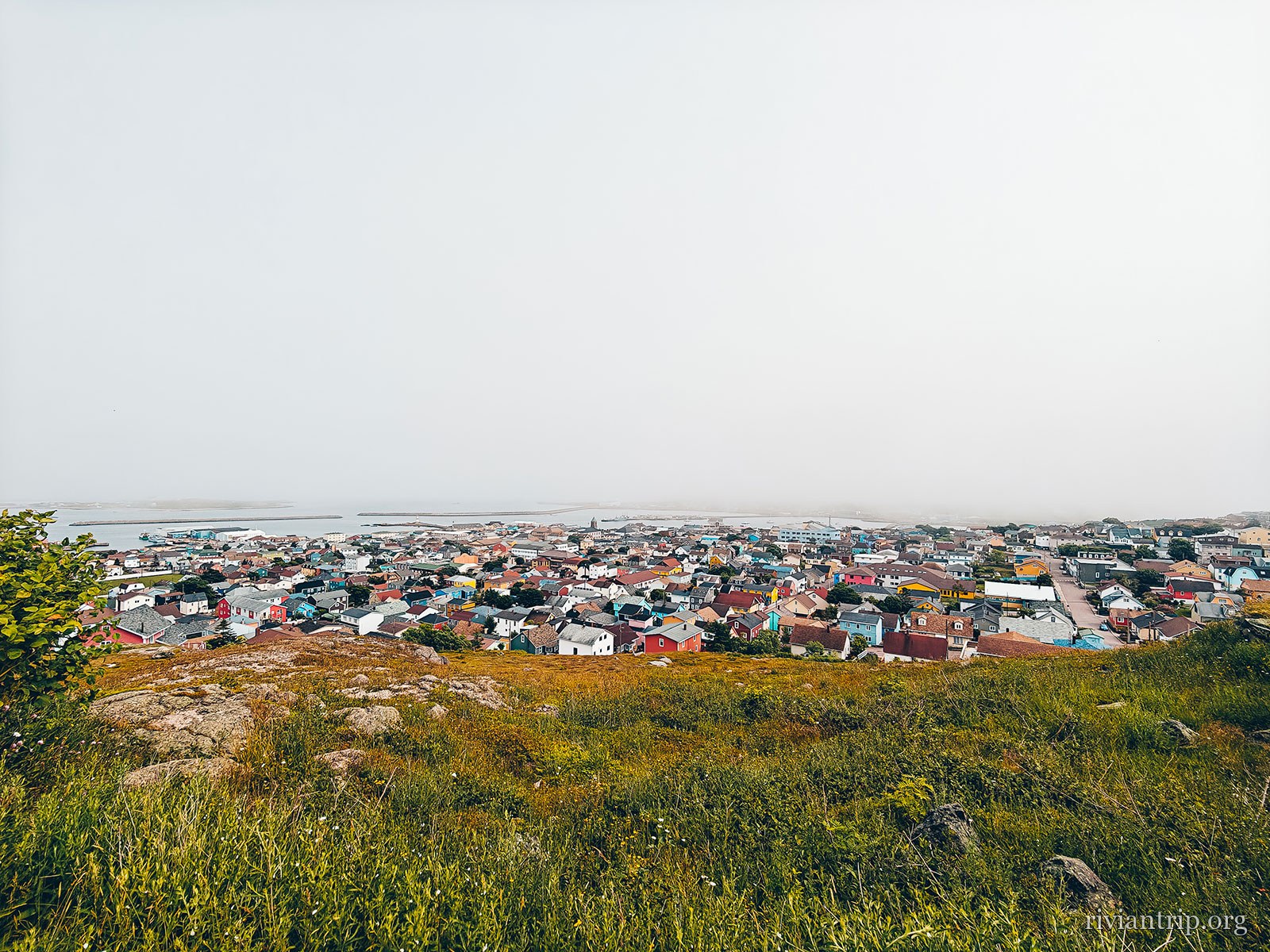
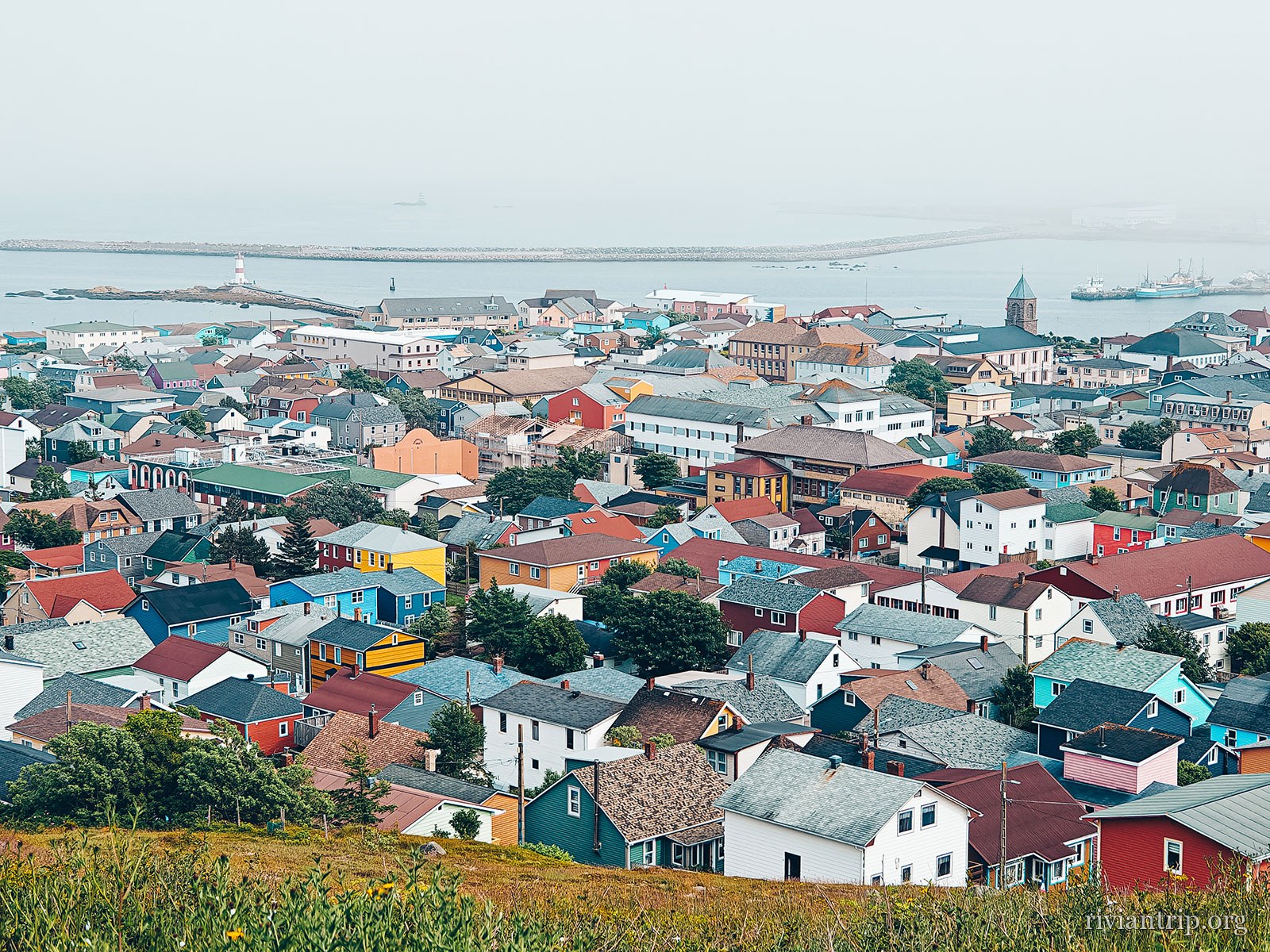
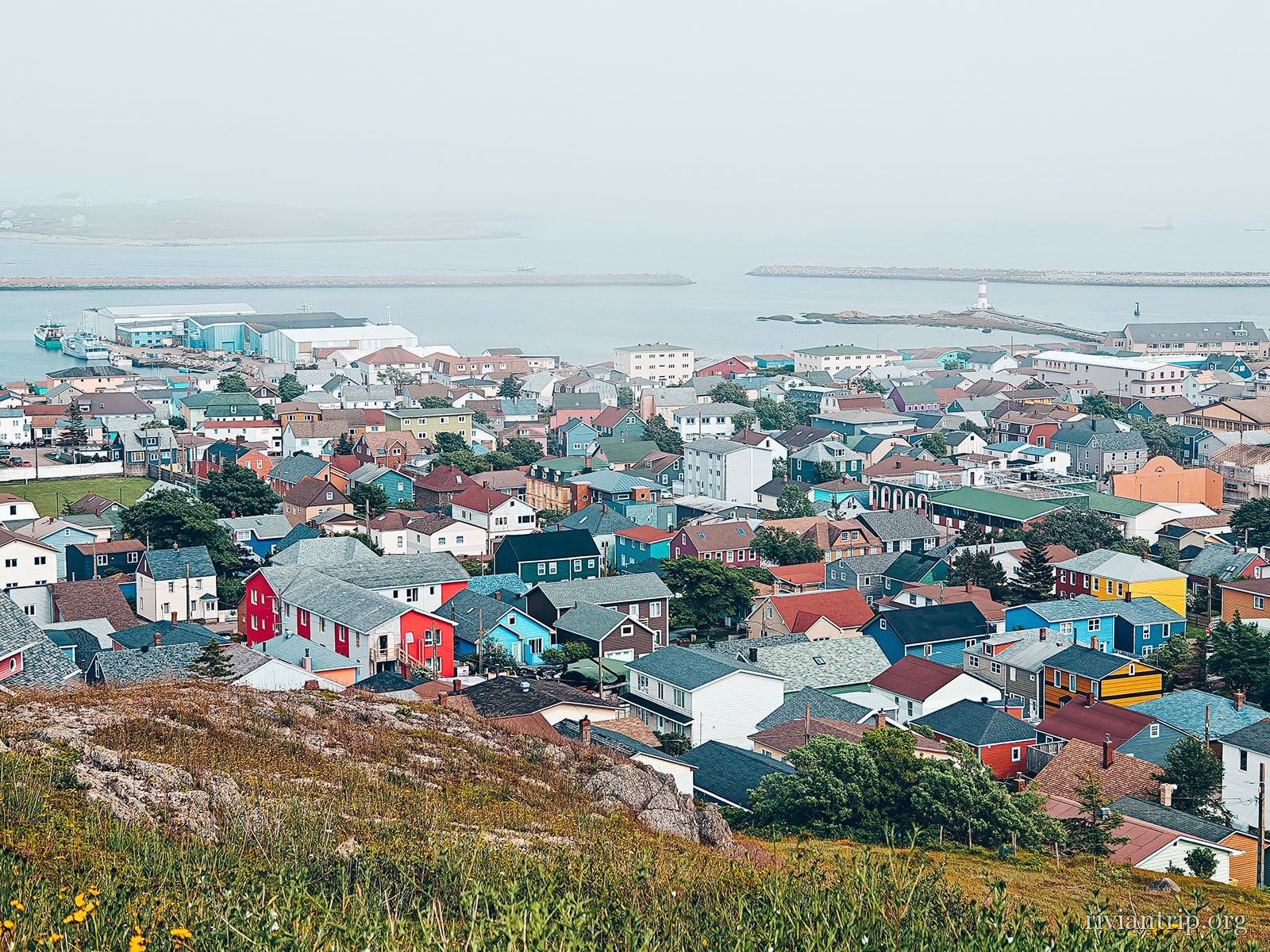
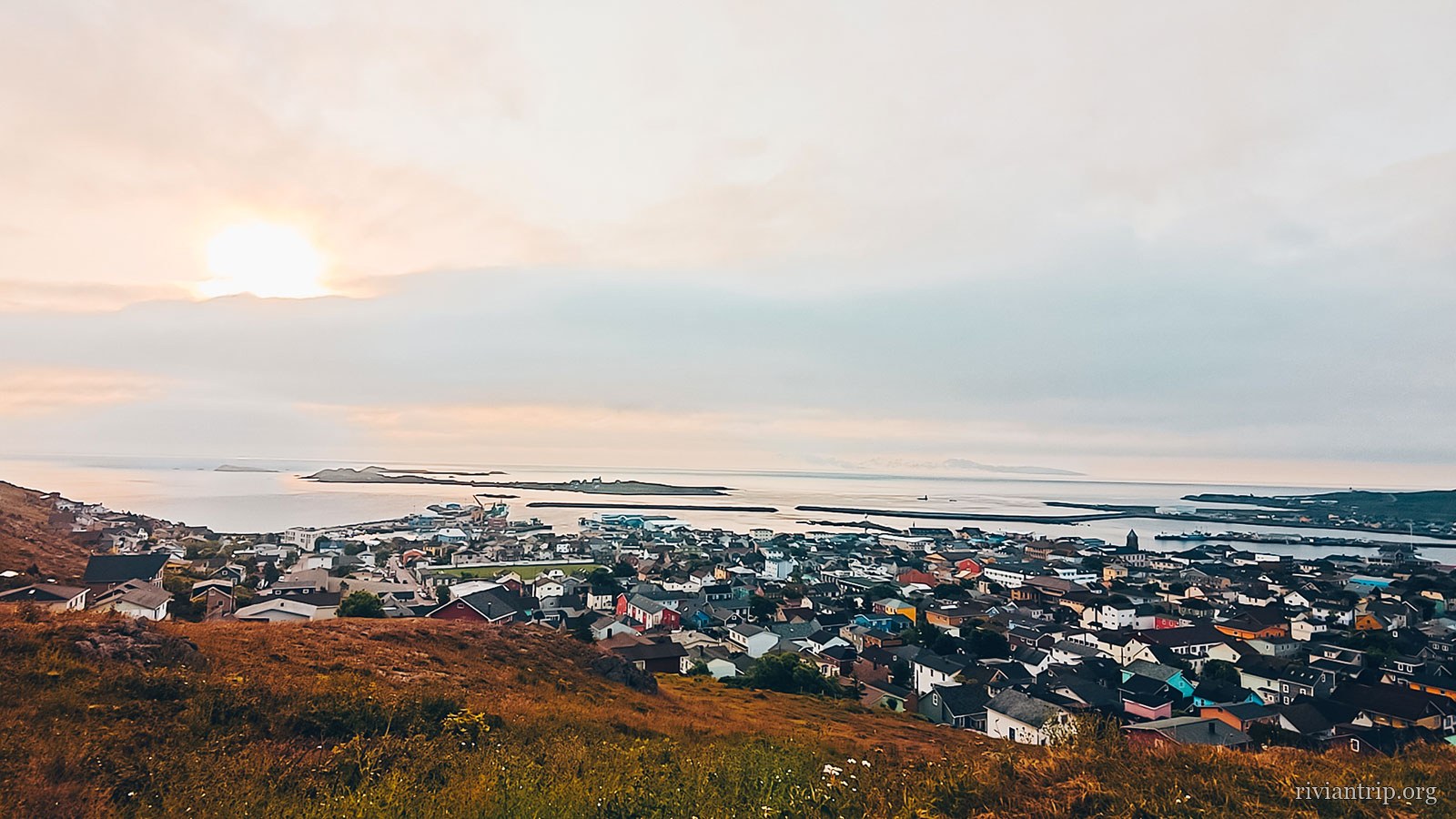
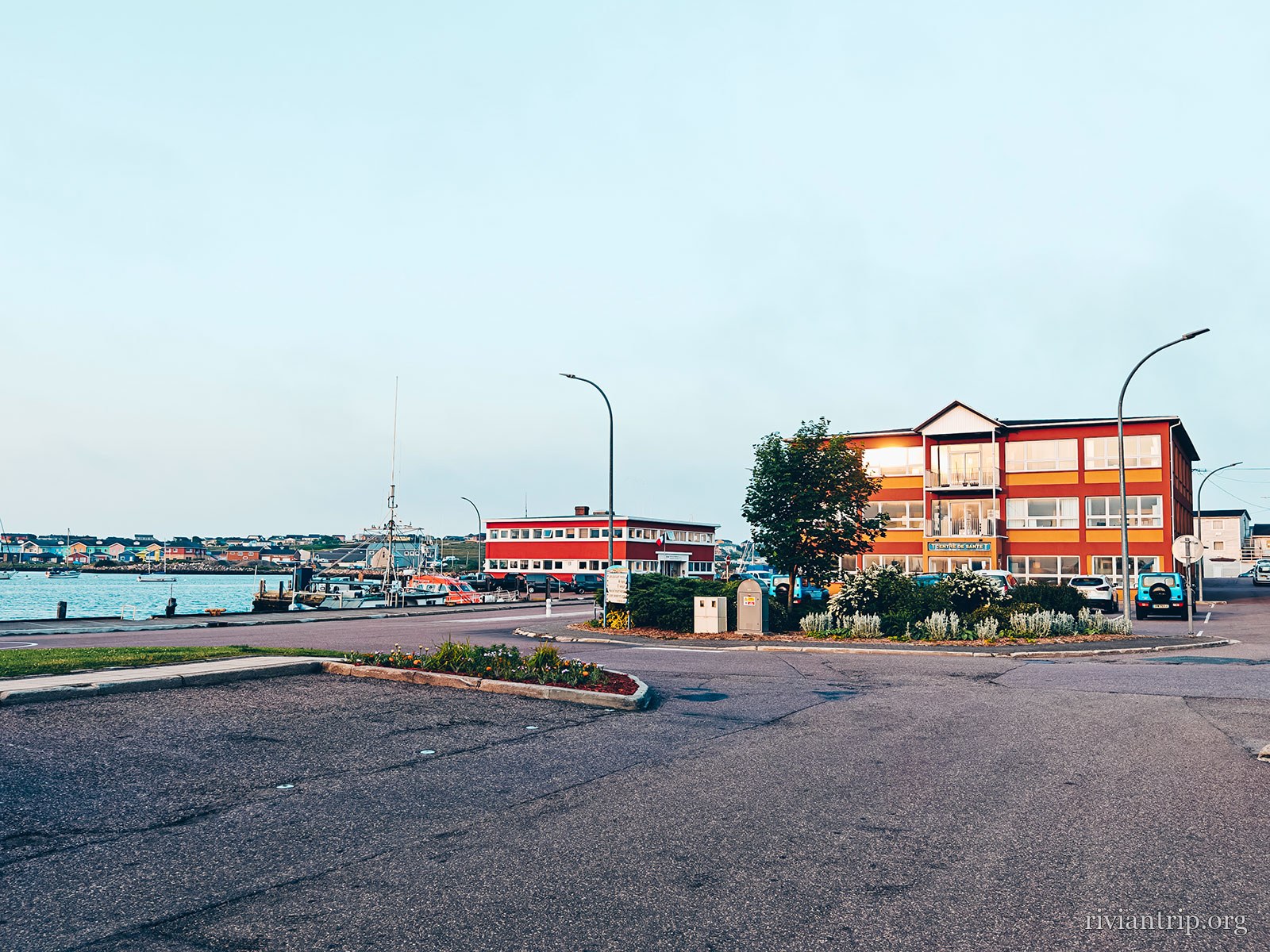
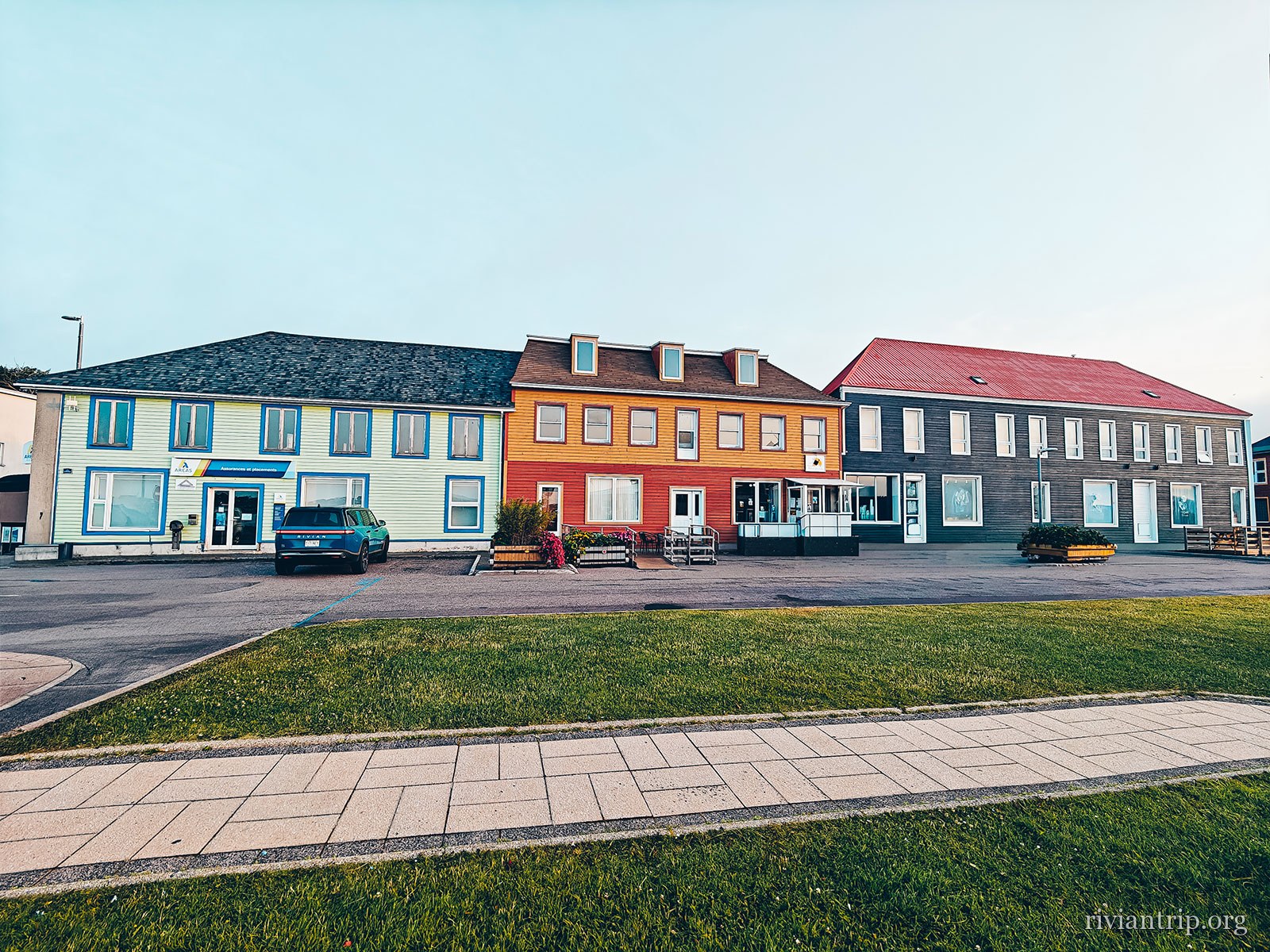
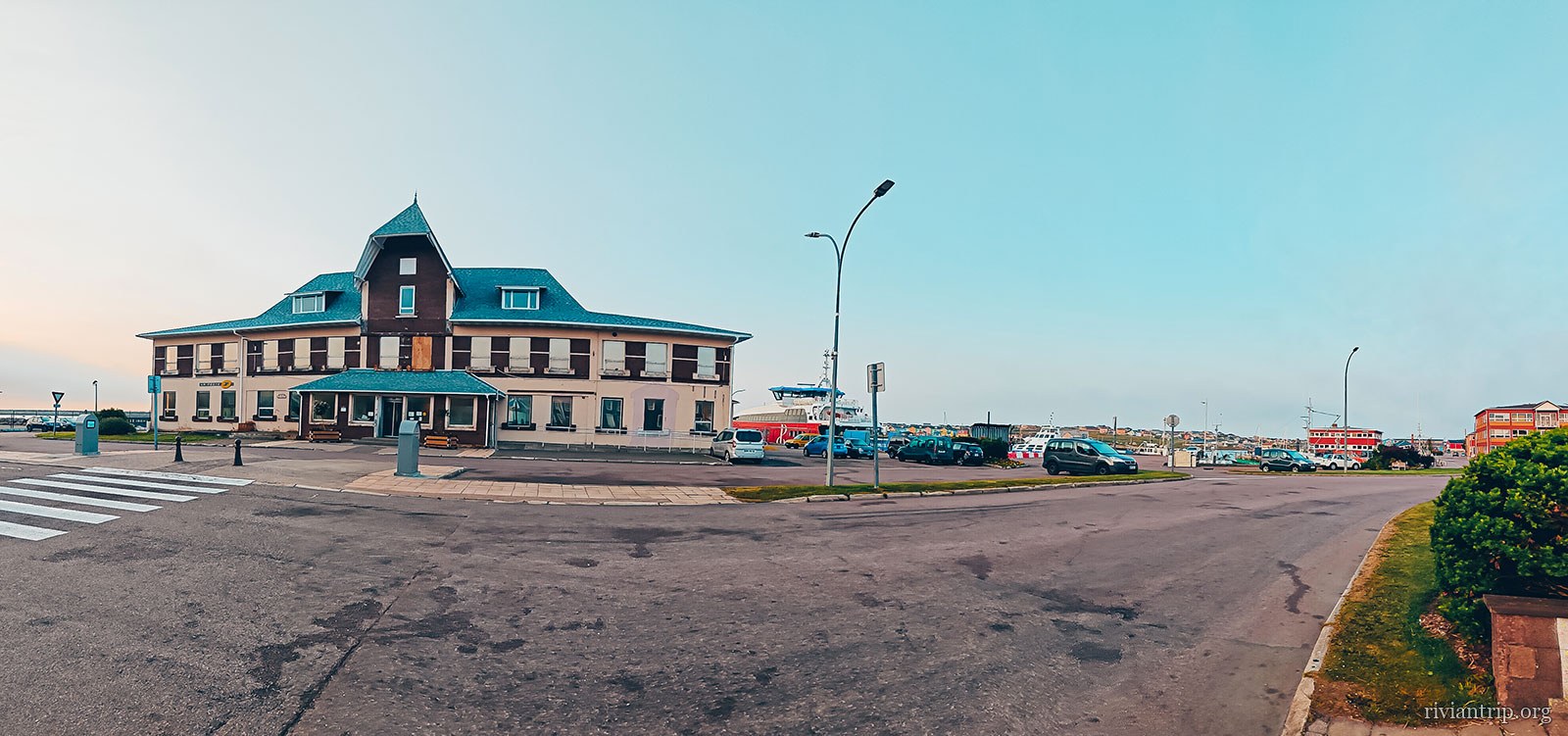
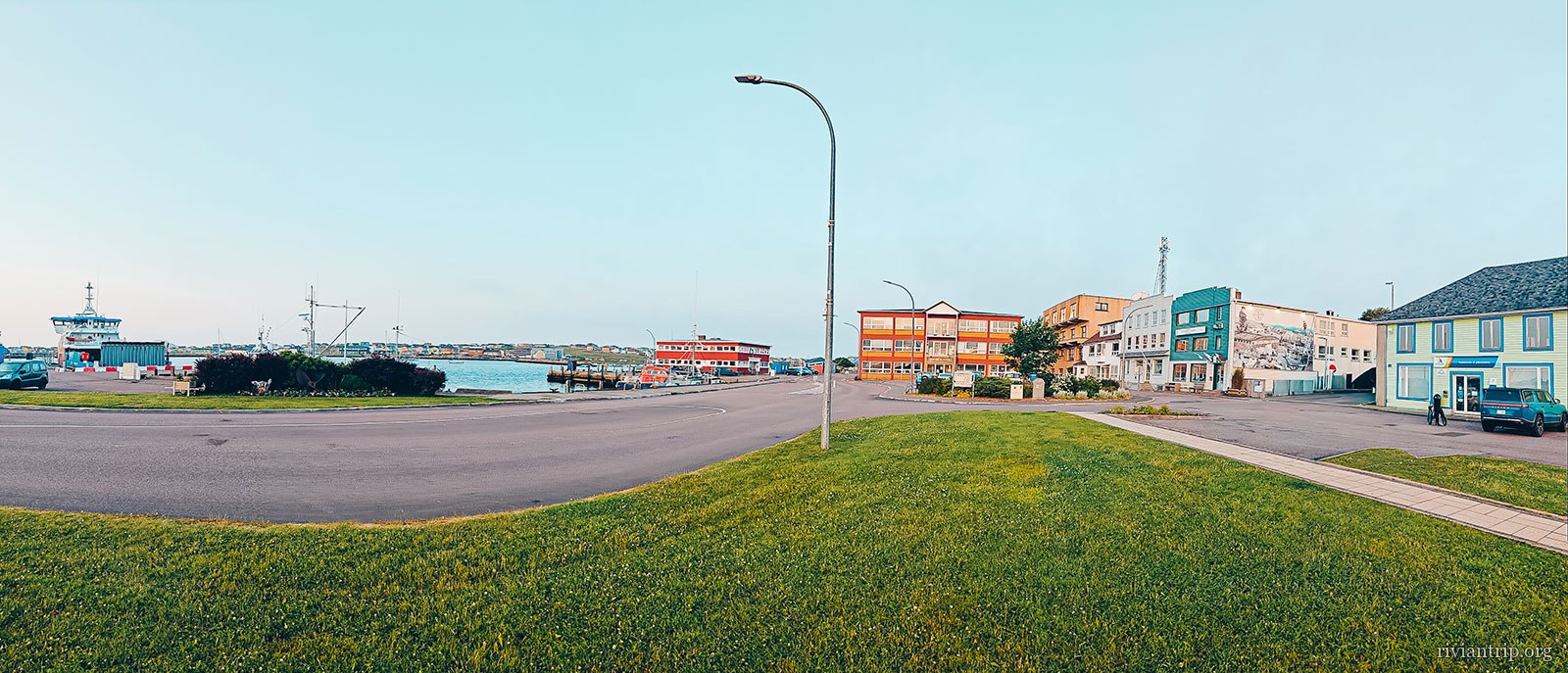
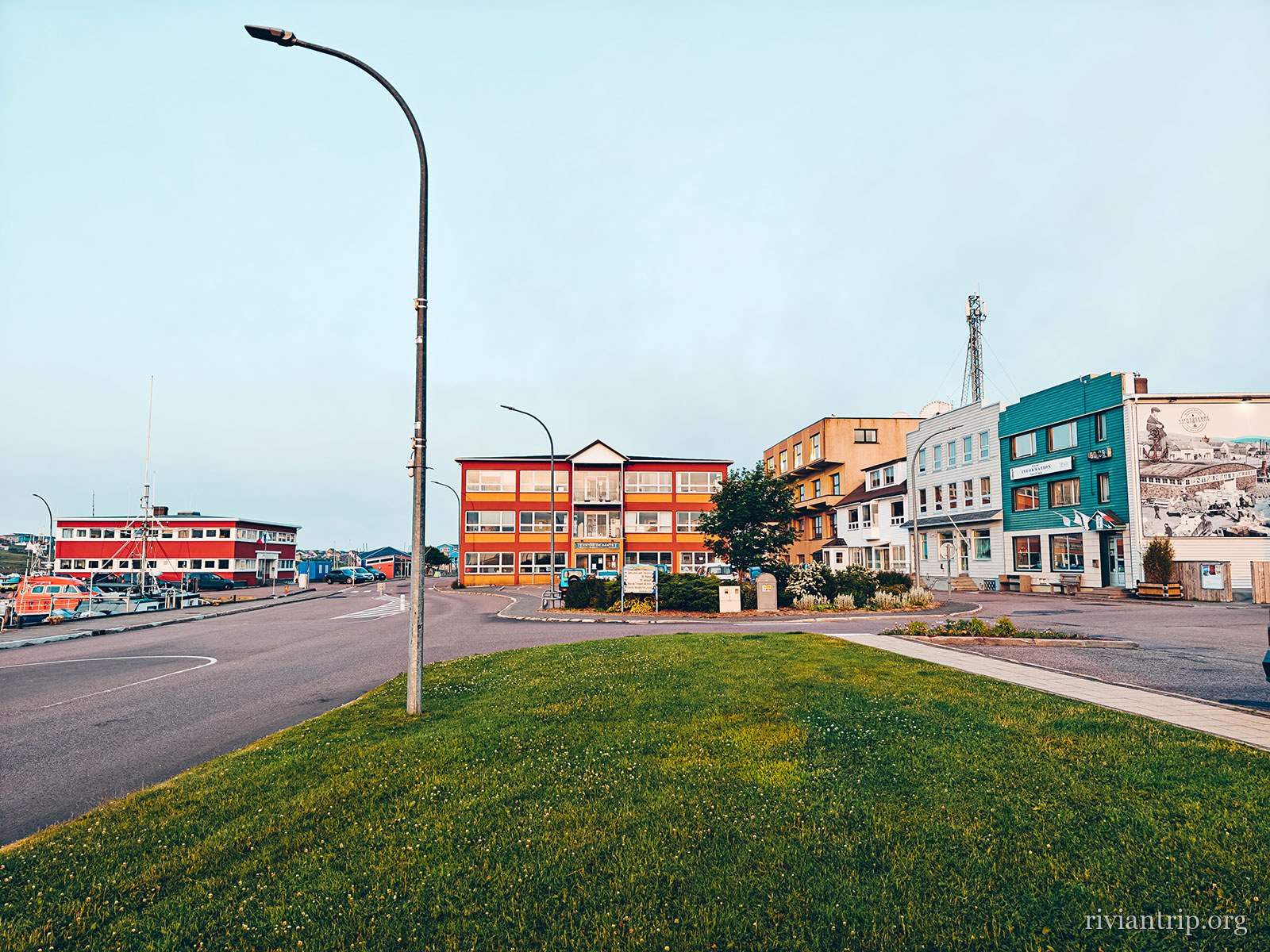
The shops, the bakeries, the conversations… and yet the far end of North America.
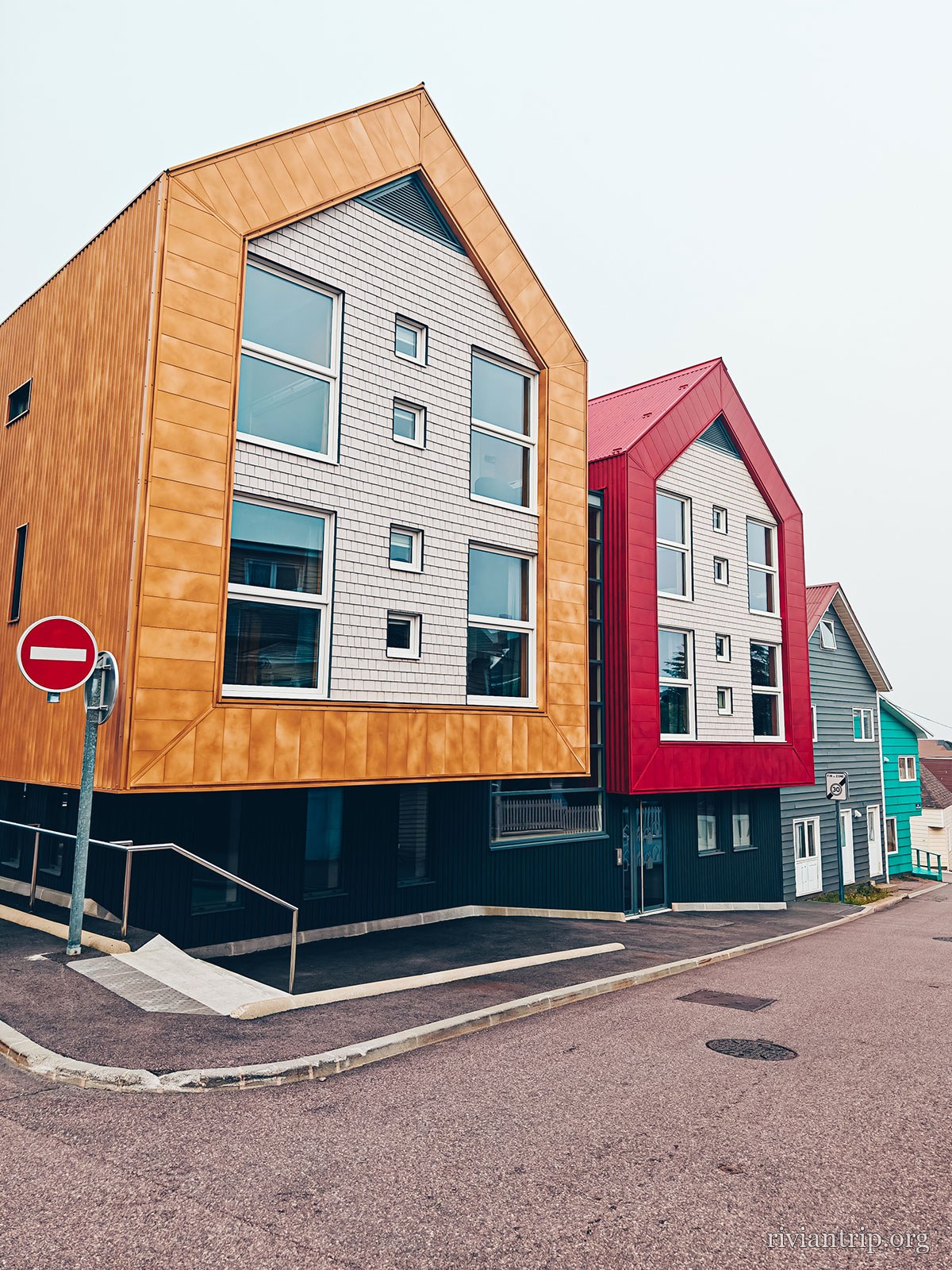
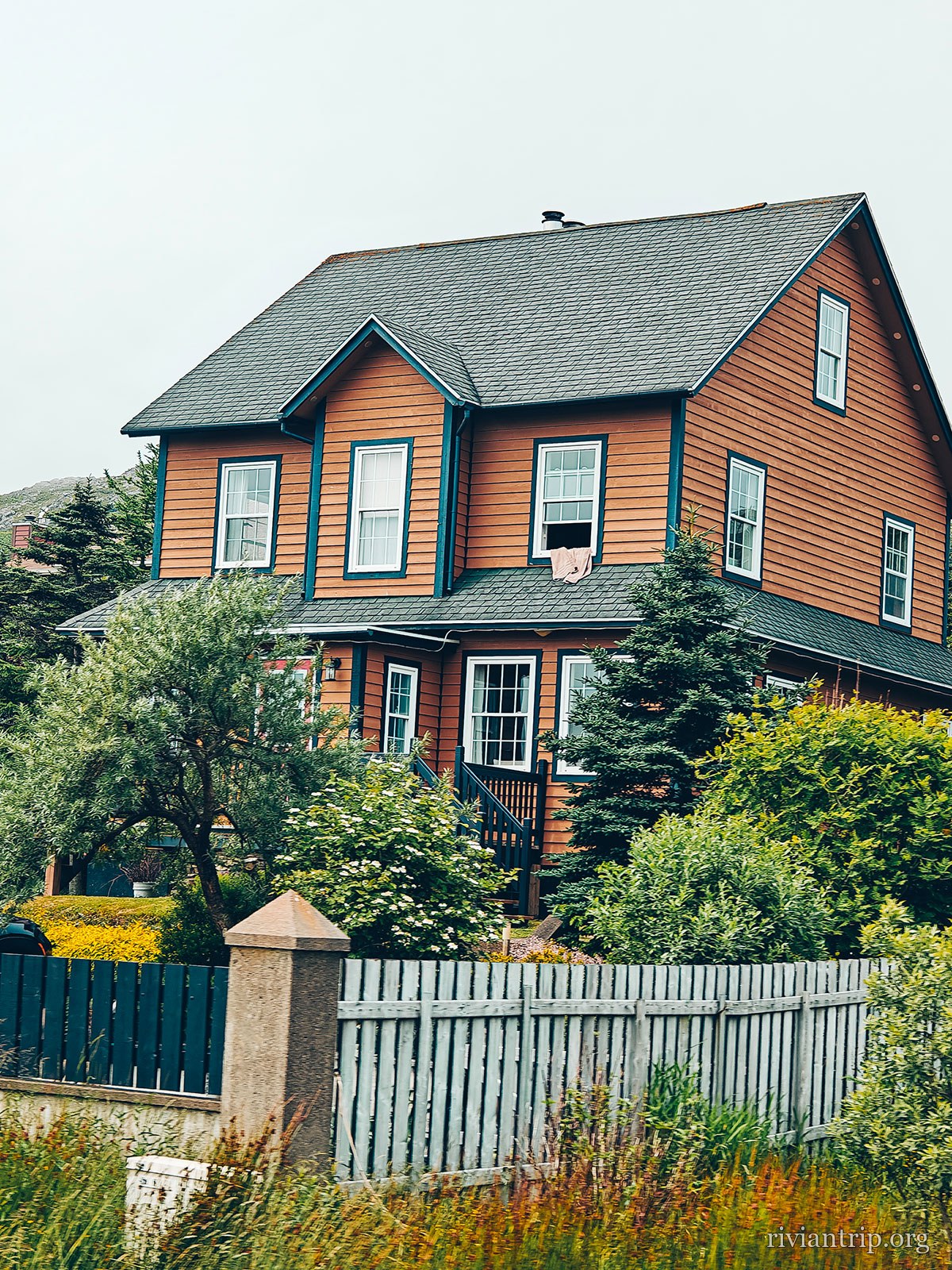
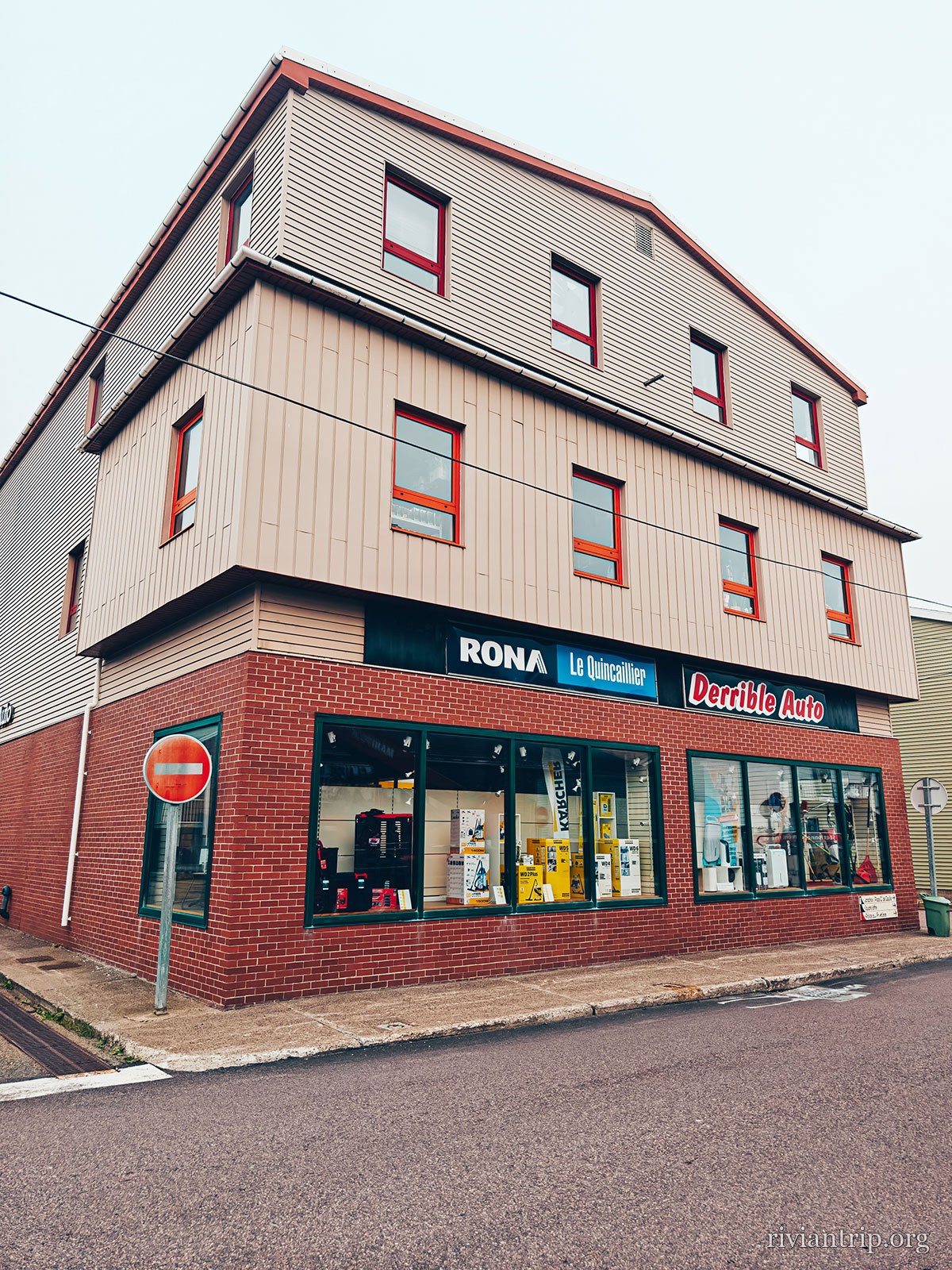
The colours
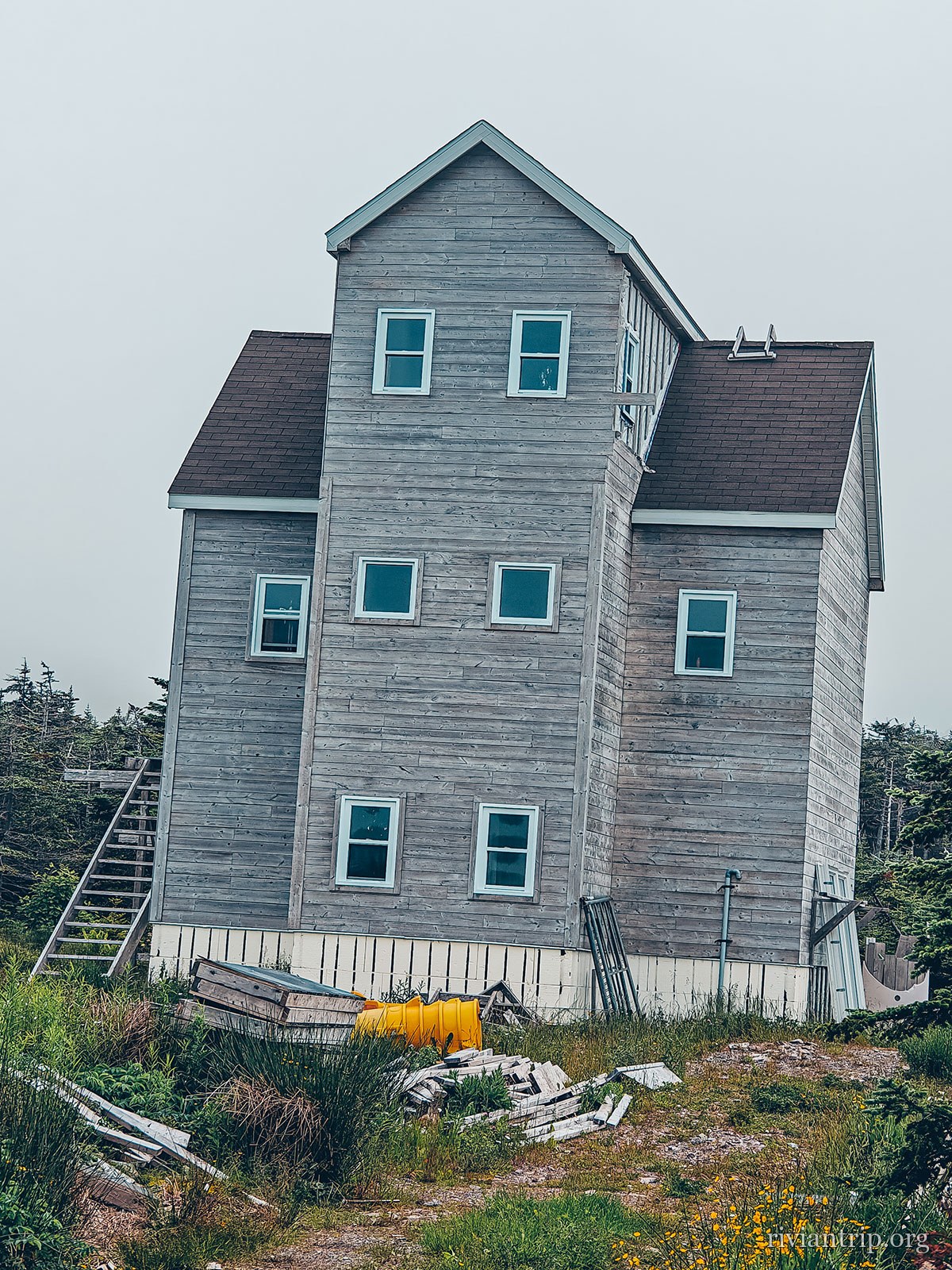
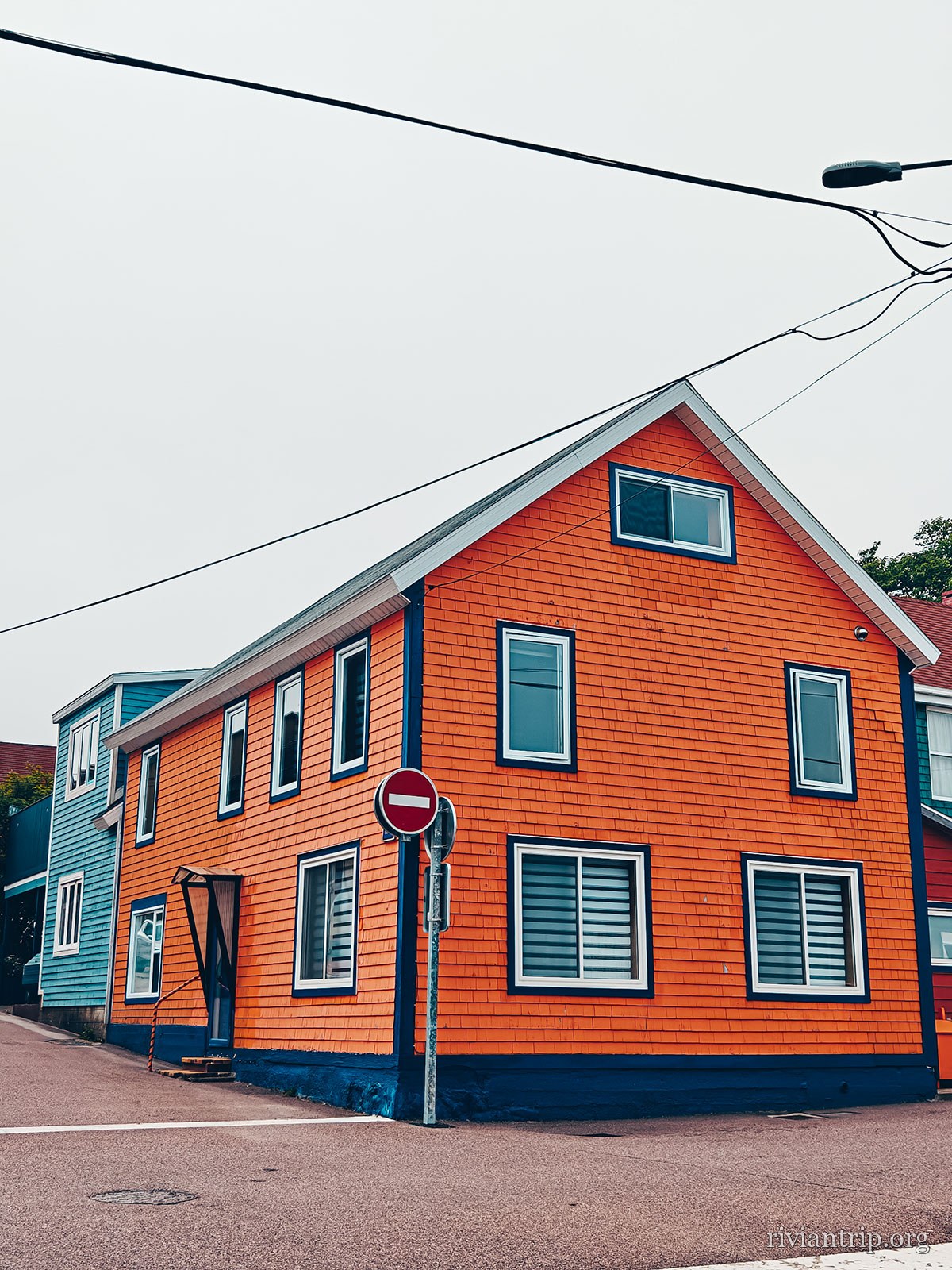
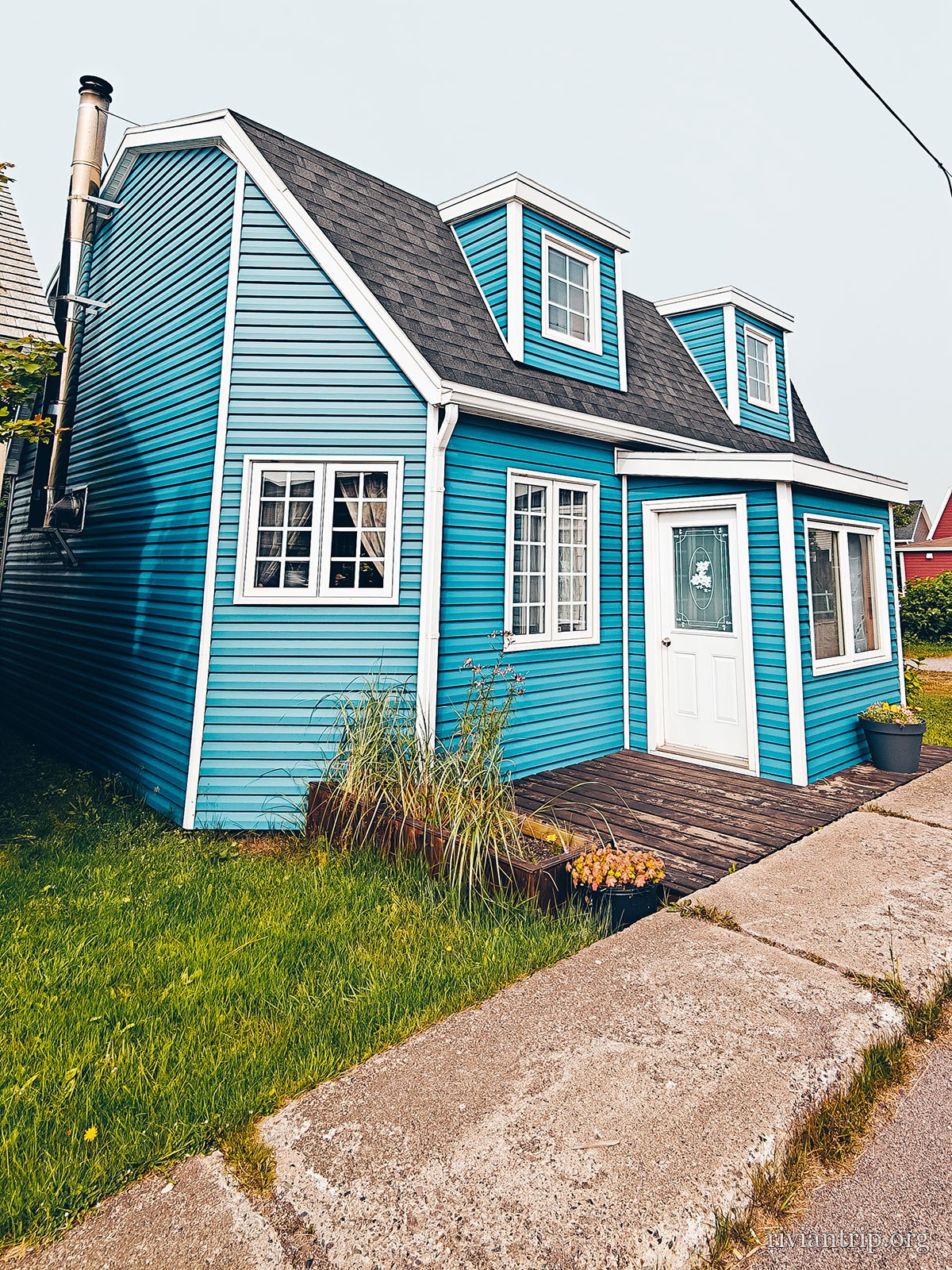
Each front has its own: the town reads like a colour chart.
Wandering
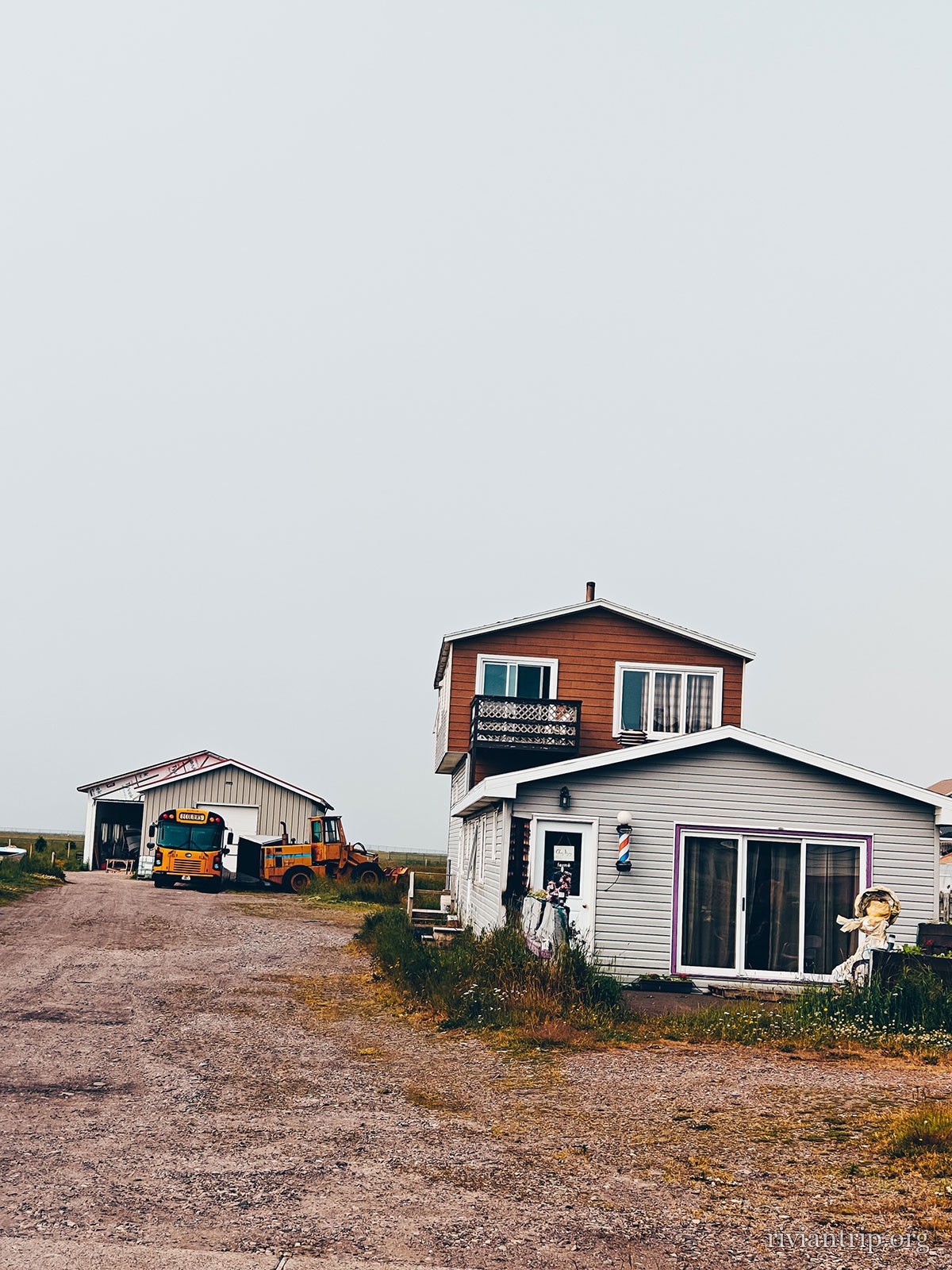
The streets are quiet; people get around on foot, by bicycle or by car.
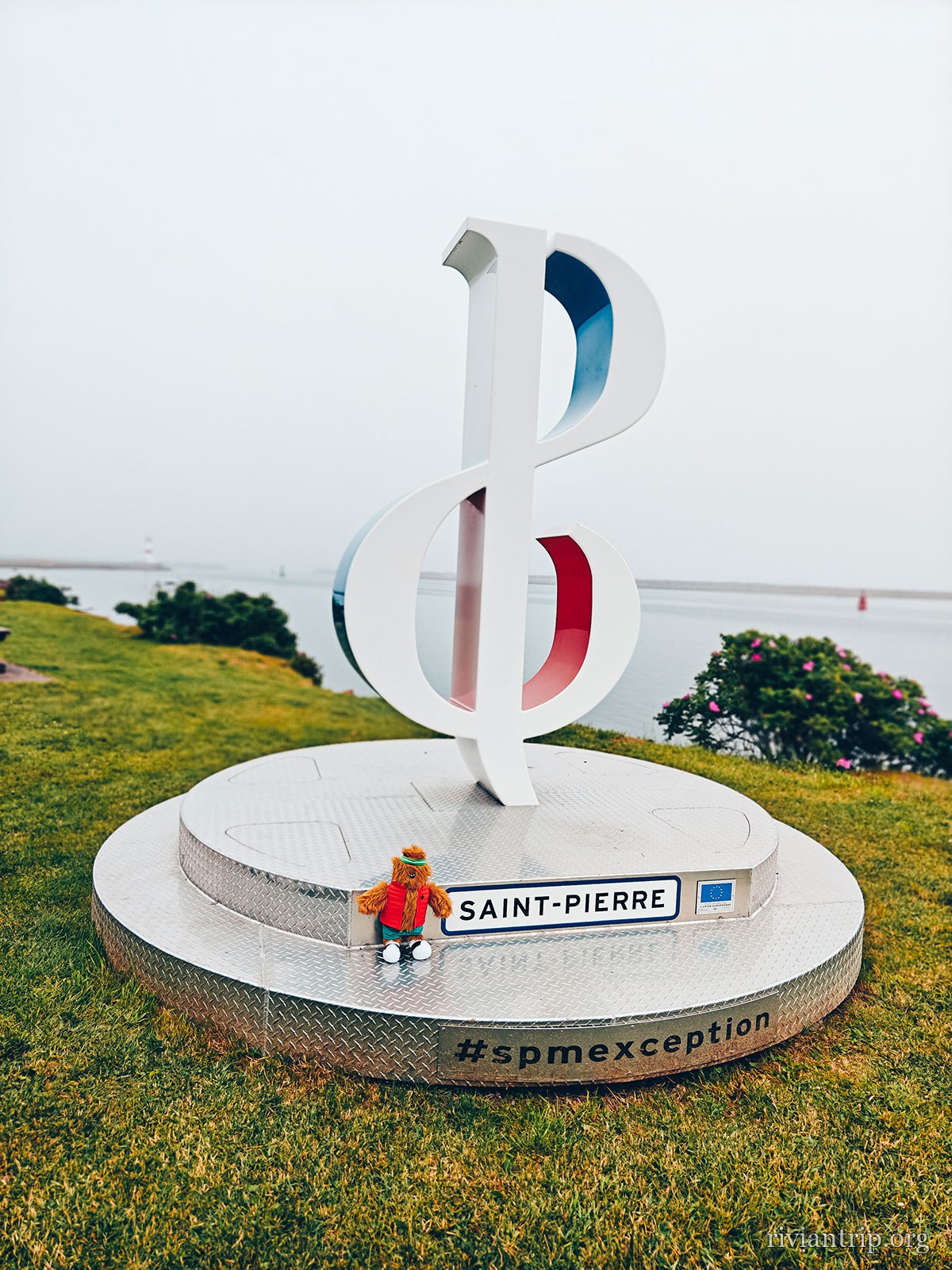
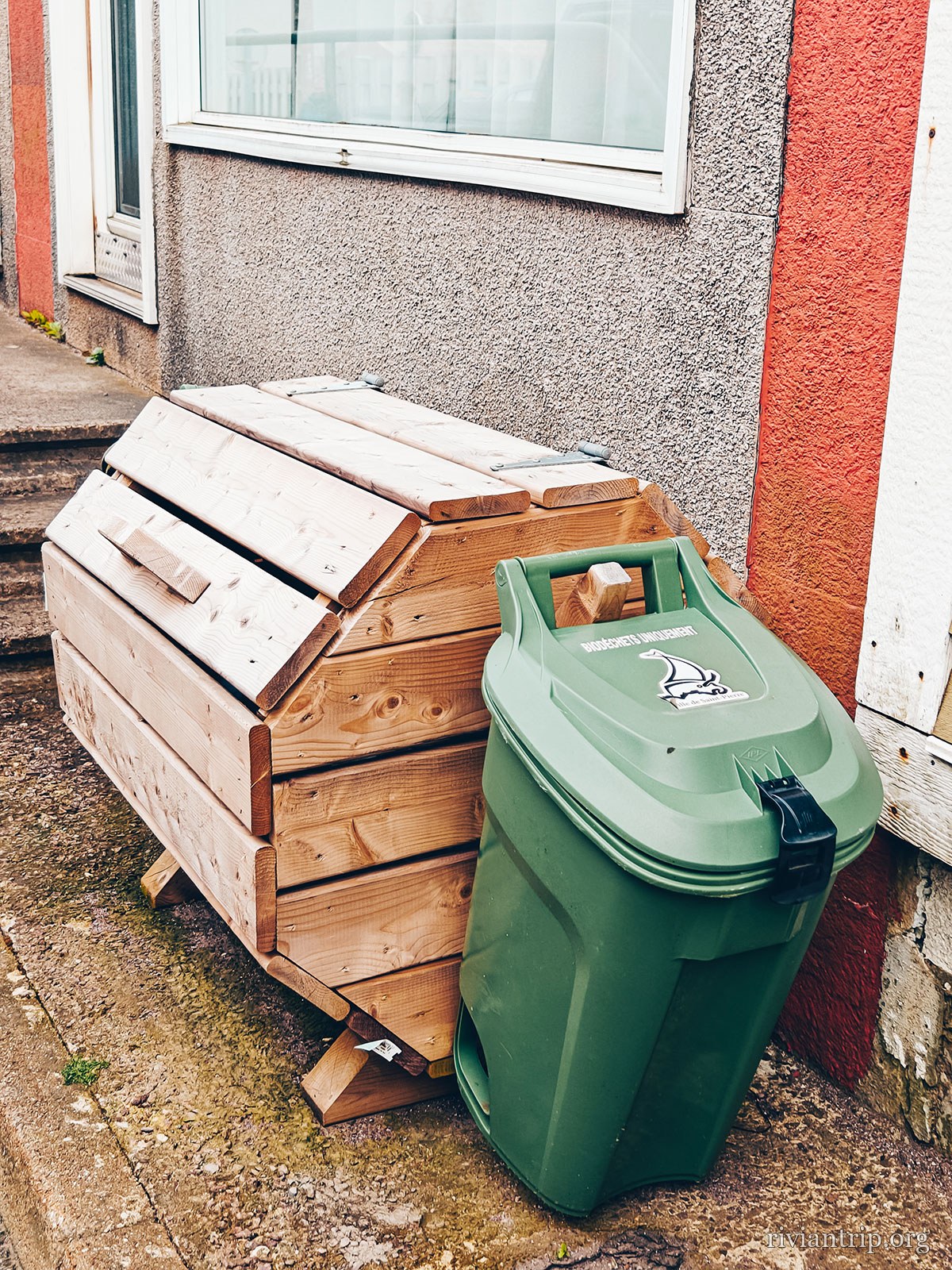
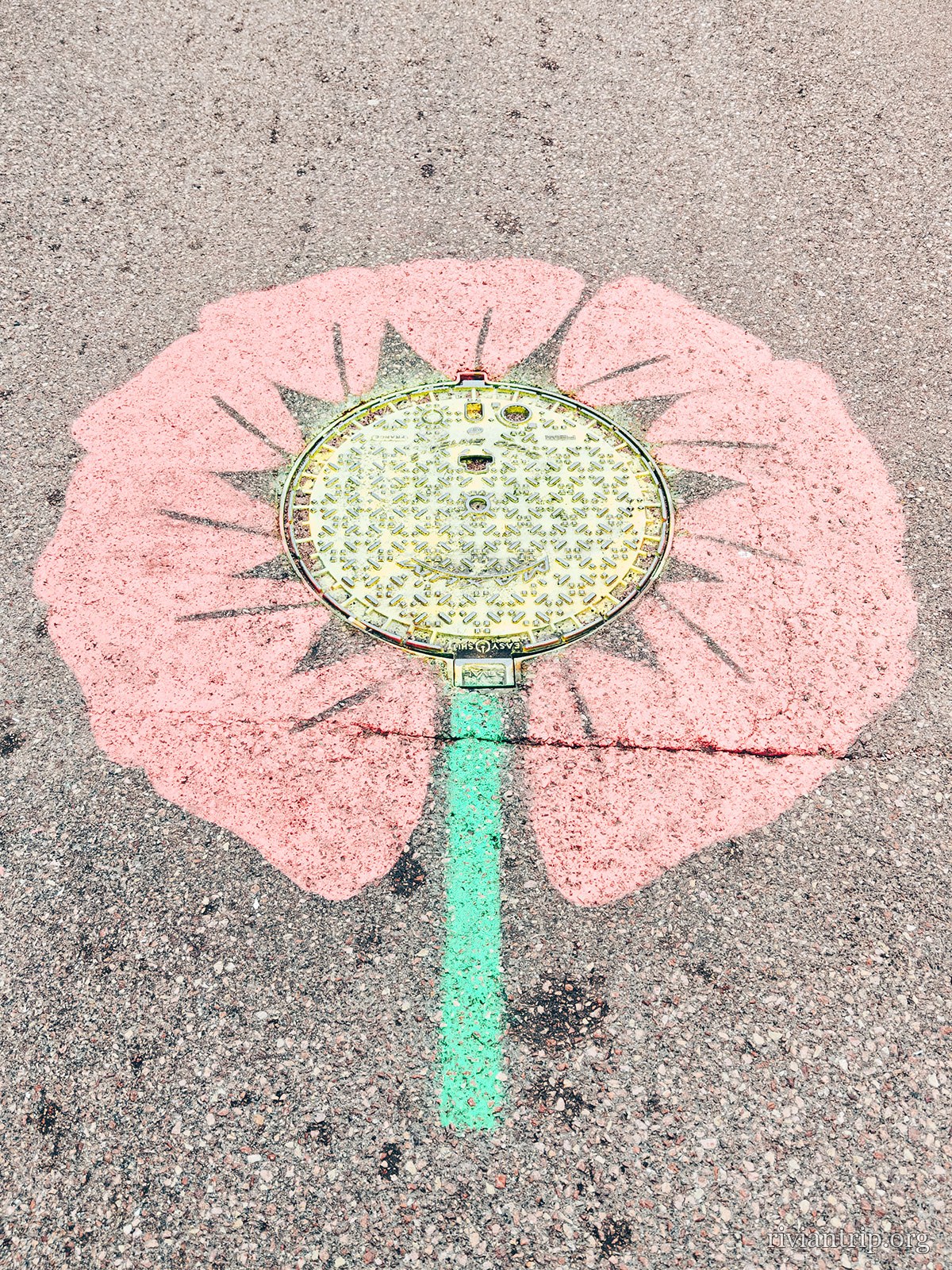

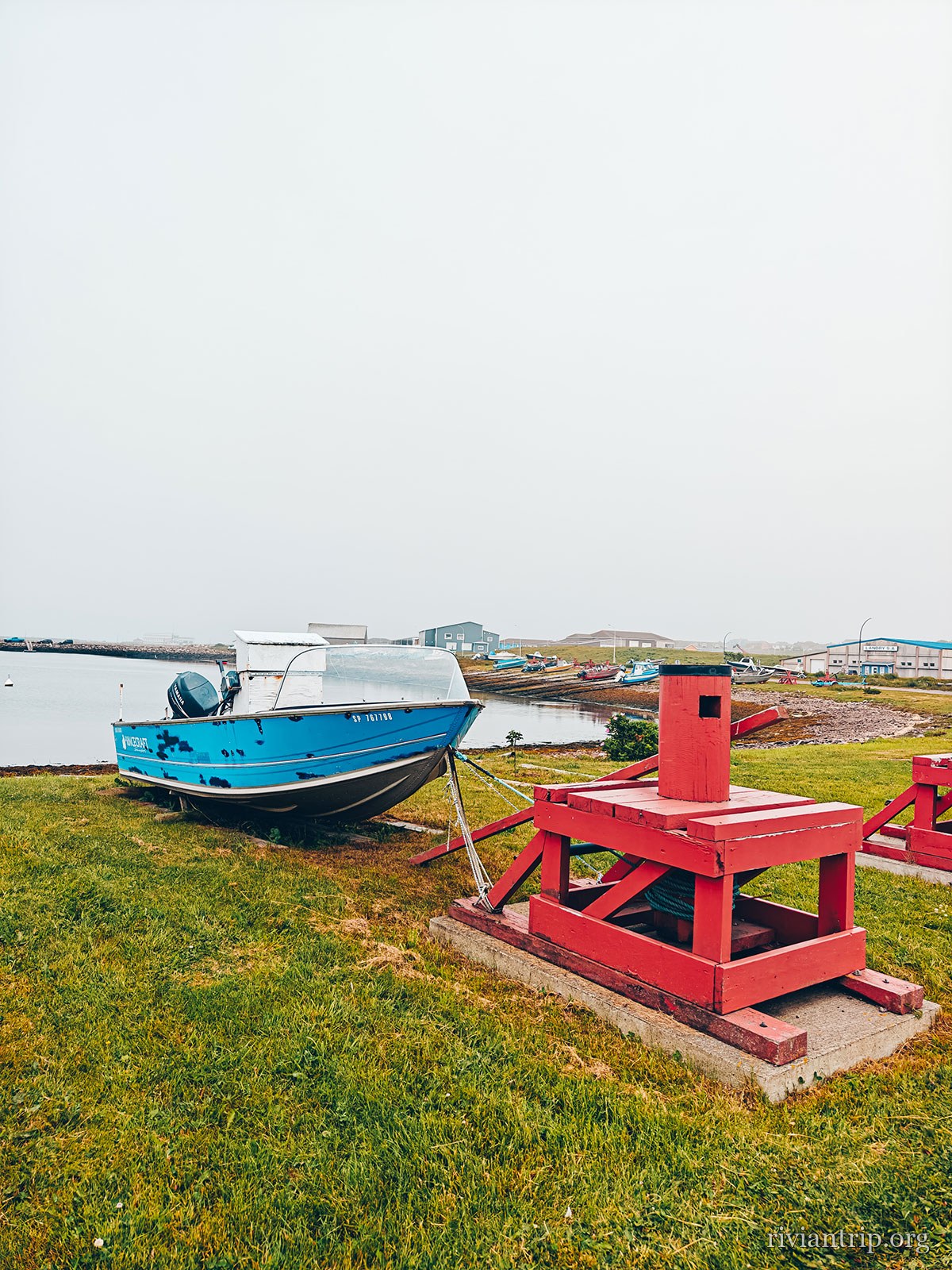
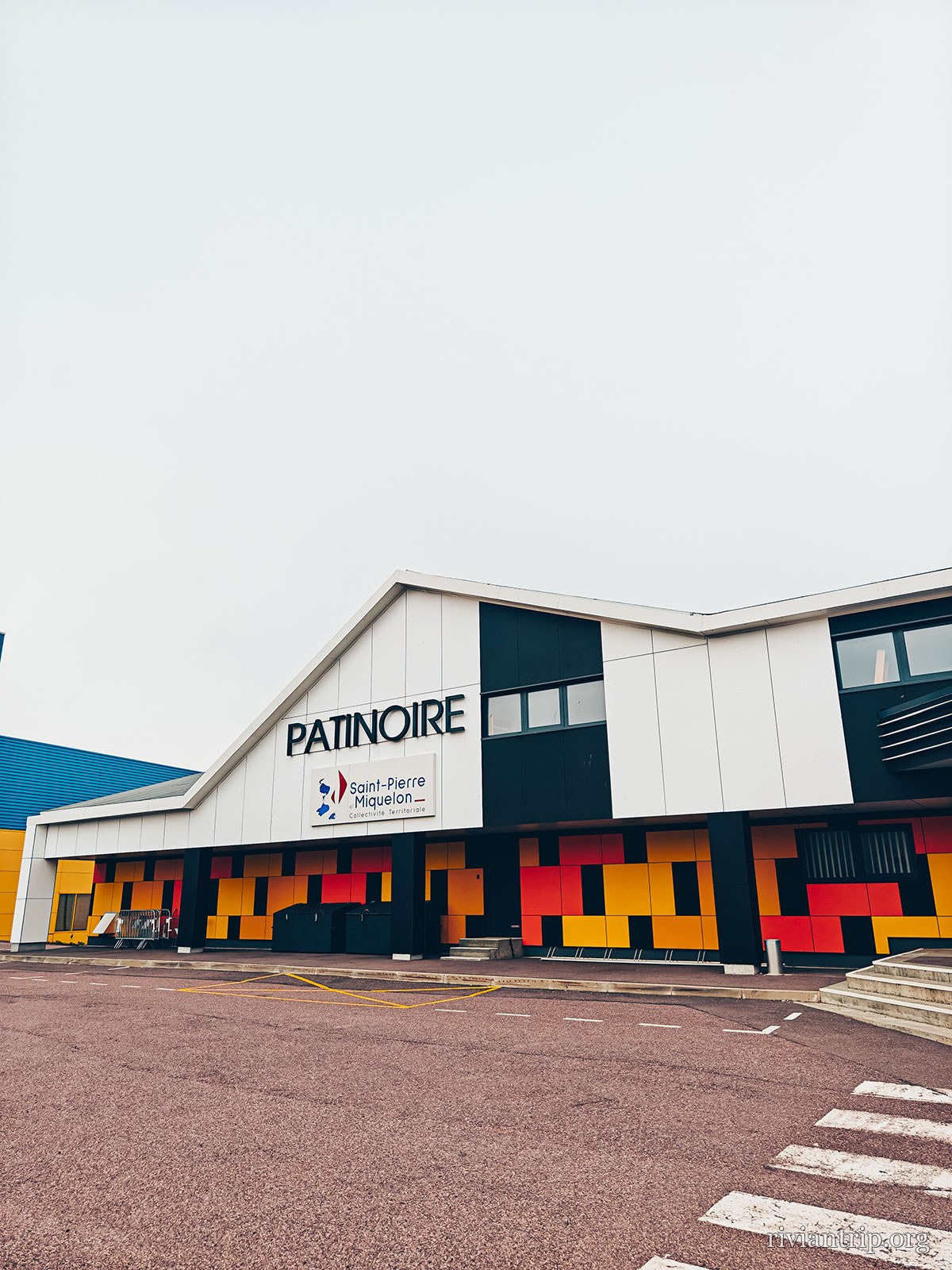
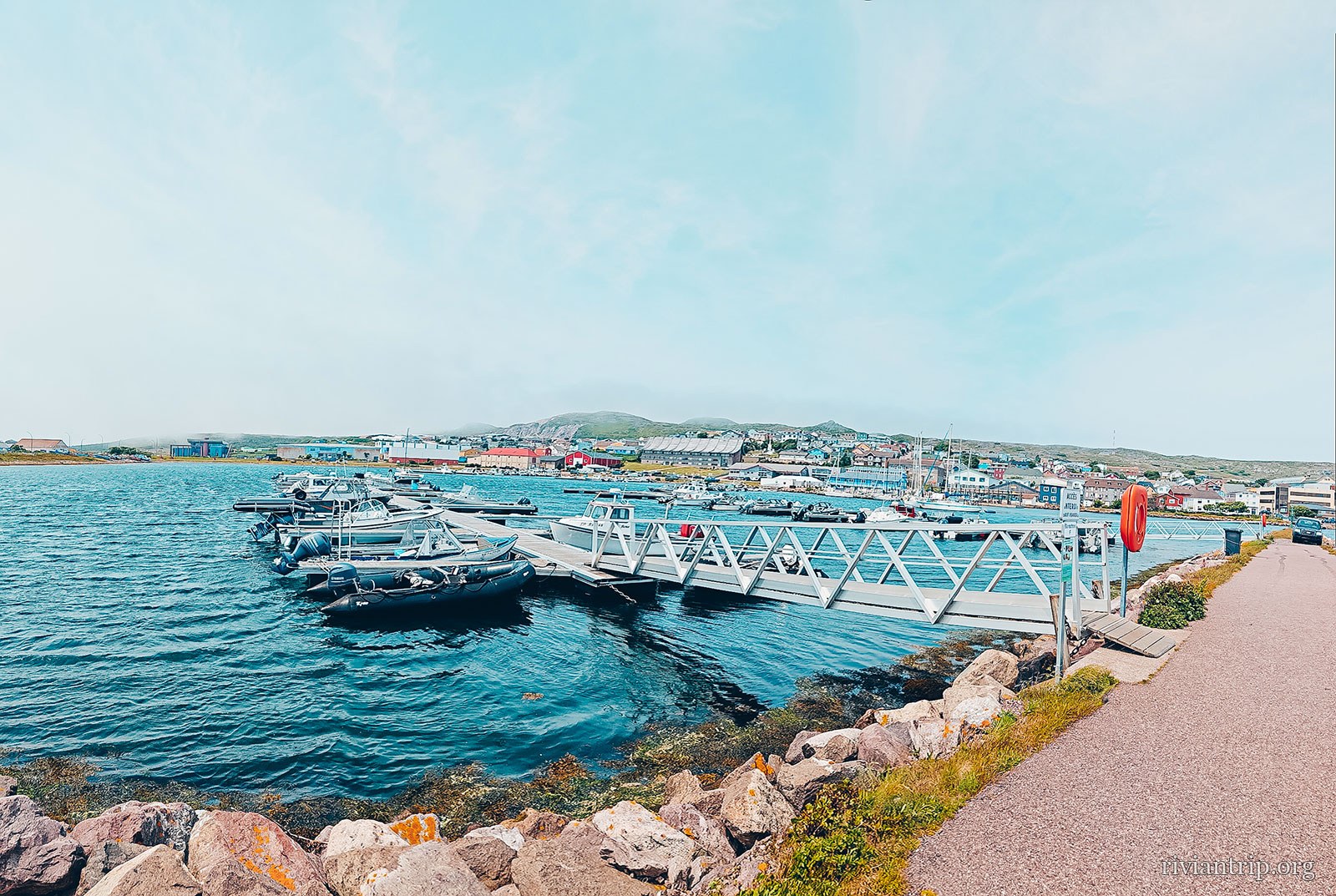
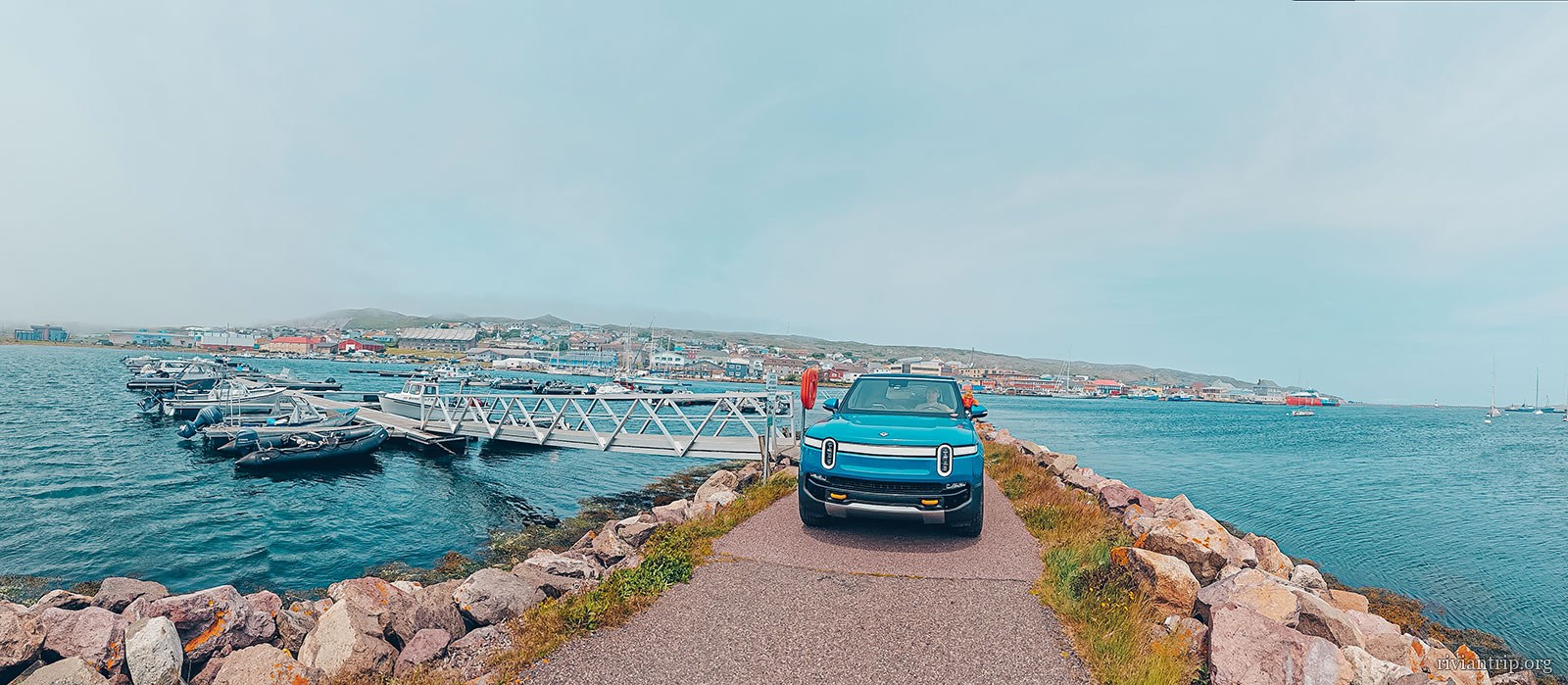
The harbour
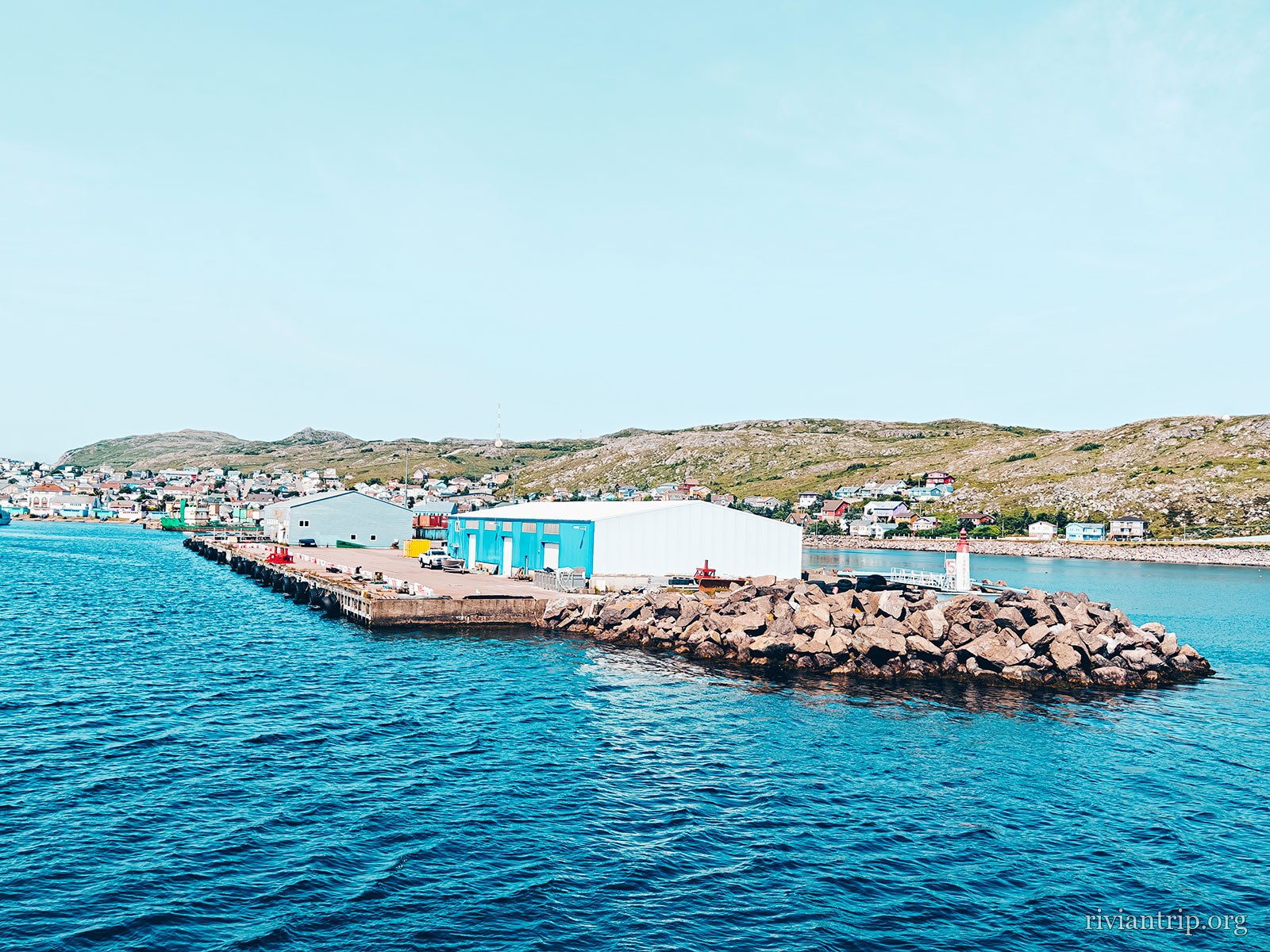
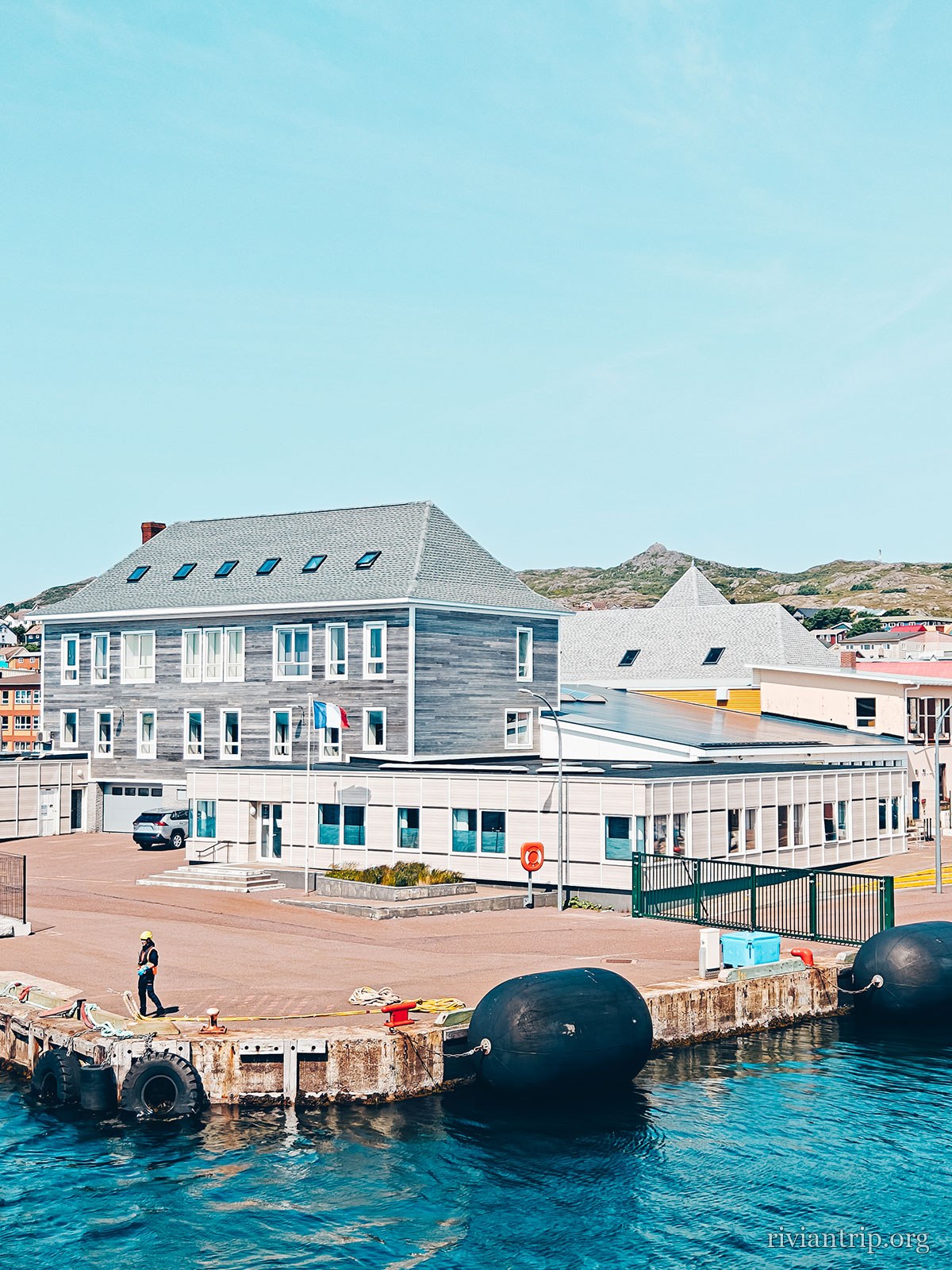
Still busy: fishing boats, ferries and pleasure craft share the quay.
The points of Saint-Pierre
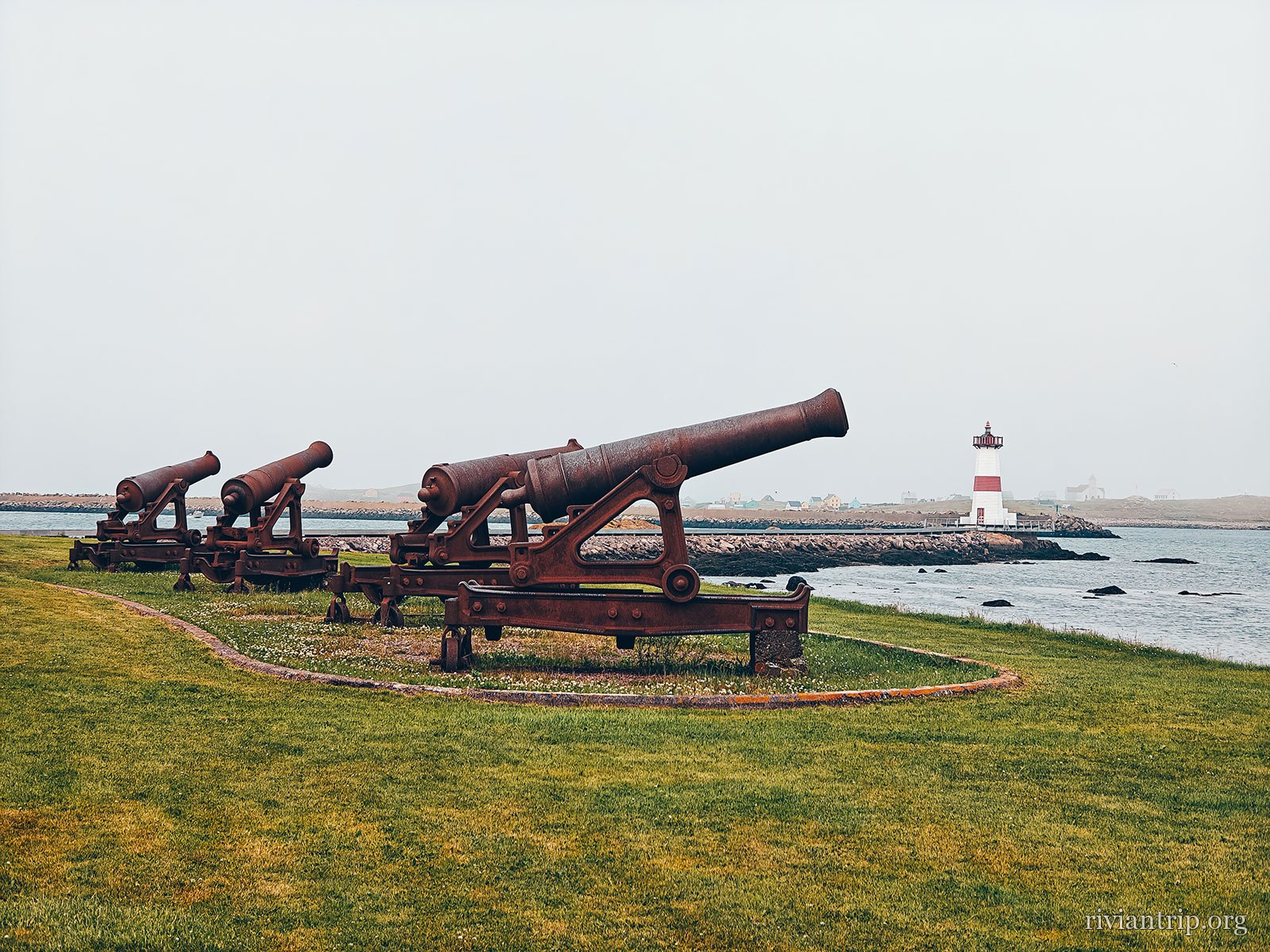
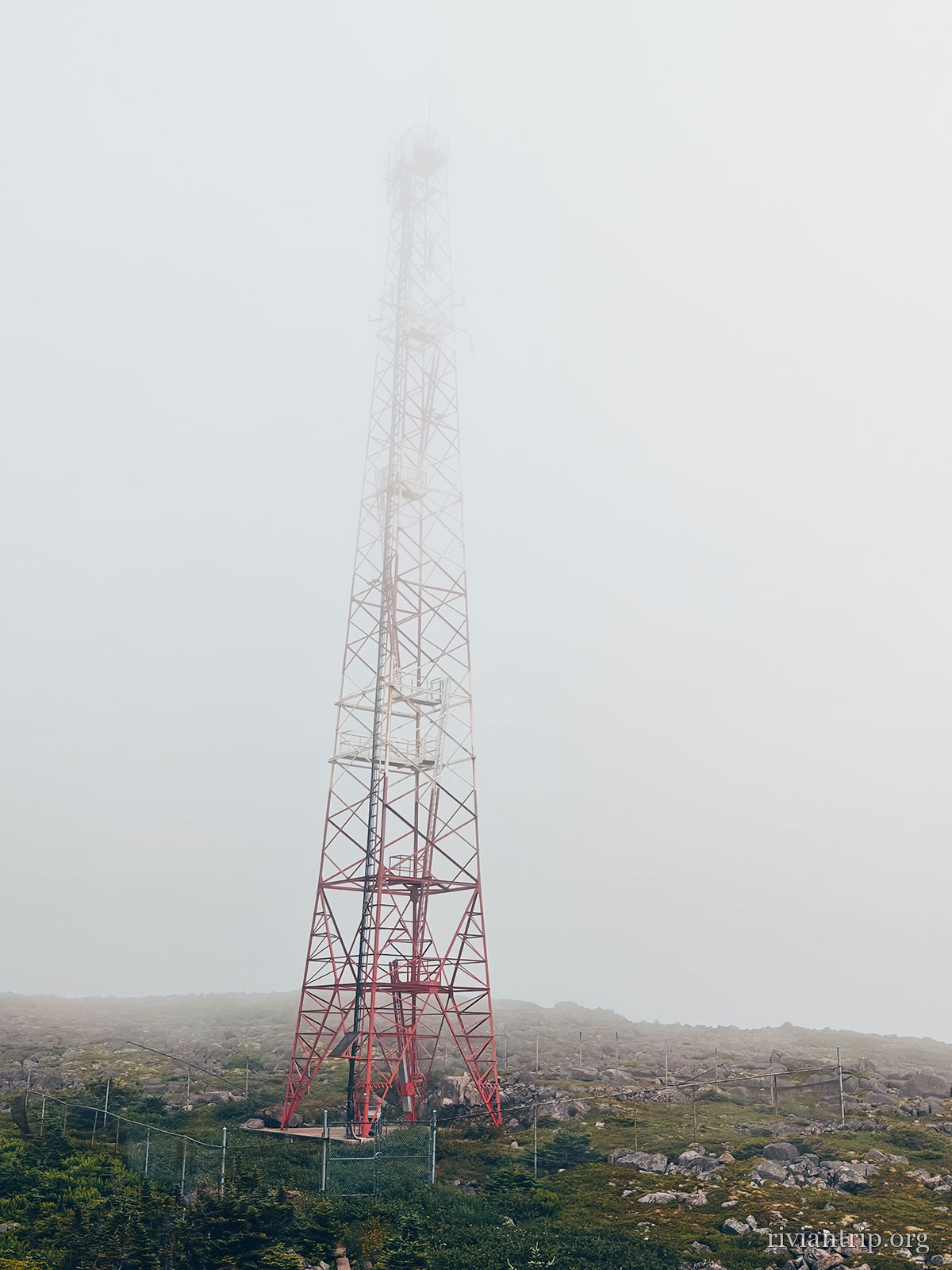
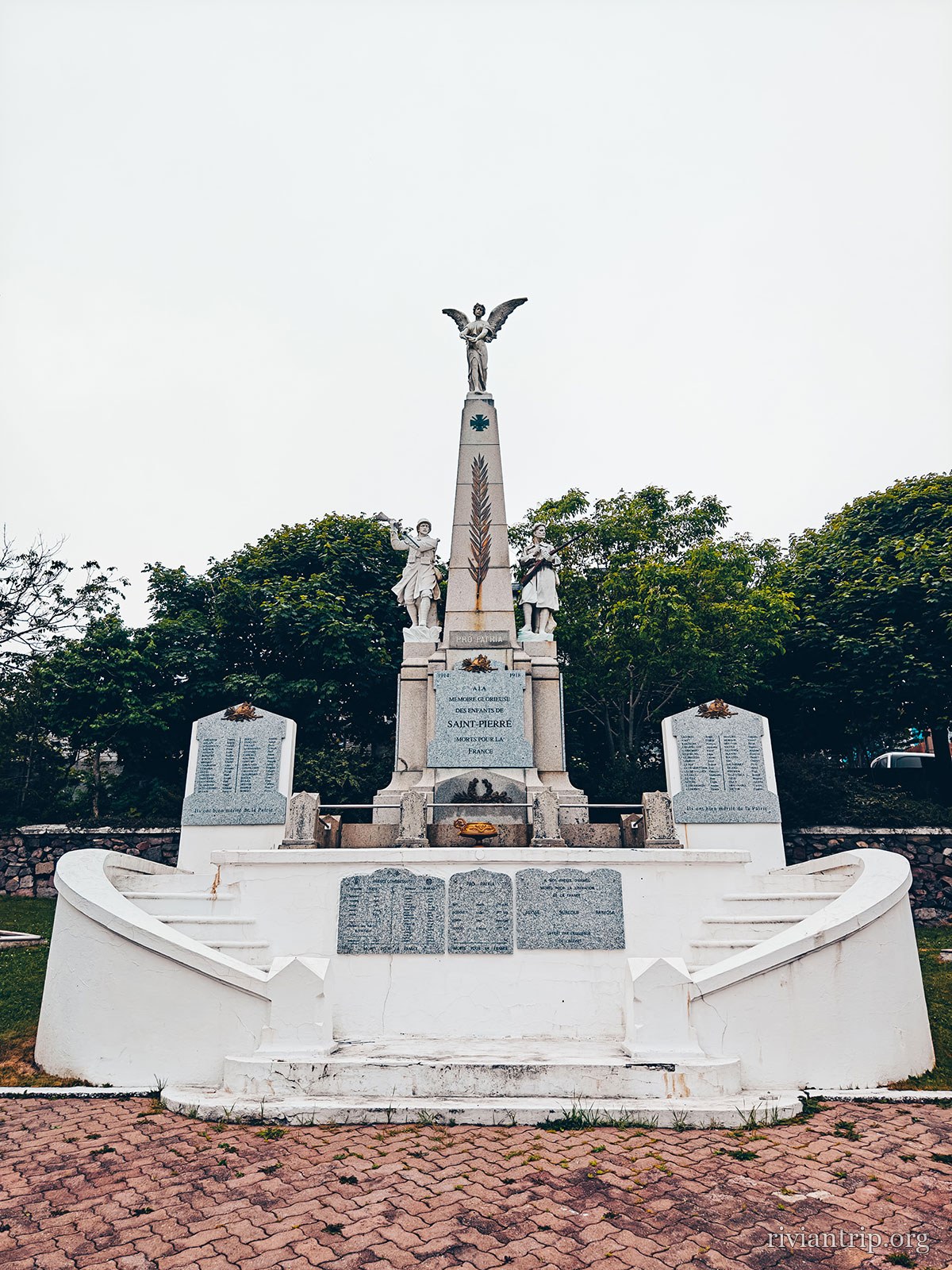
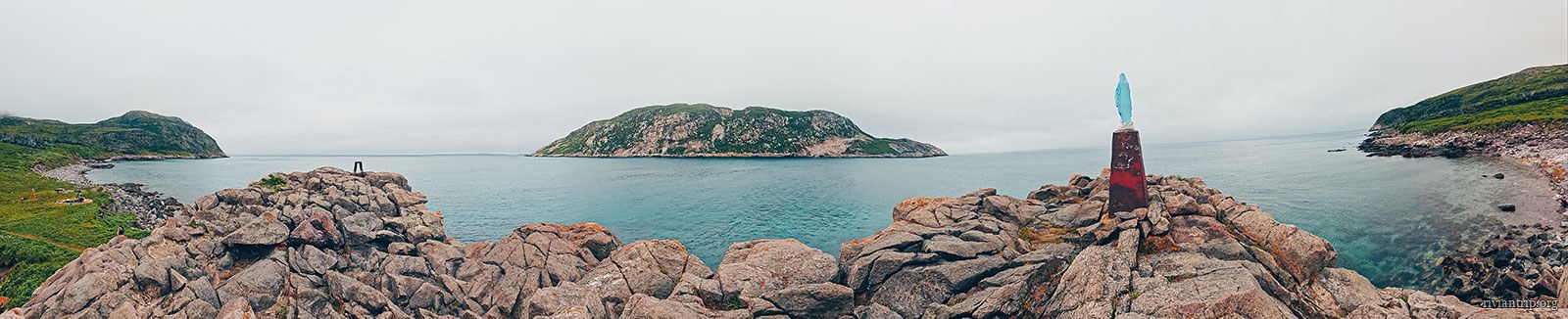
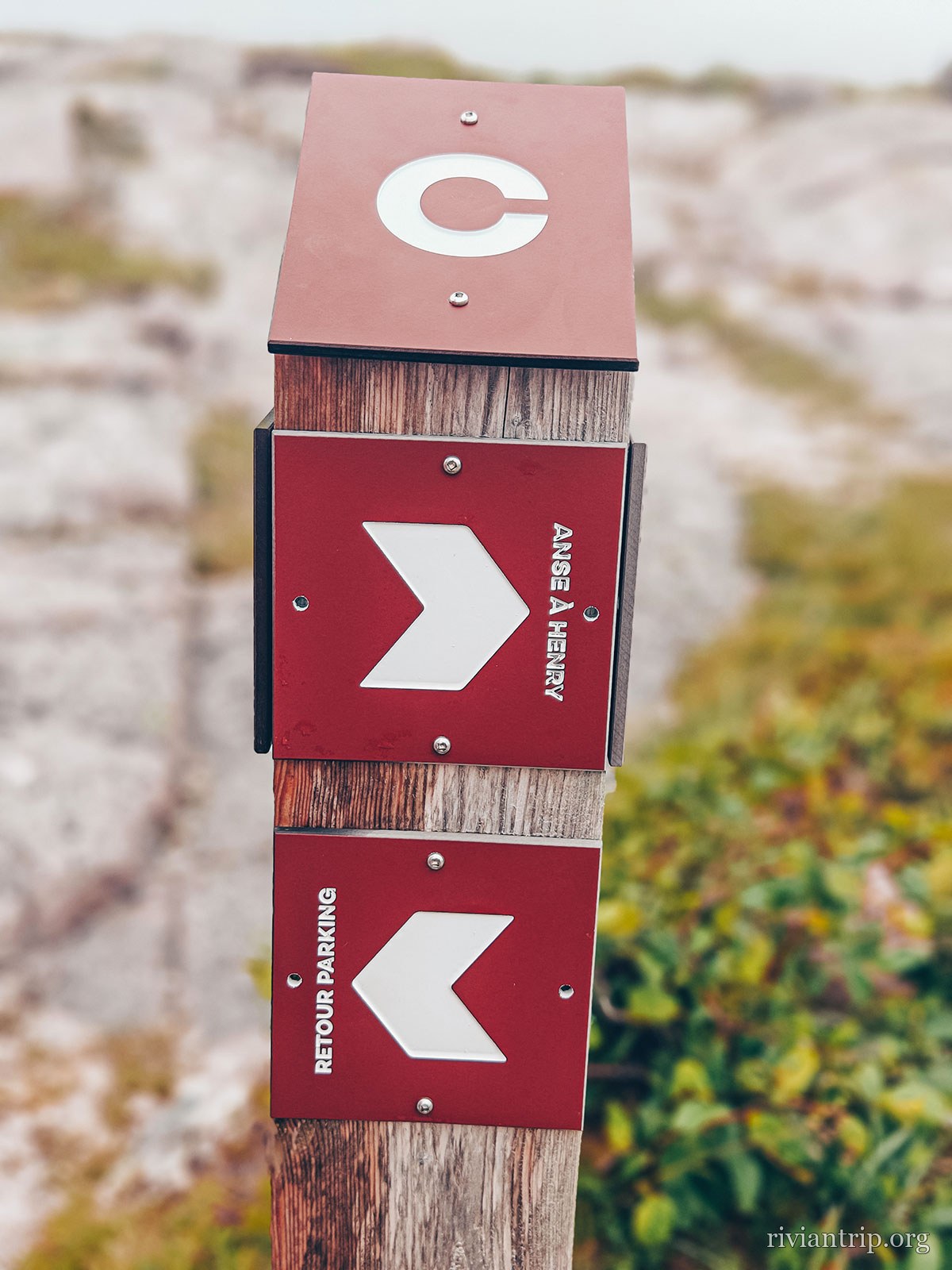
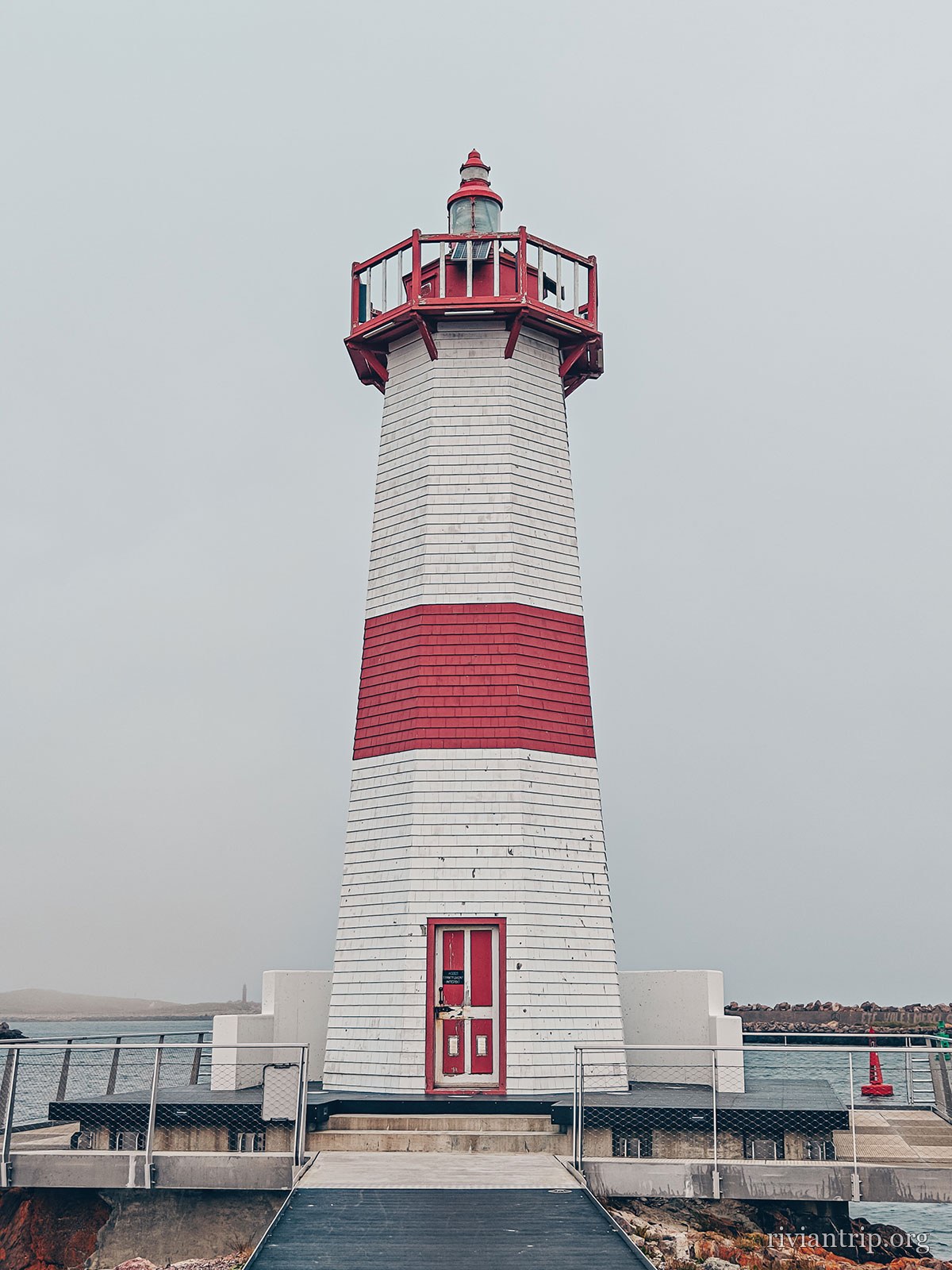
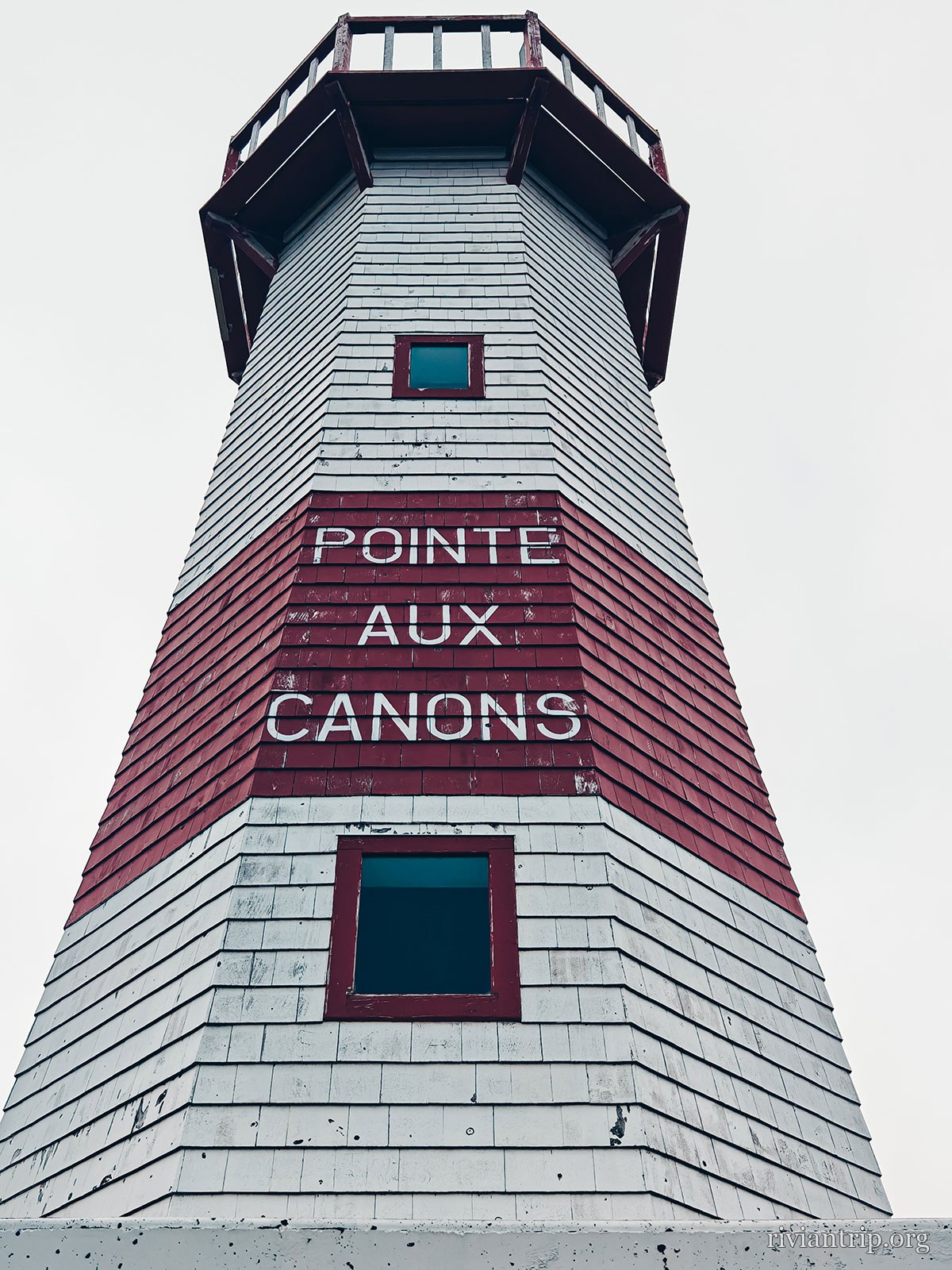
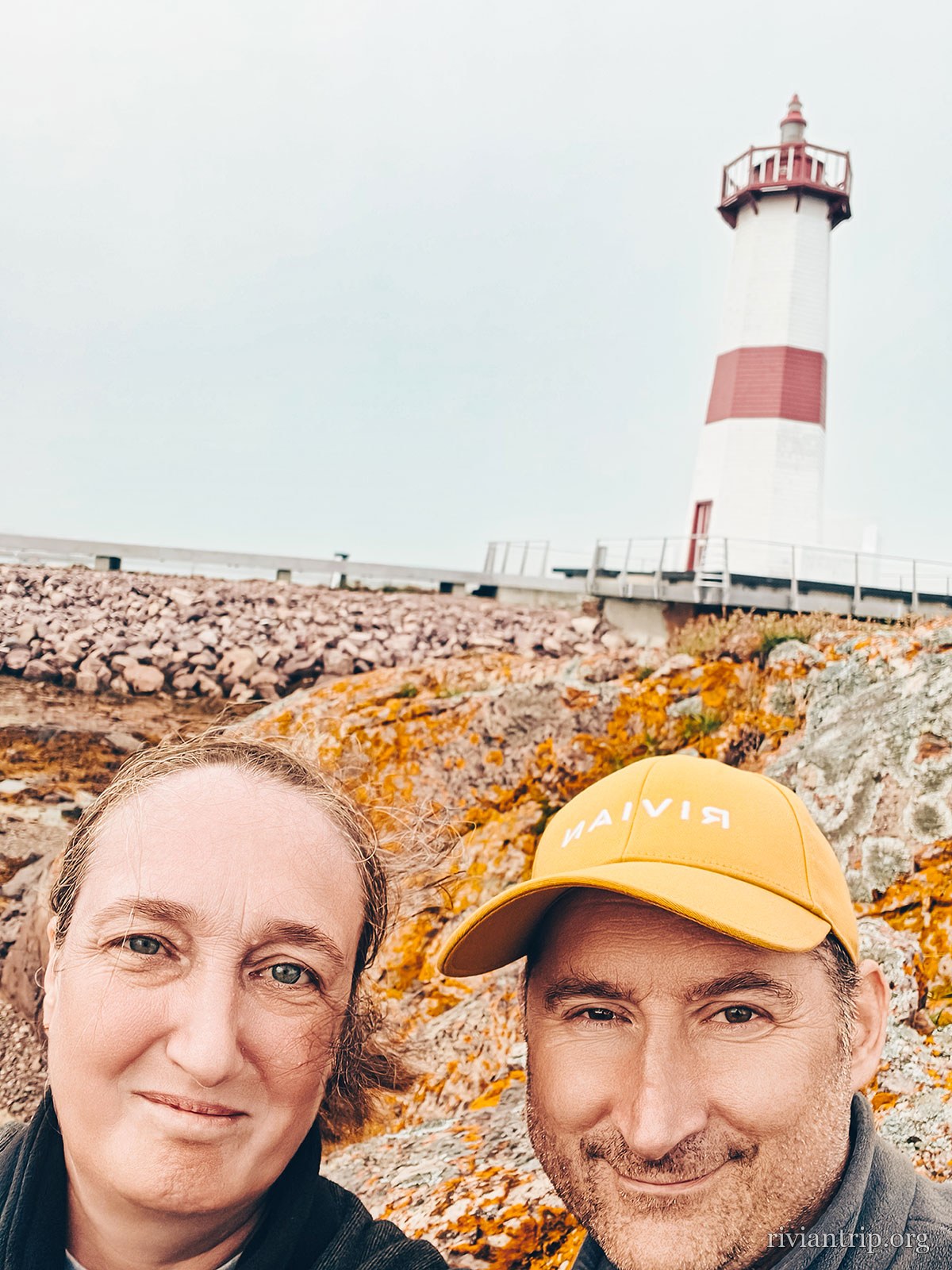
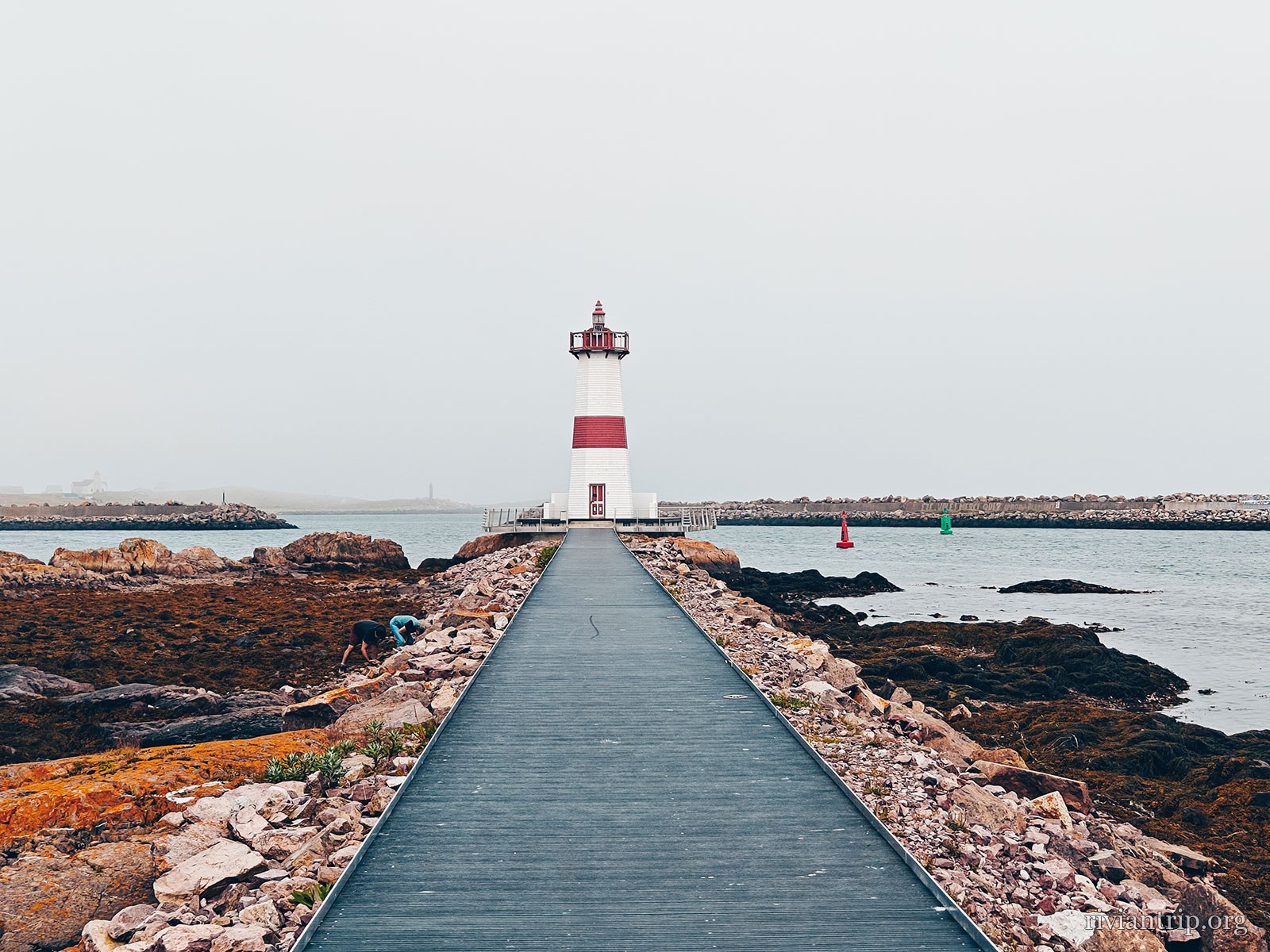
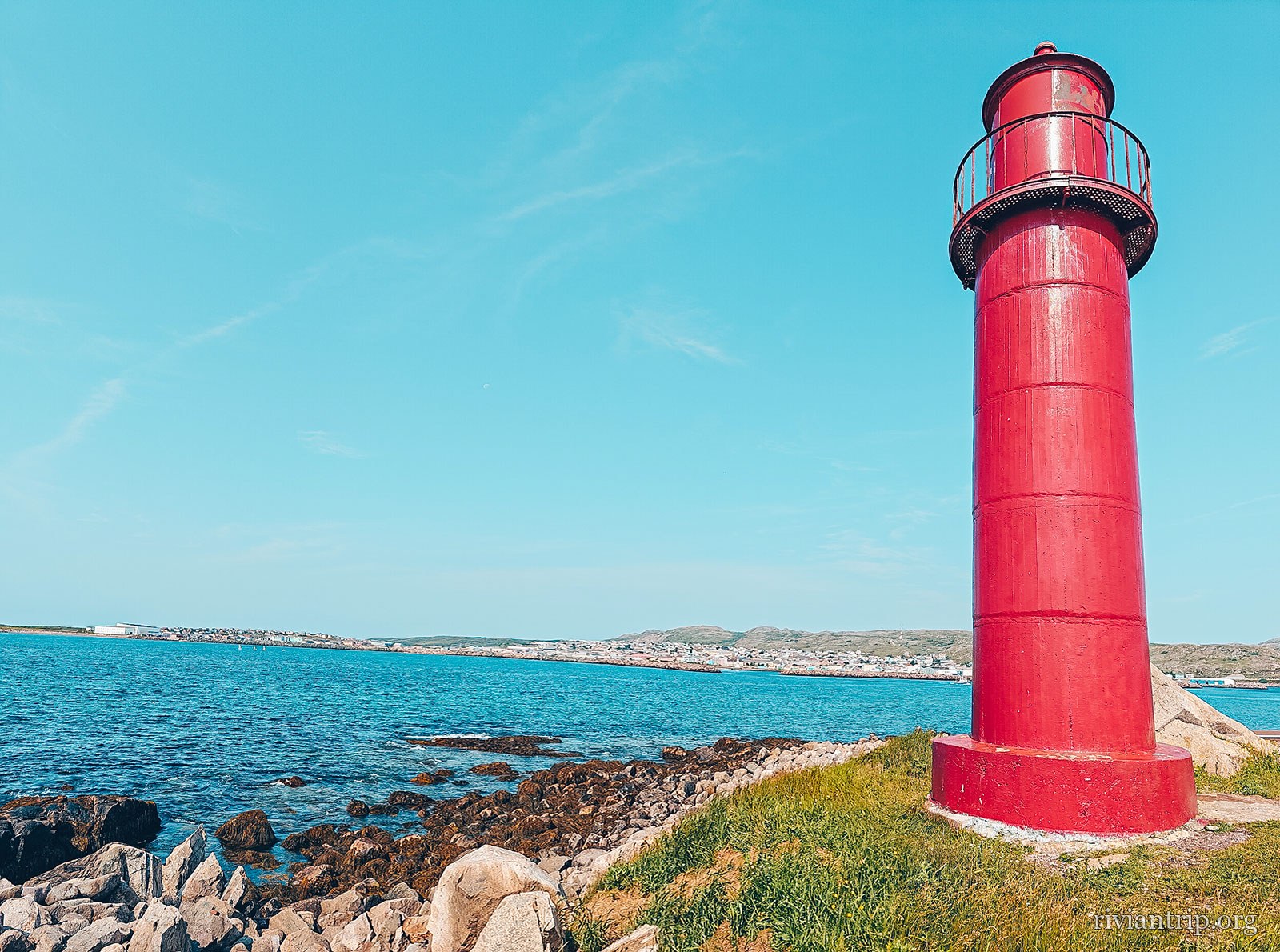
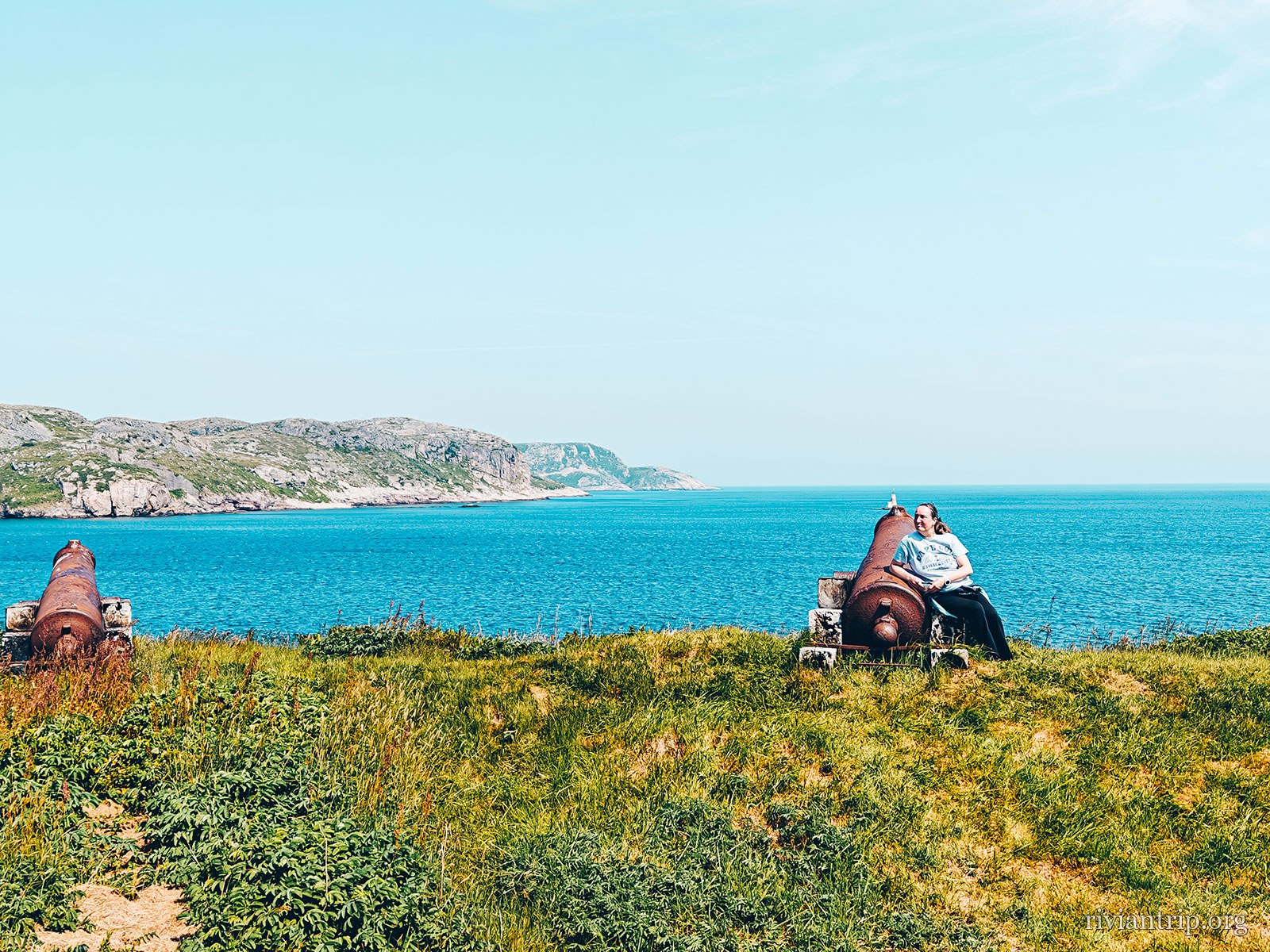
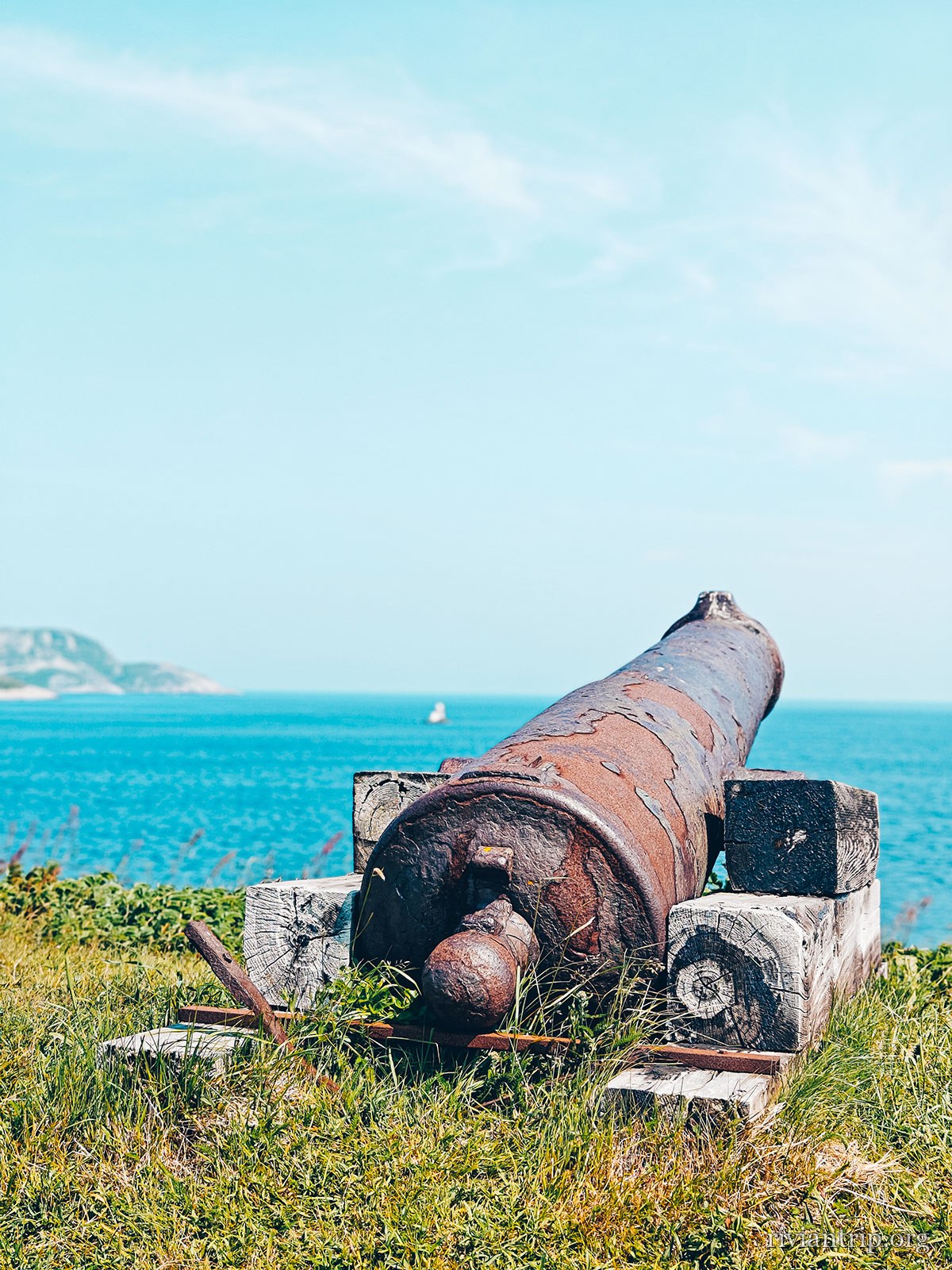
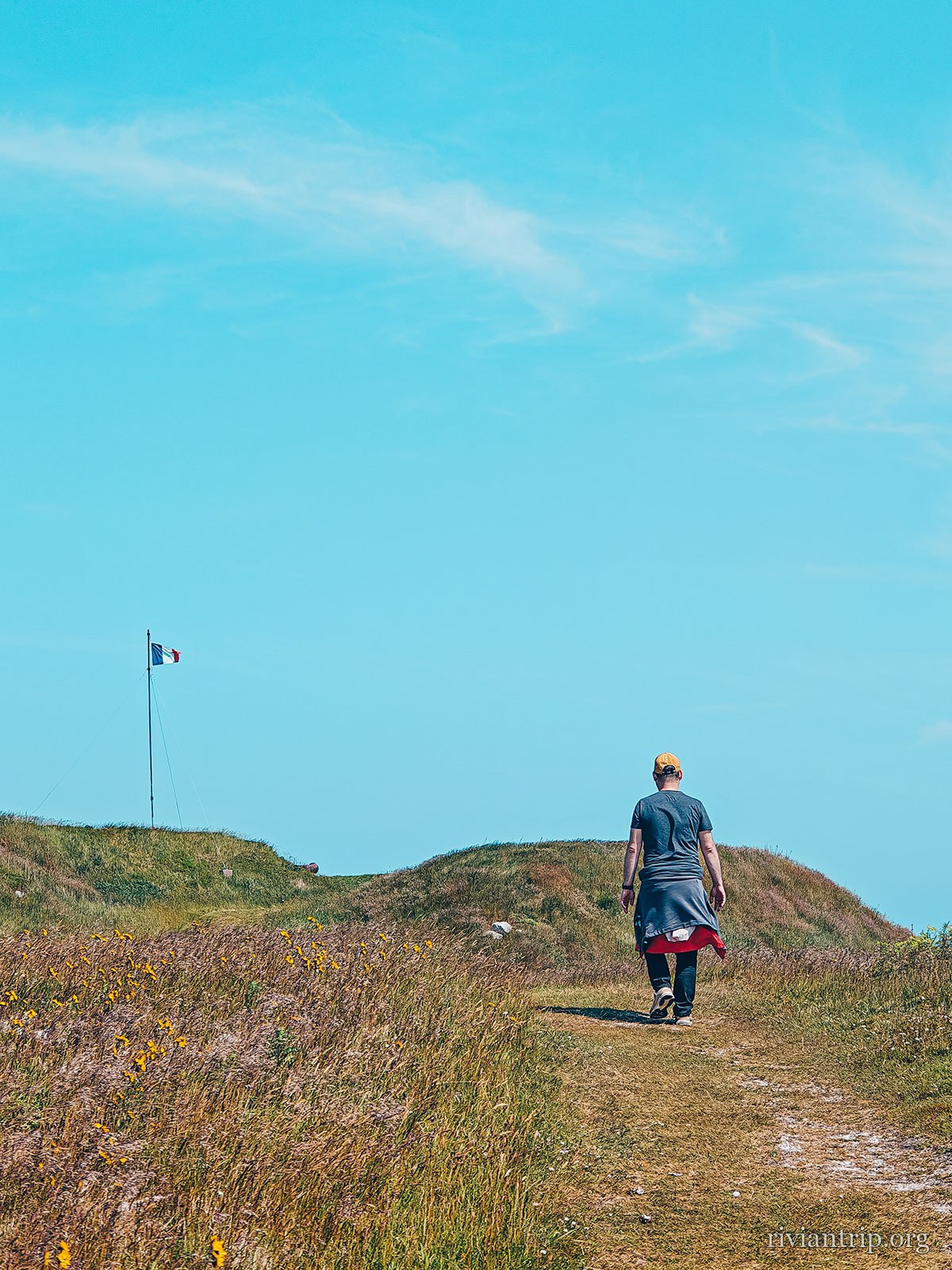
Pointe à Henry · Grand Colombier · Pointe aux CanonsWe also went to Pointe aux Canons, a historic site with a sweeping view over the ocean and the surrounding islands, steeped in history, where one can picture the naval battles fought in this region over the centuries.
The summit
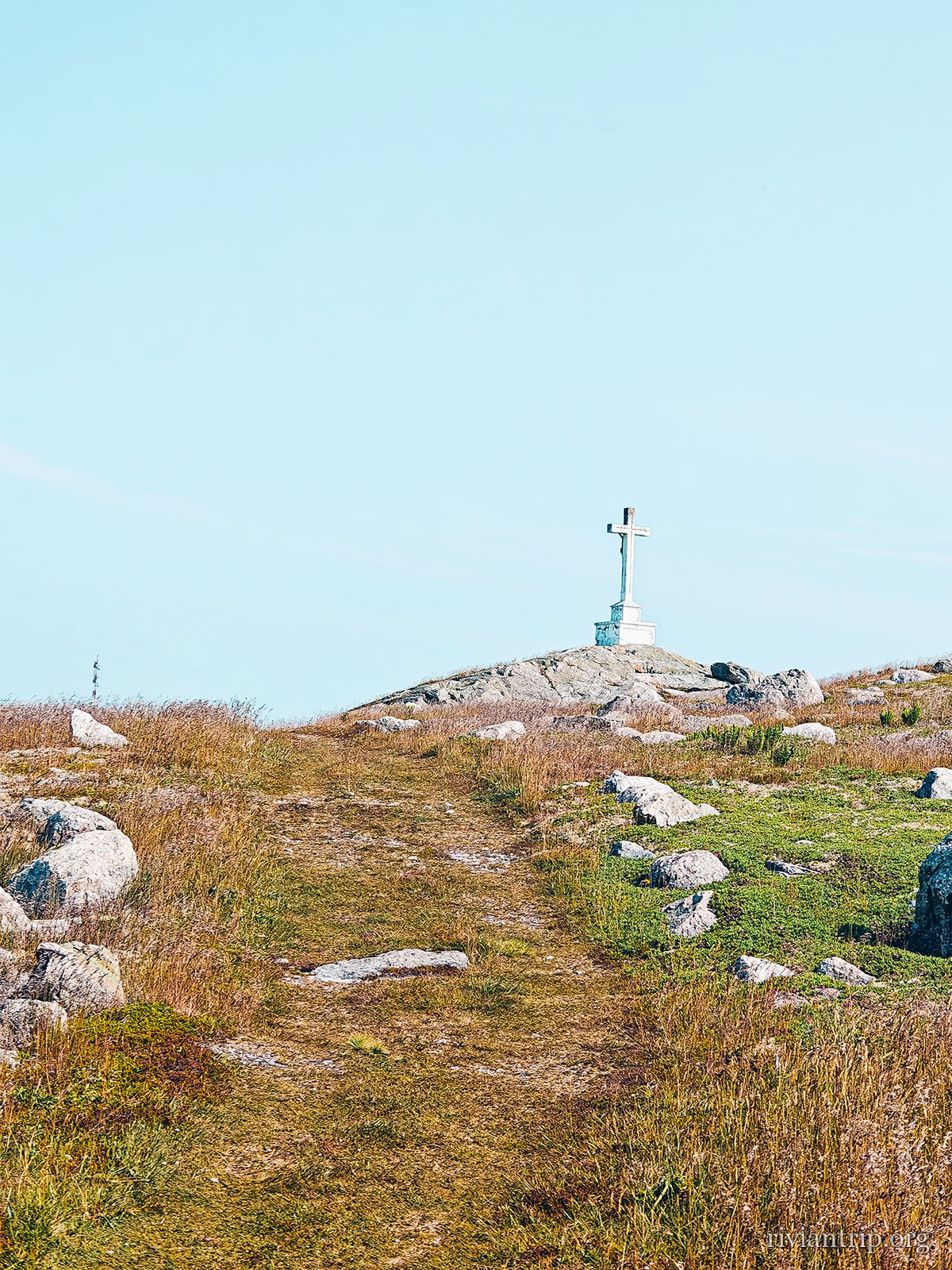
The climb is demanding, the view rewards it.
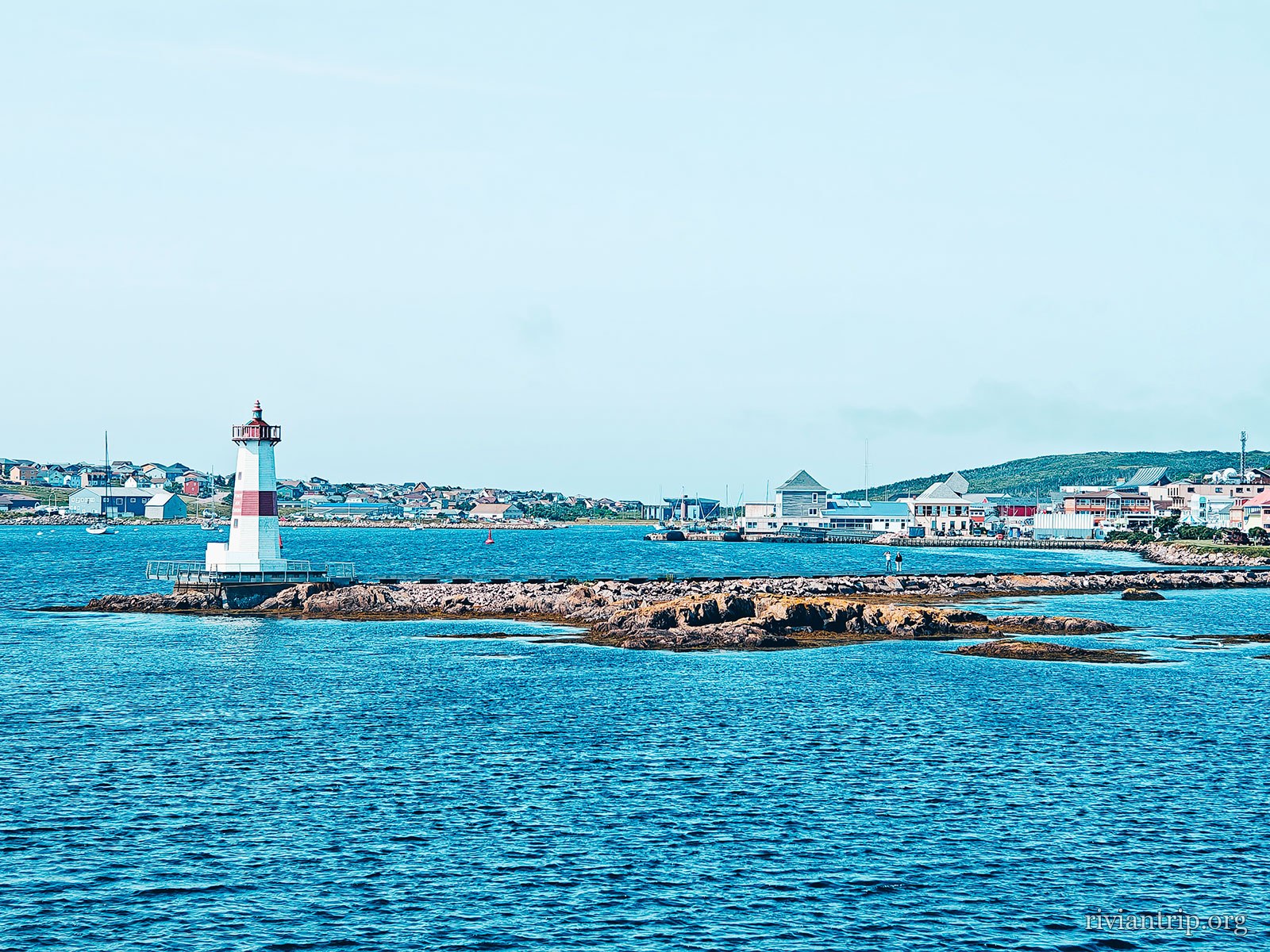
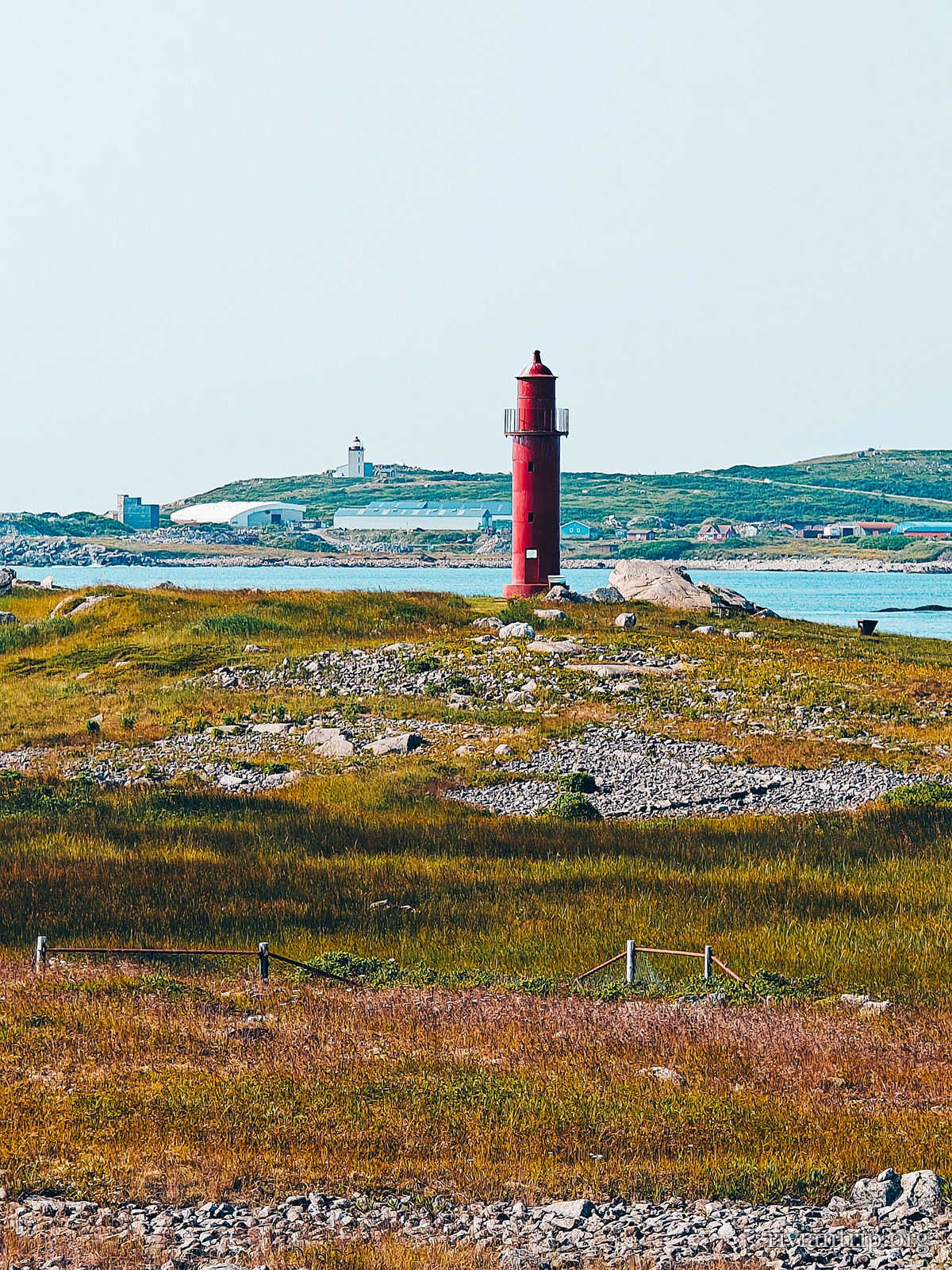
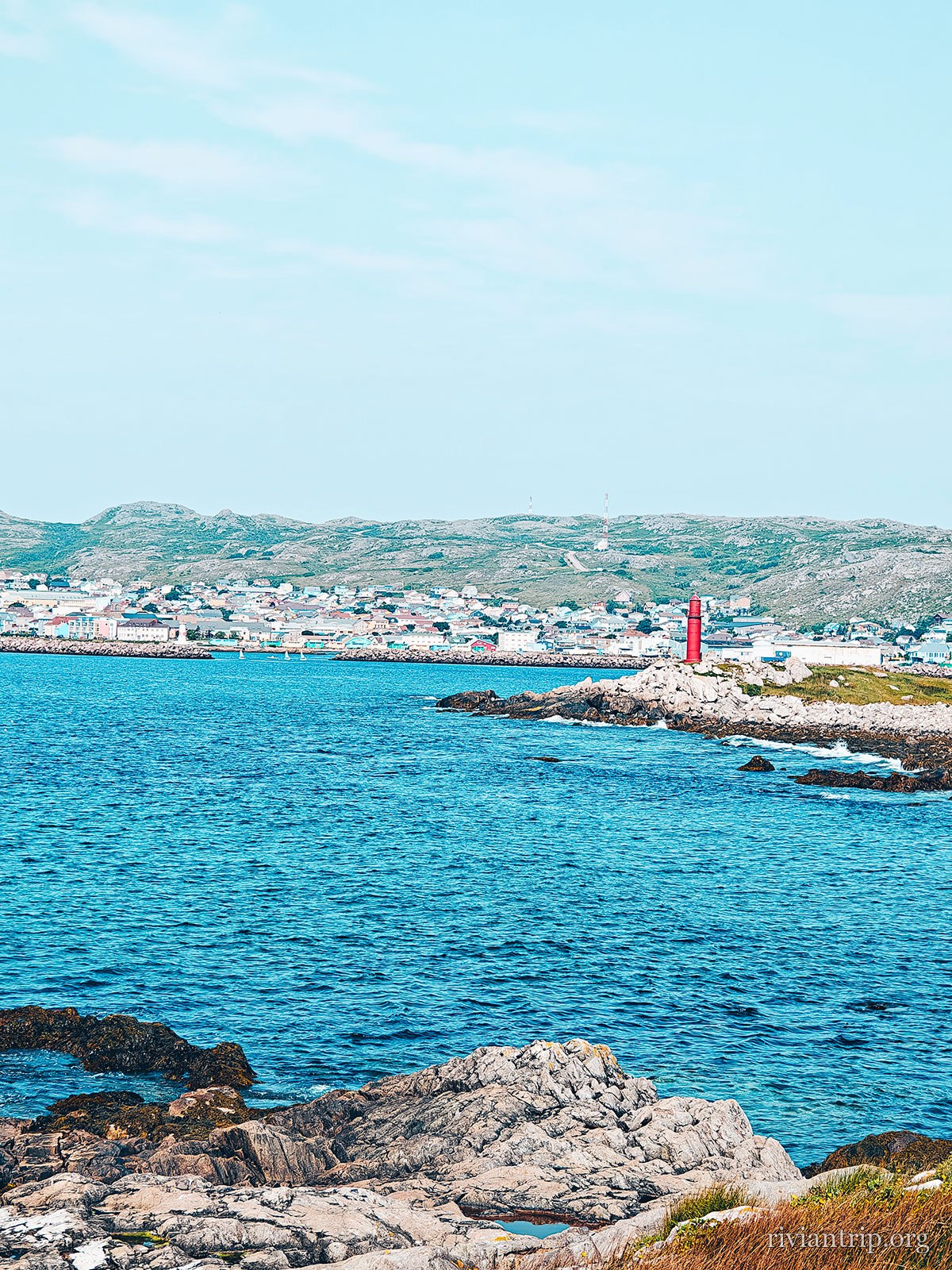
The lighthouse
At the harbour entrance: the naval battles of the past are still easy to picture.
Île aux Marins
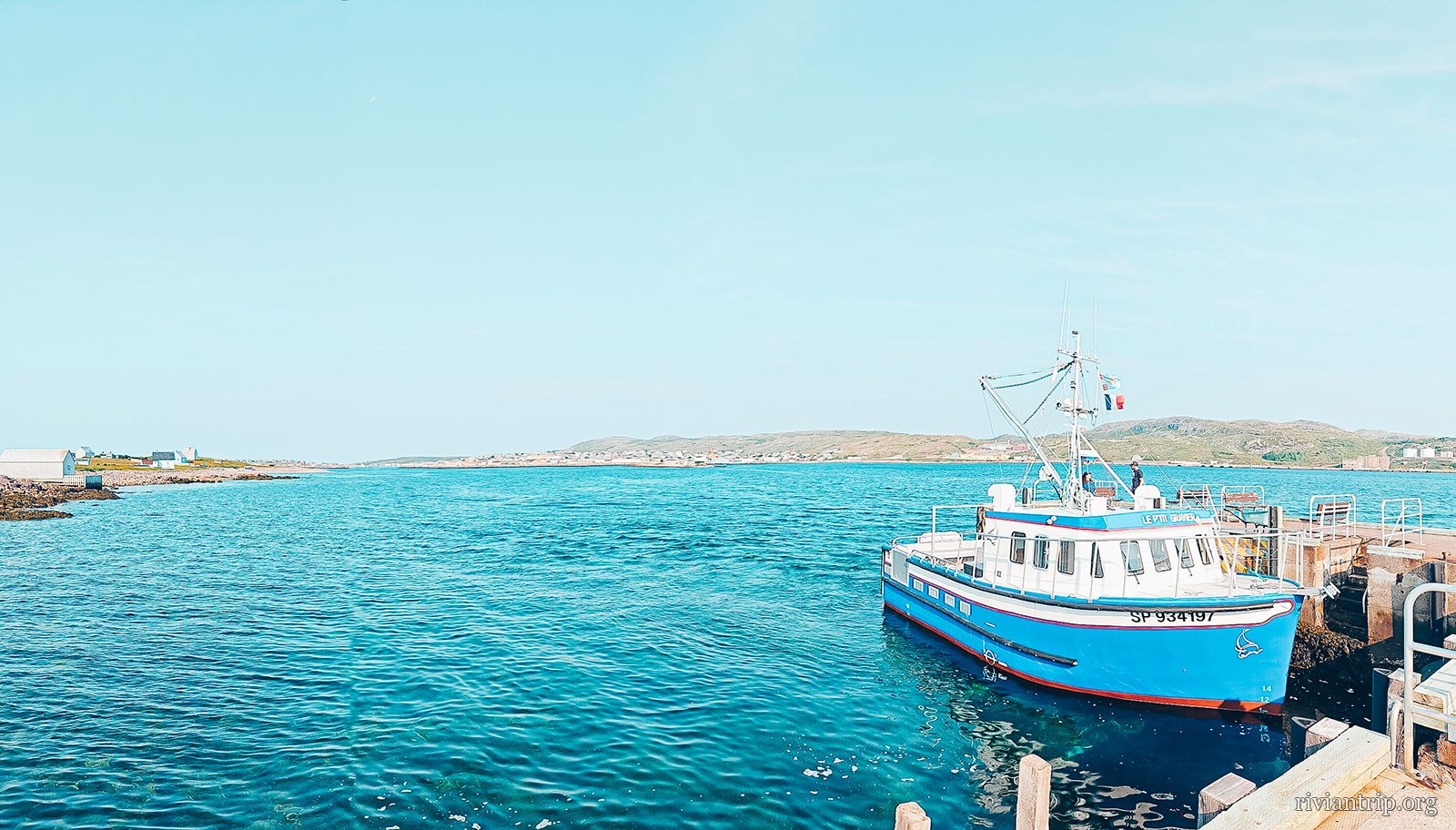
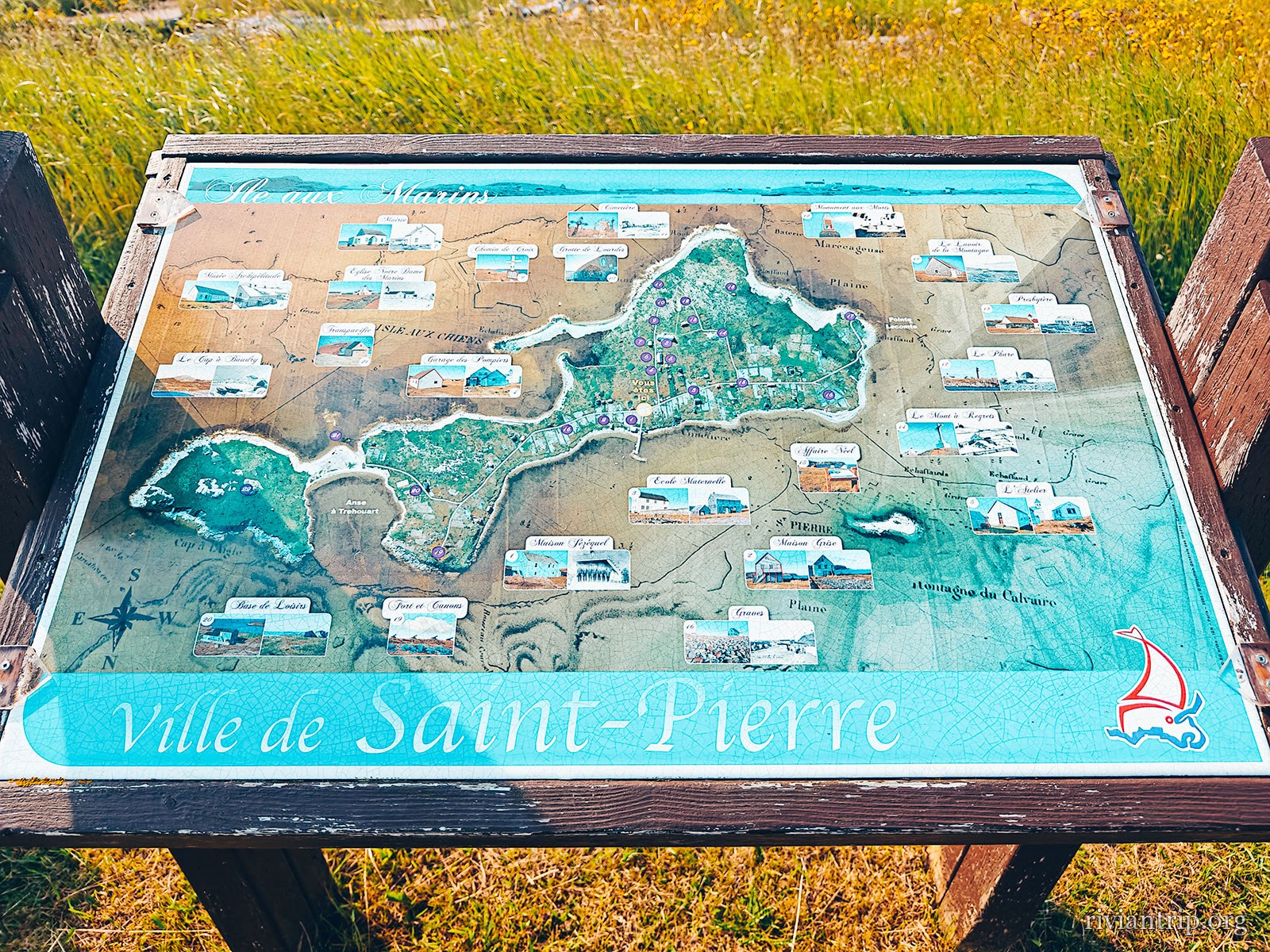
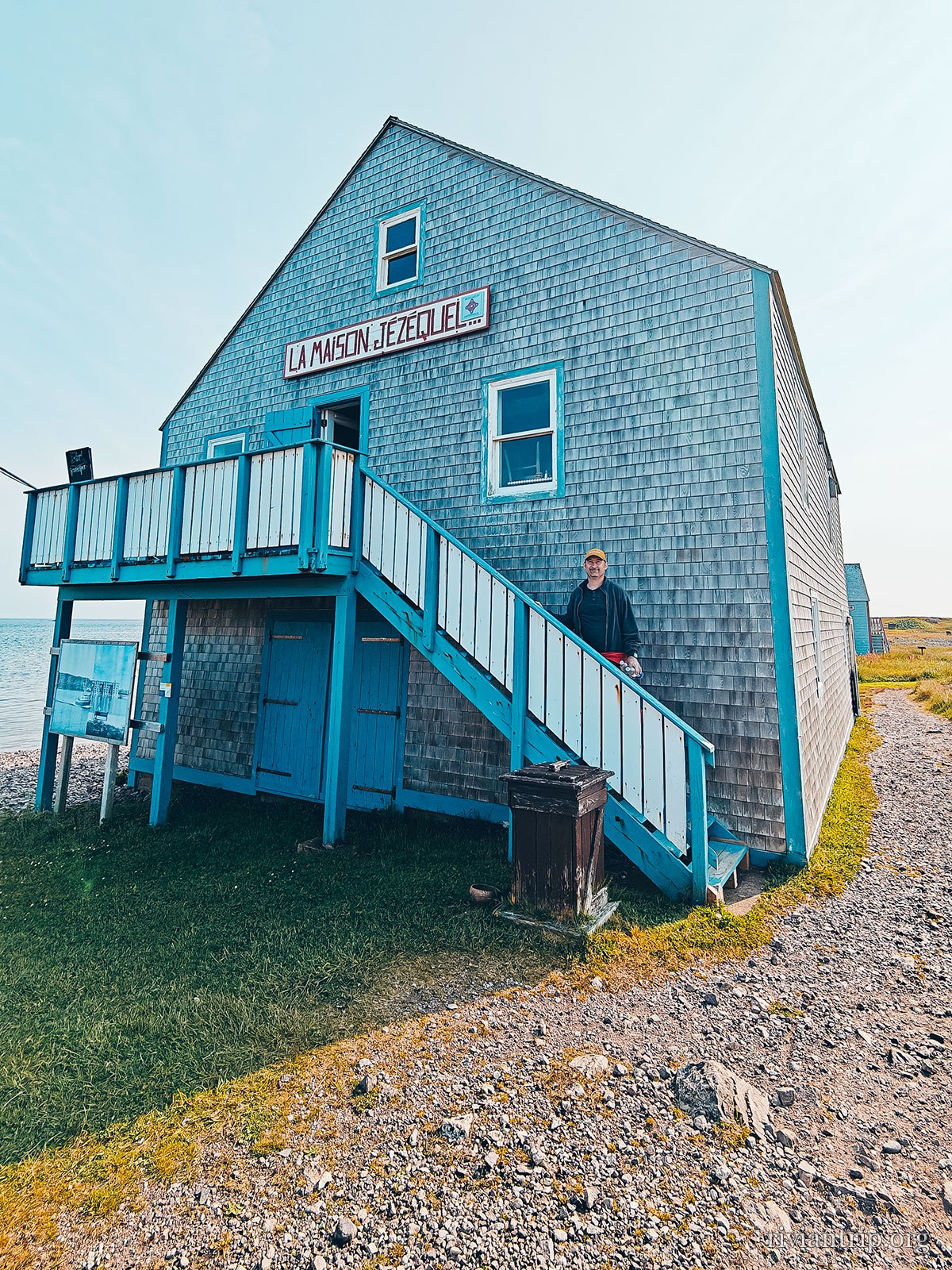
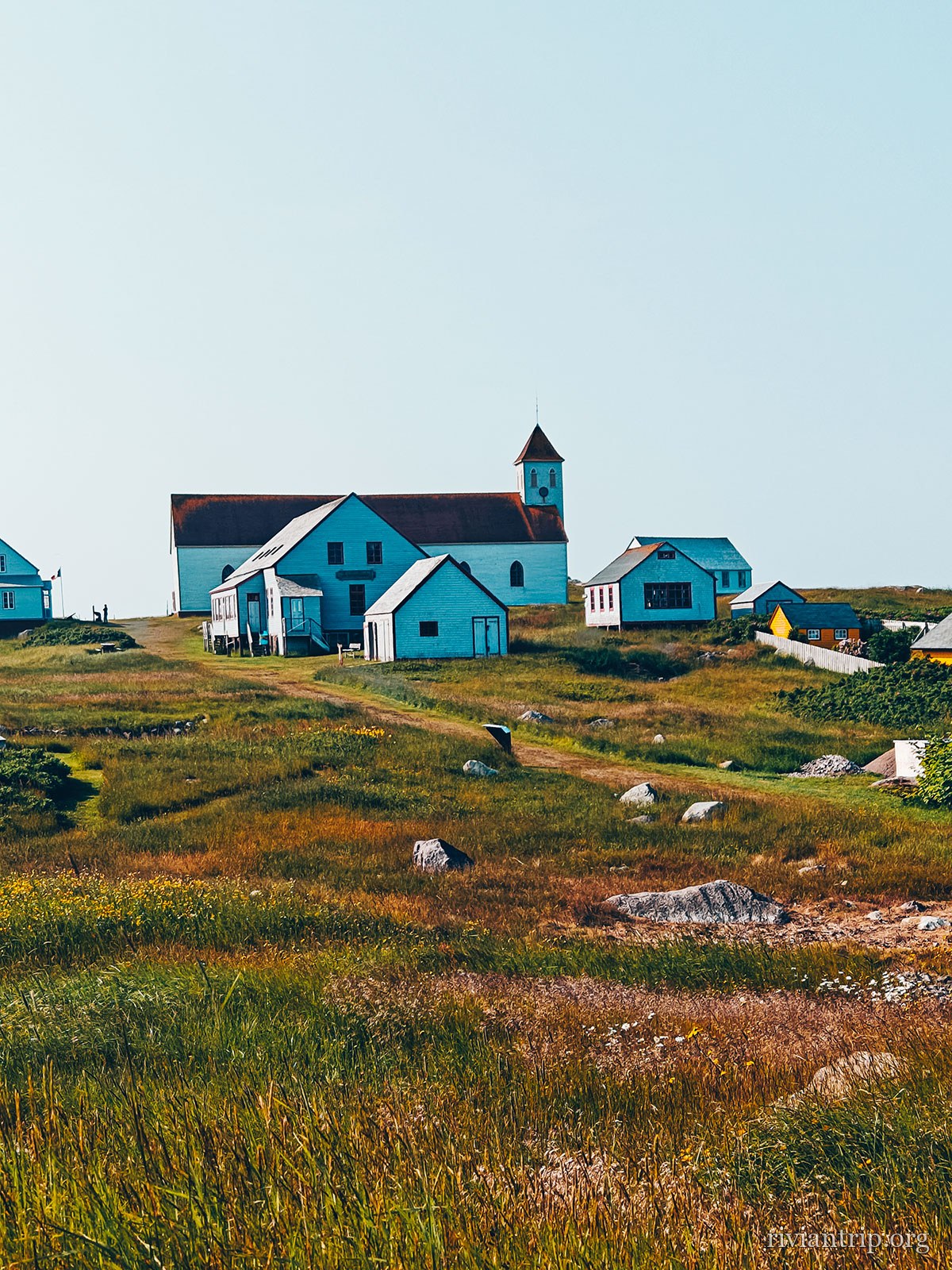
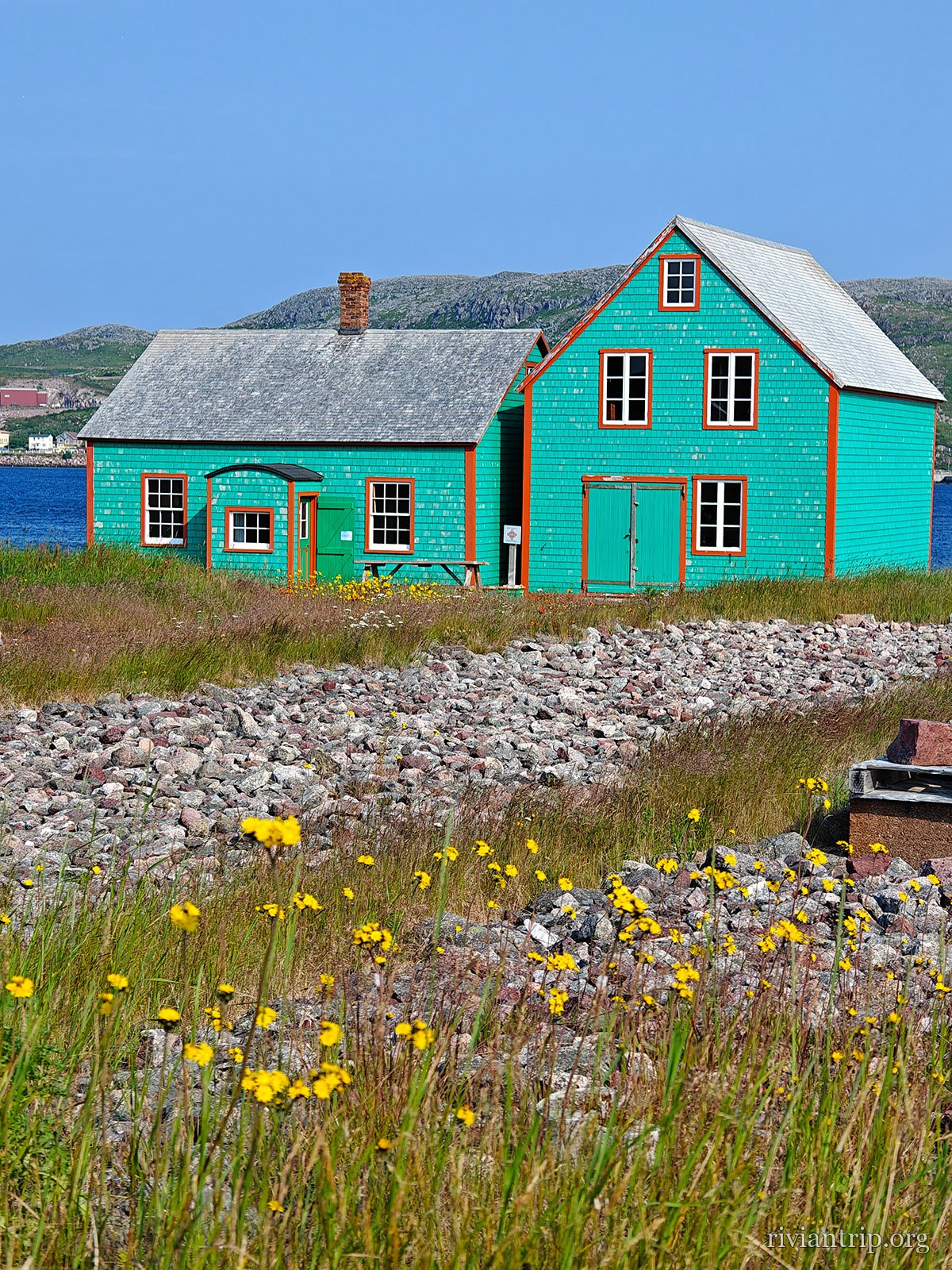
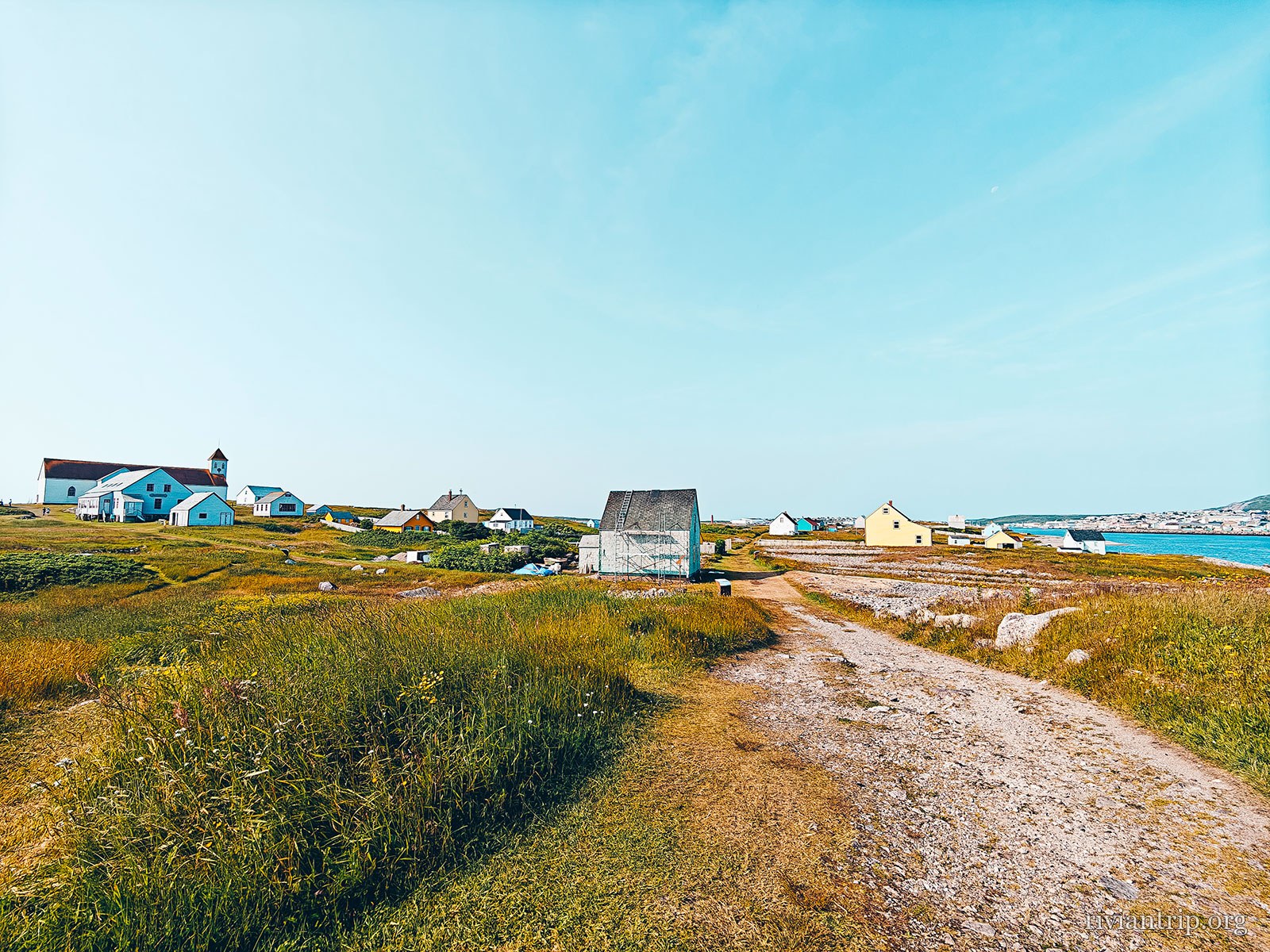
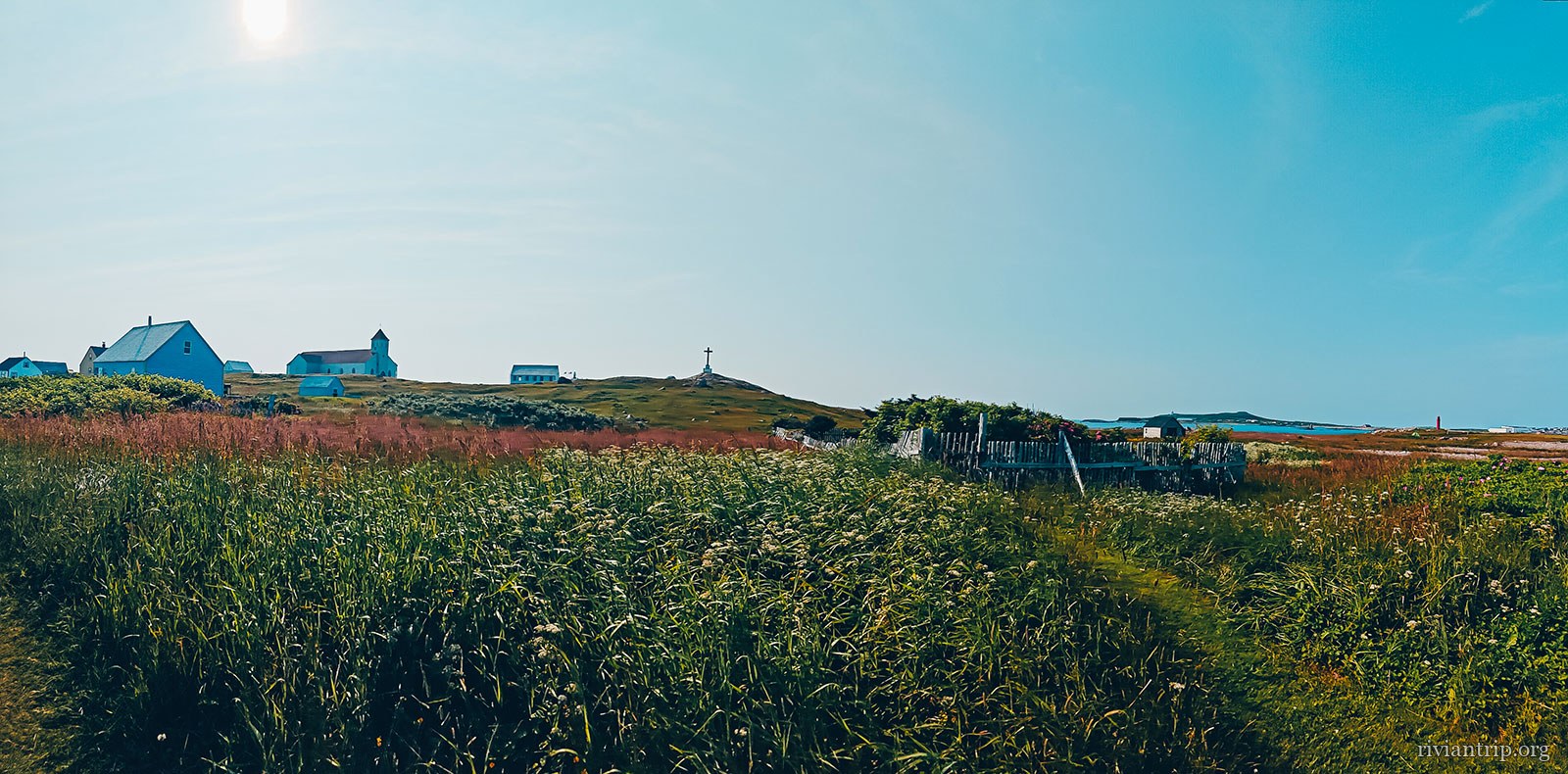
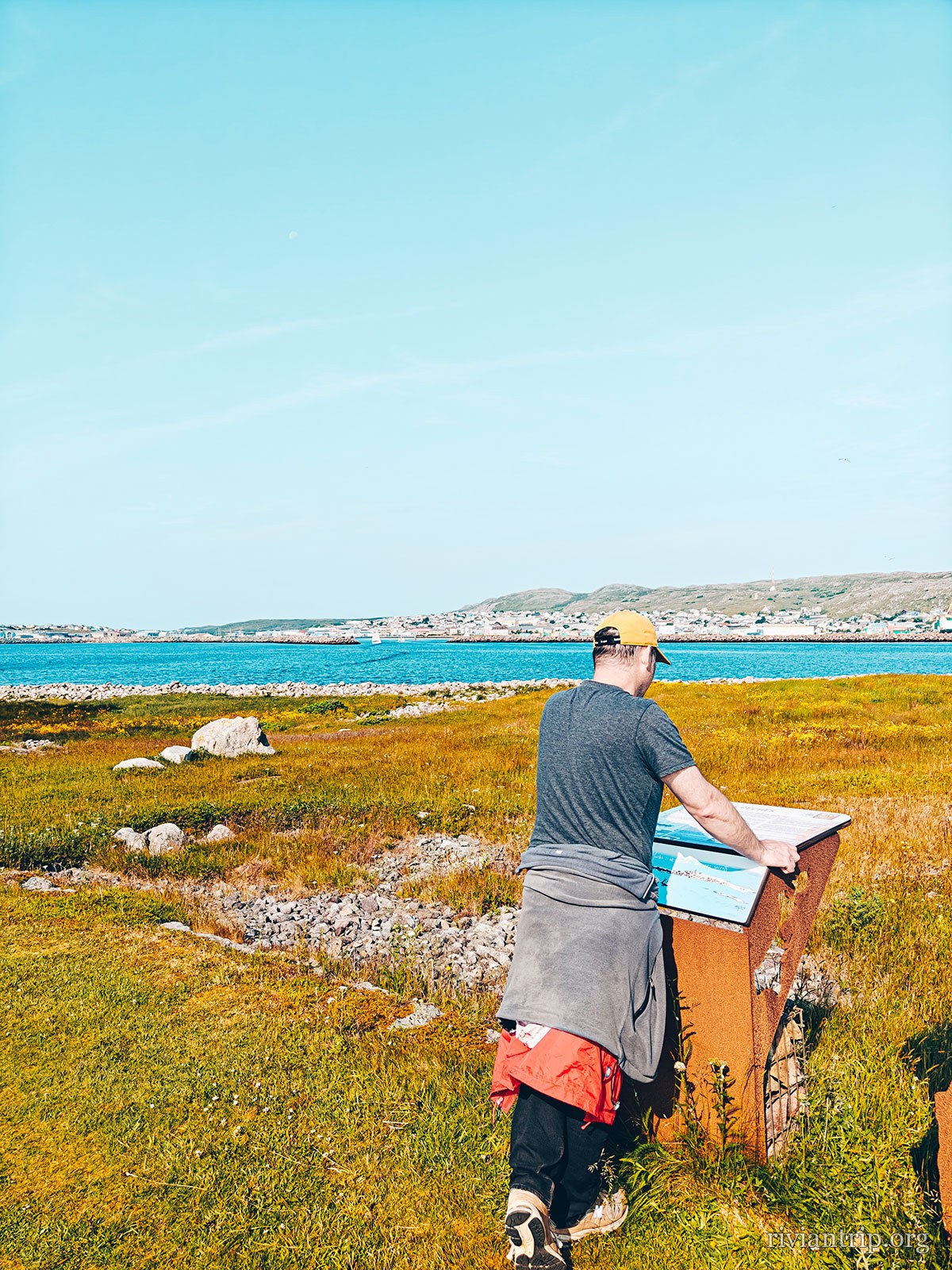
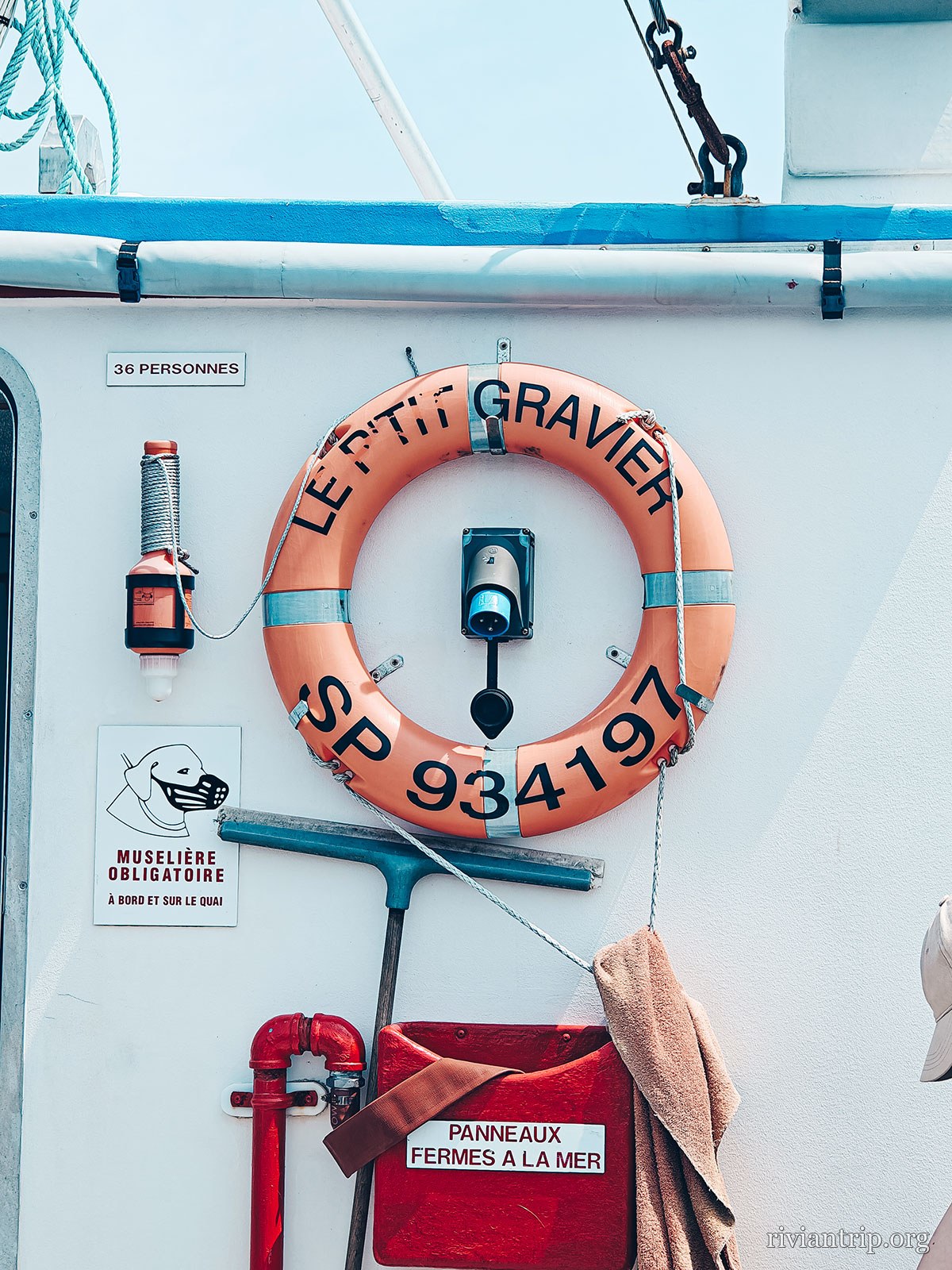
7 minutes by boat · the Rivian in Saint-PierreTo get there we took a small boat, the Petit Gravier, from Saint-Pierre harbour, which runs back and forth every 30 minutes for a 7-minute crossing. The trip is short but pleasant, with a sweeping view over the ocean and the surrounding islands.
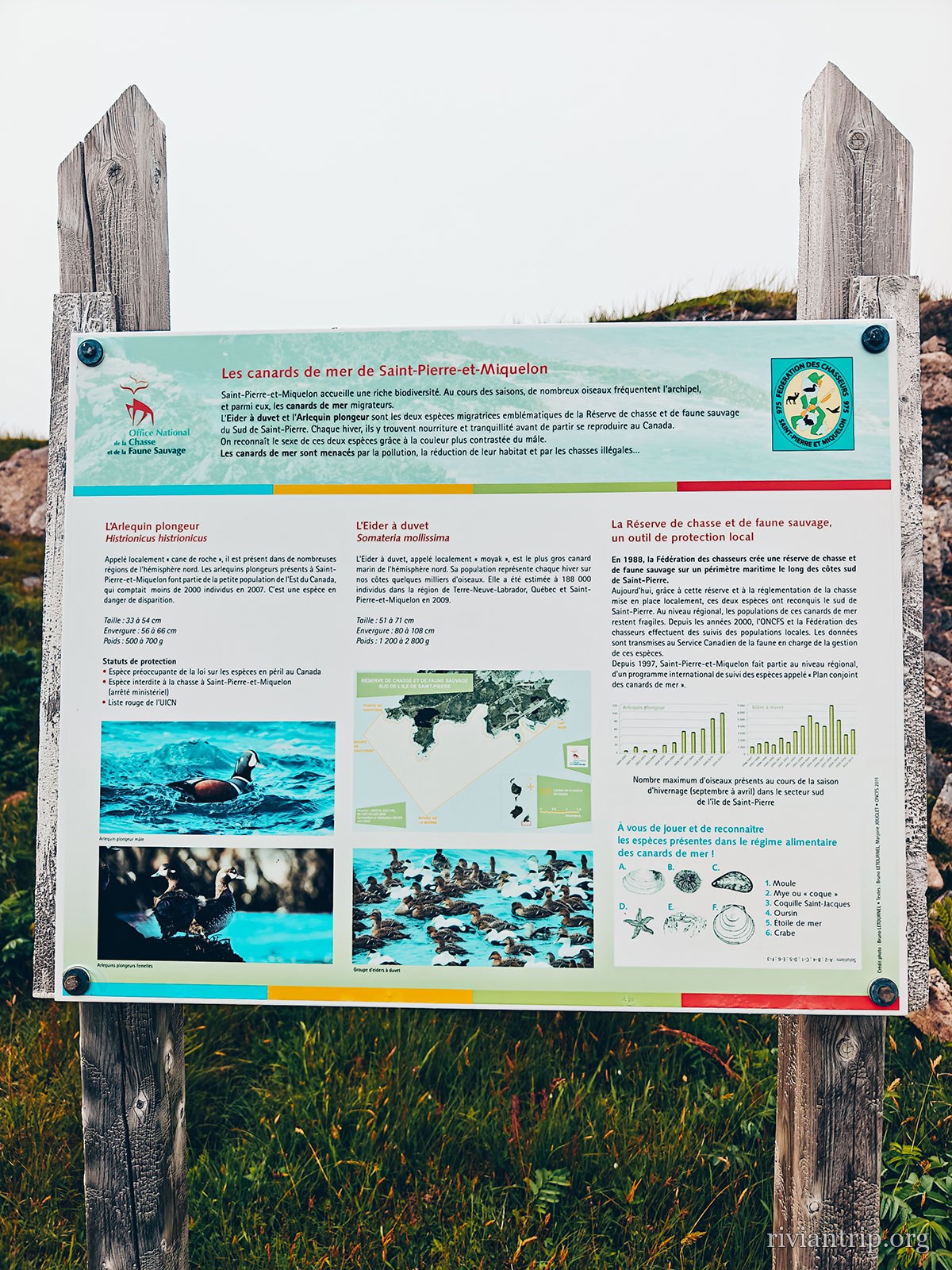
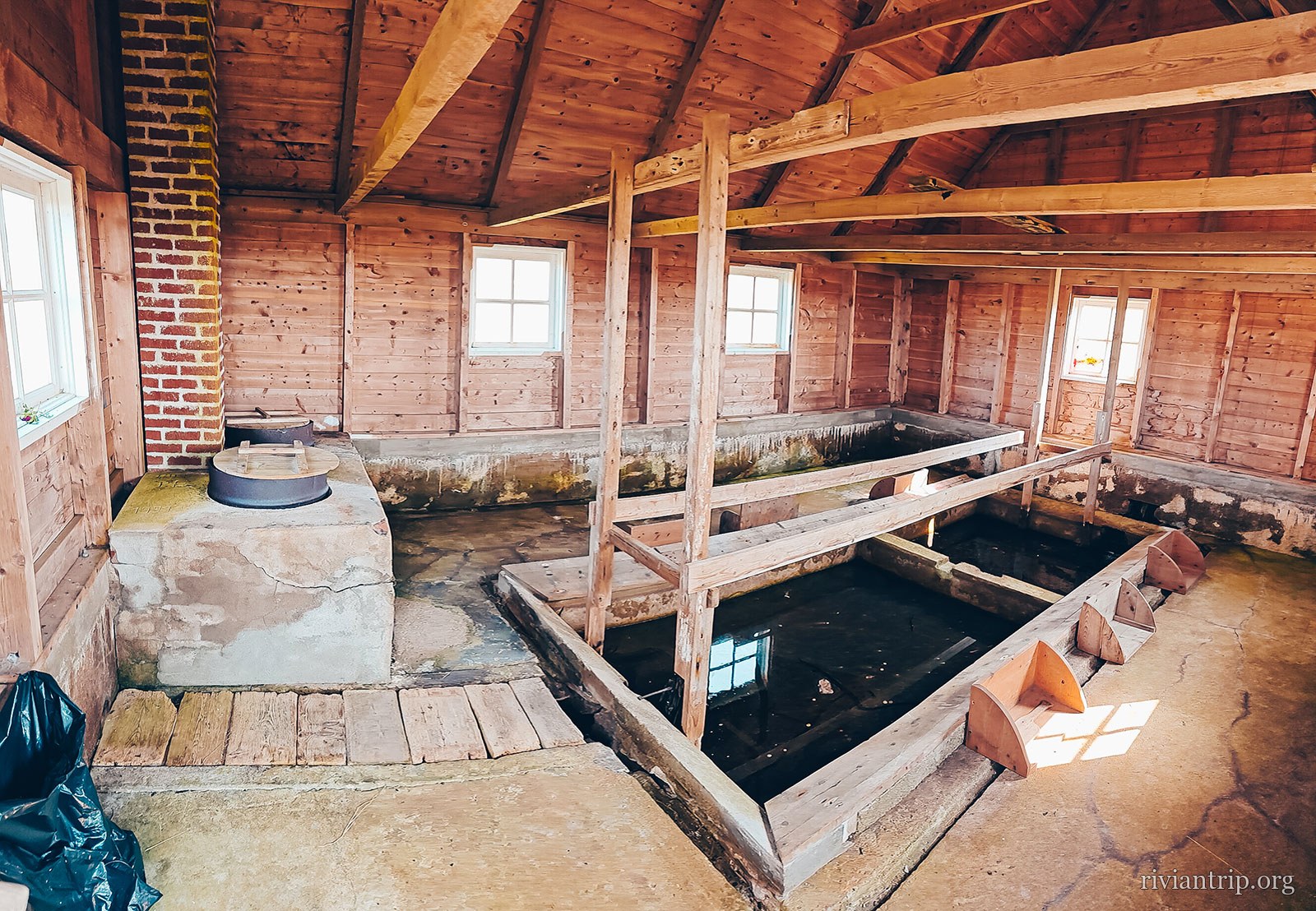
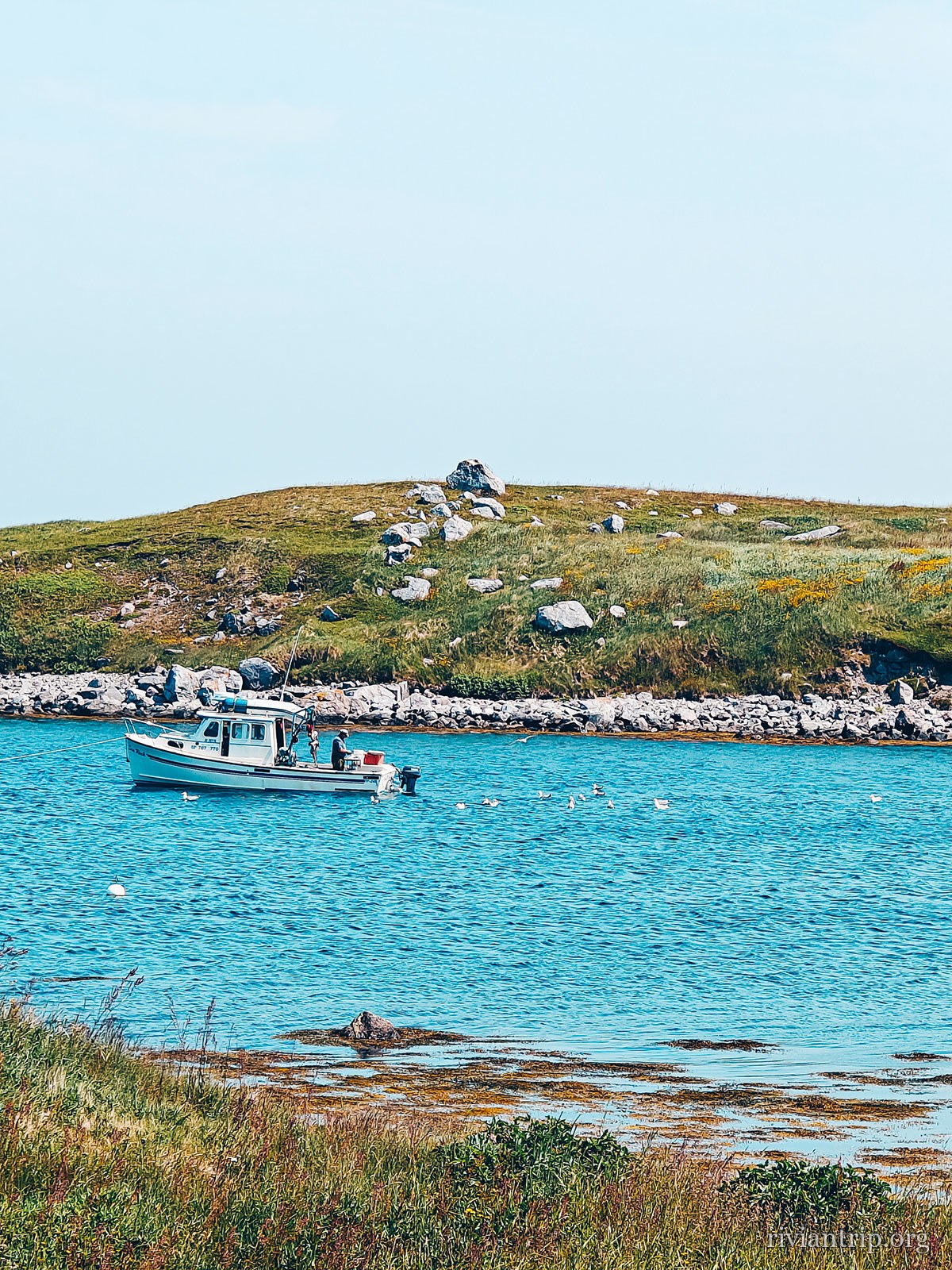
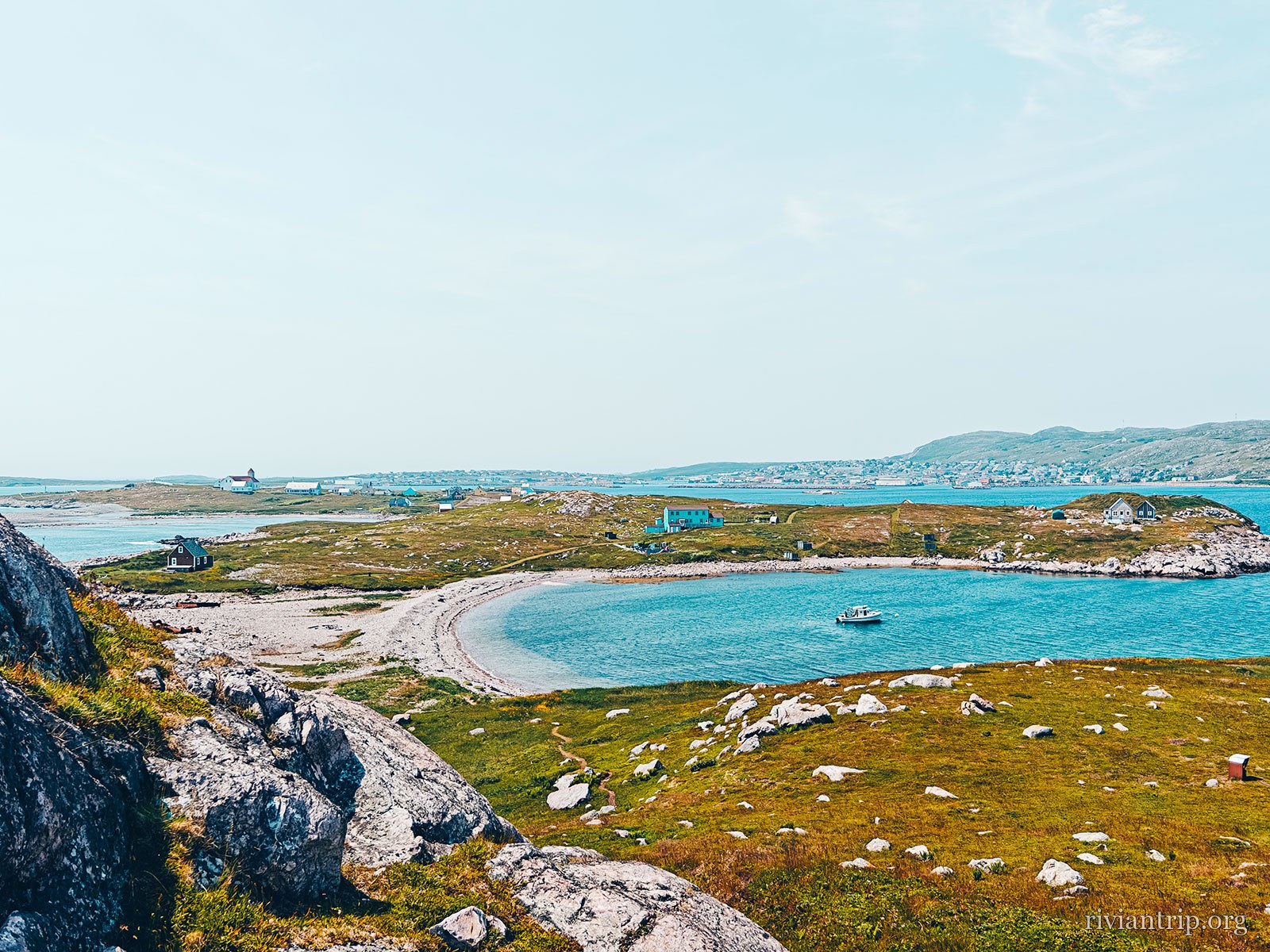
We took the time to wander the island, take in the scenery and photograph this singular place — also an ideal spot to watch the local wildlife, seabirds and seals.
The Petit Gravier
A 7-minute boat ride from the harbour, every 30 minutes.
The wildlife
Seabirds and seals are easy to spot.
On the island
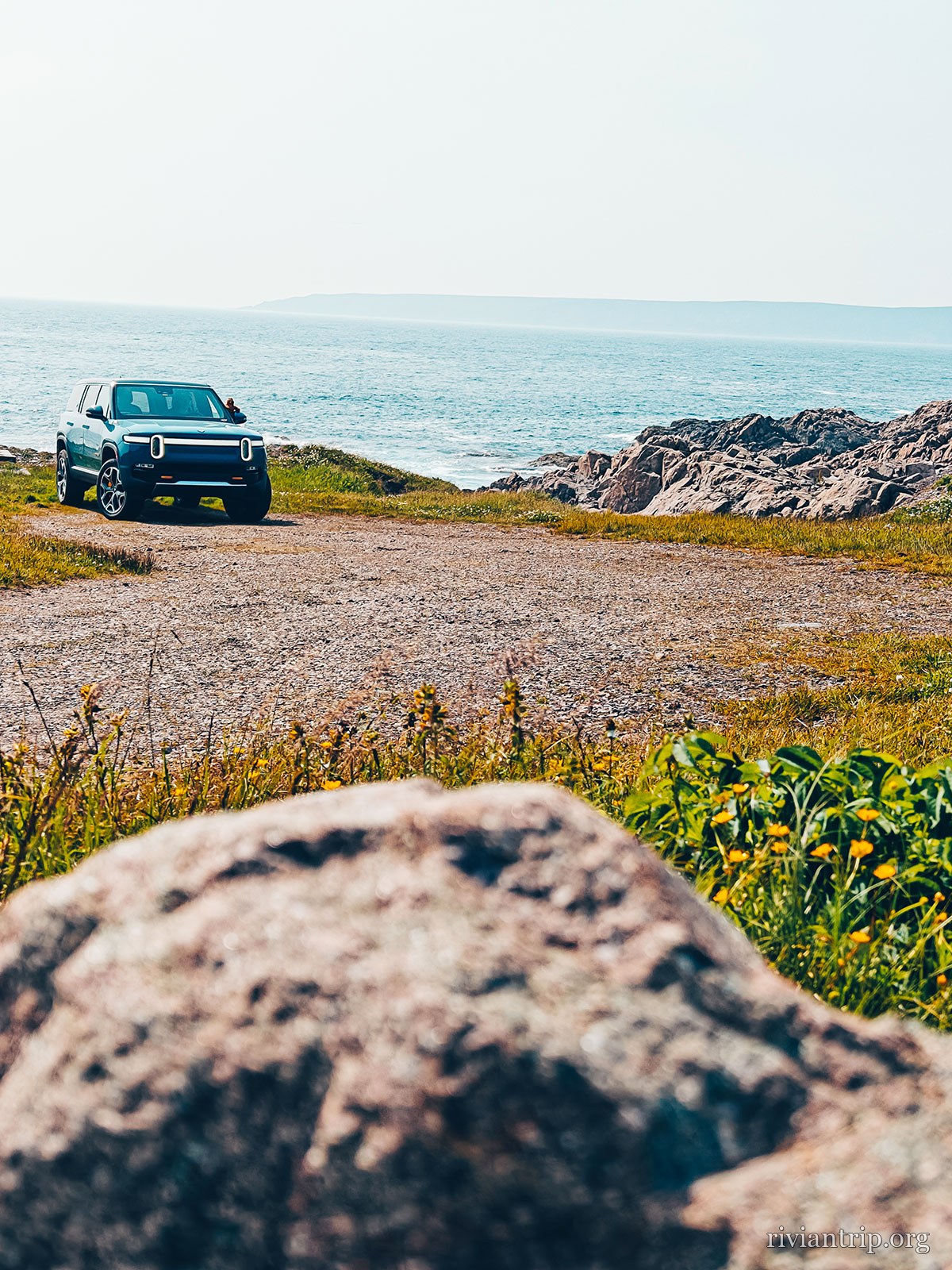
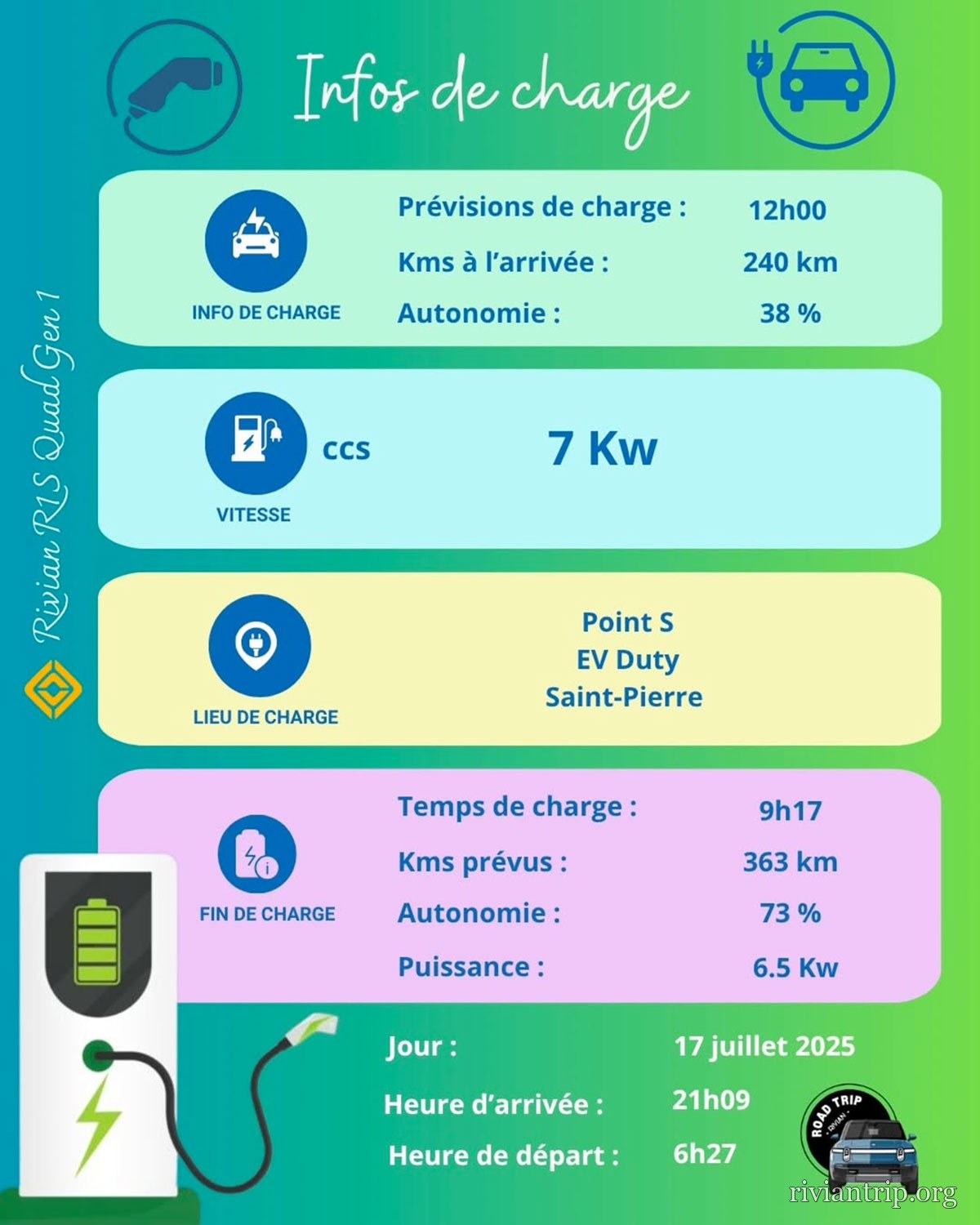
Even here, at the end of the earth, a plug is waiting.
Miquelon
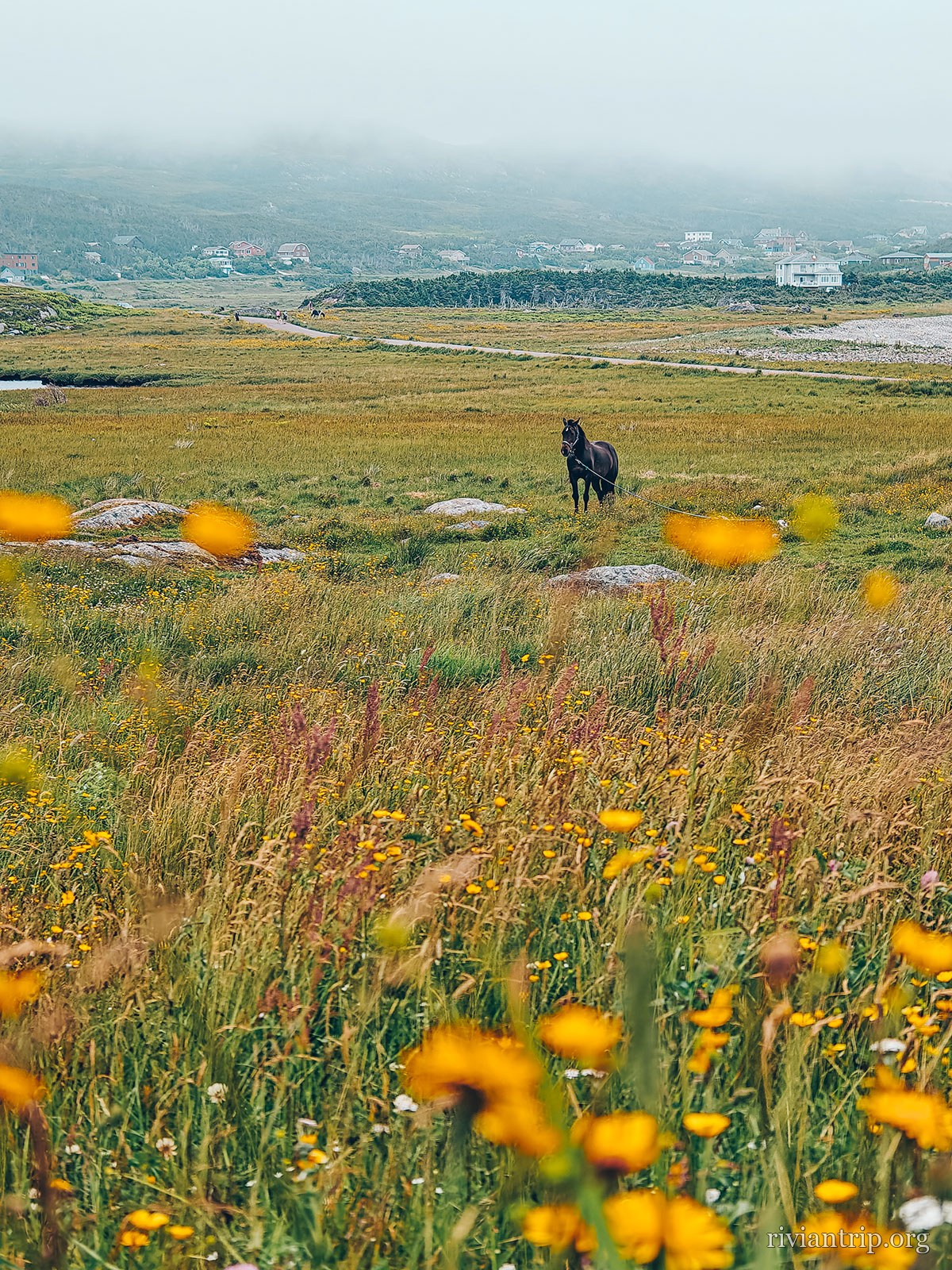
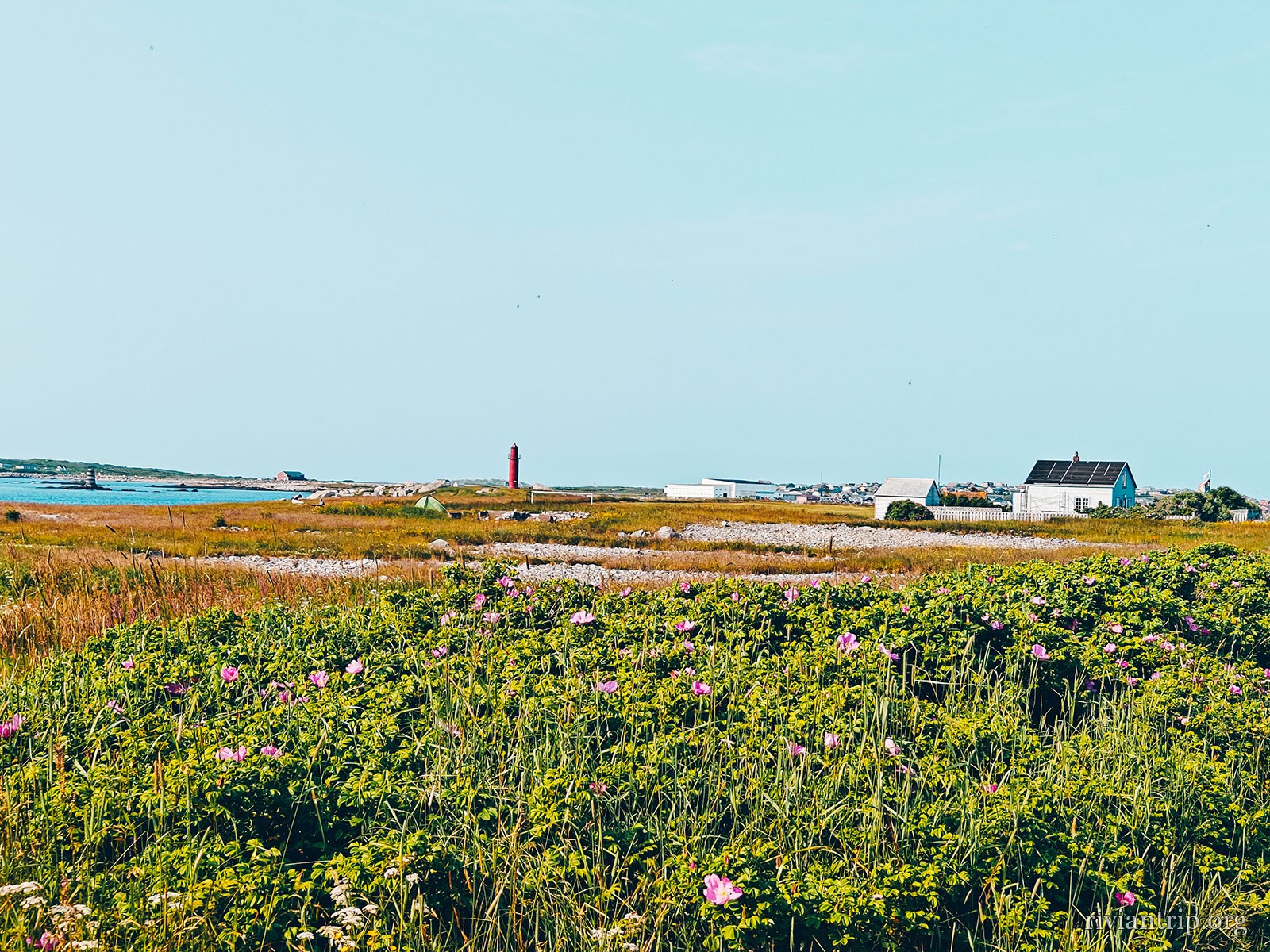
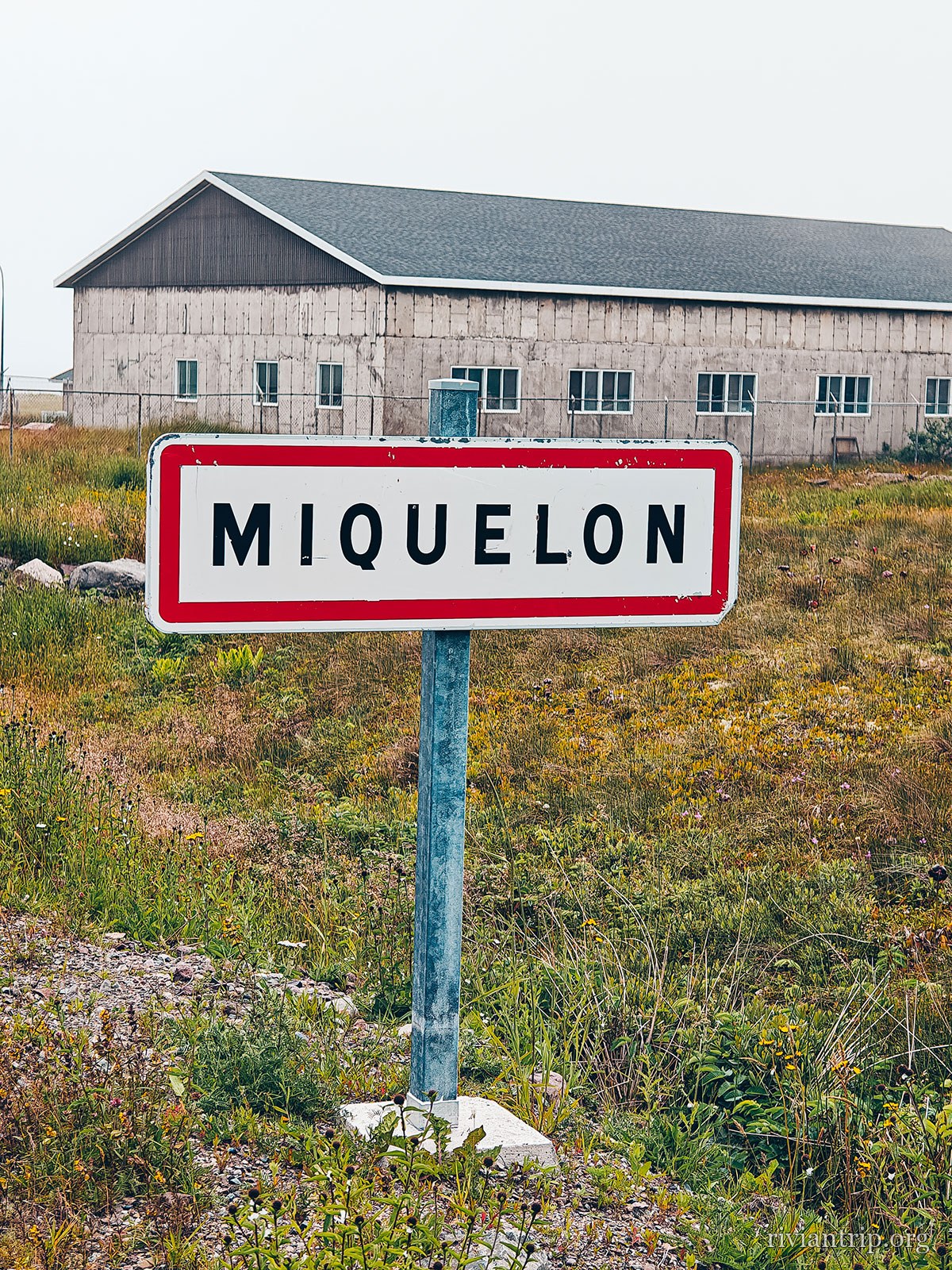
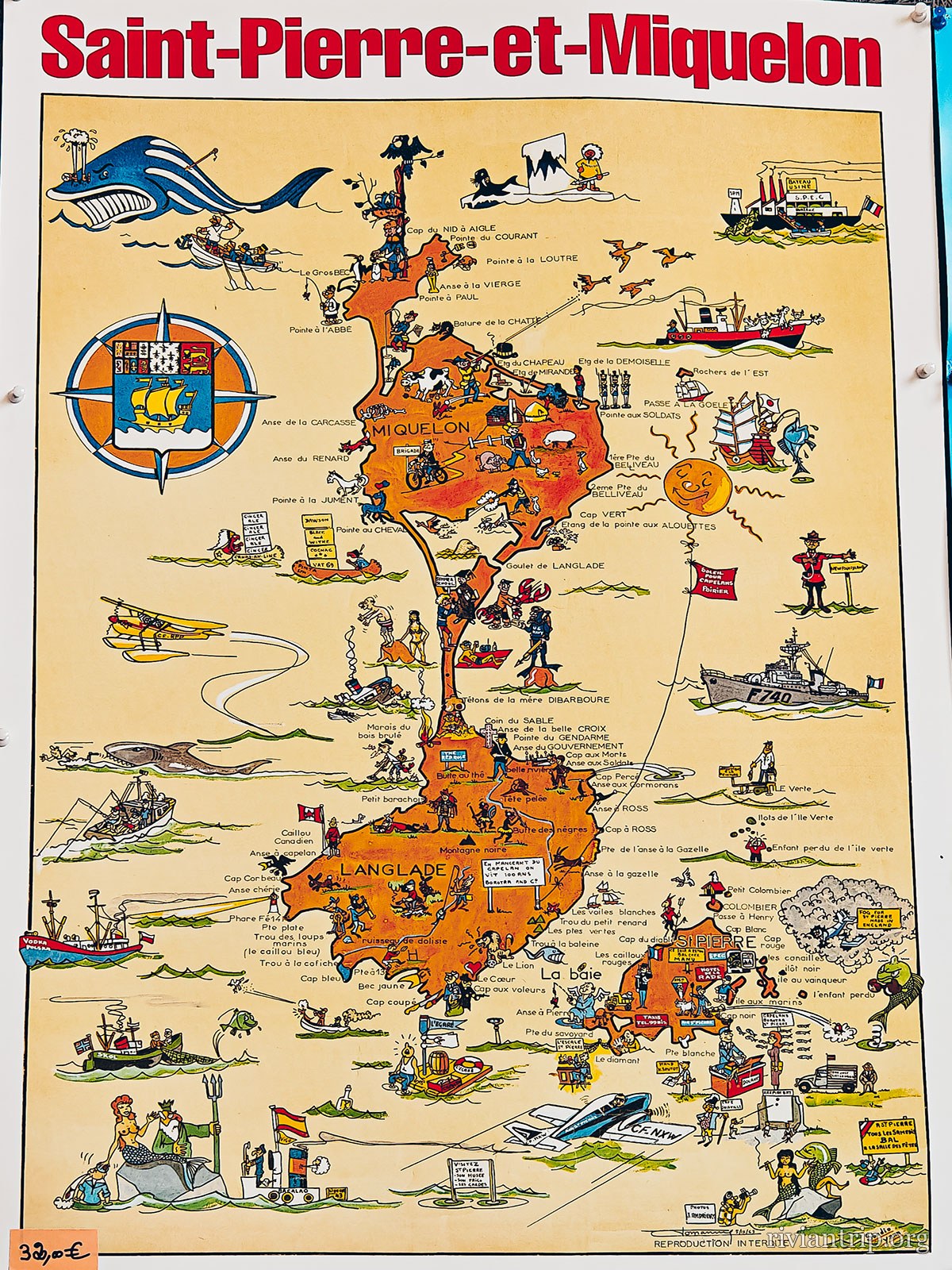
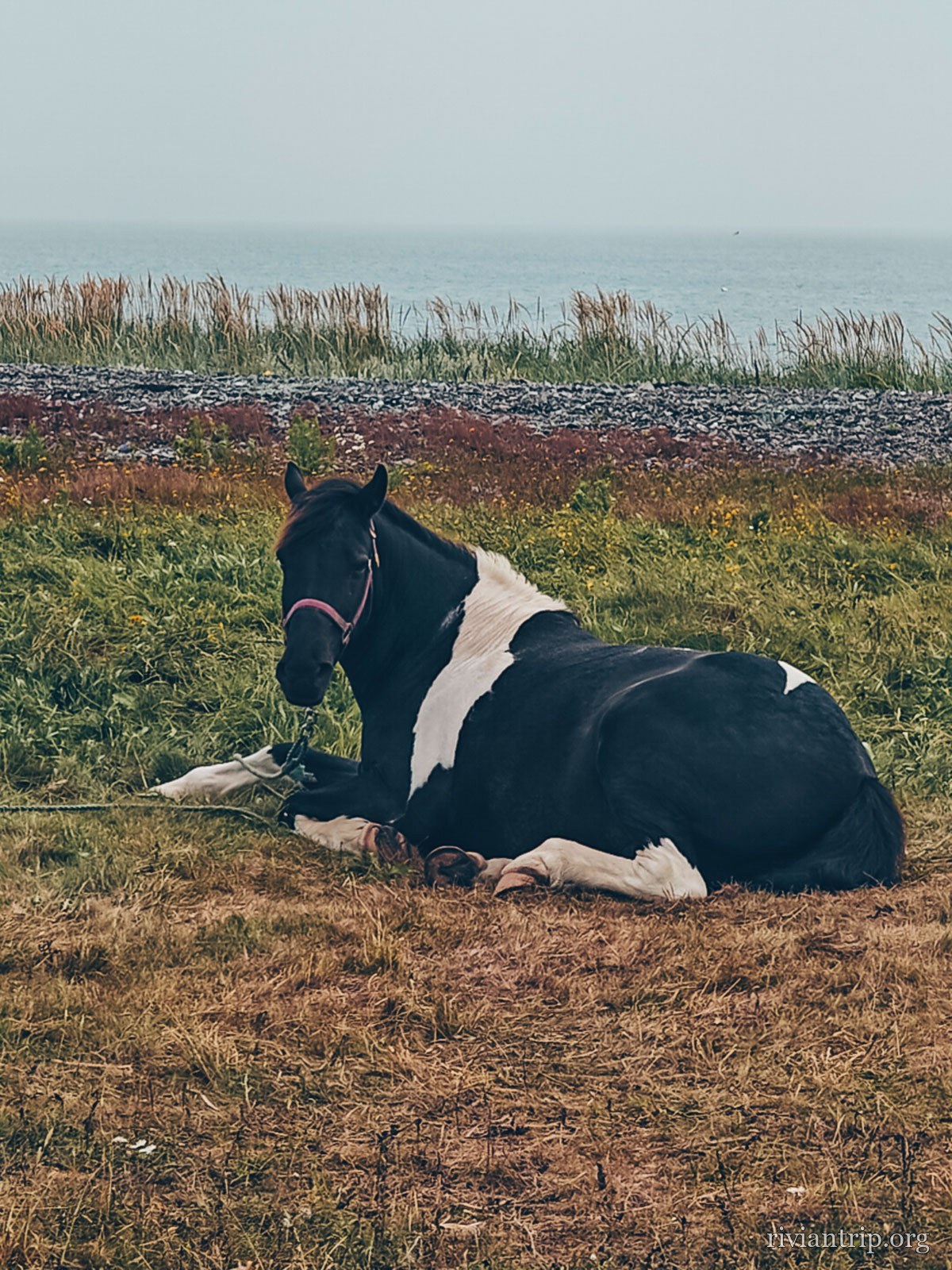
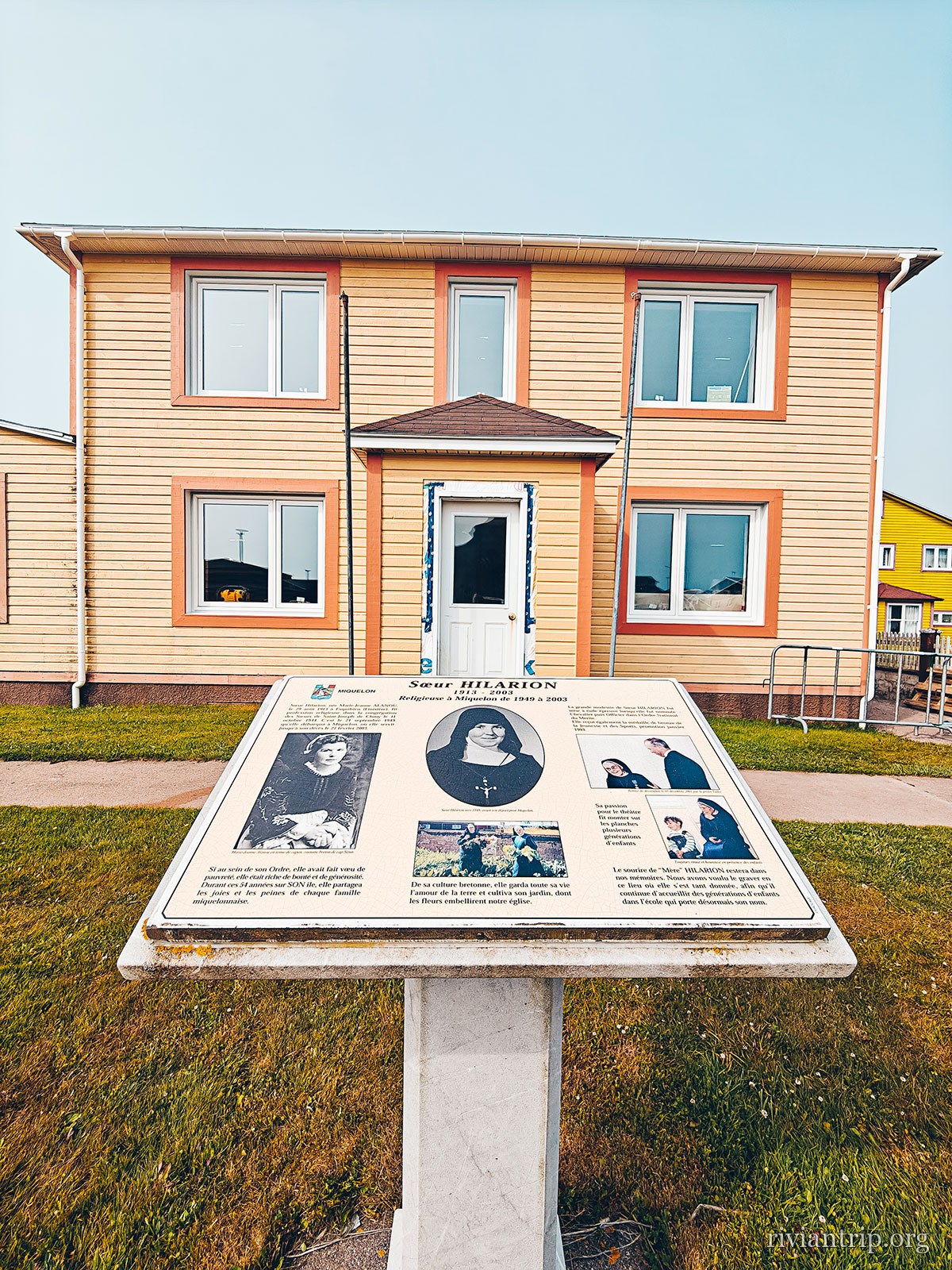
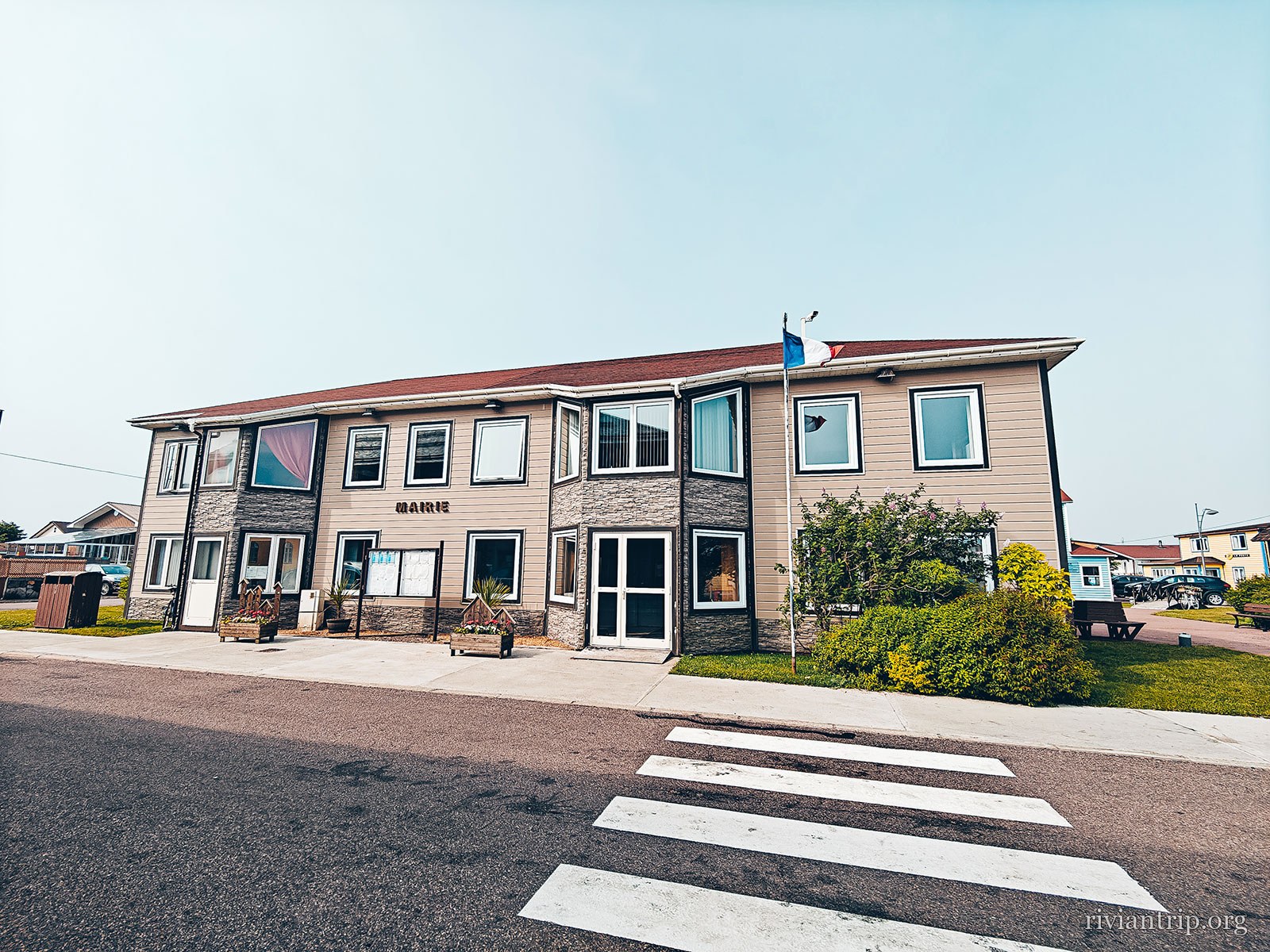
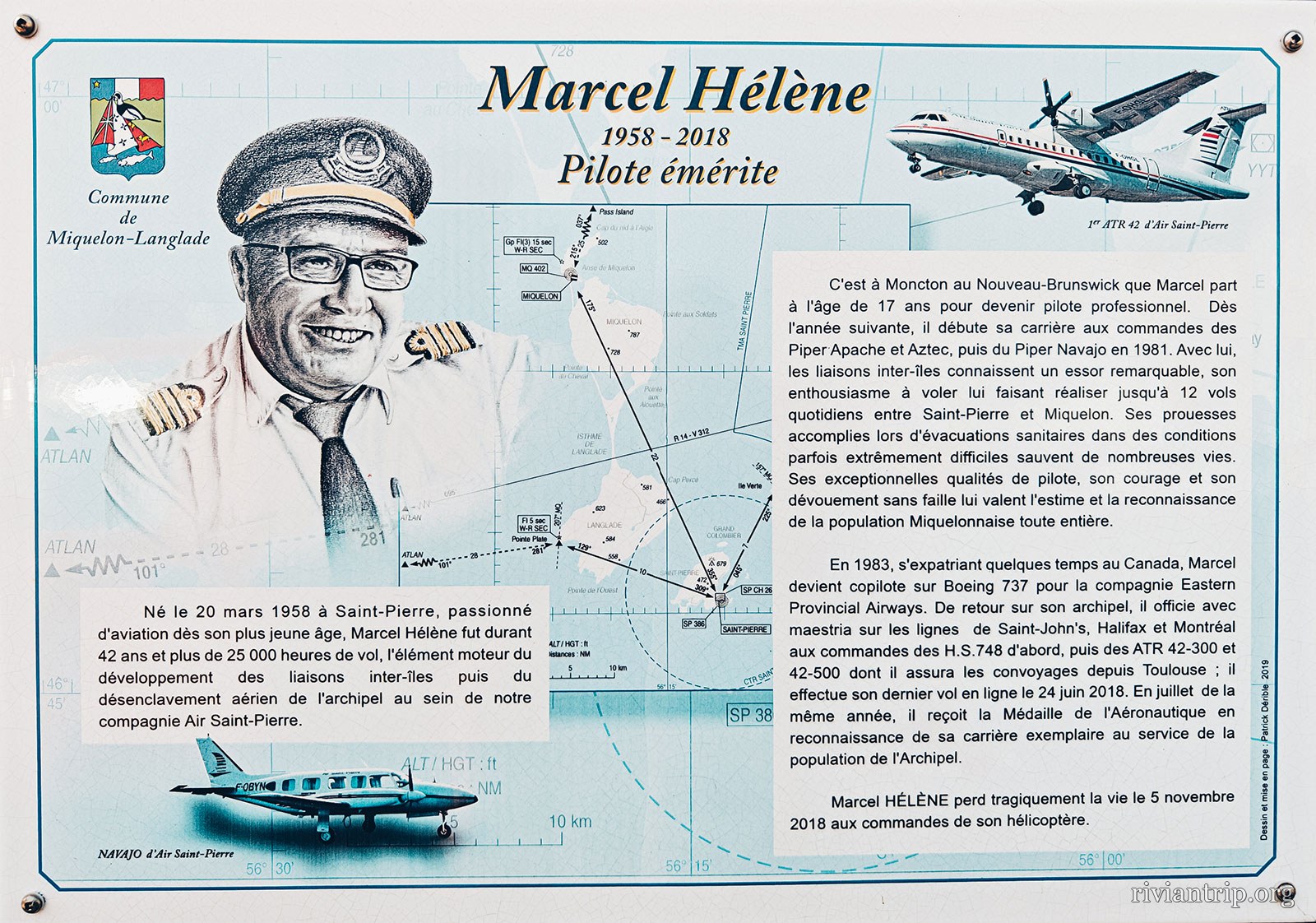
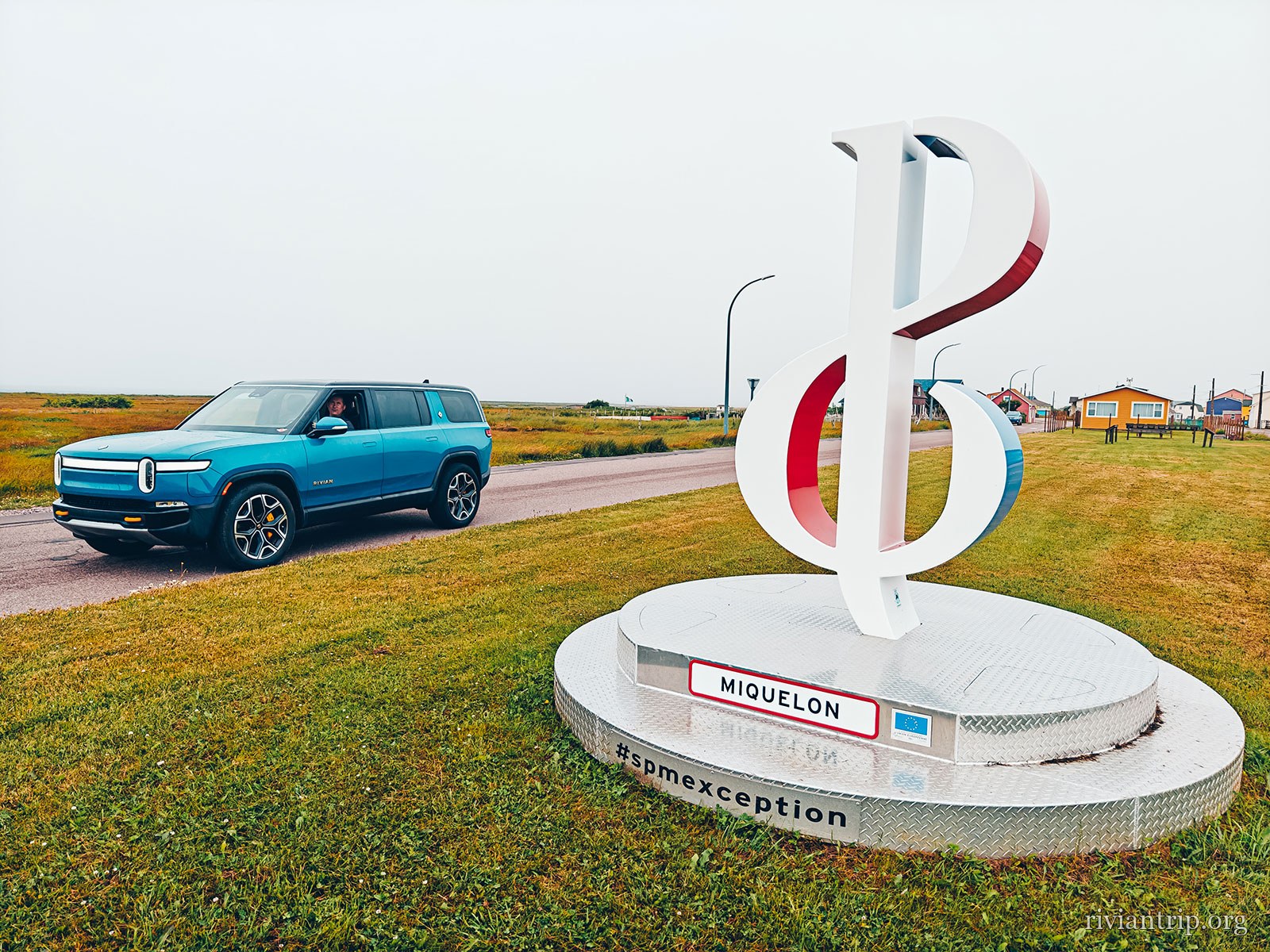
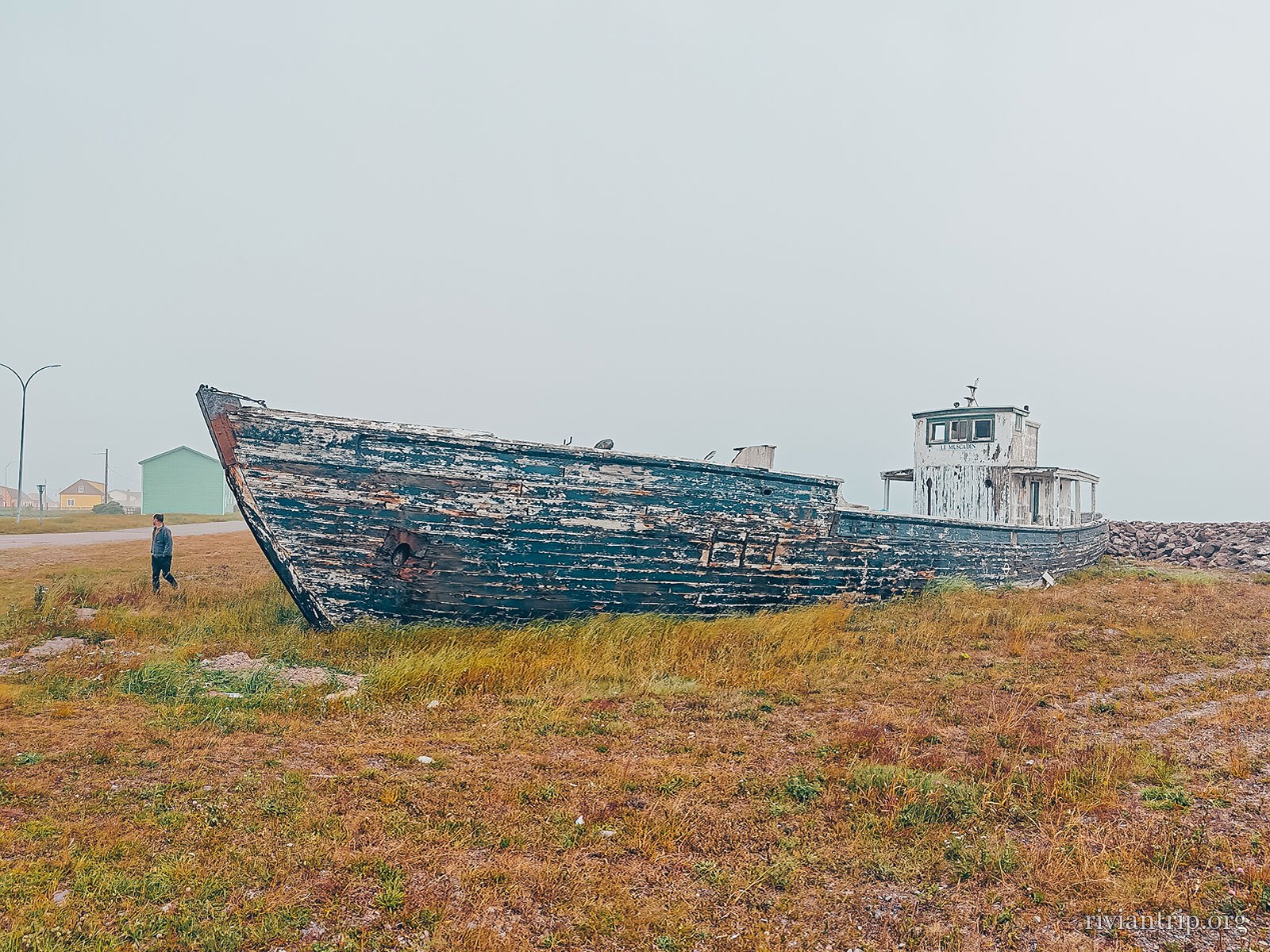
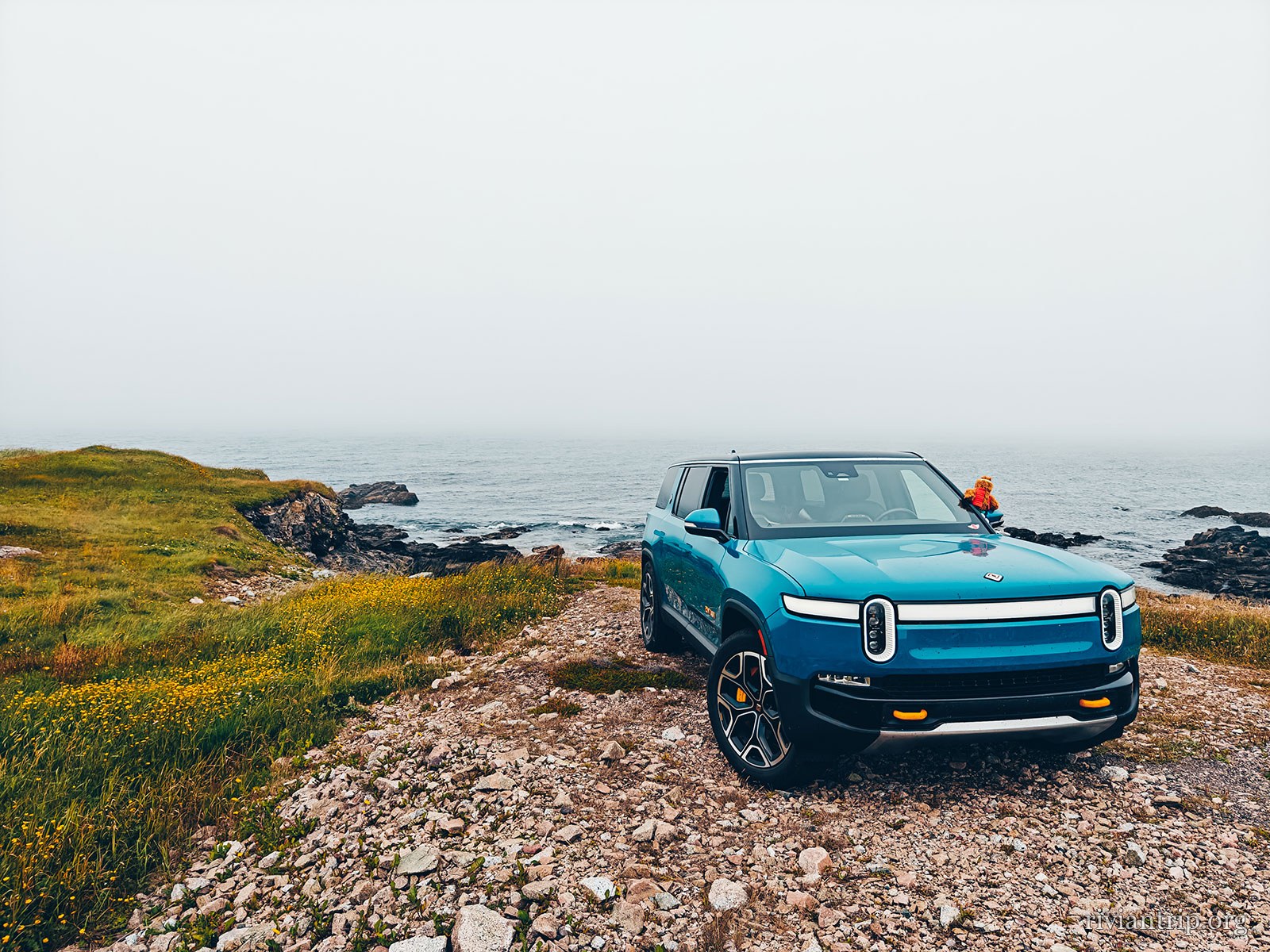
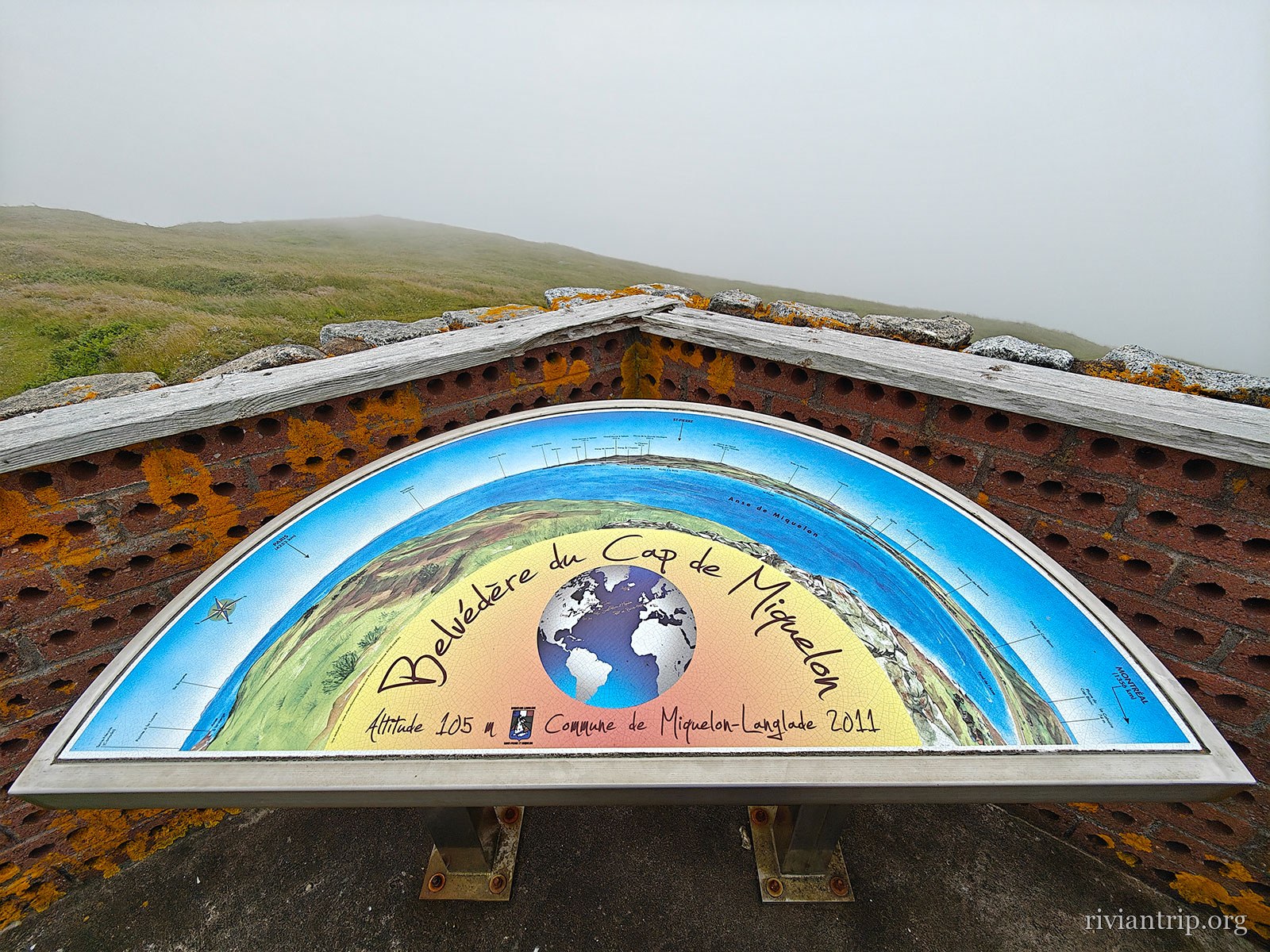
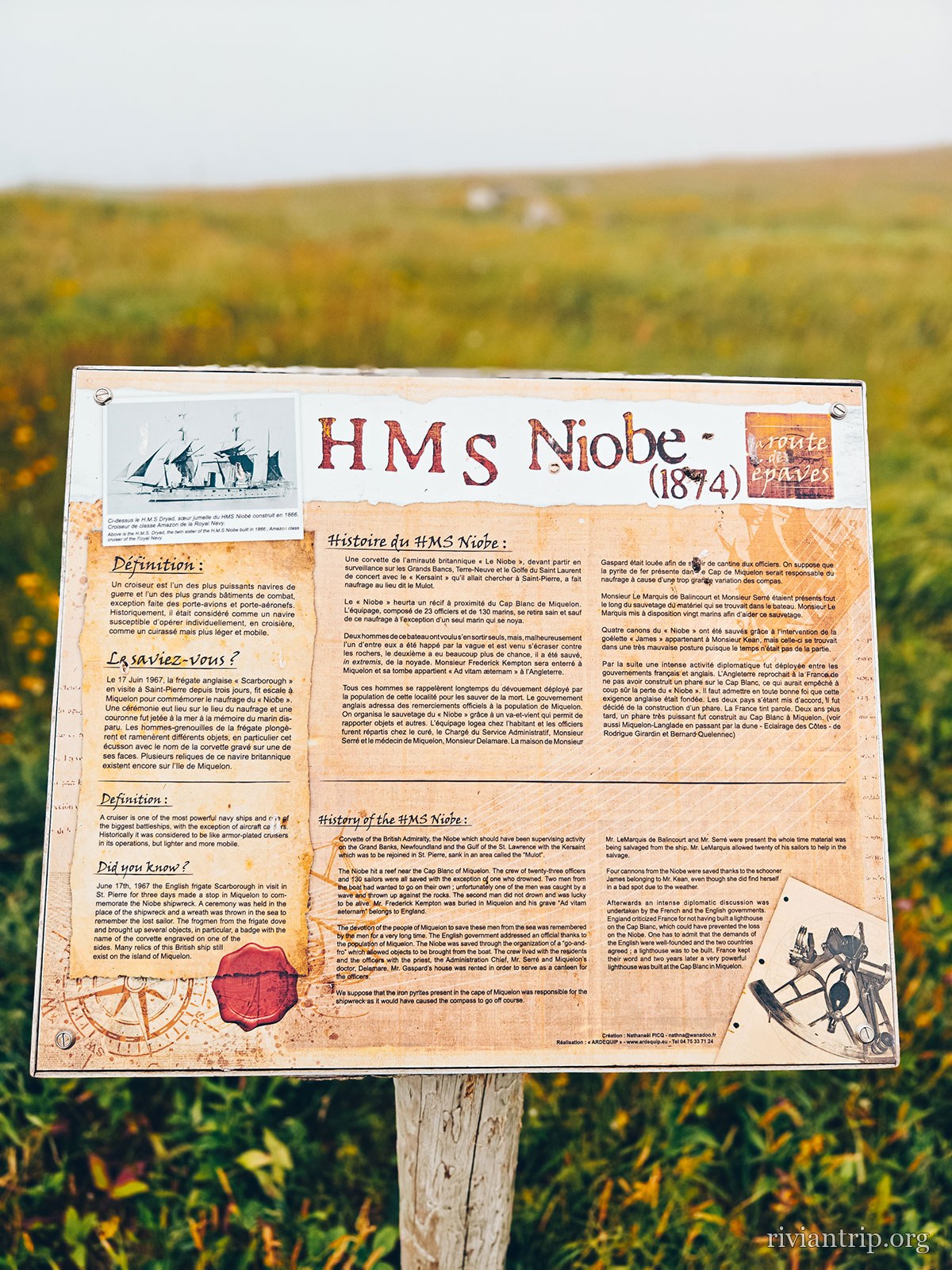
The village · Cap de MiquelonThe island is different from Saint-Pierre. Bigger, more open, less urban. The landscape gives an almost surprising sense of space after the streets of Saint-Pierre. The road crosses stretches where nature seems to have taken back its place.
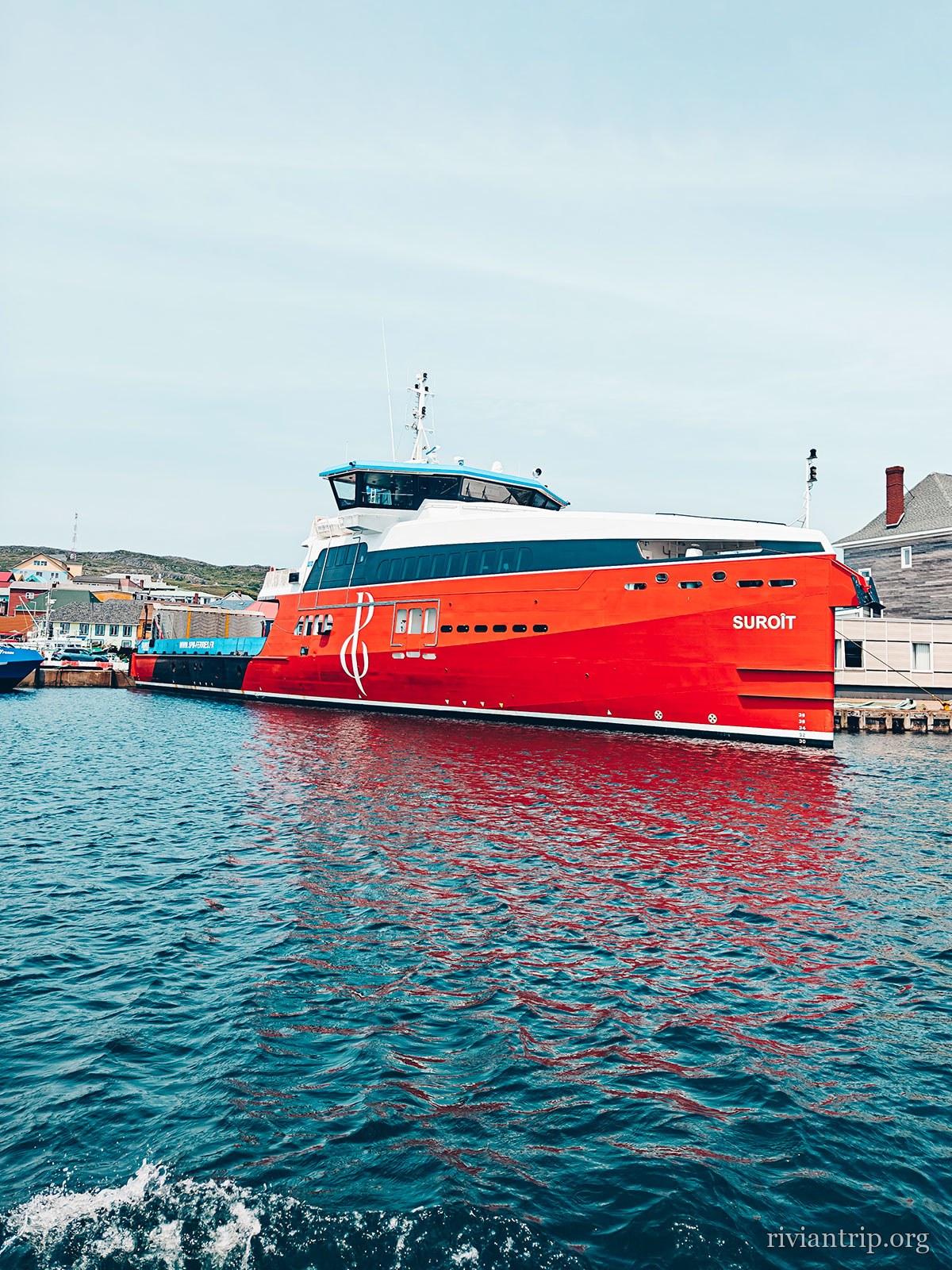
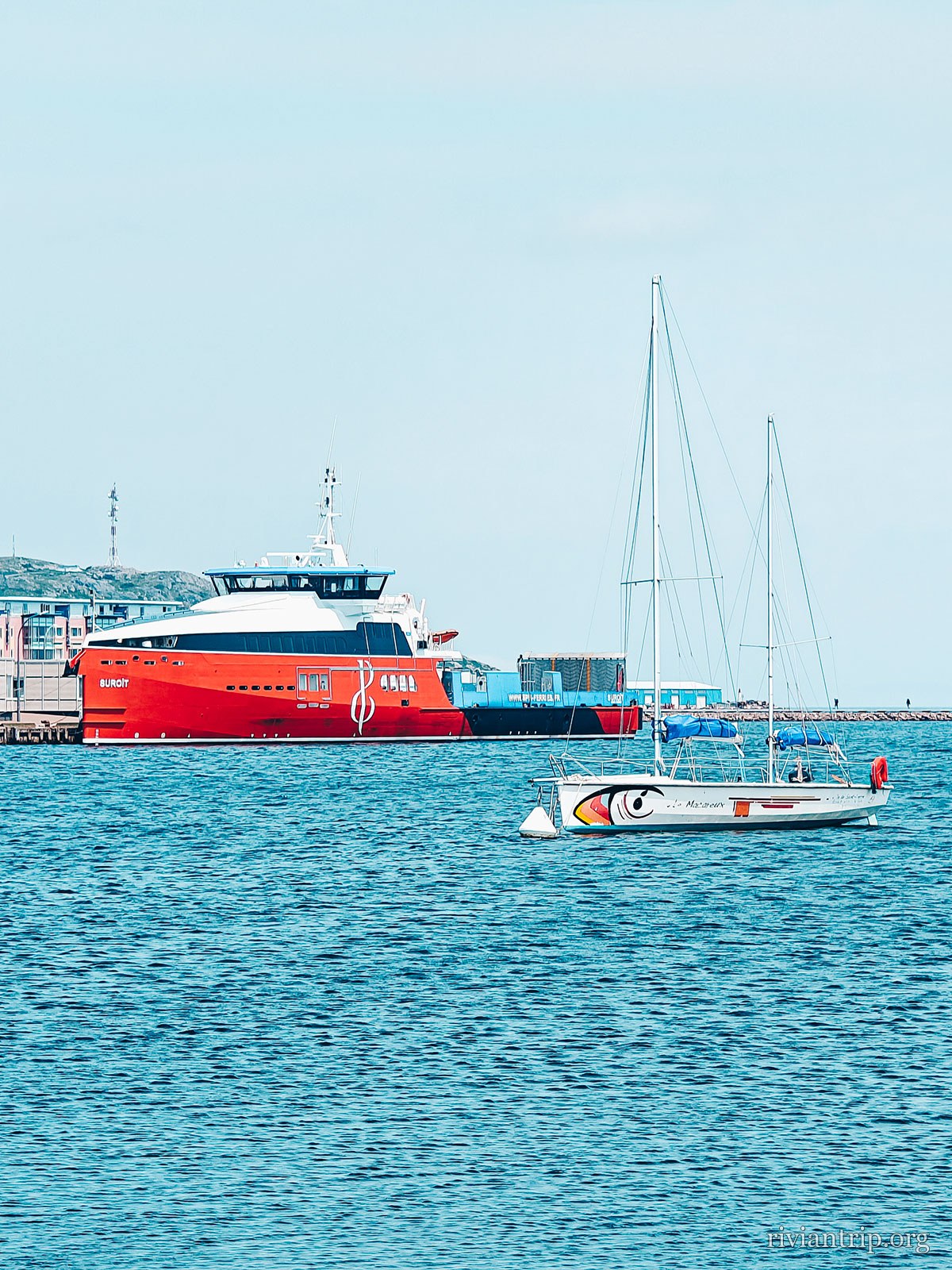
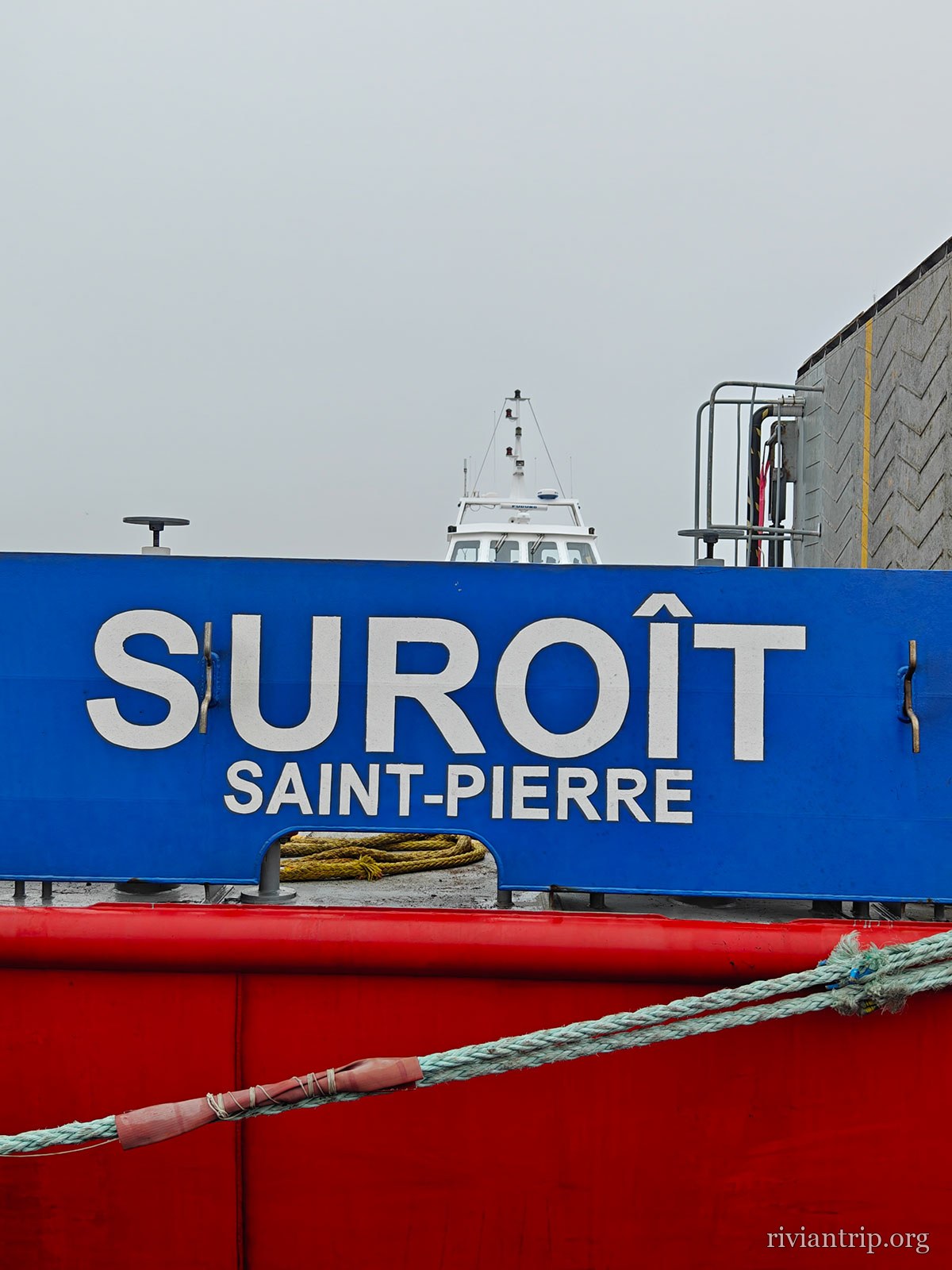
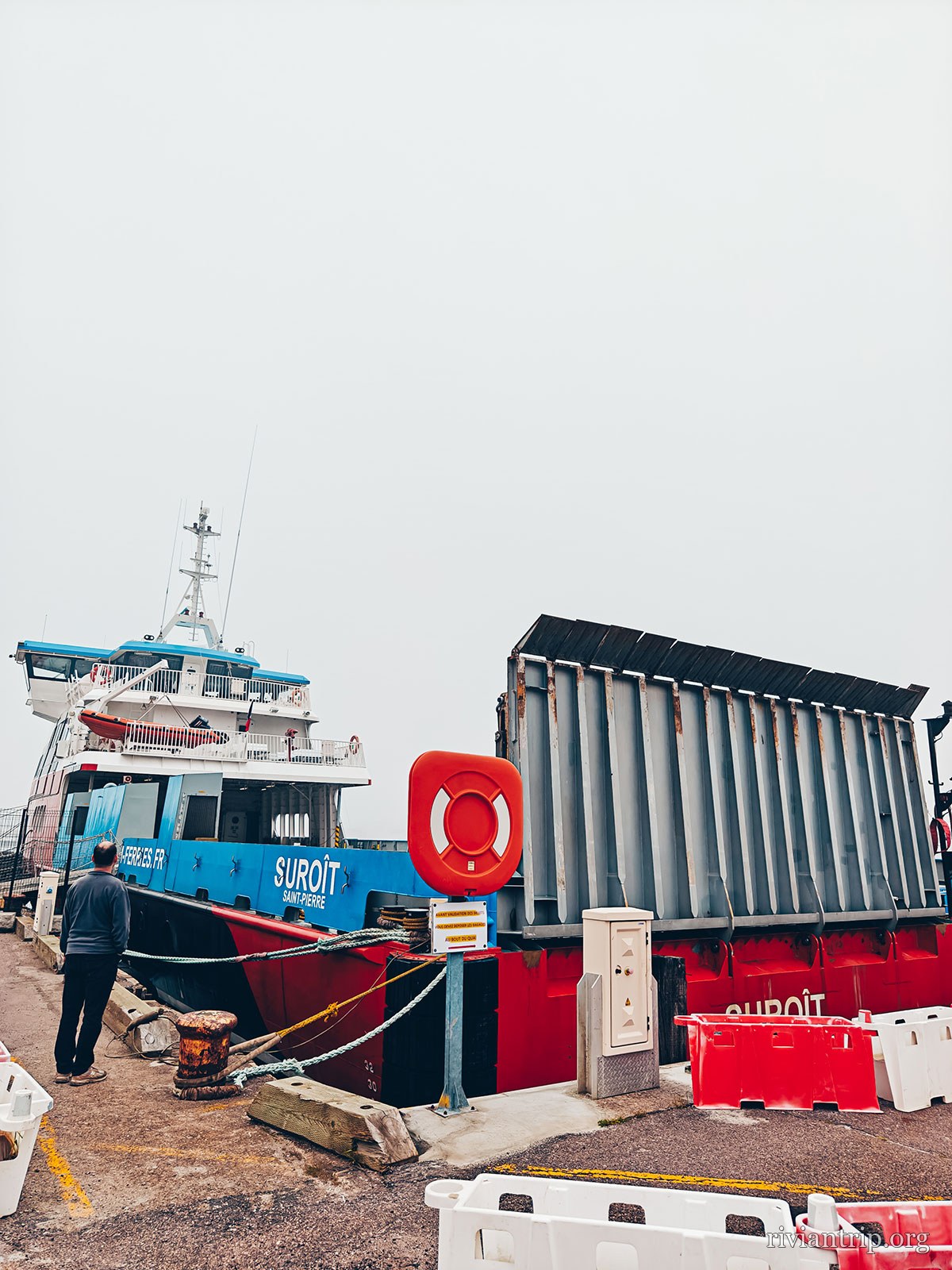
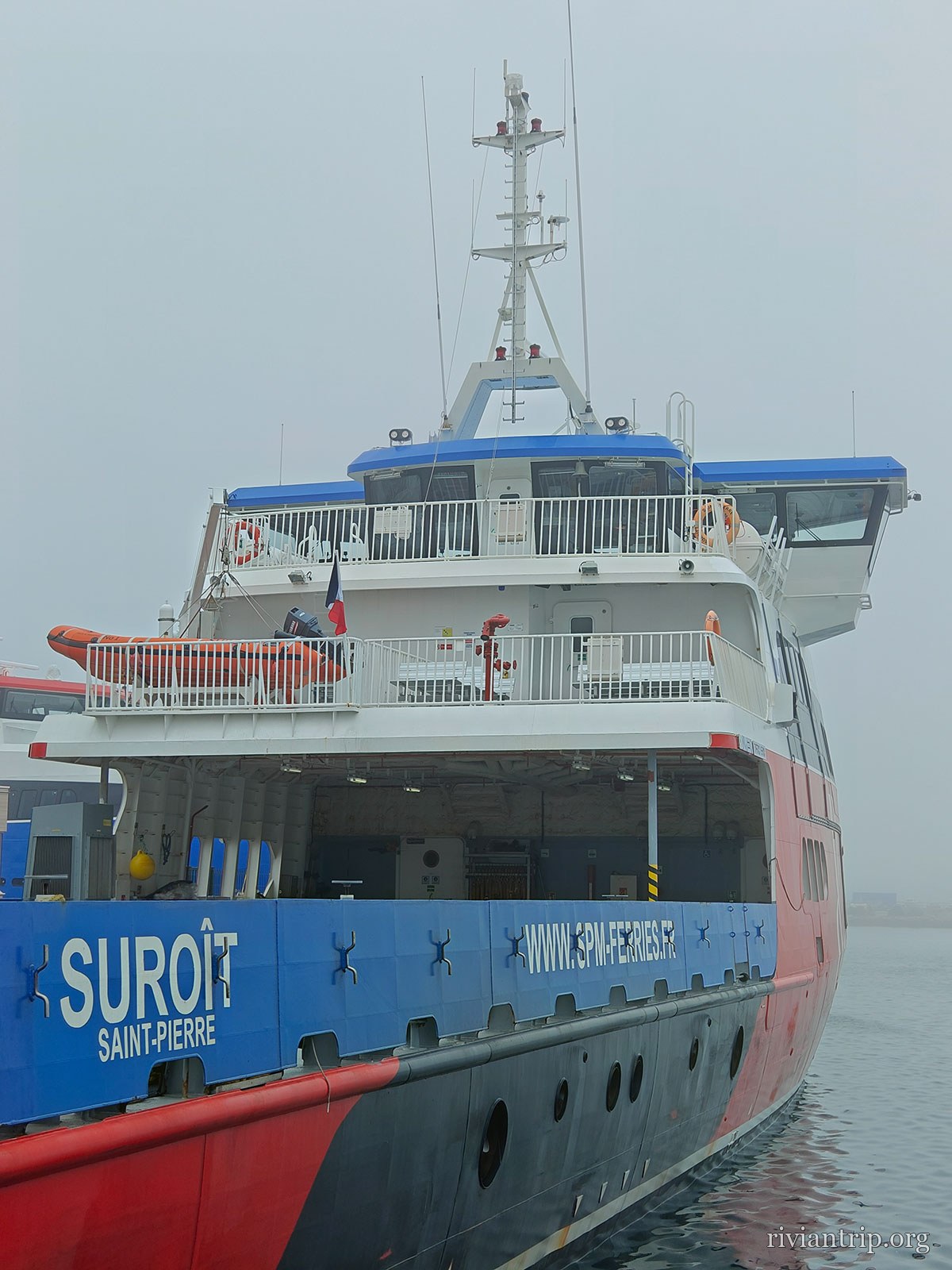
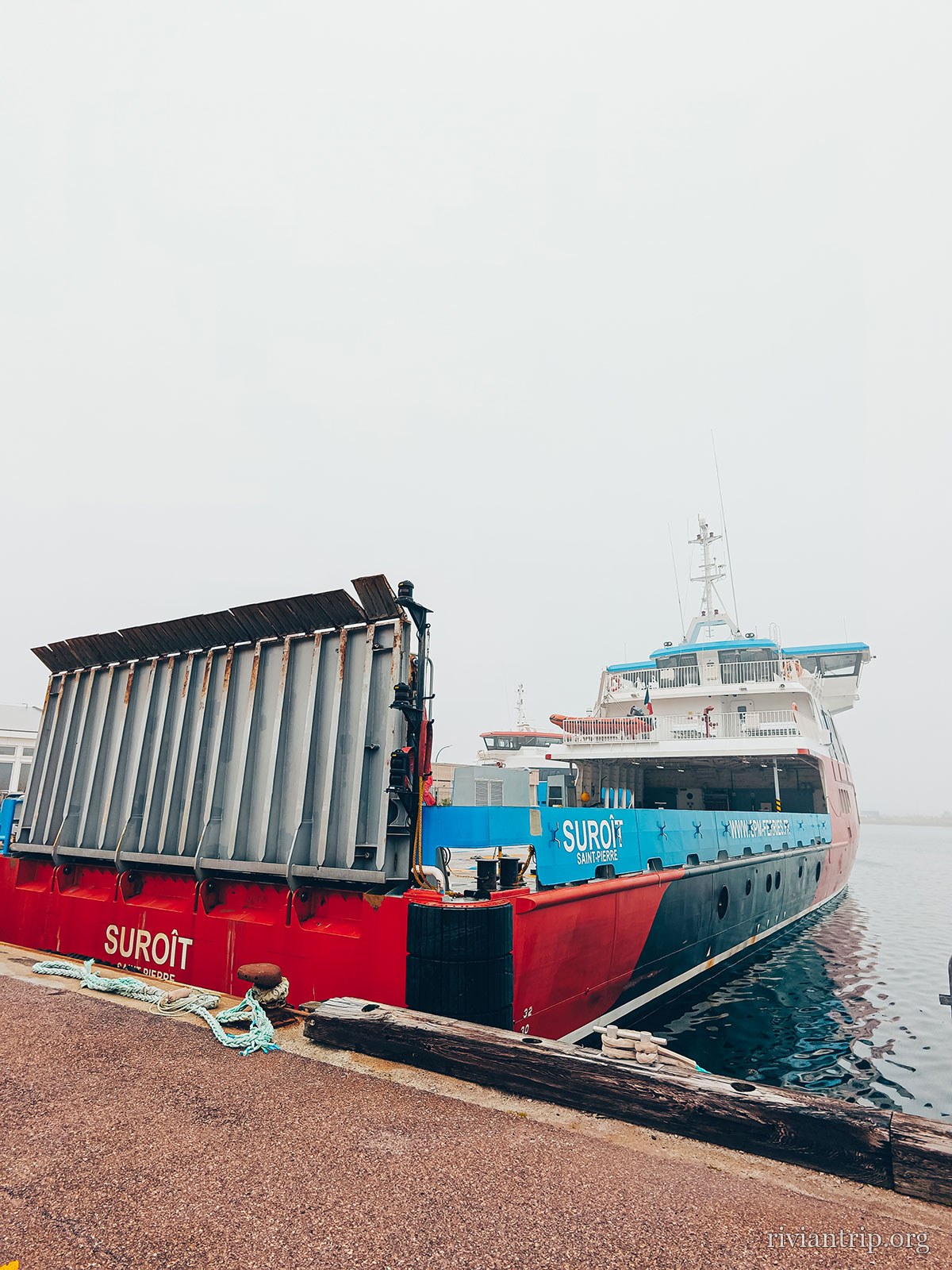
The Suroît
Another short crossing, to a bigger, more open island.
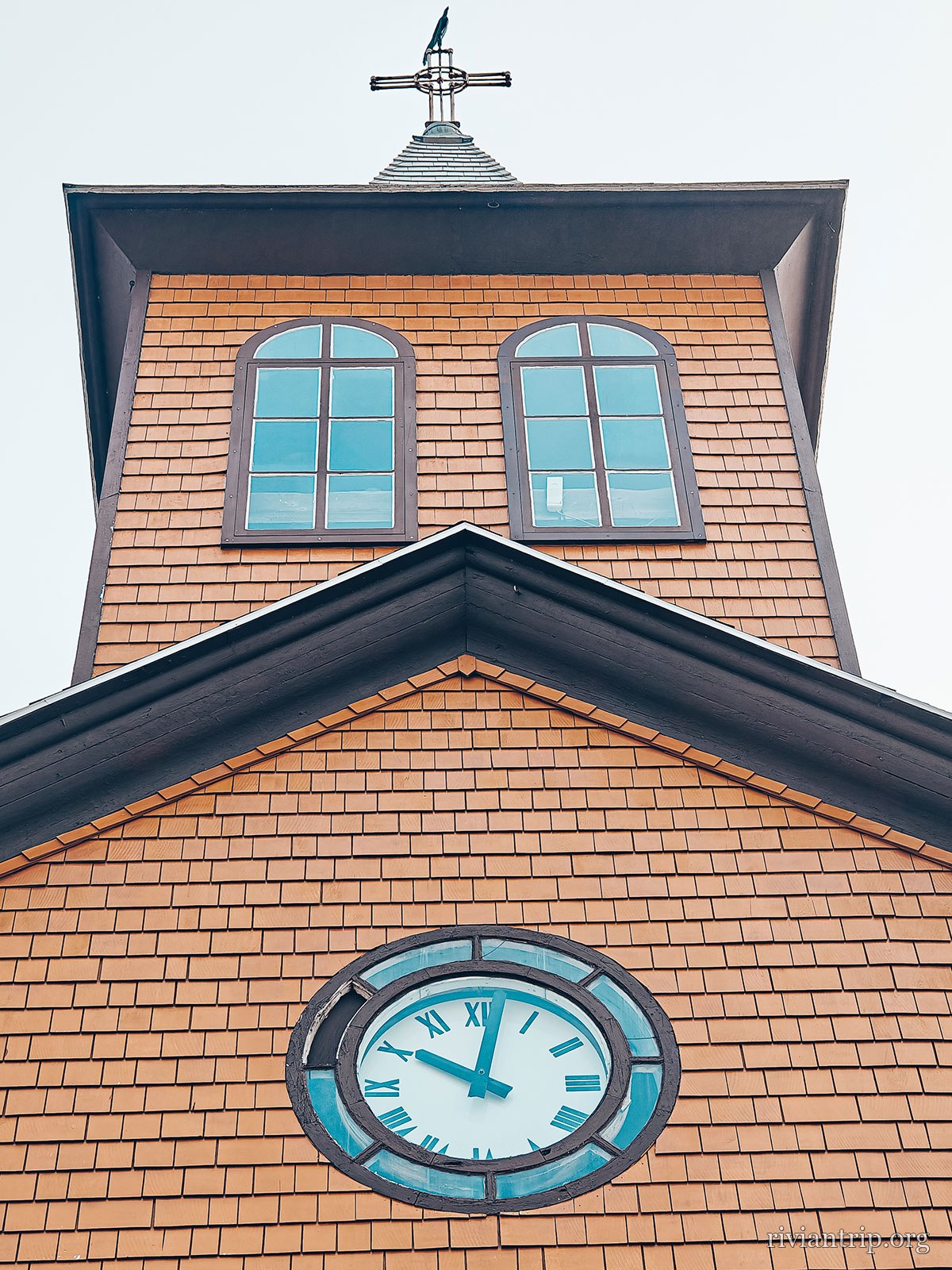
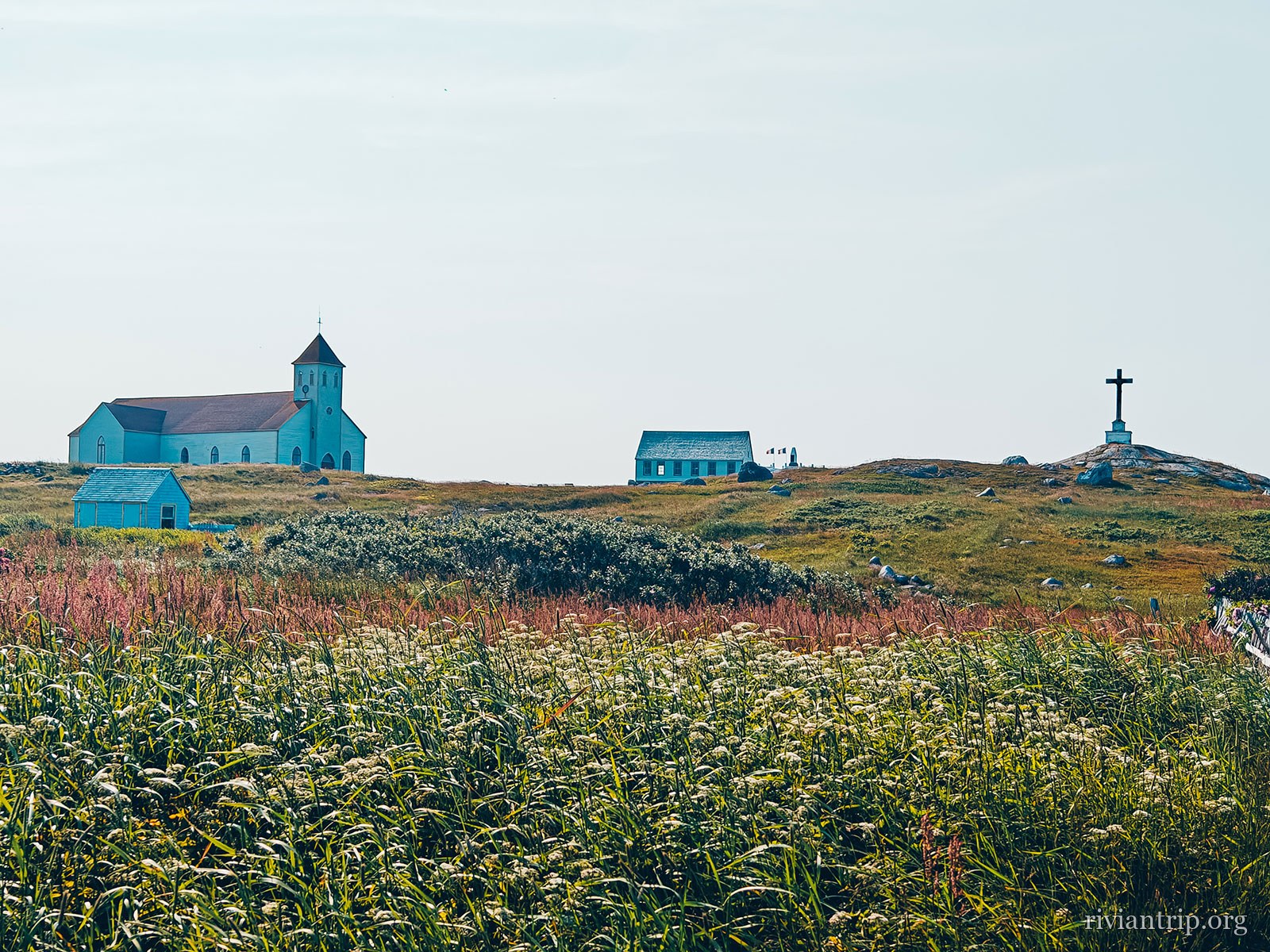
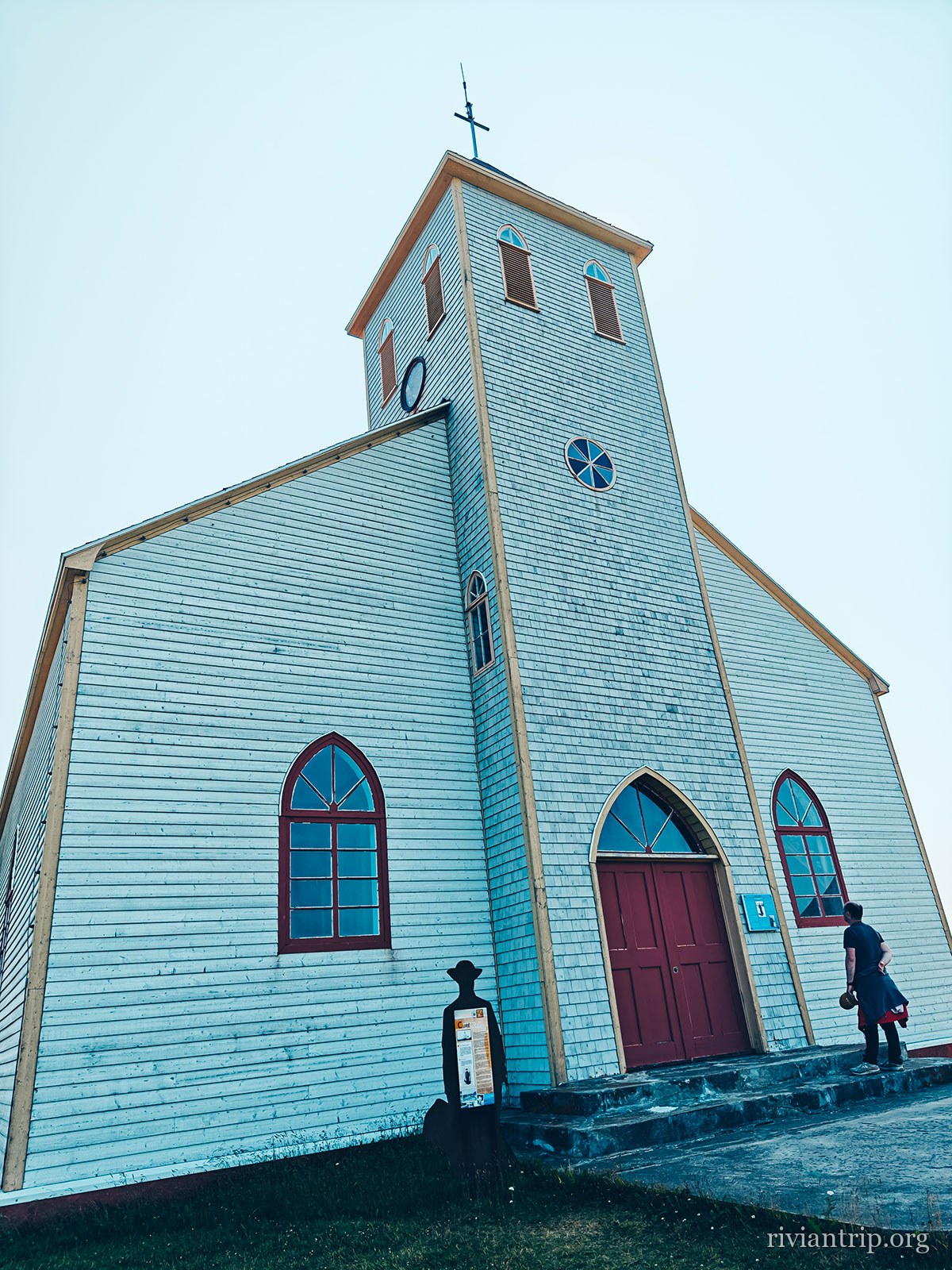
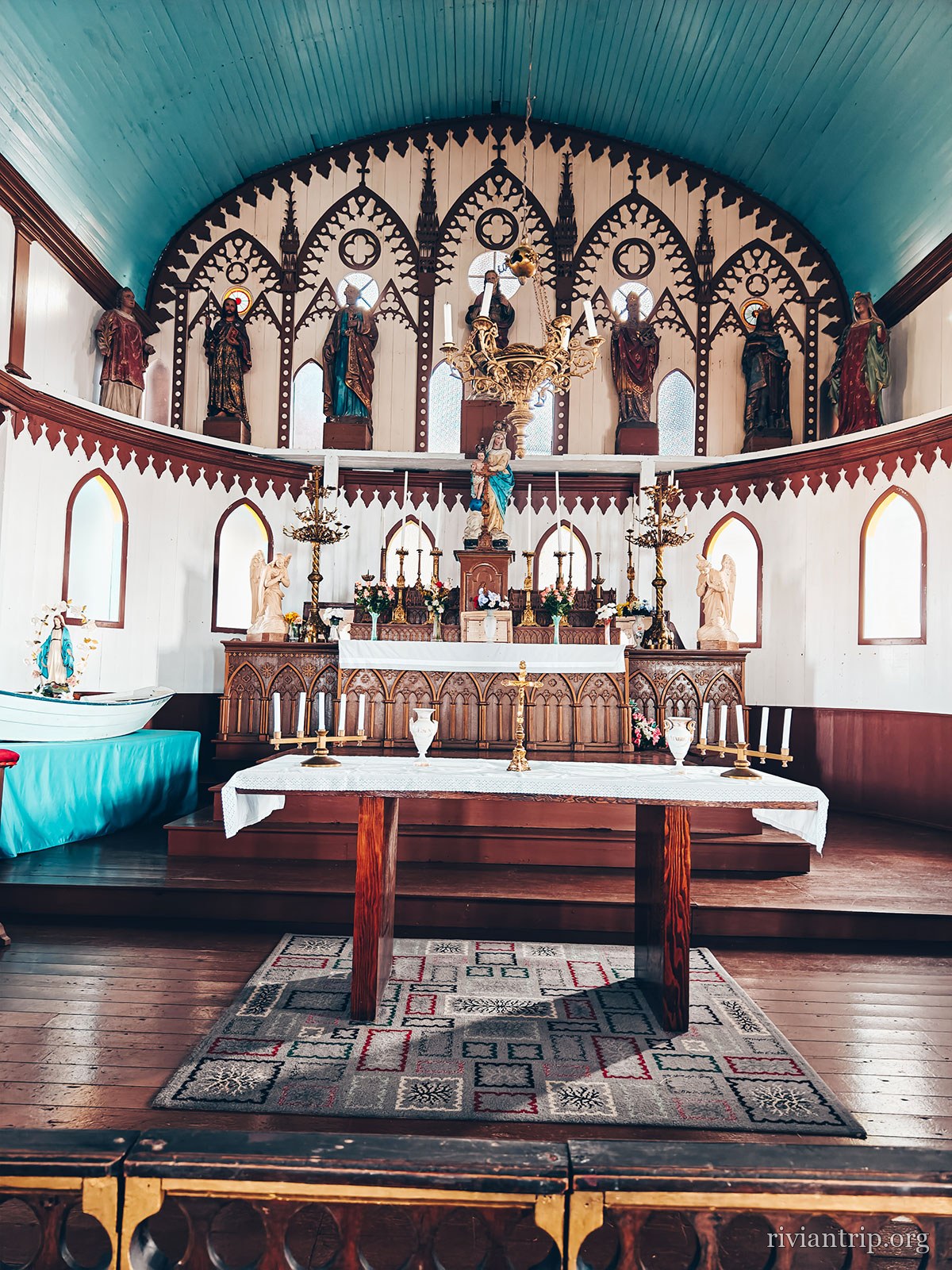
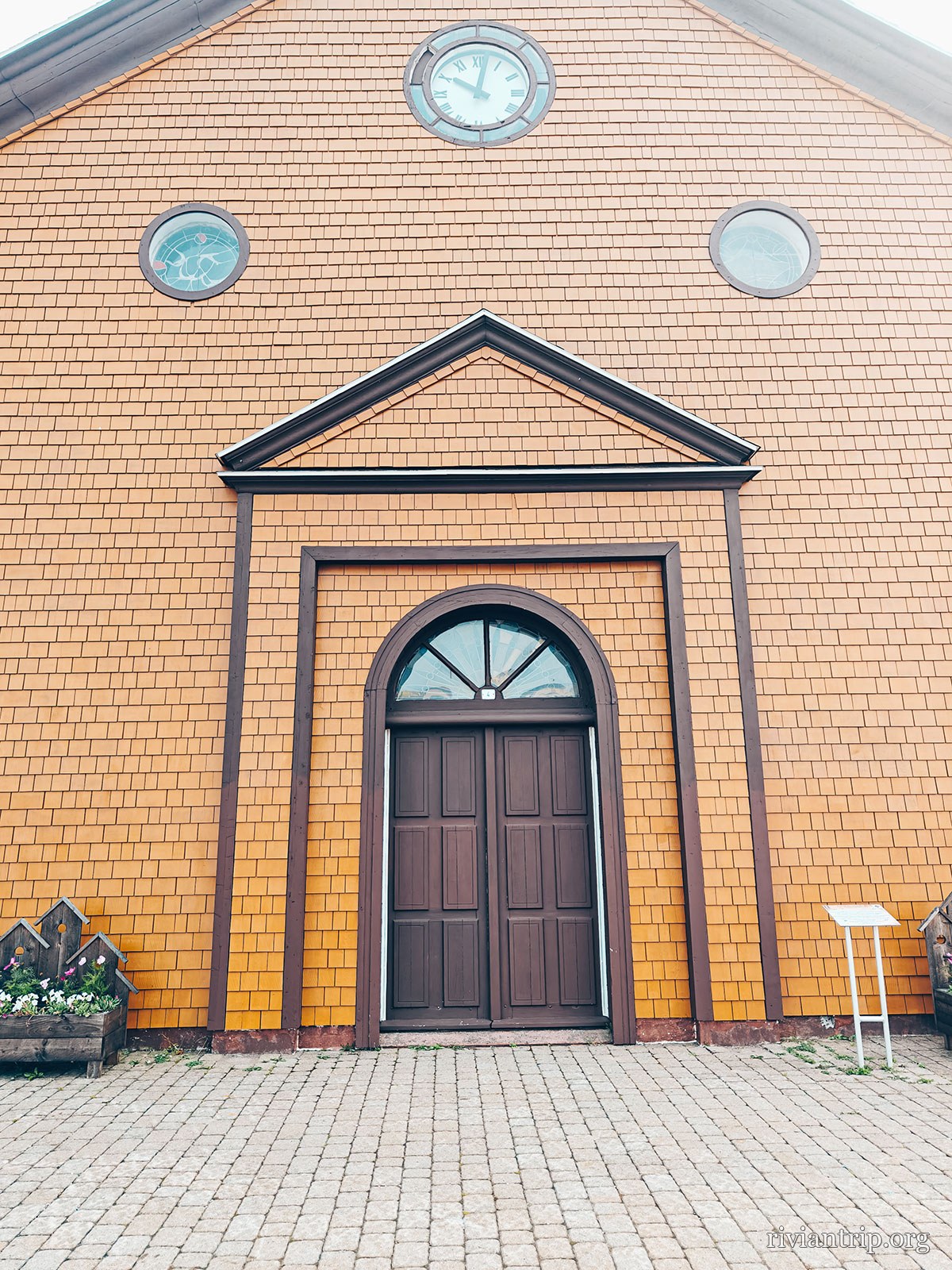
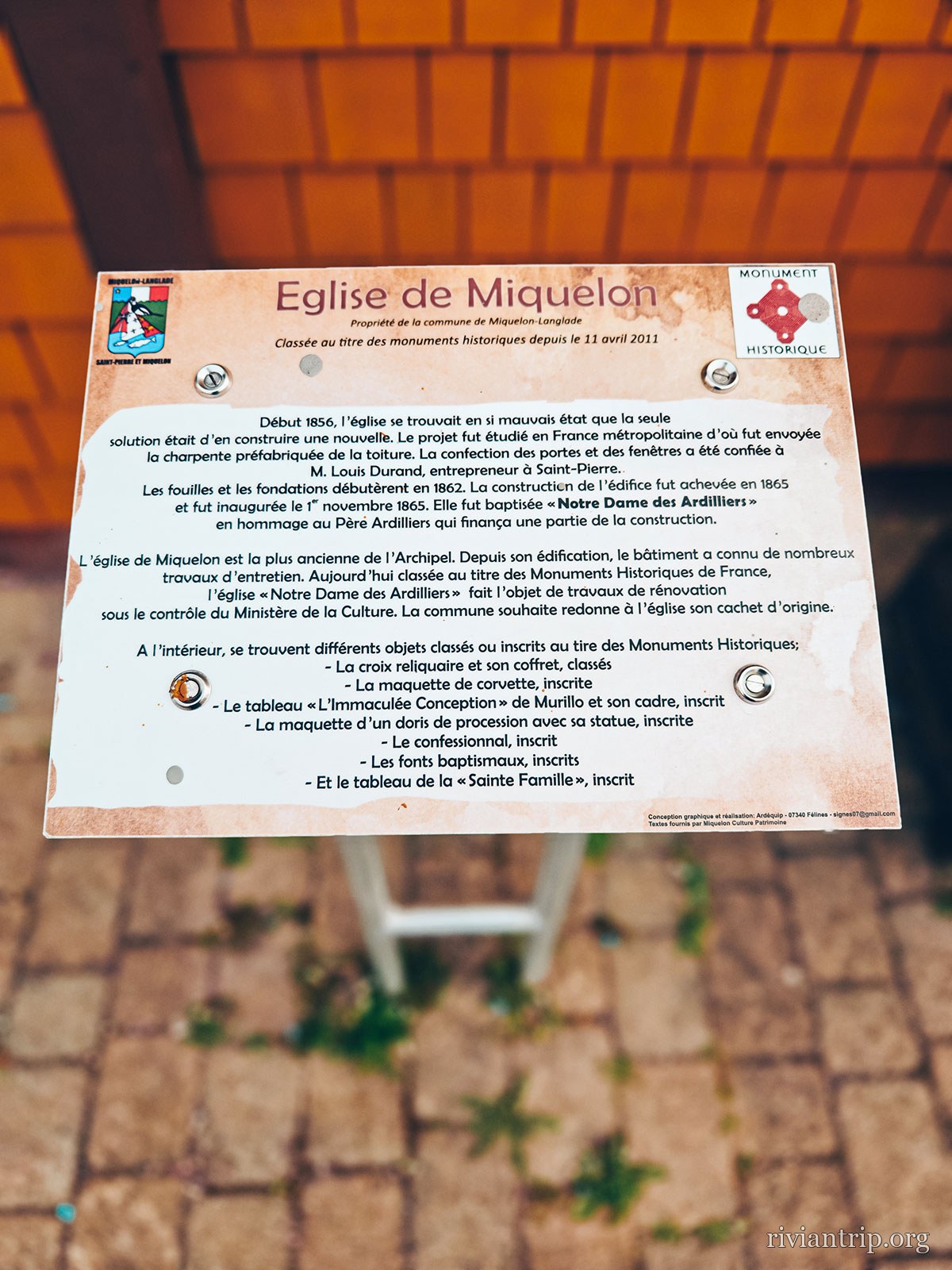
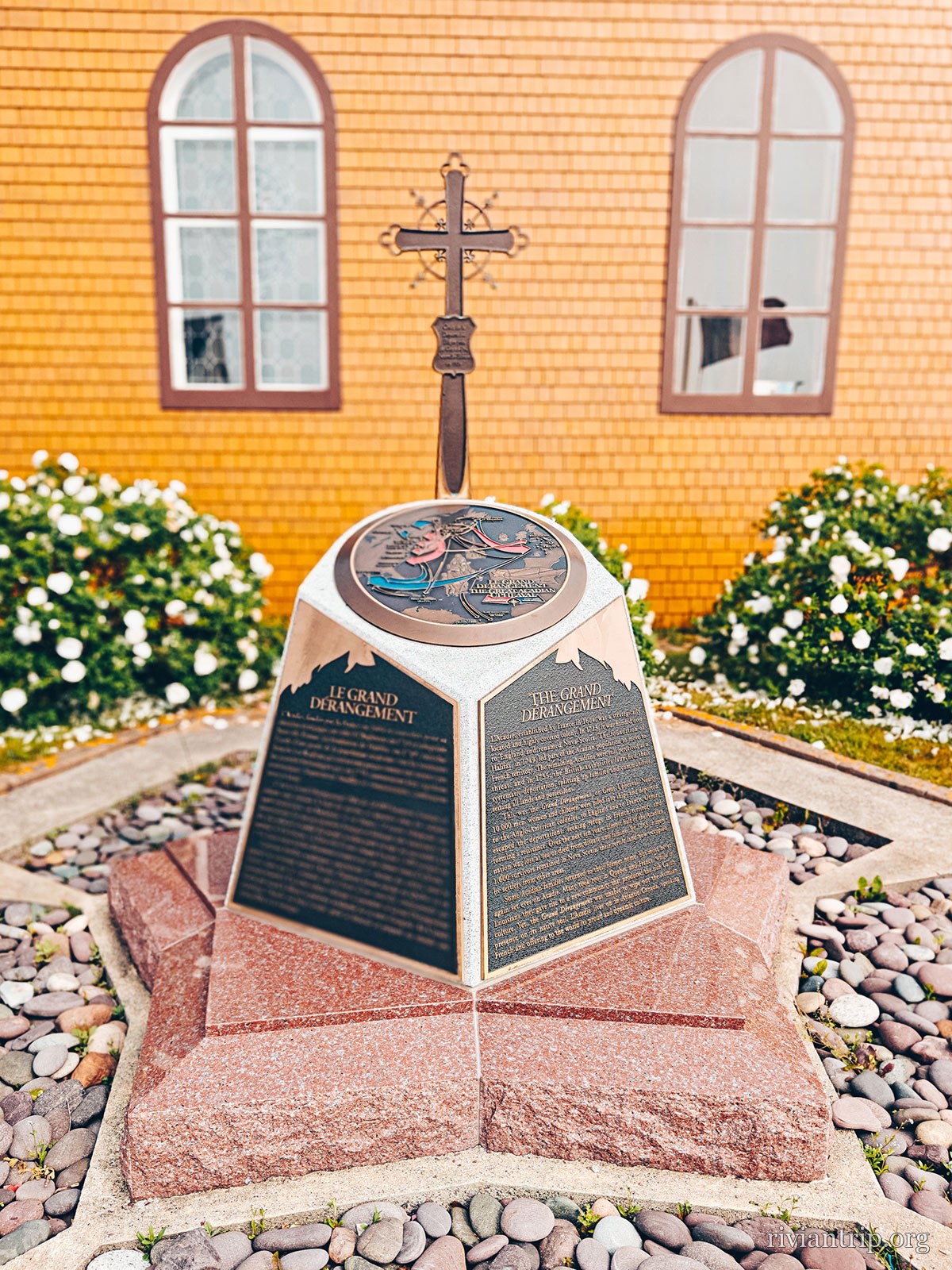
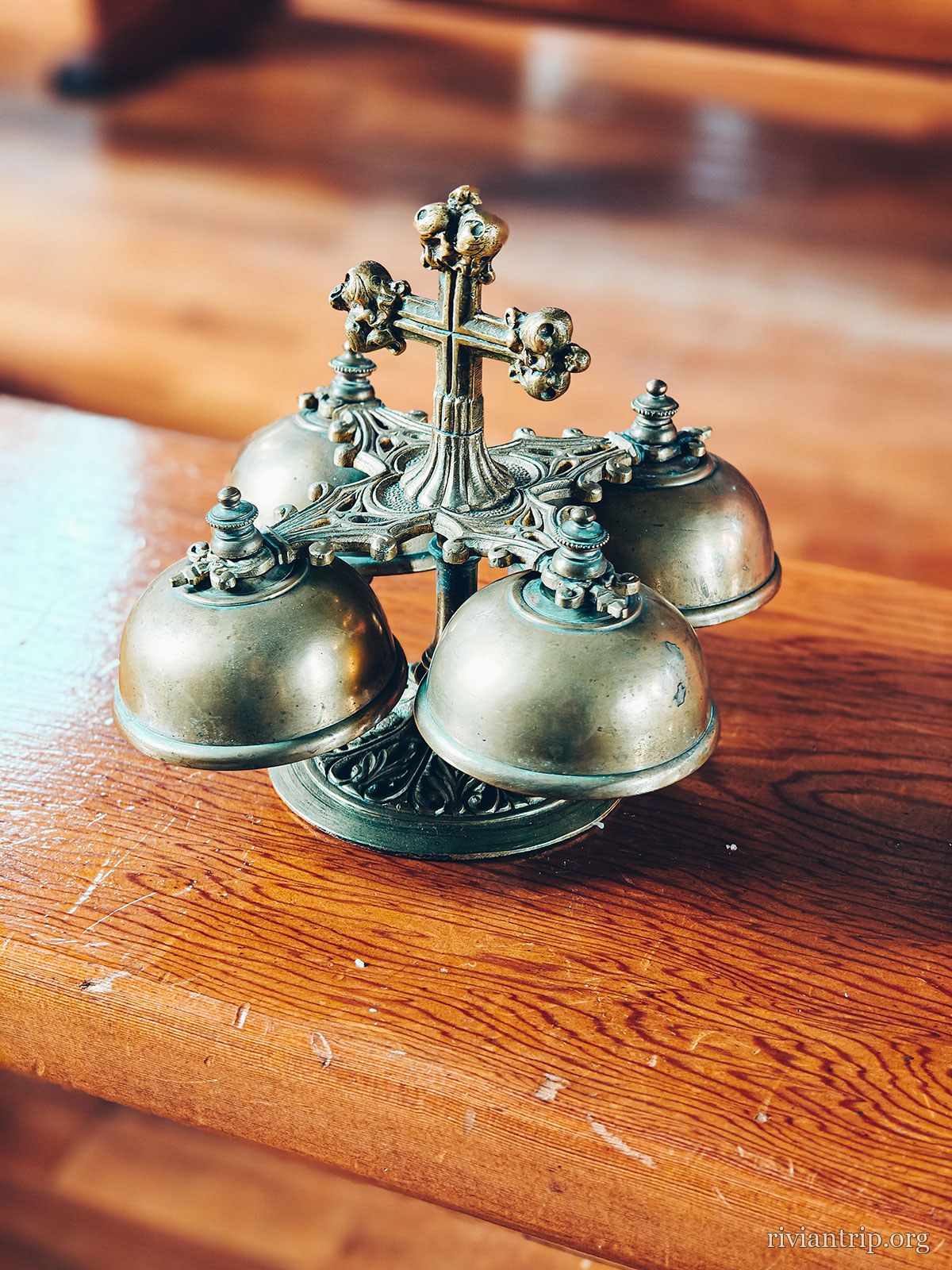
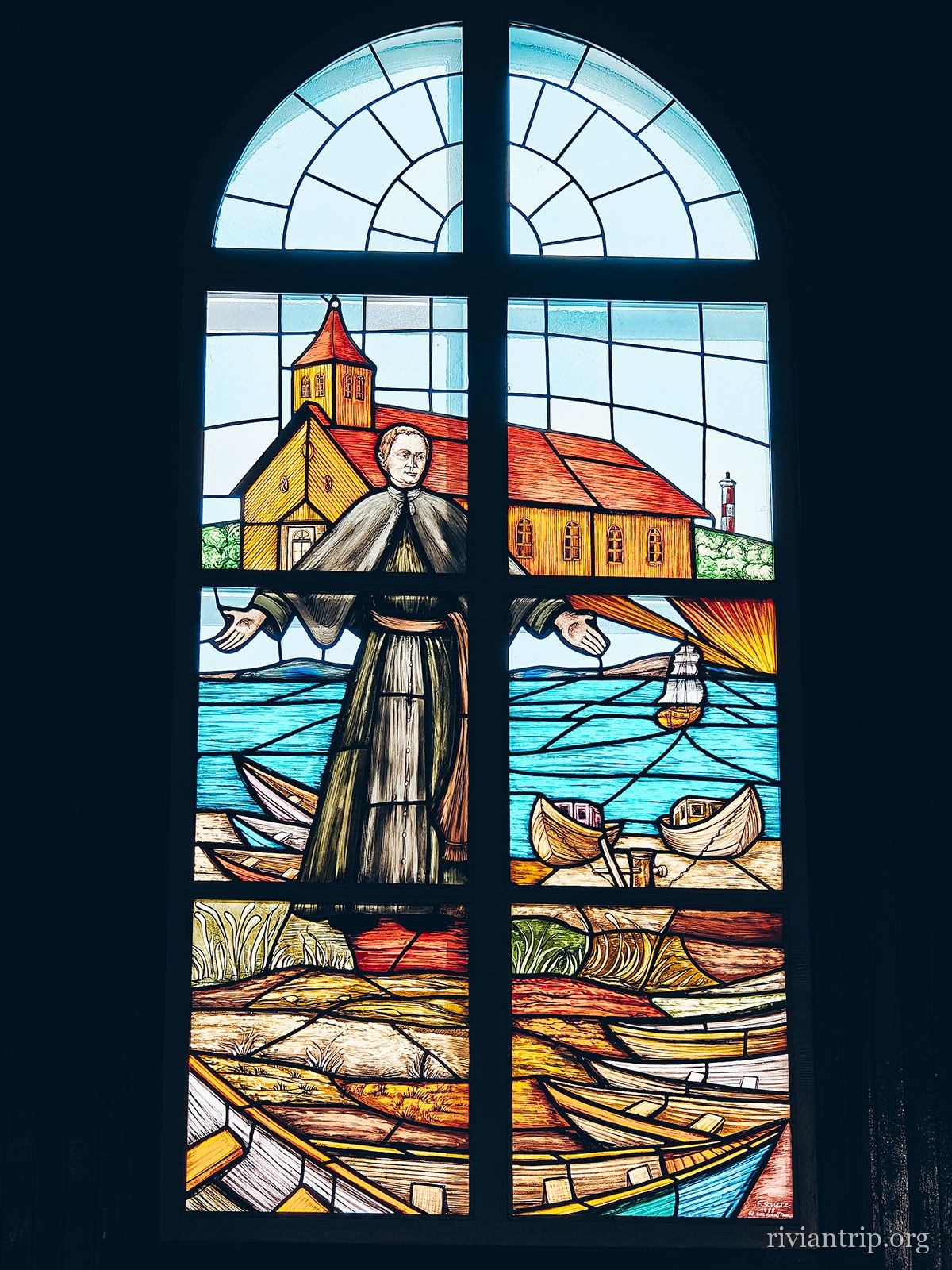
The church
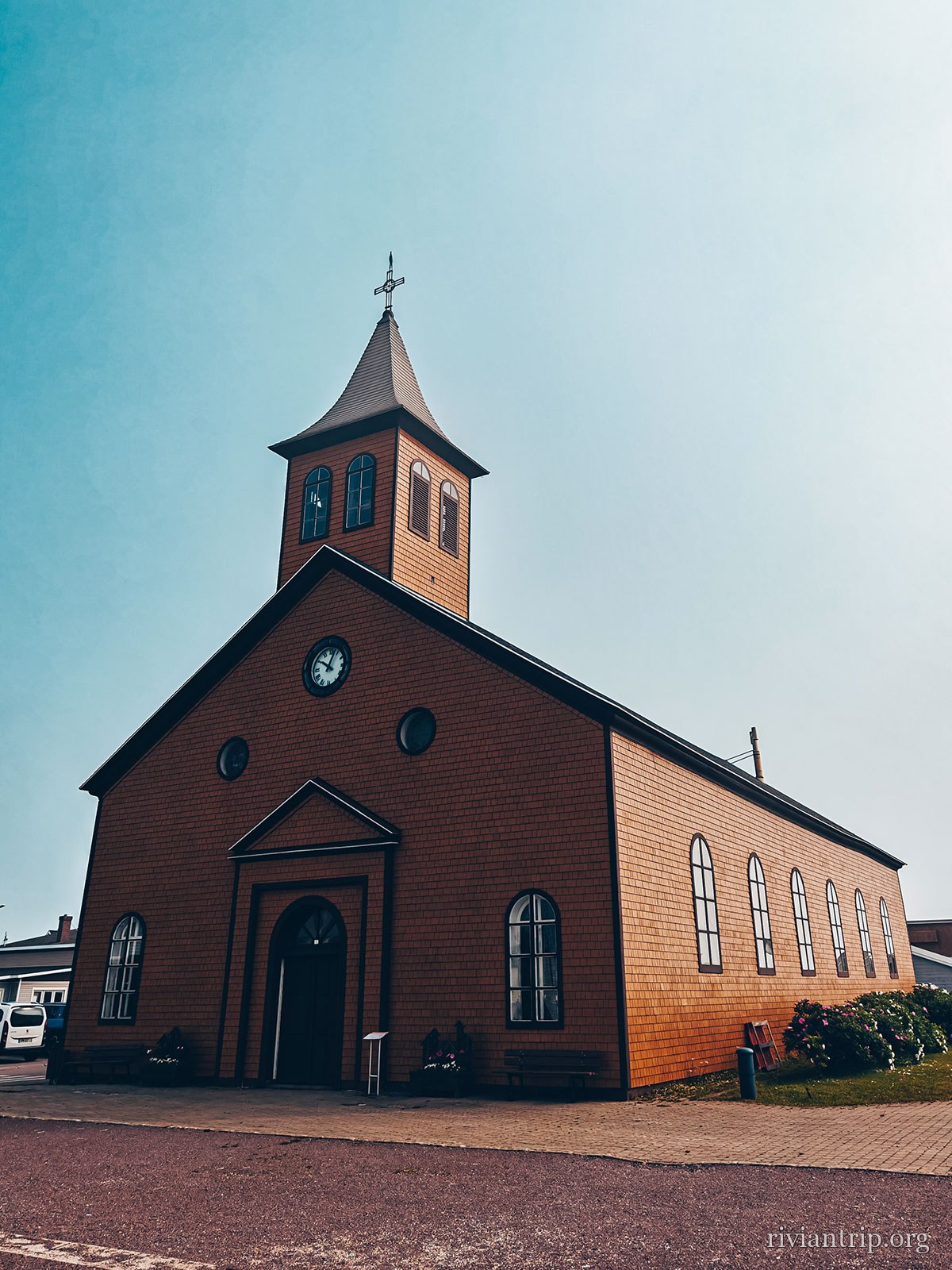
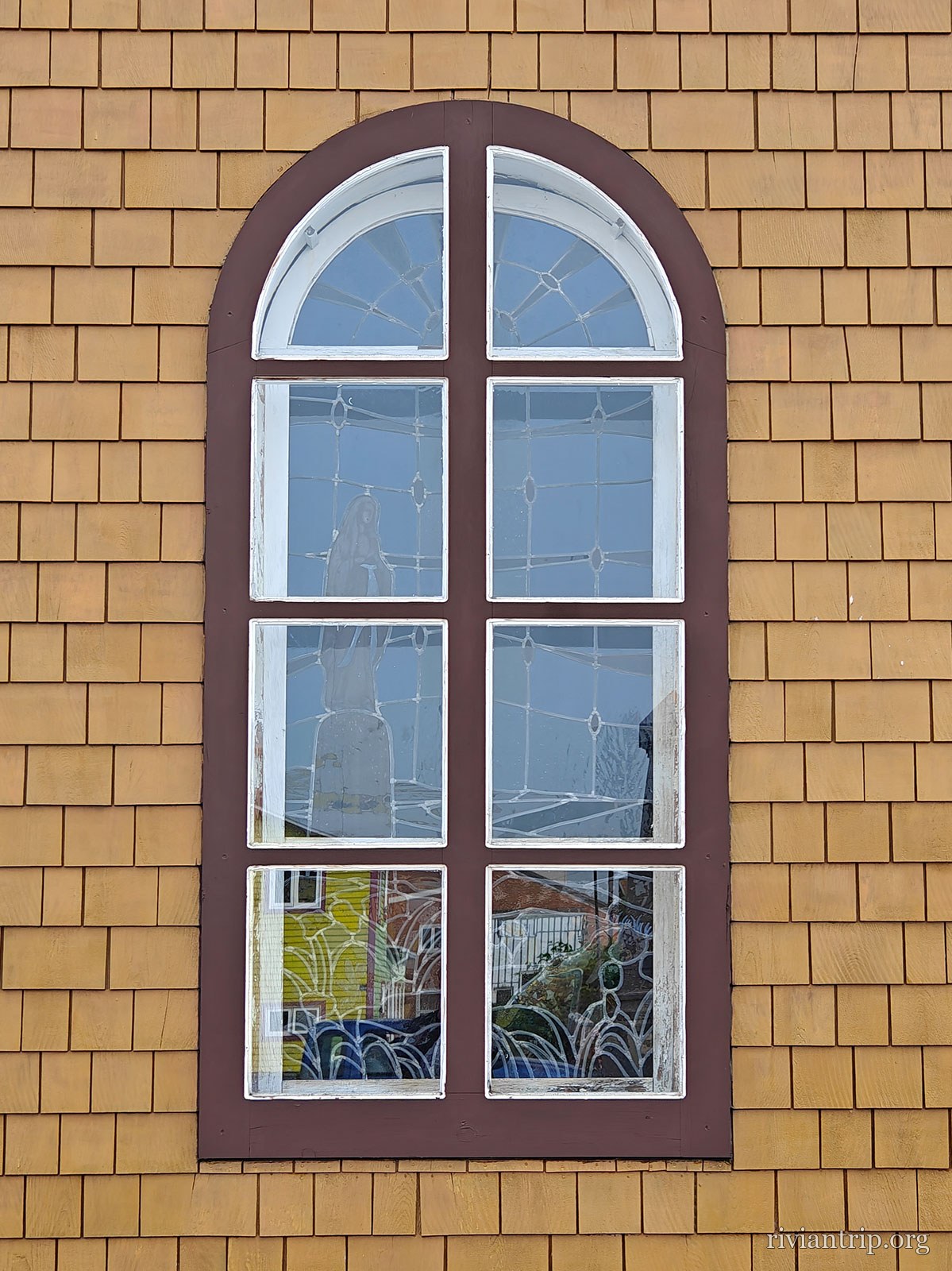
At the heart of the village.
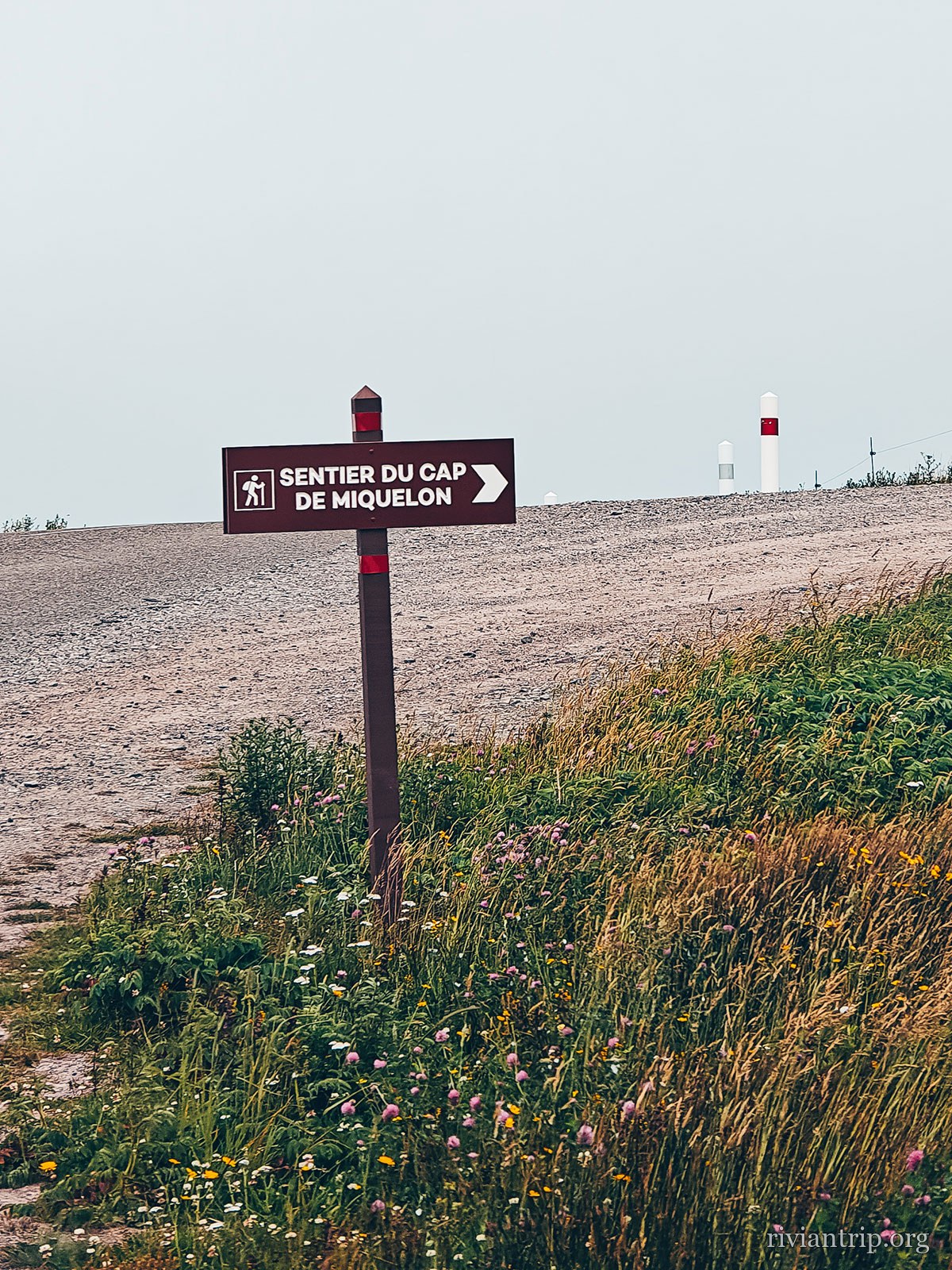
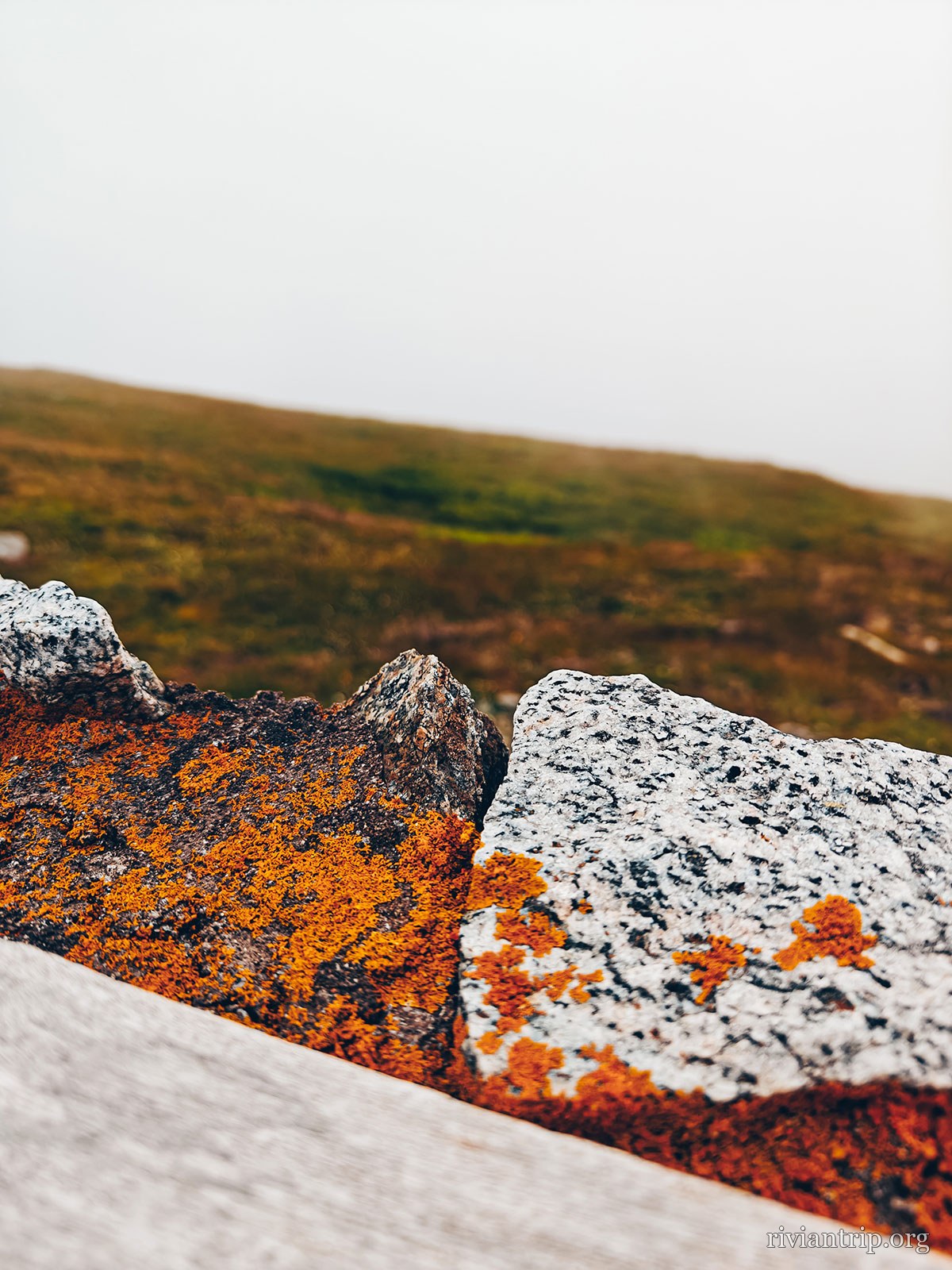
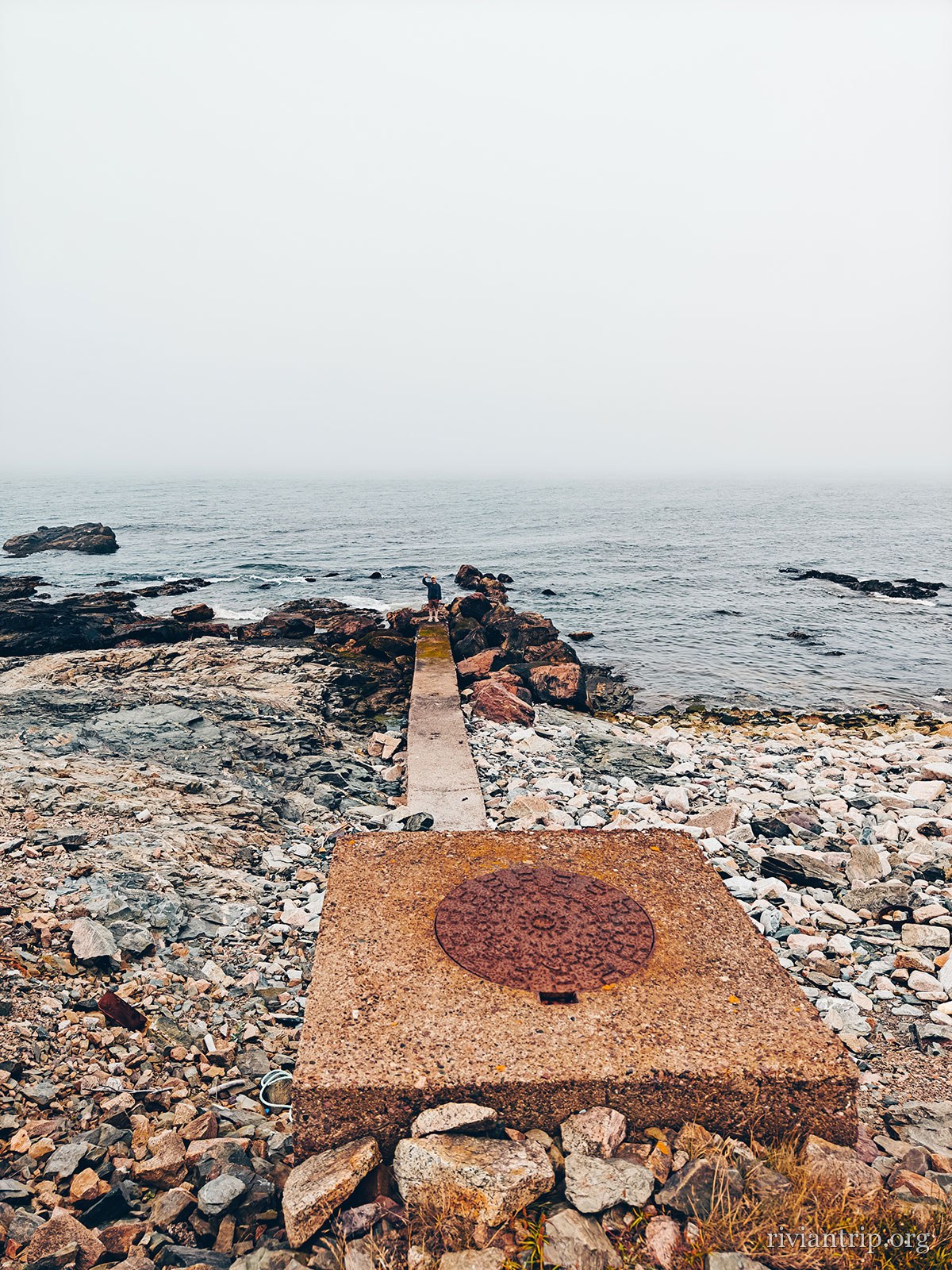
The cliffs
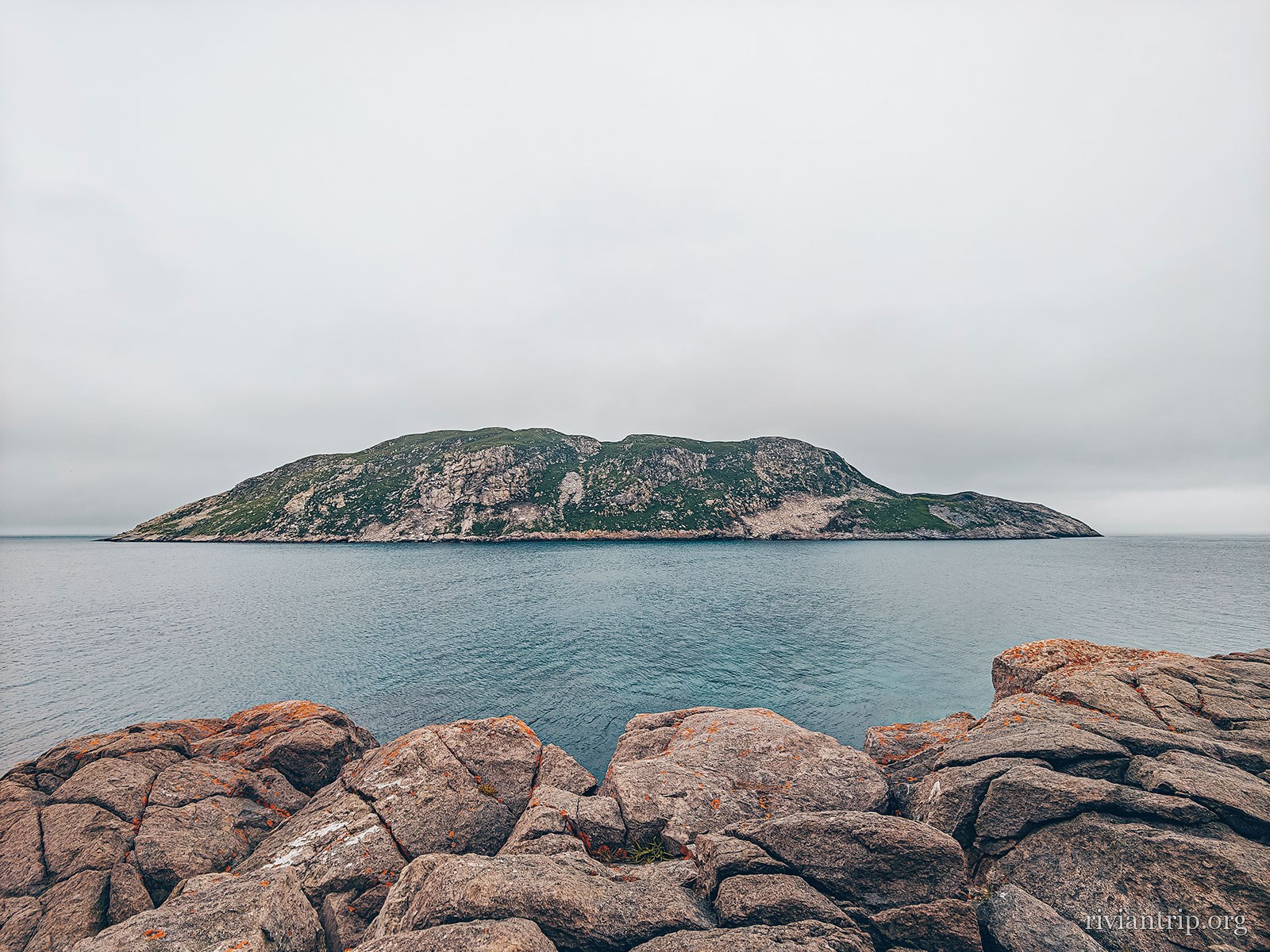
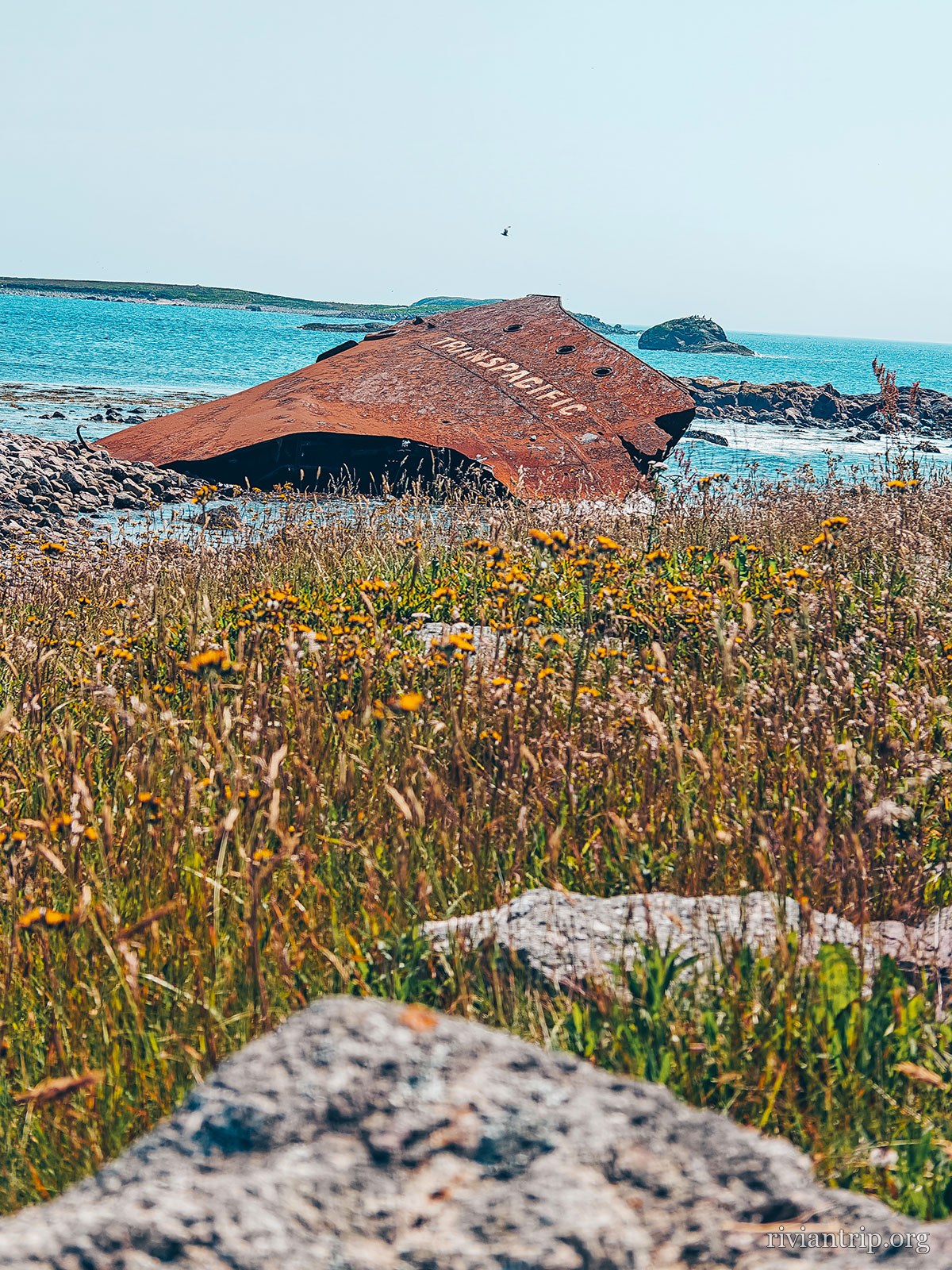
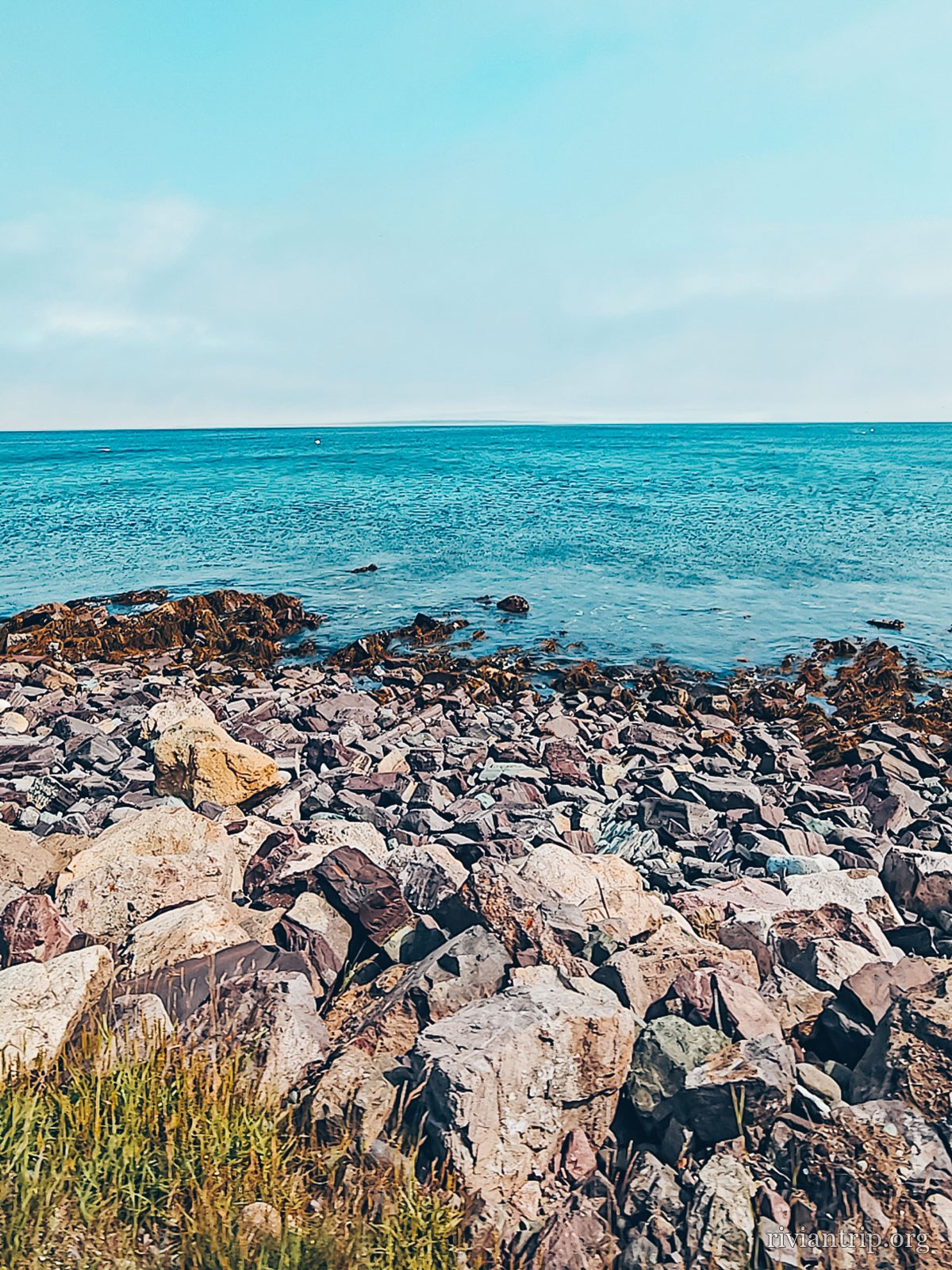
The ocean crashes against the rock, below the trails.
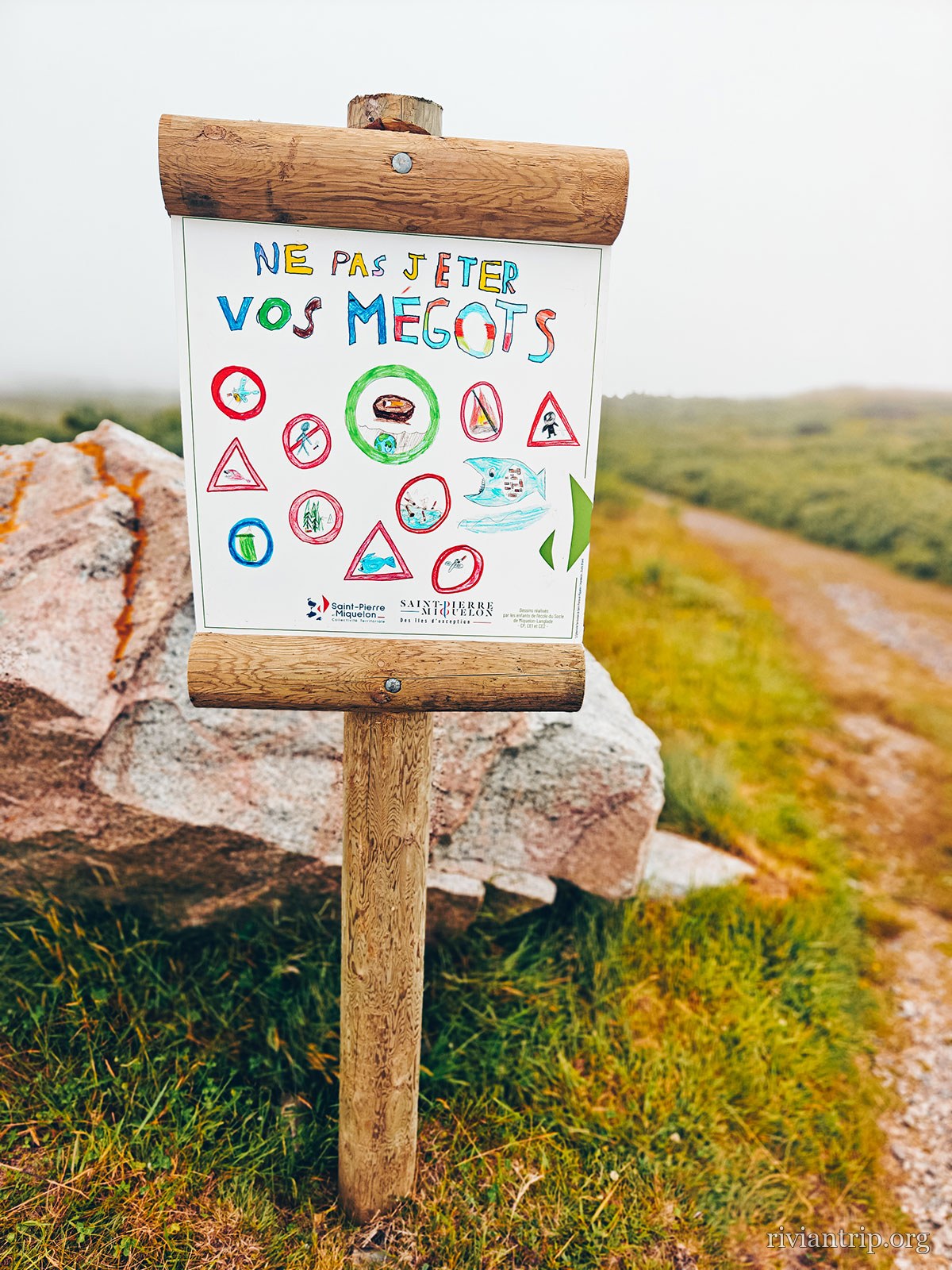
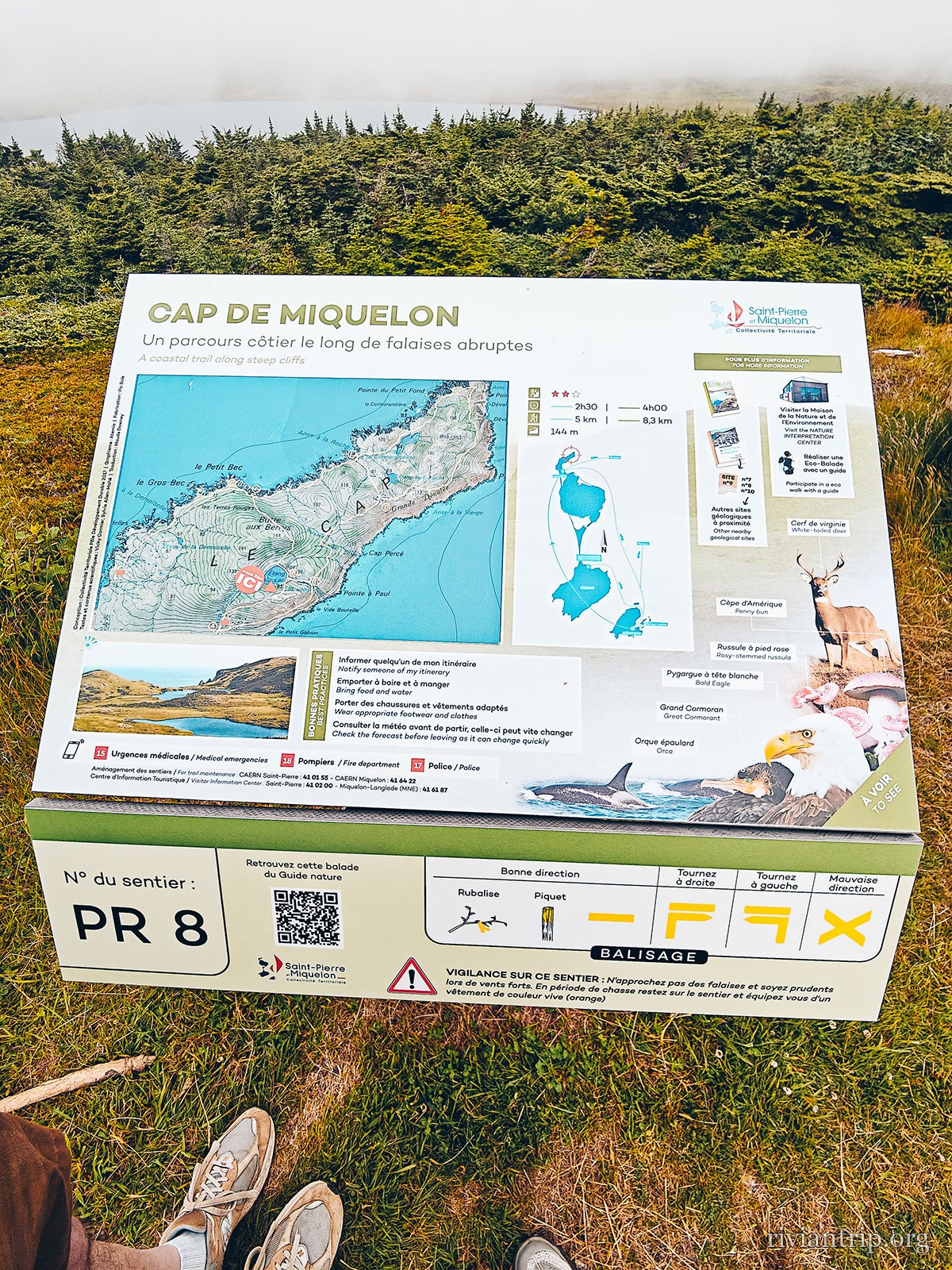
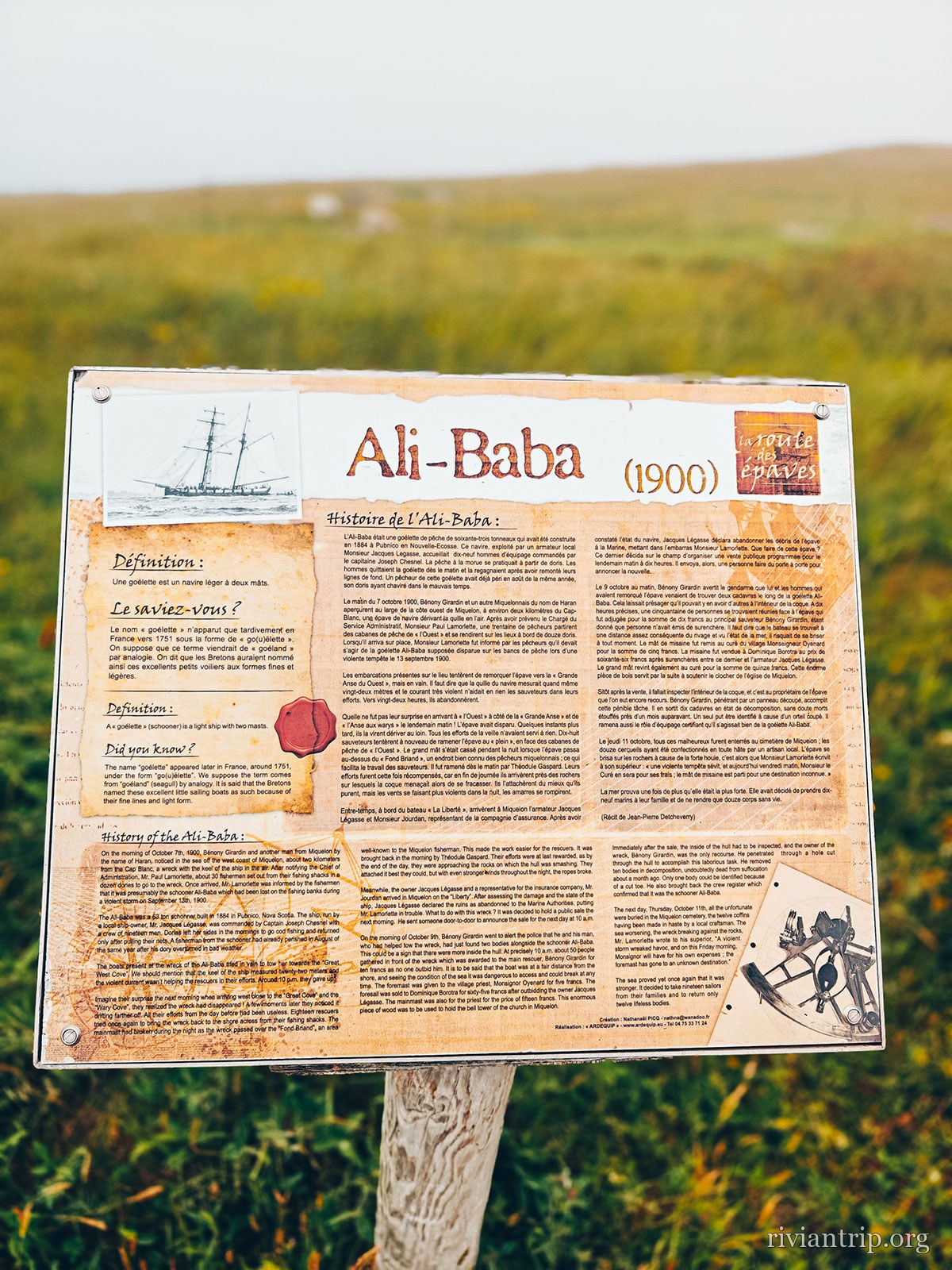
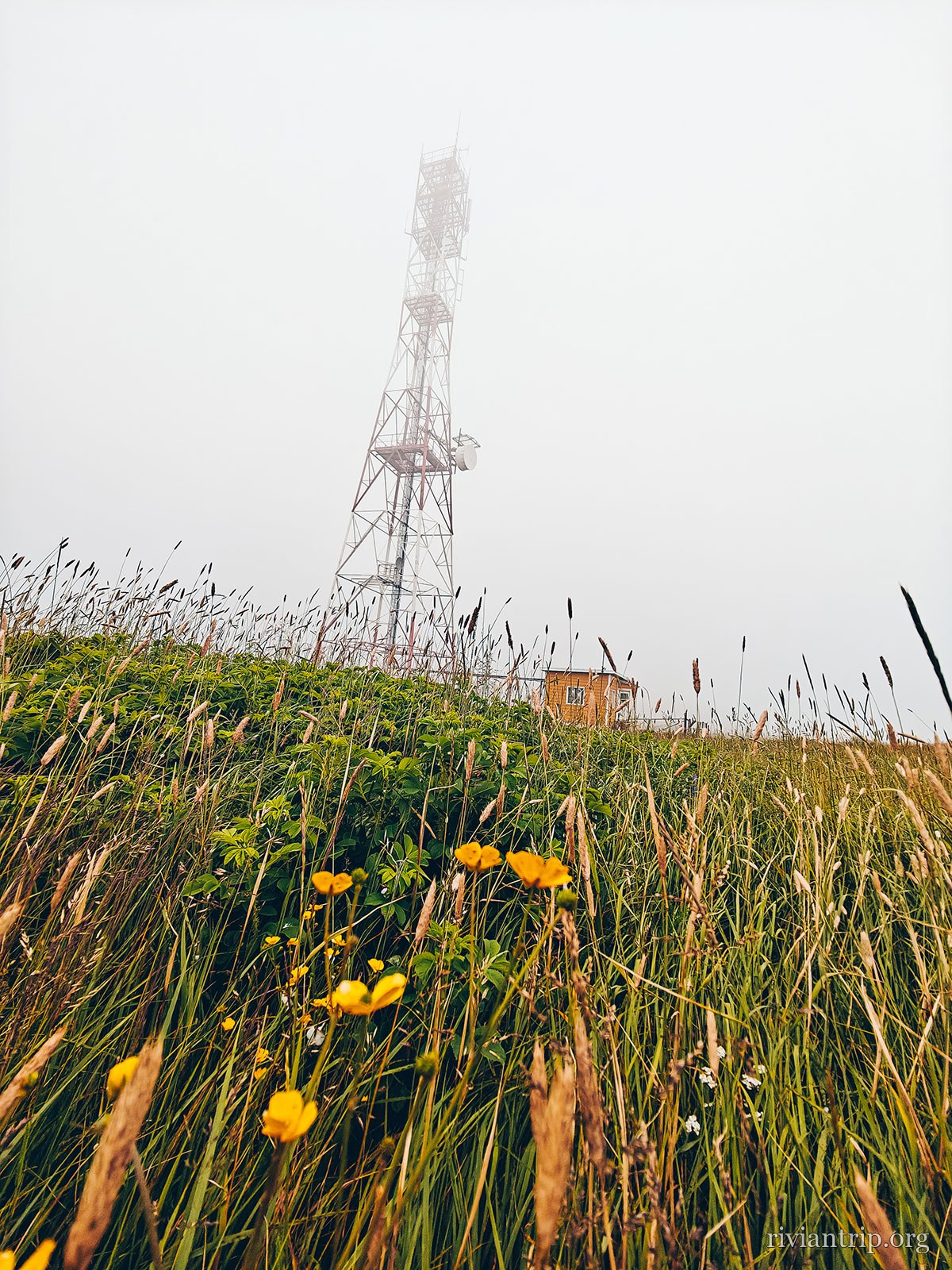
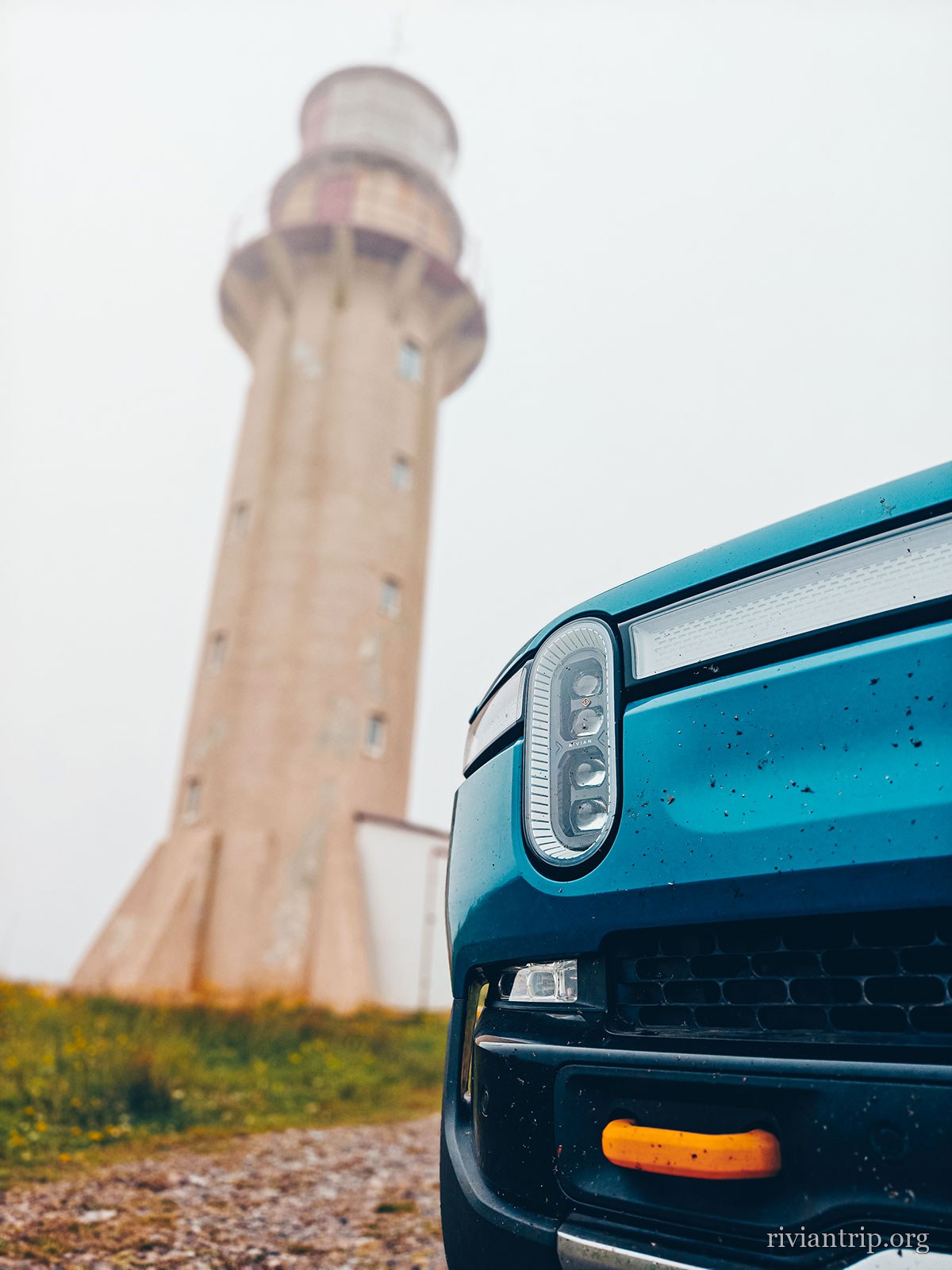
Miquelon-Langlade
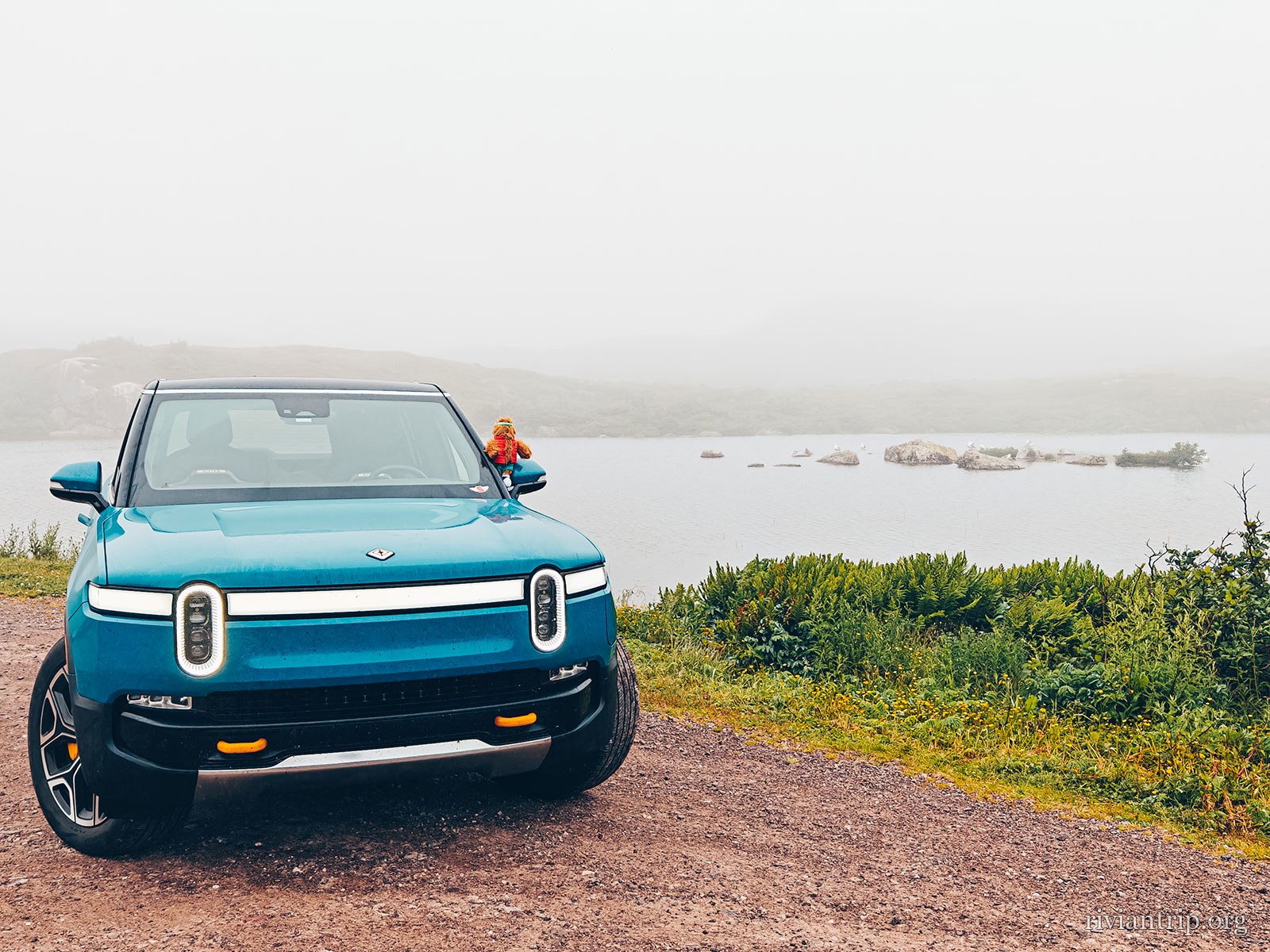
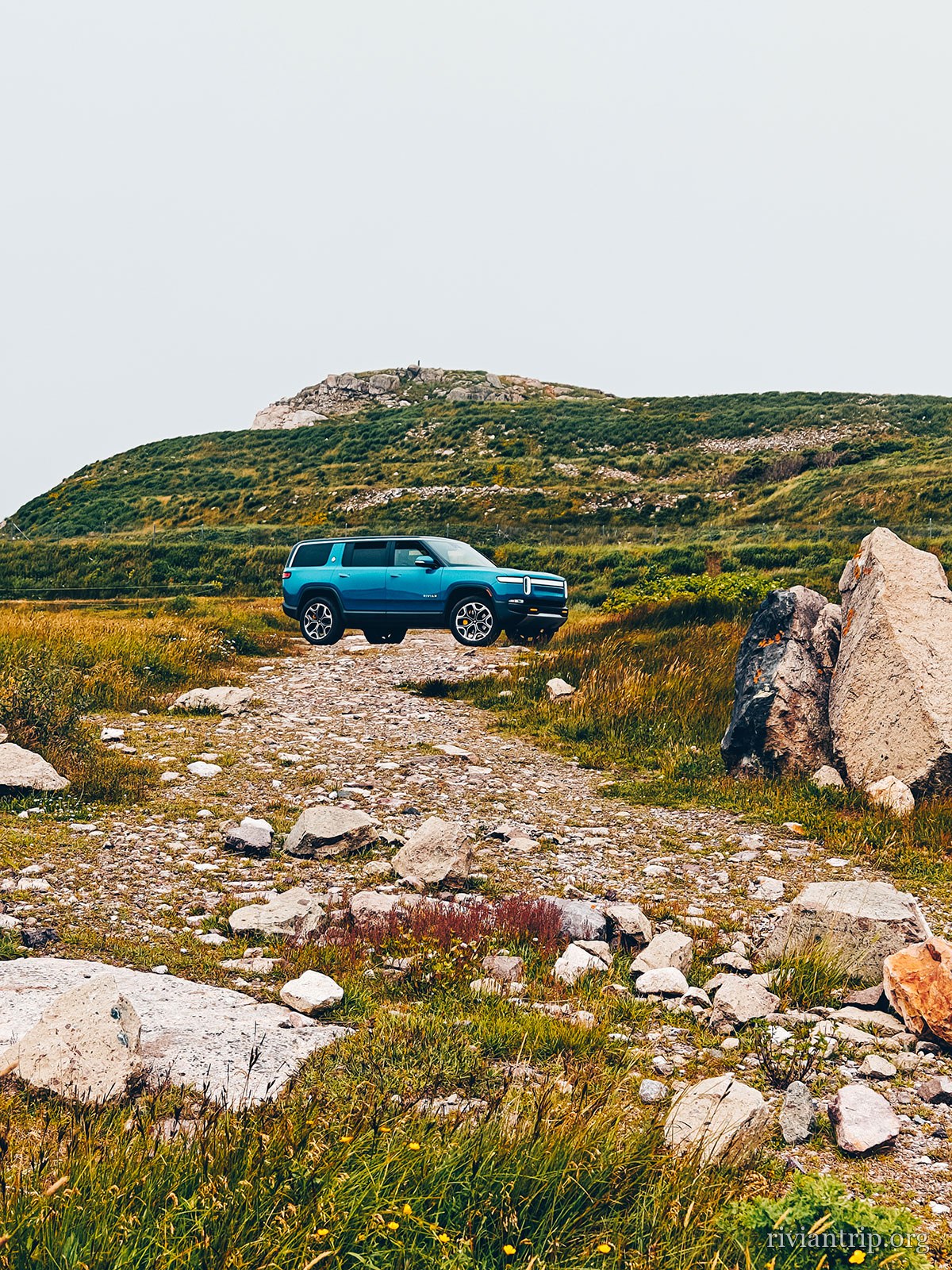
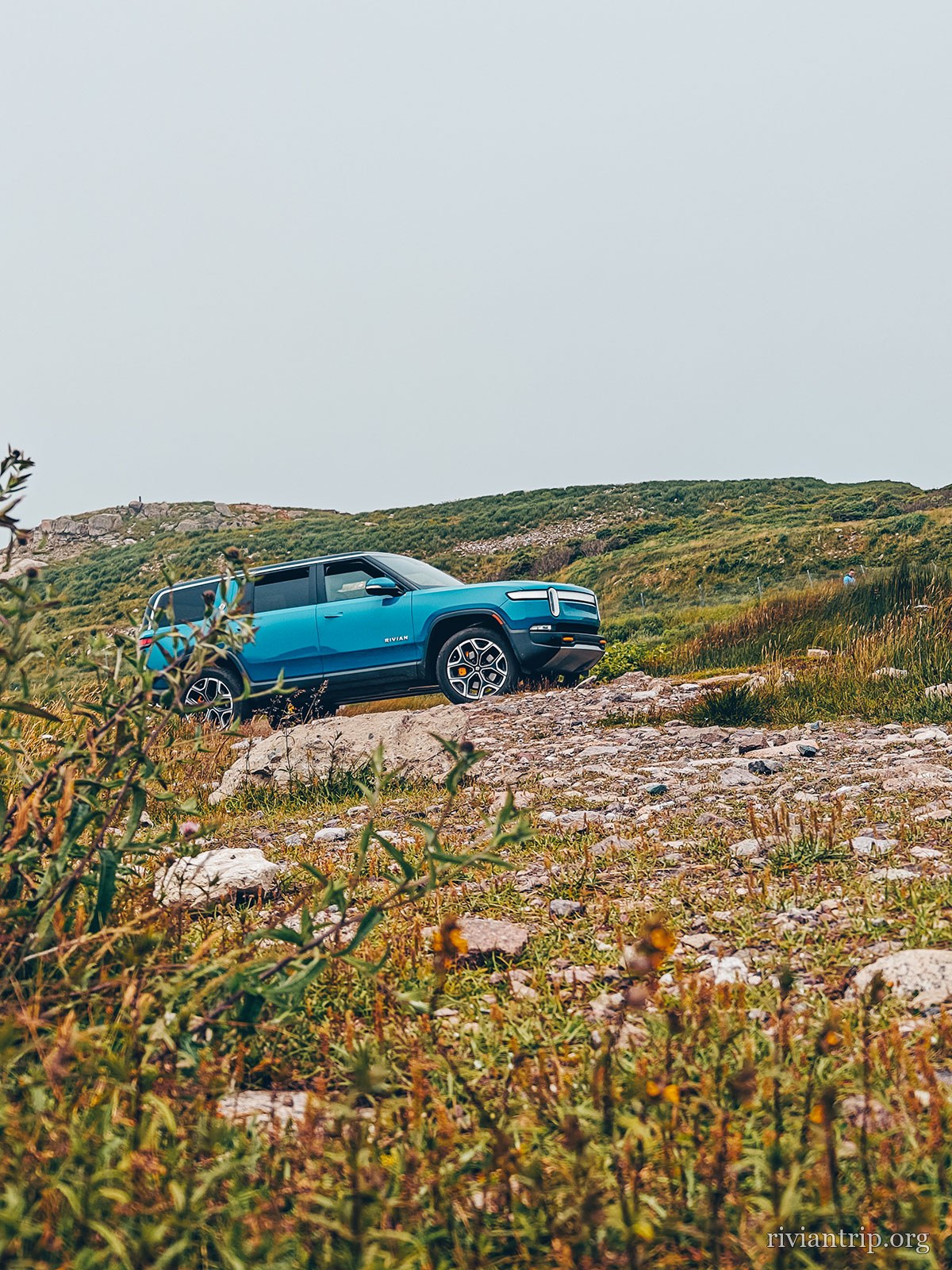
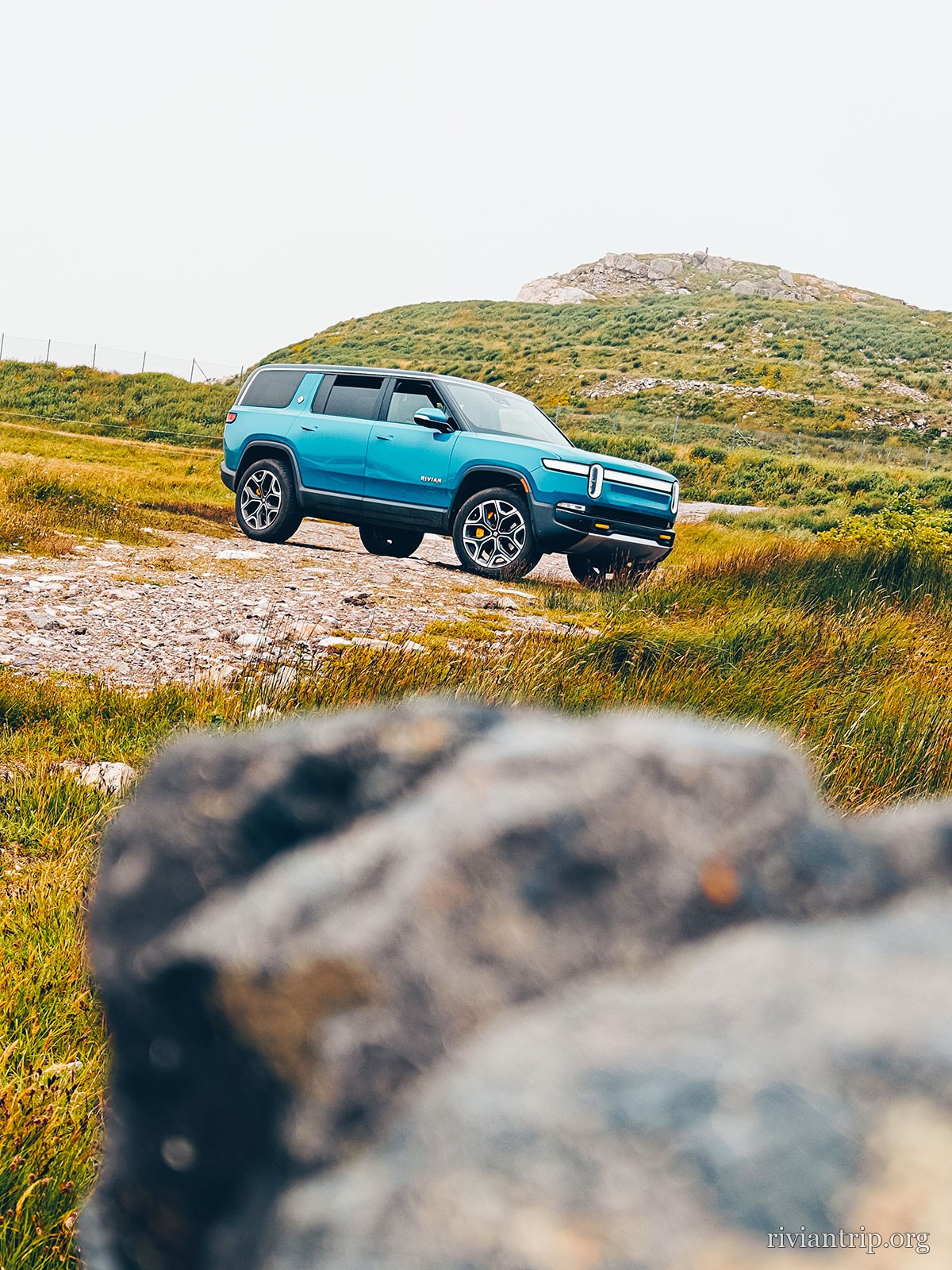
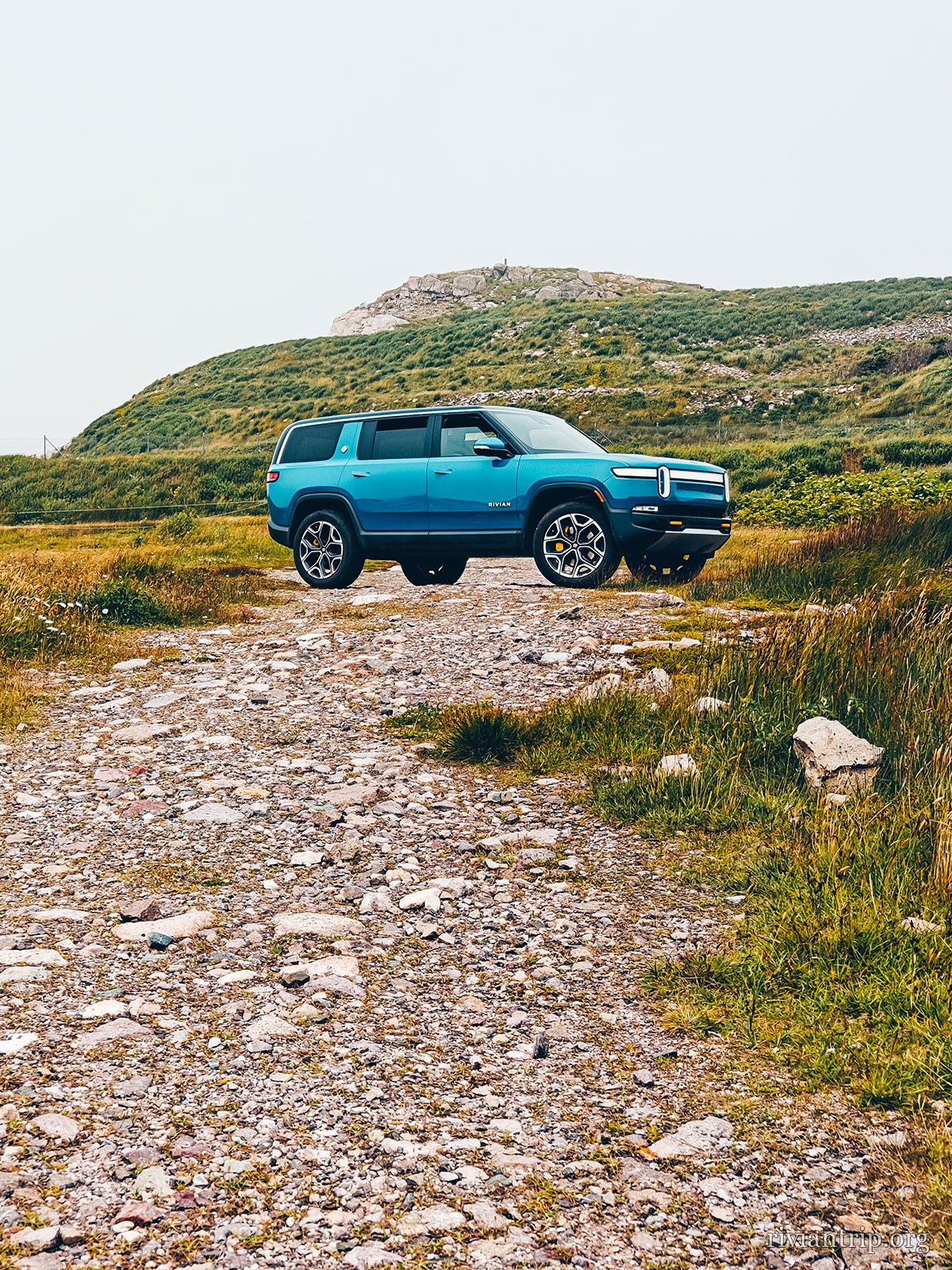
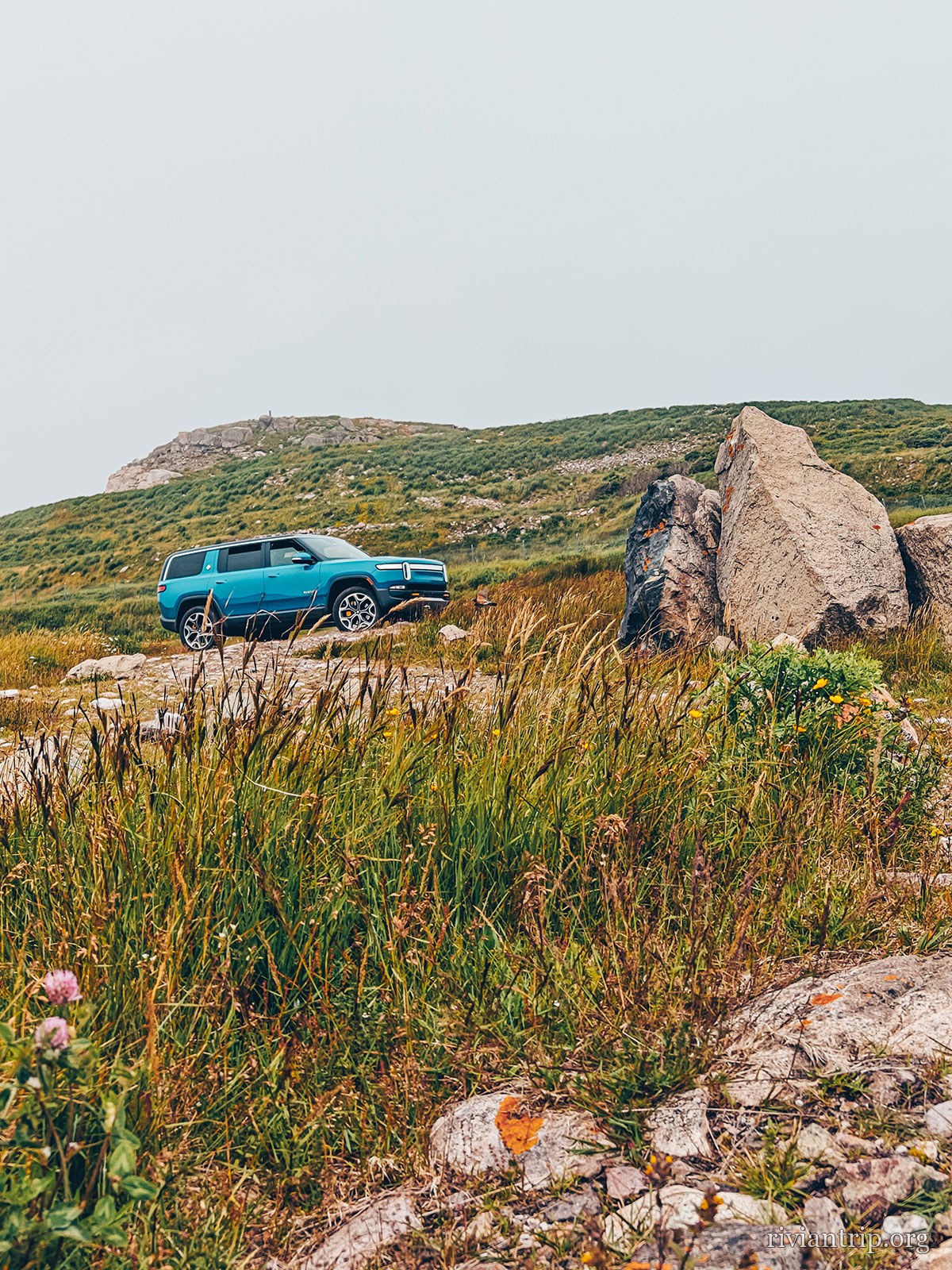
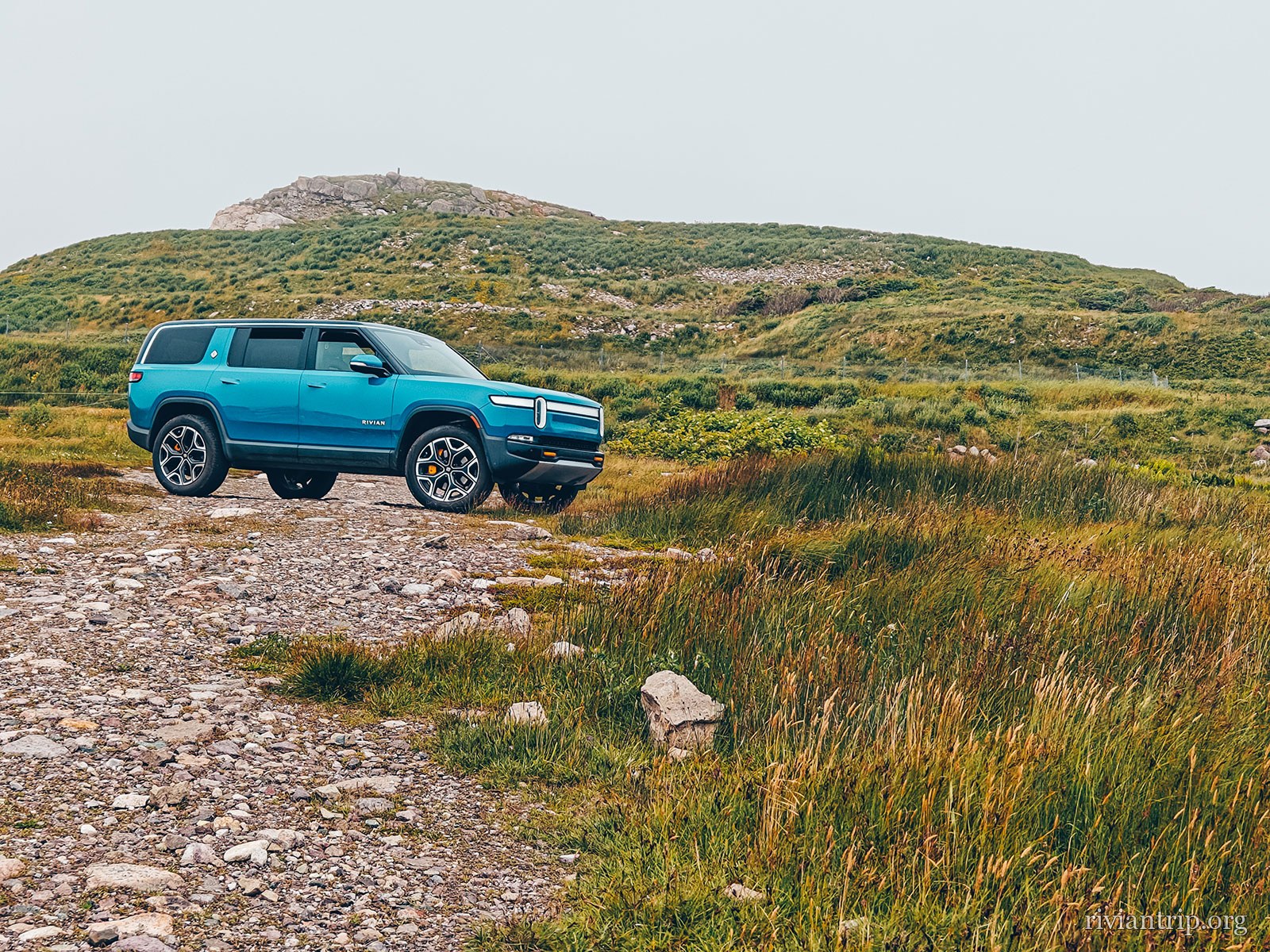
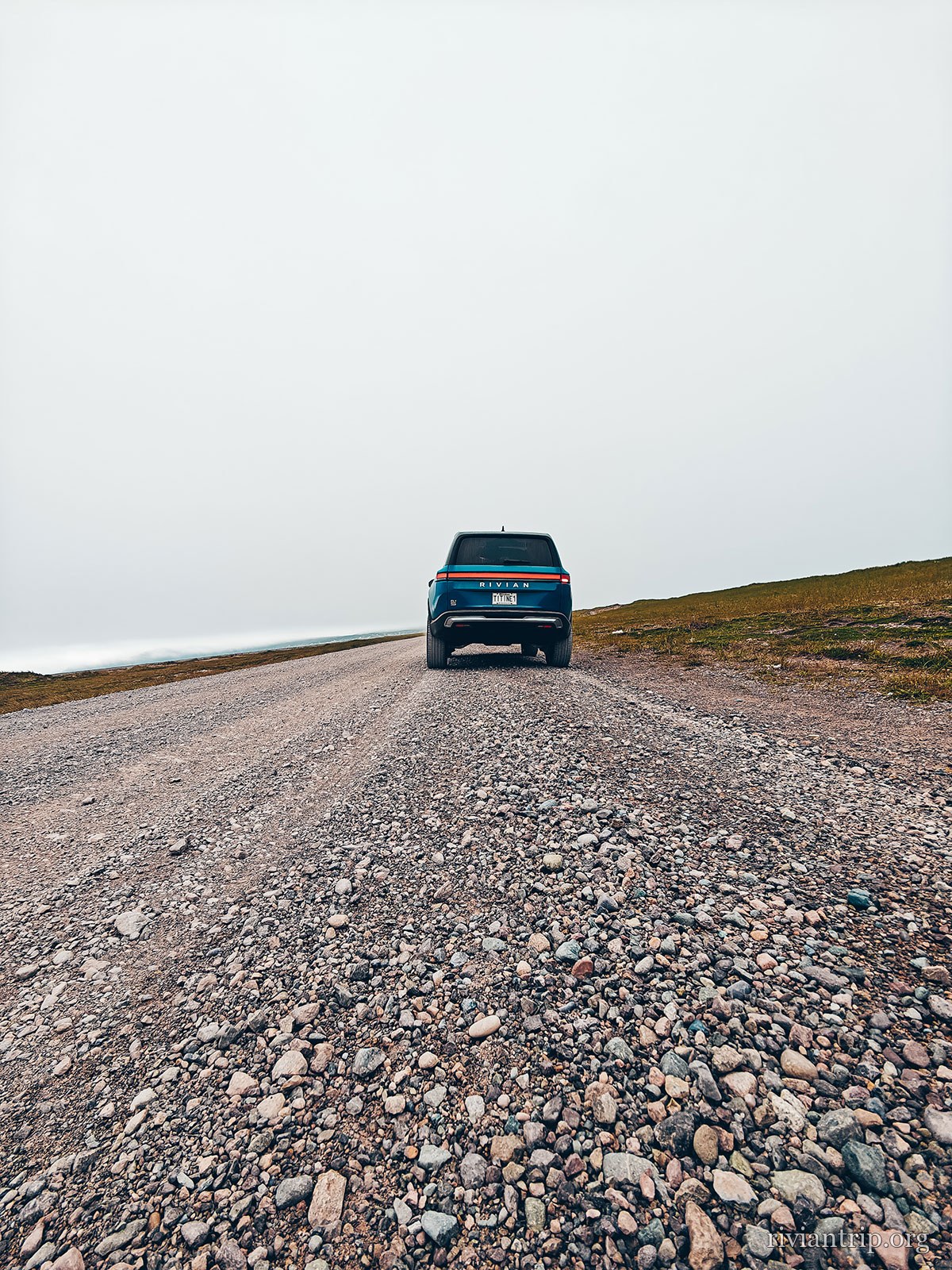
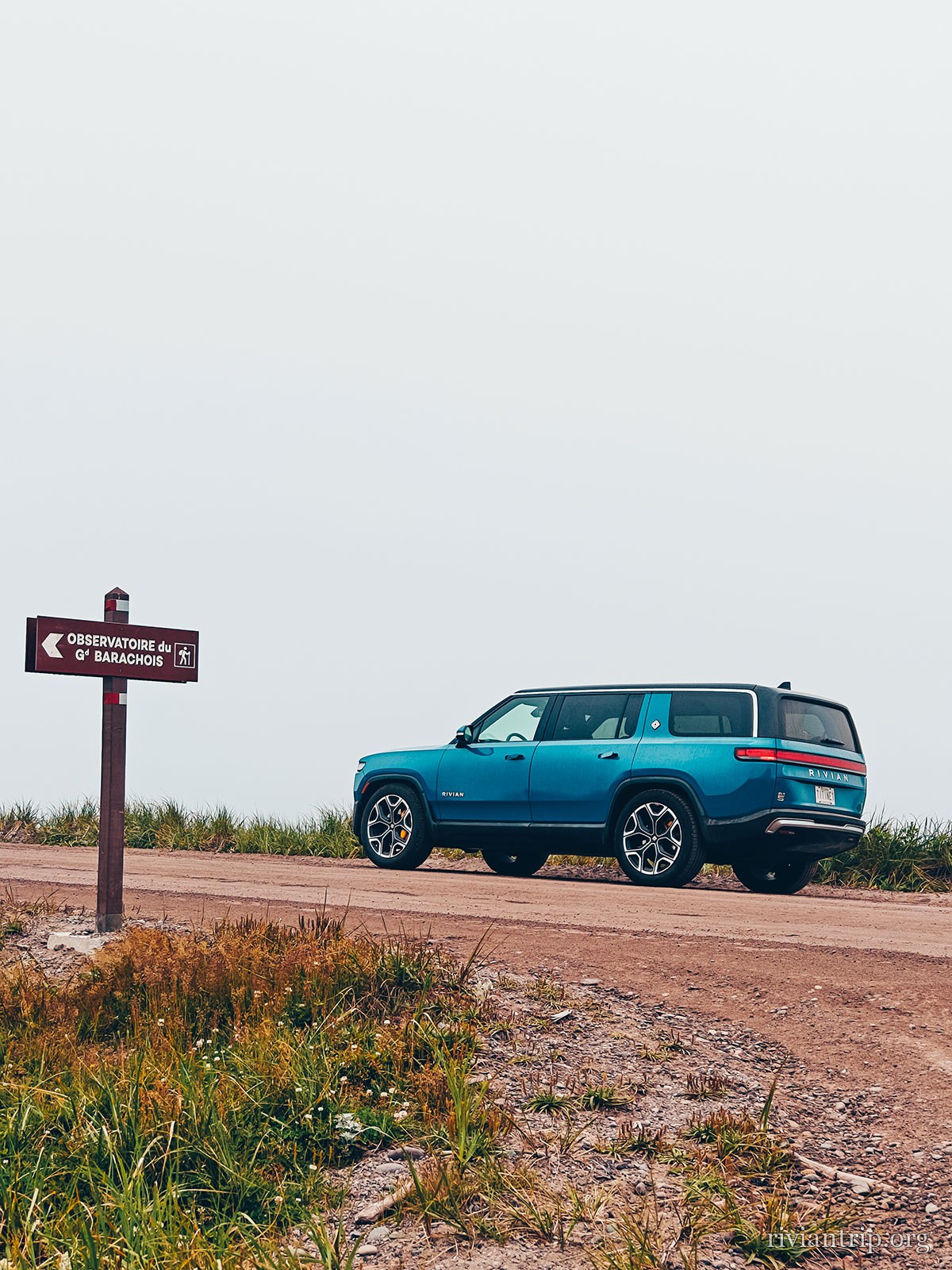
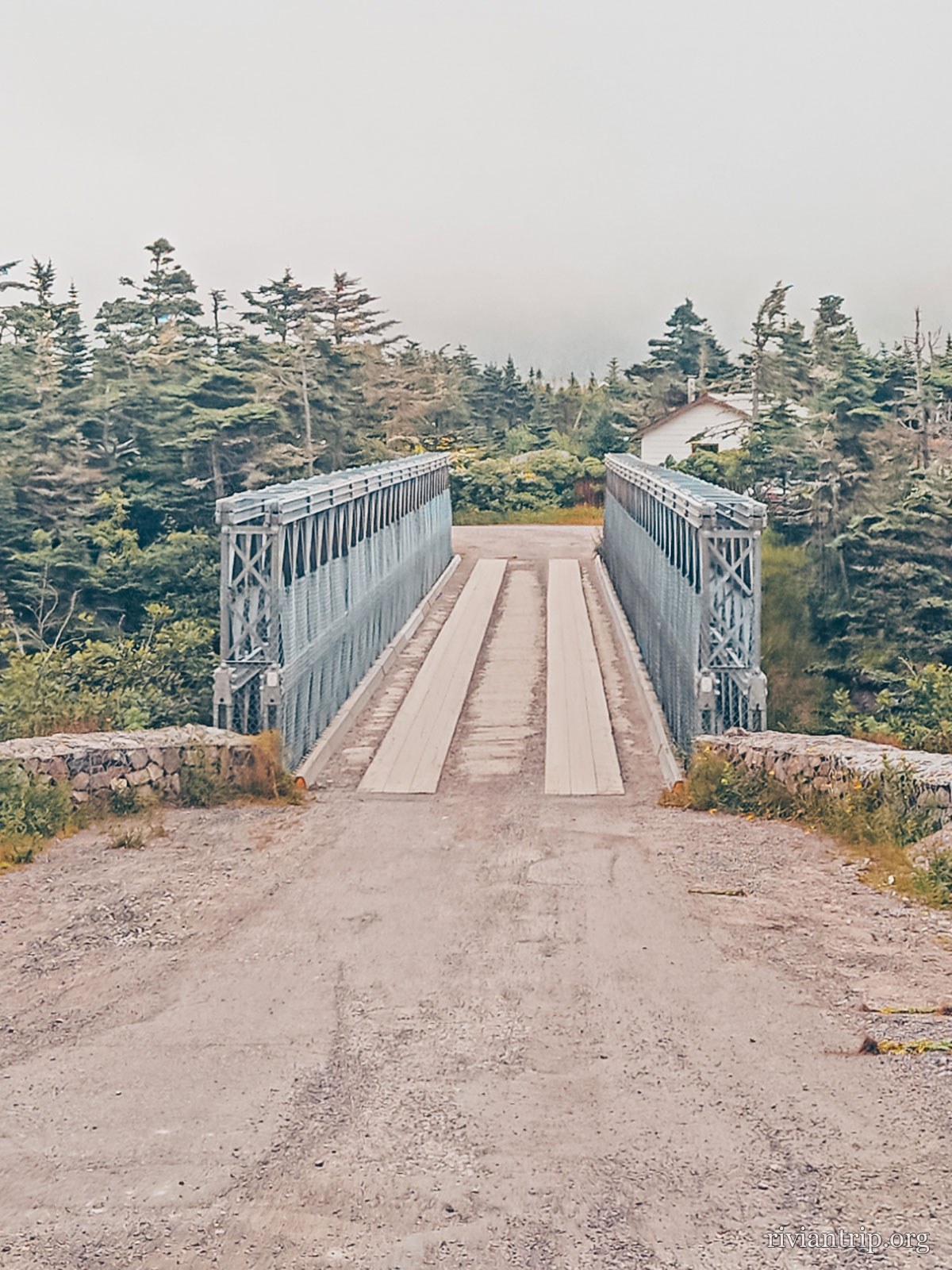
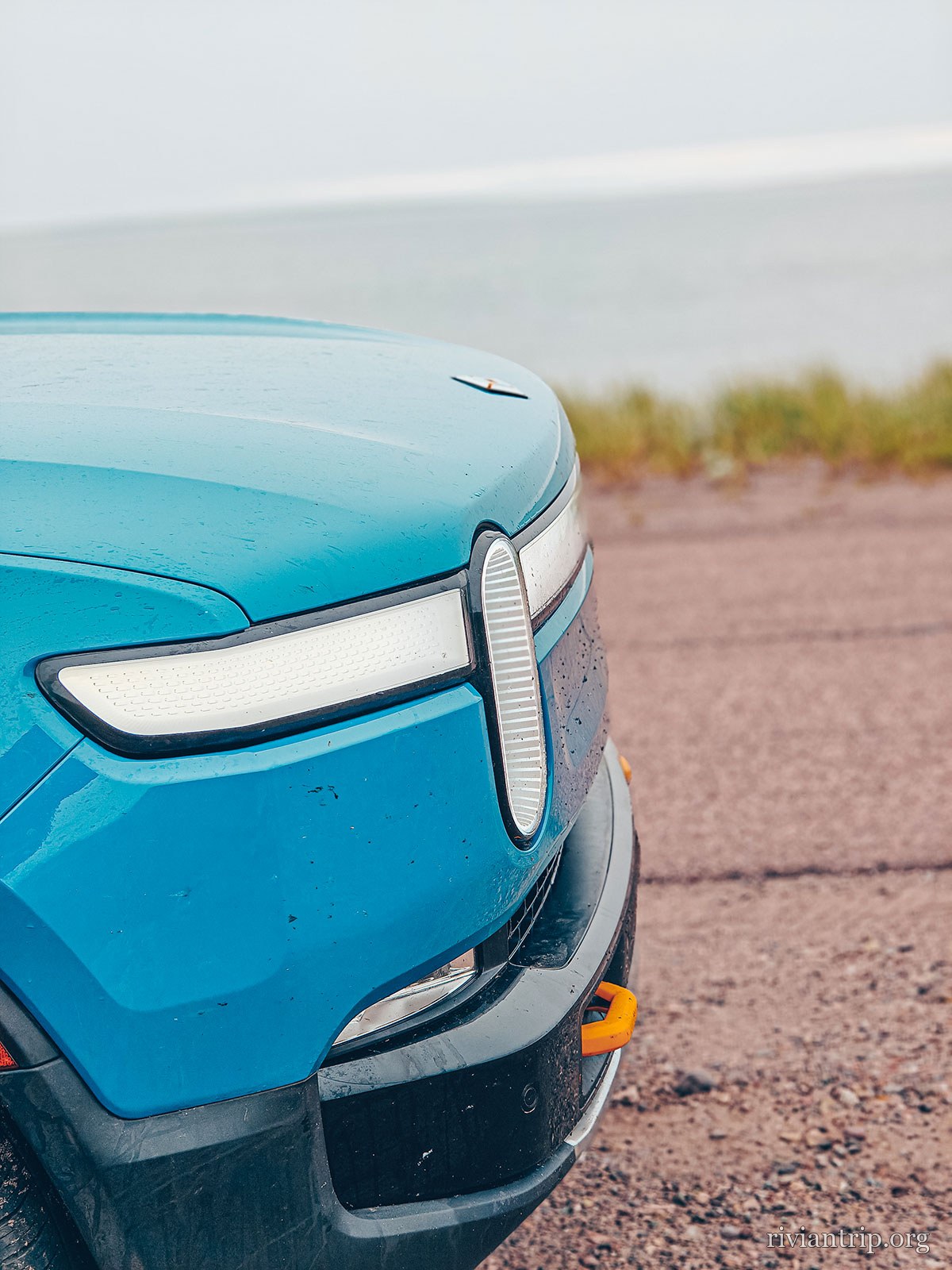
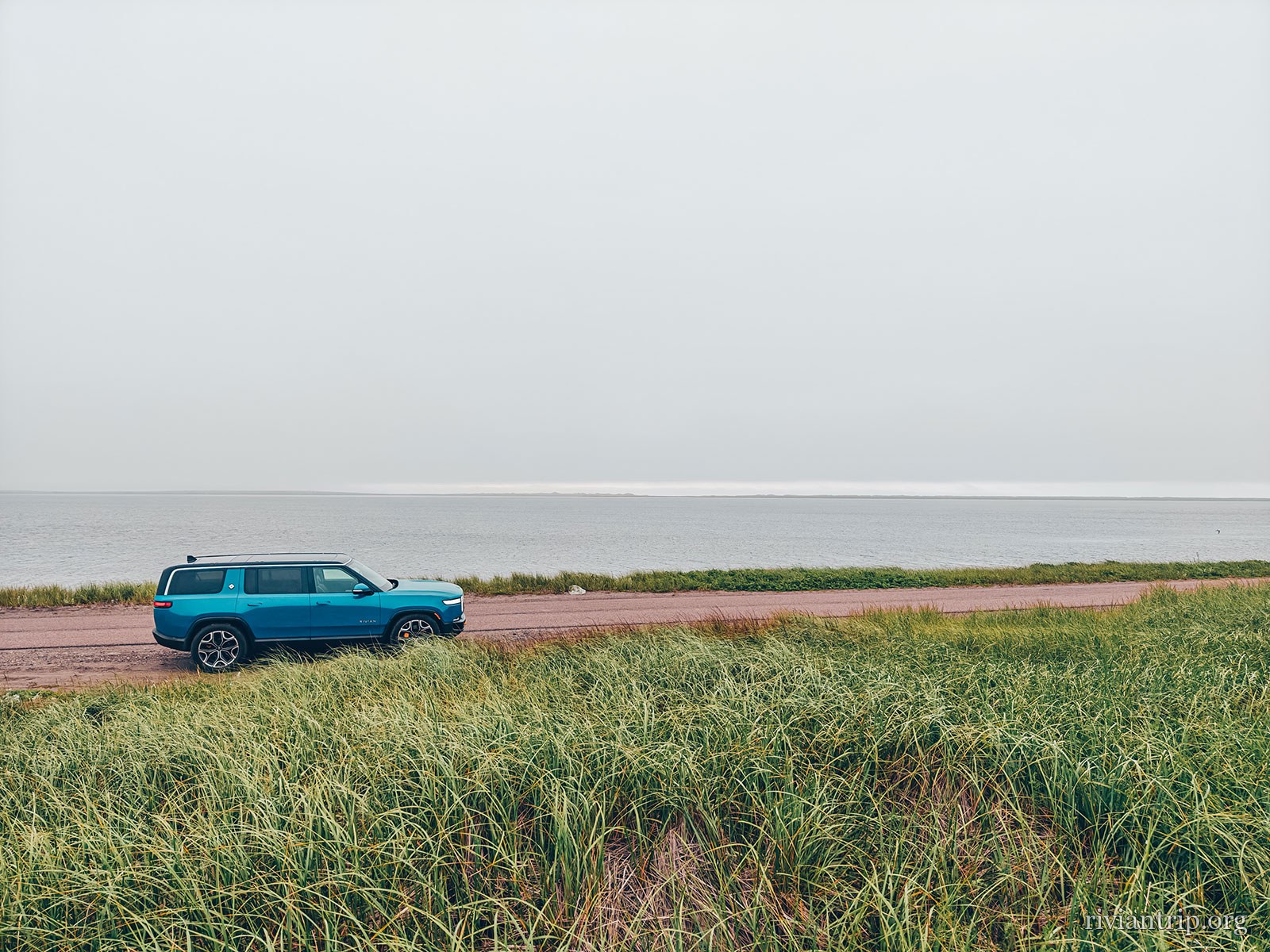
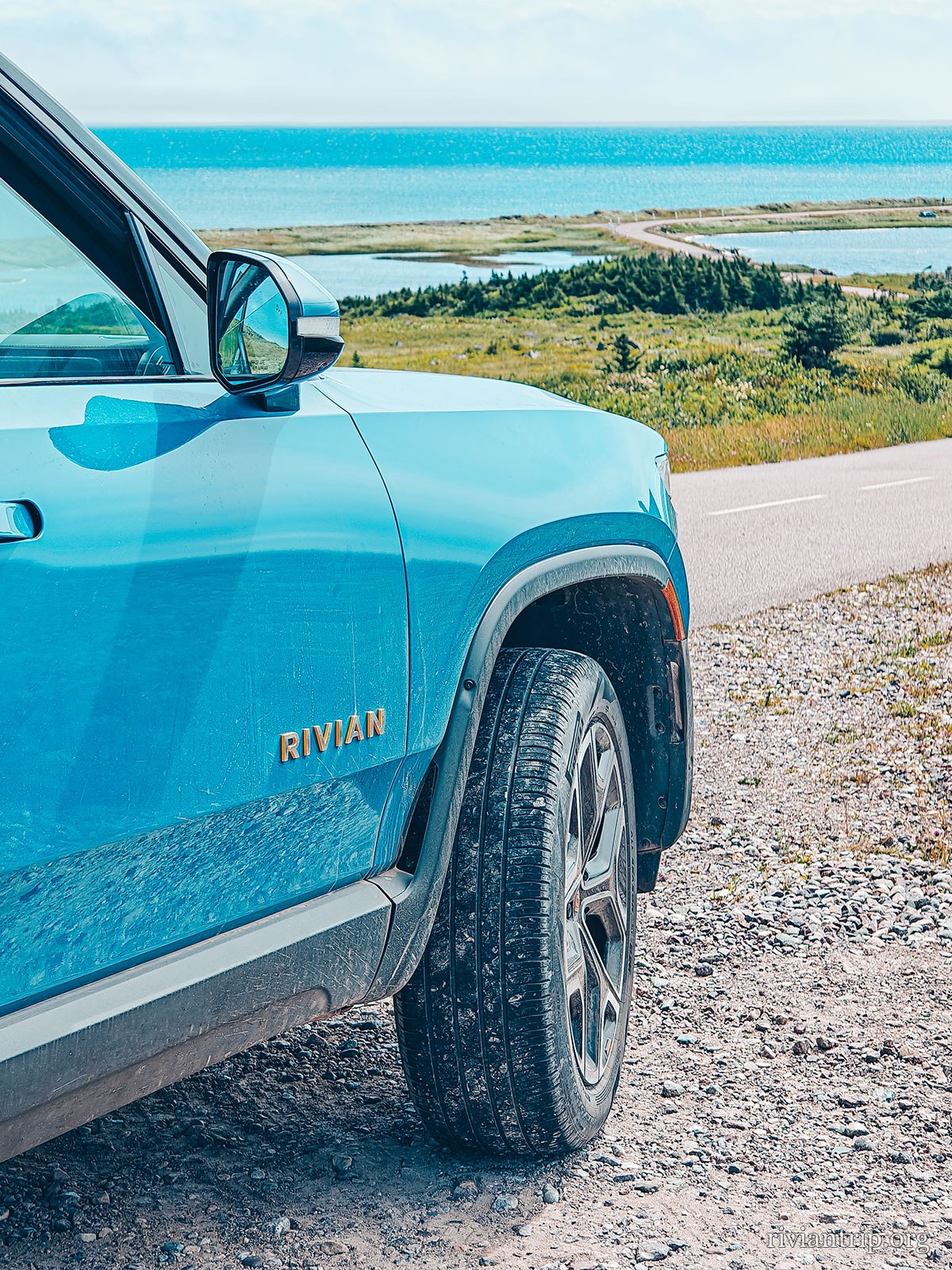
The flat tyre · crossing the dune isthmusUp on the heights of Miquelon, on a gravel track, the Rivian R1S gets a flat — a gash in the tyre. A local mechanic comes to the rescue and fits an inner tube: a fix that lets us keep going, though it will not solve the problem for good just yet.
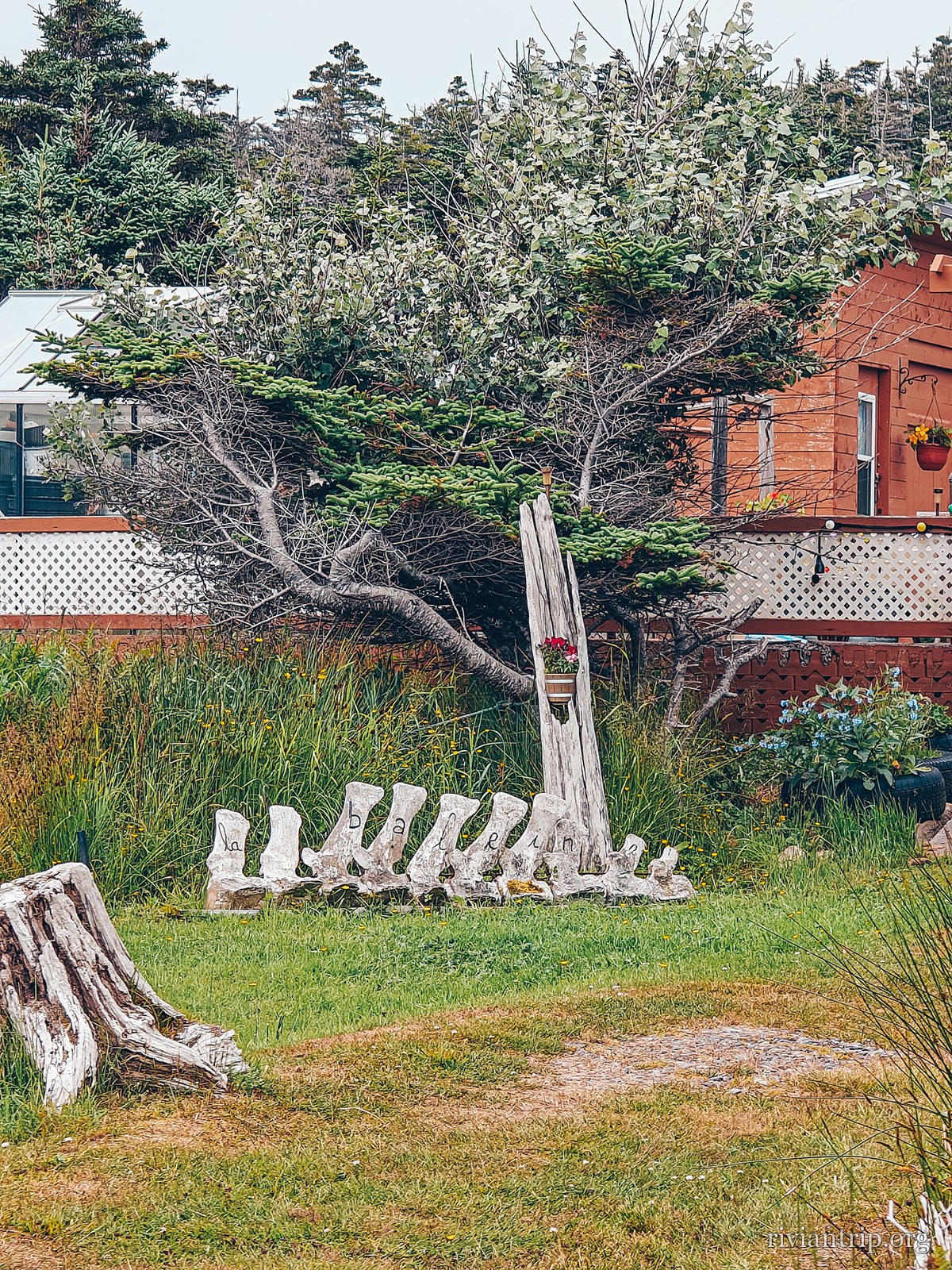
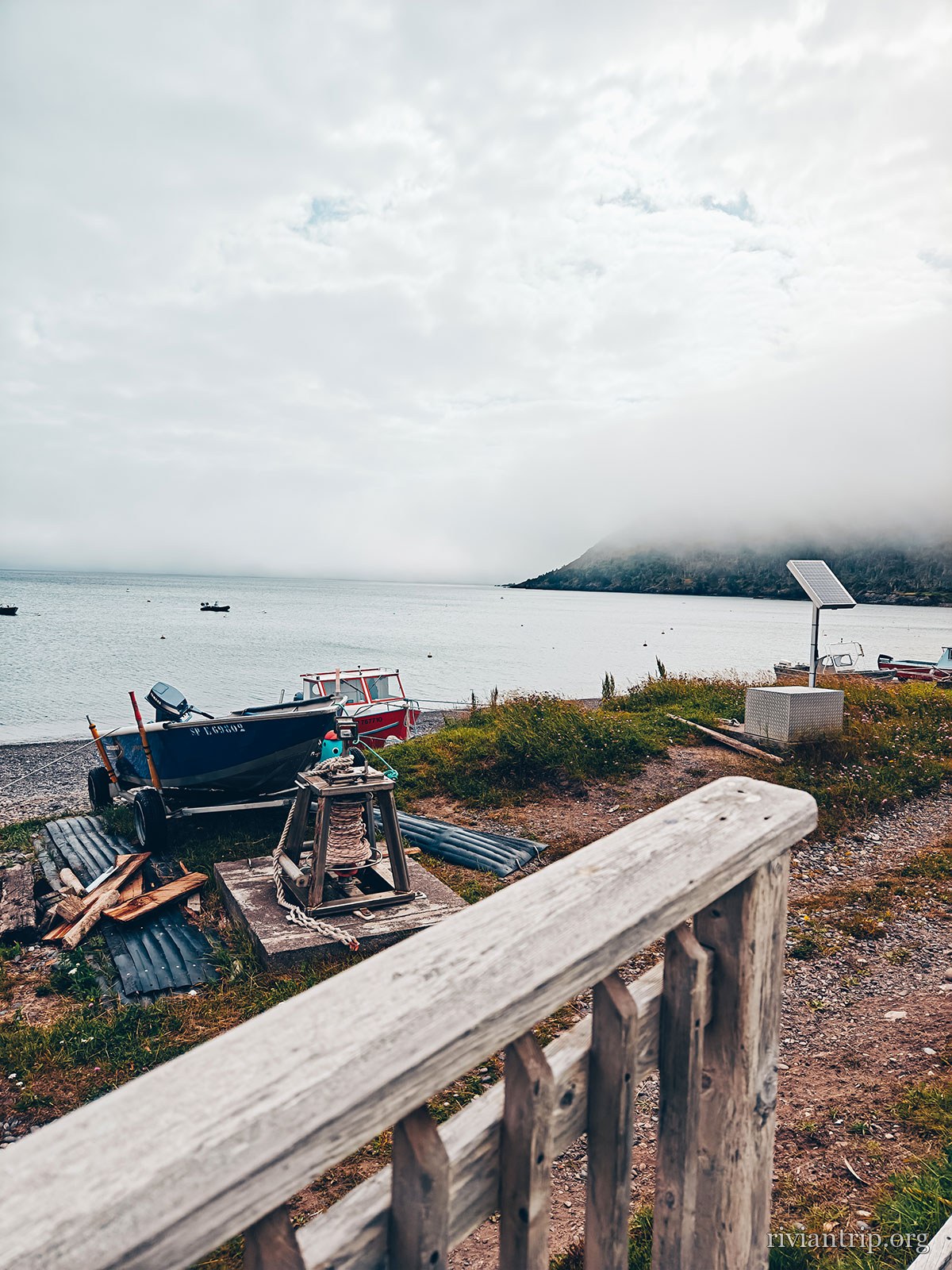
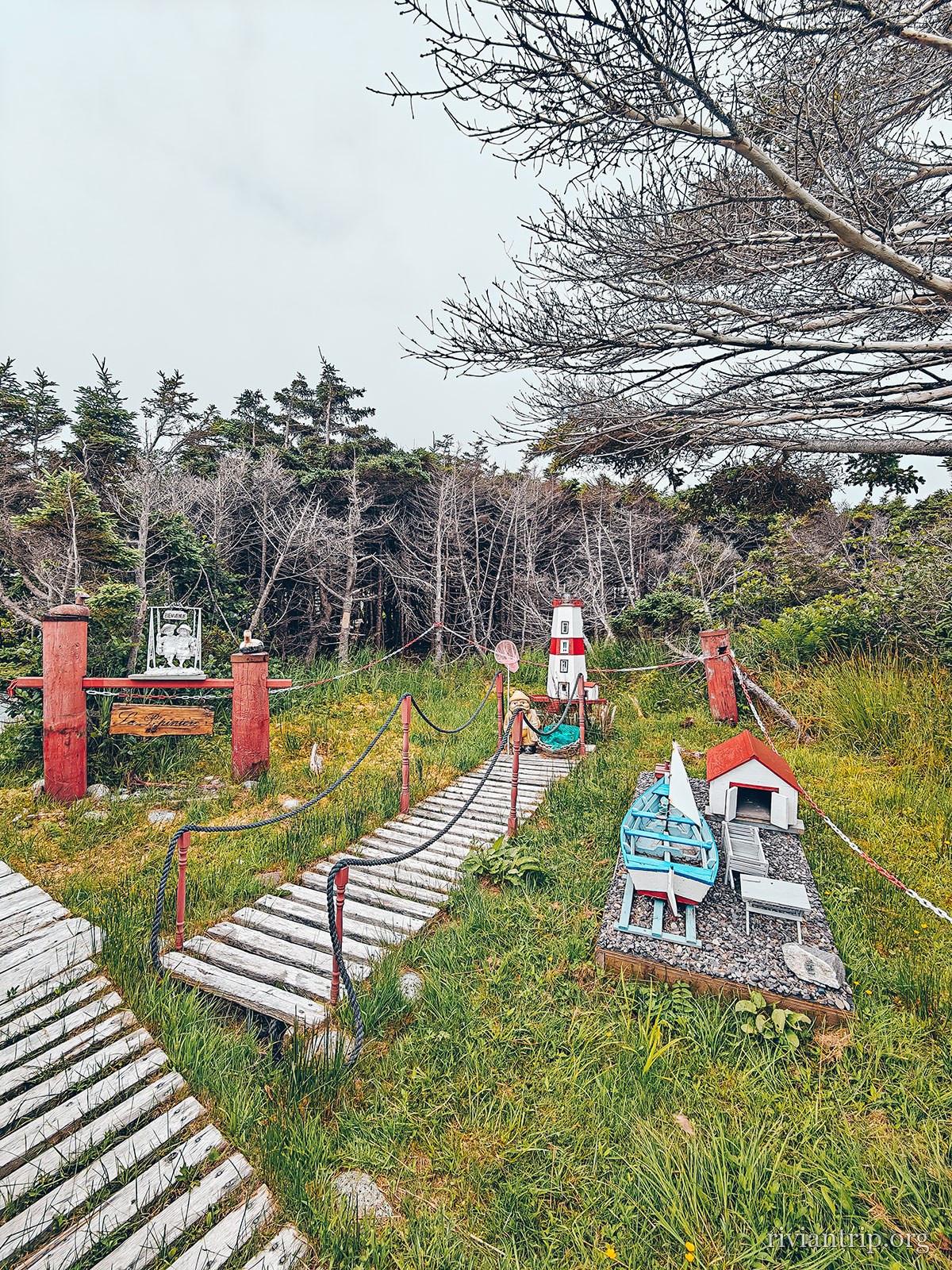
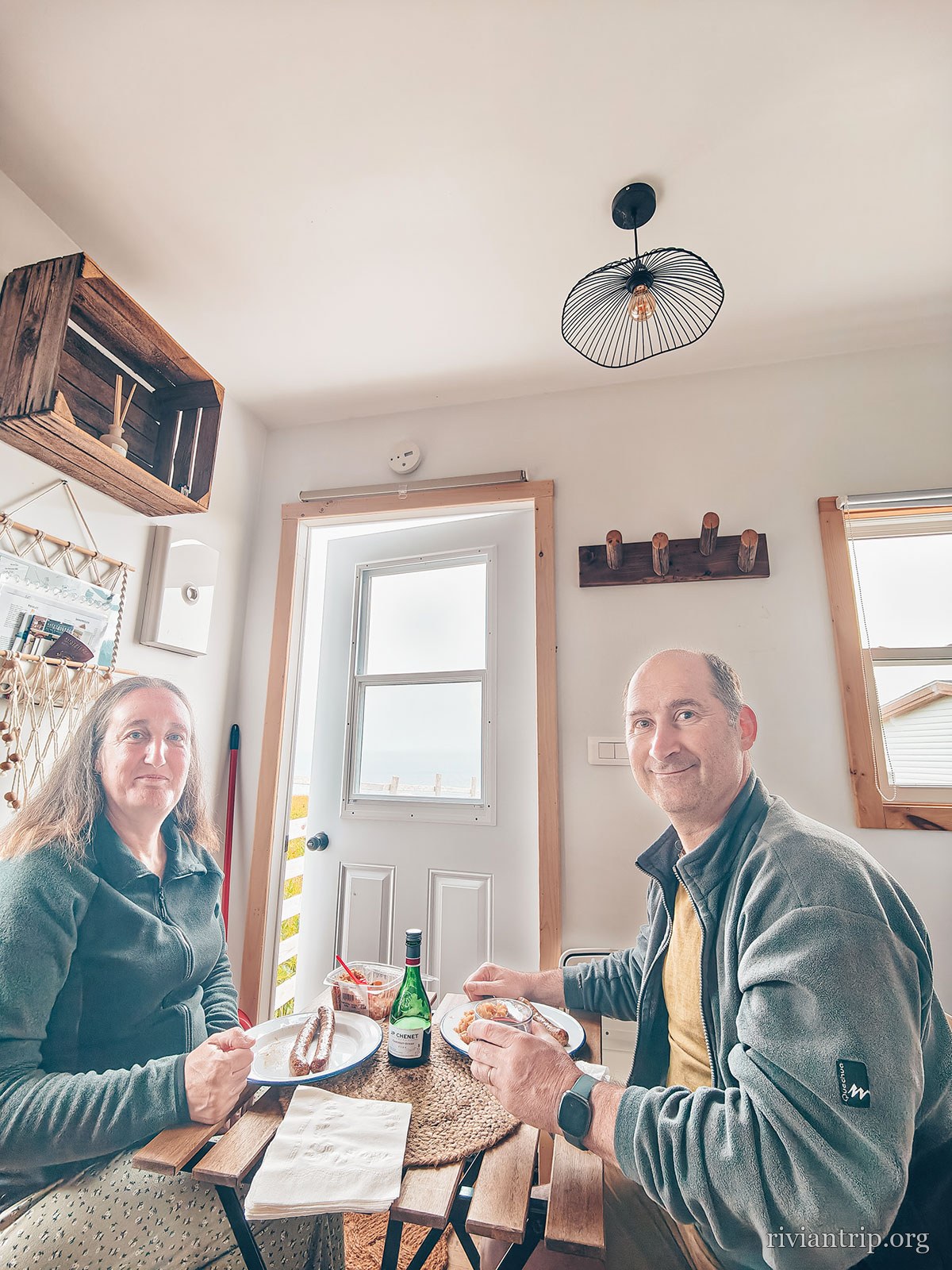
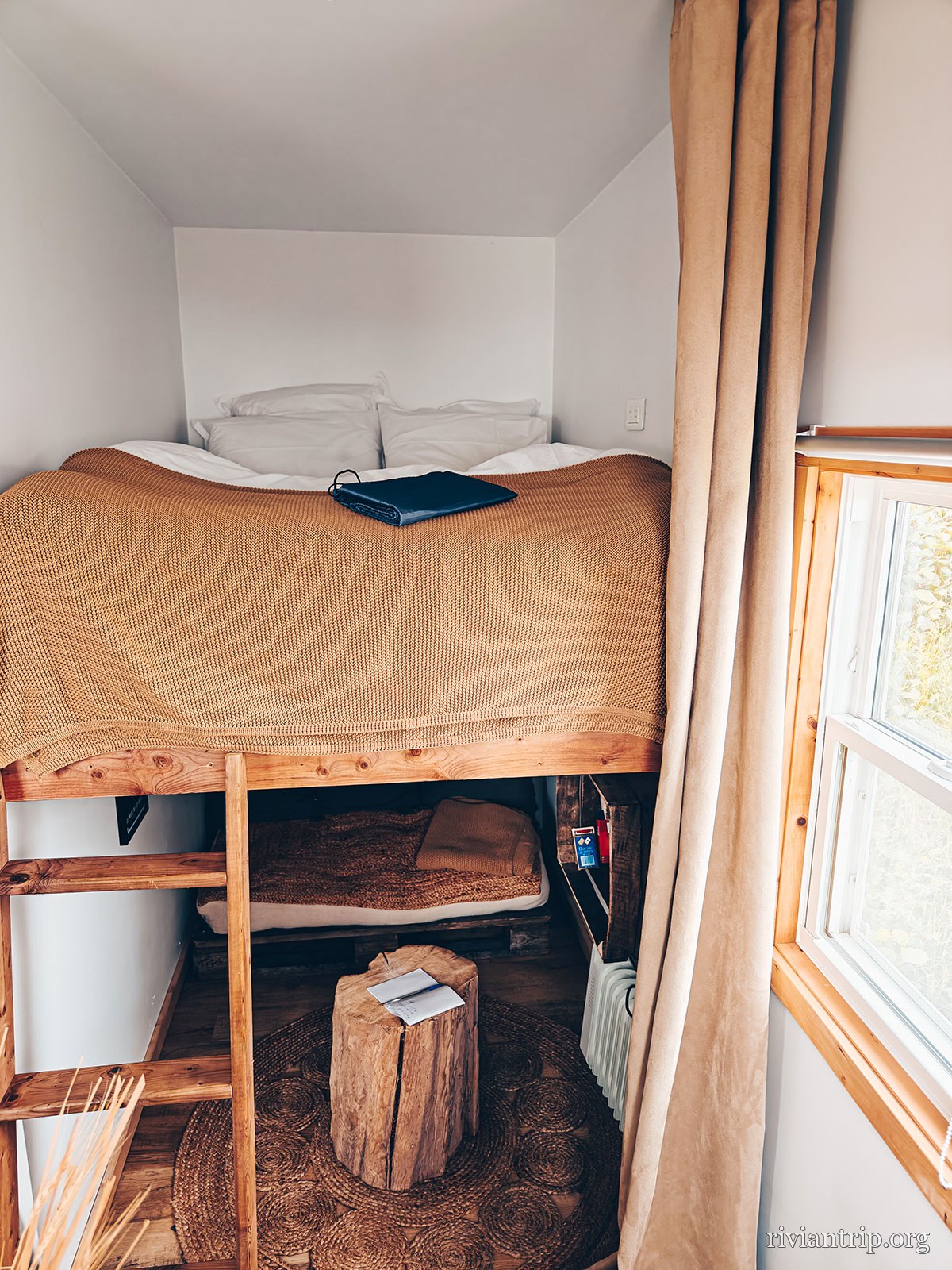
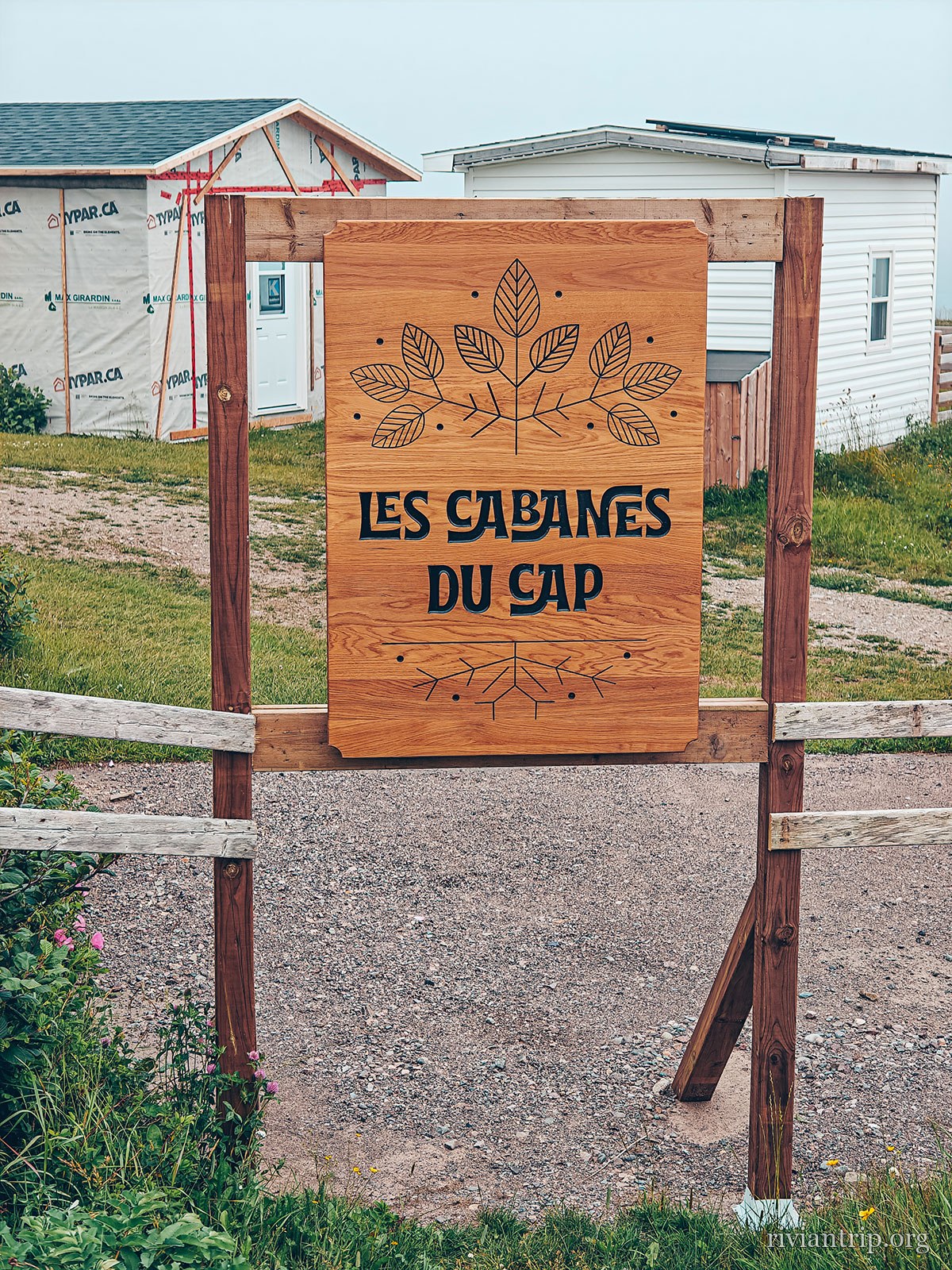
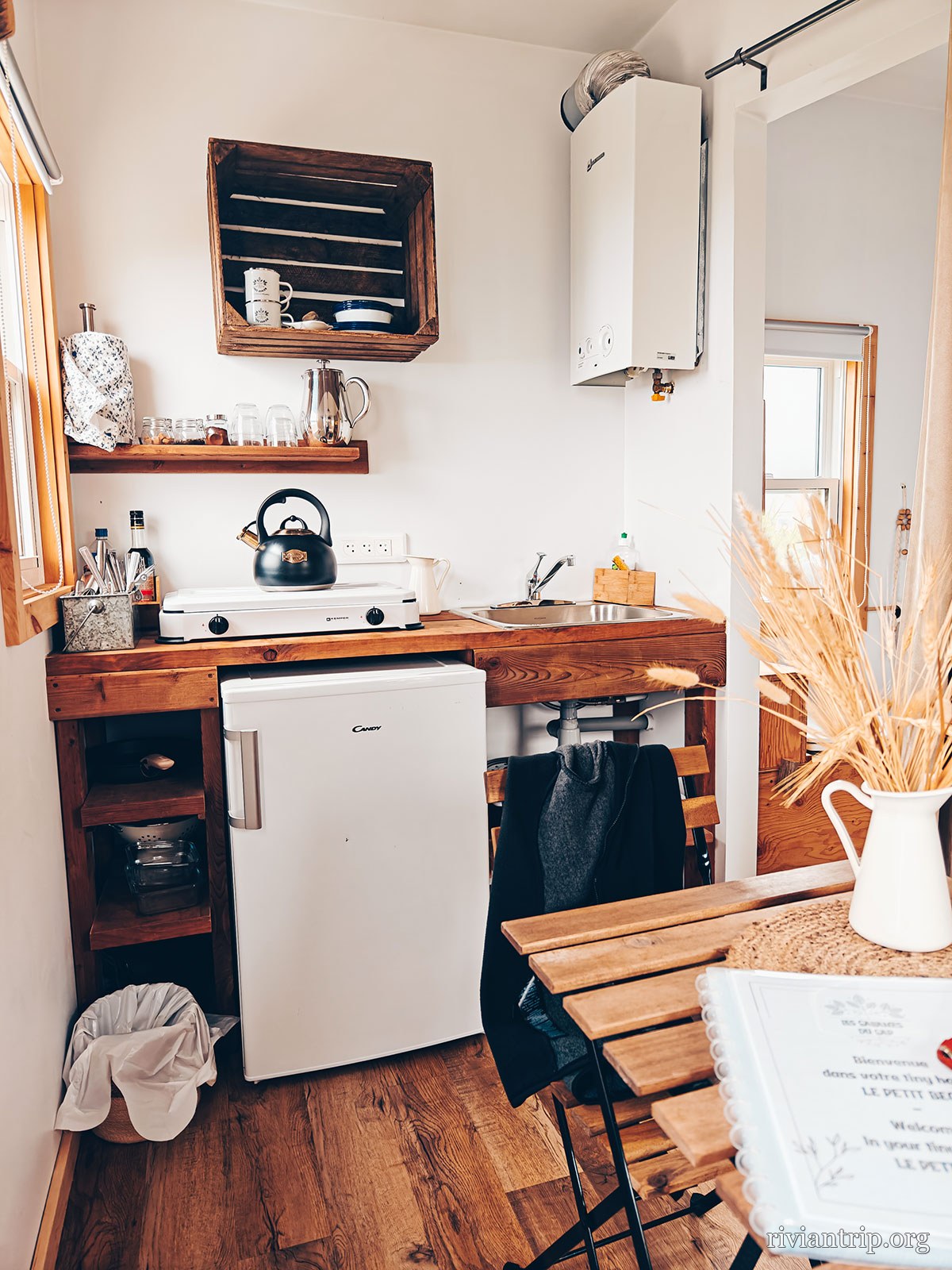
We spend the night at Le Petit Bec, a small eco-friendly house run by Adrien. In the evening, over a proper French meal, we watch the sea in the distance. After thousands of kilometres of road, crossings and charging stops, this quiet evening feels almost unreal.
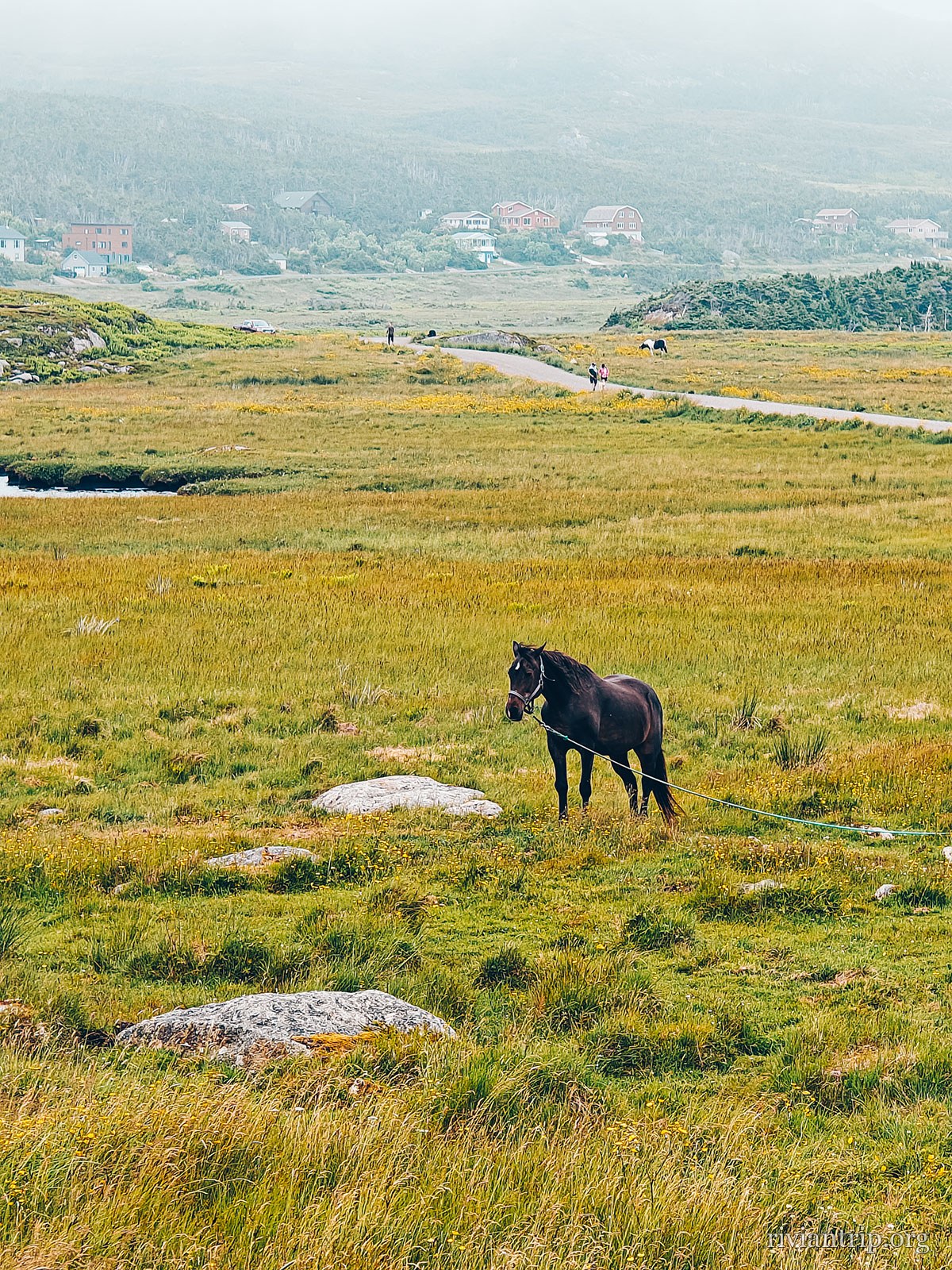
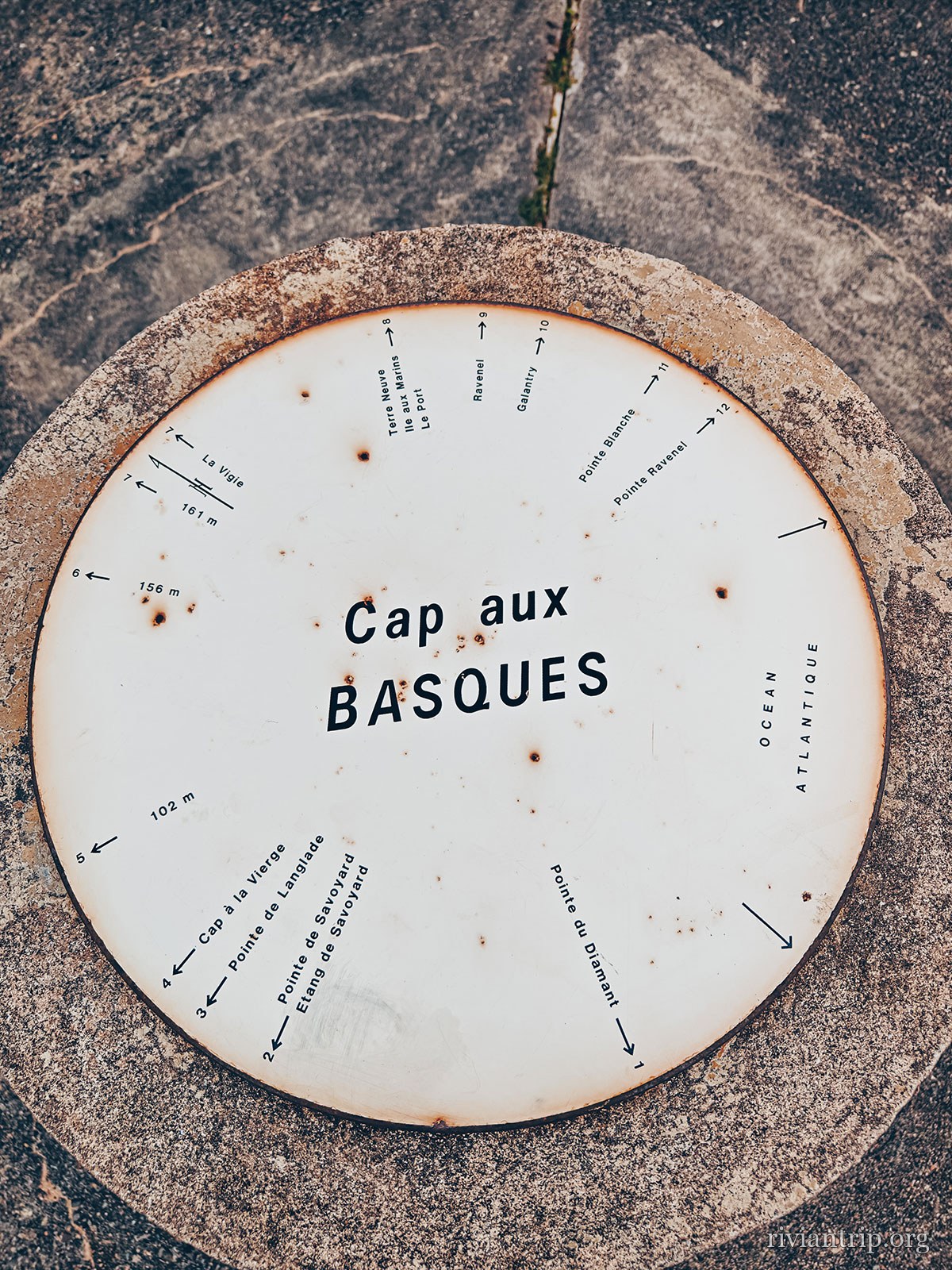
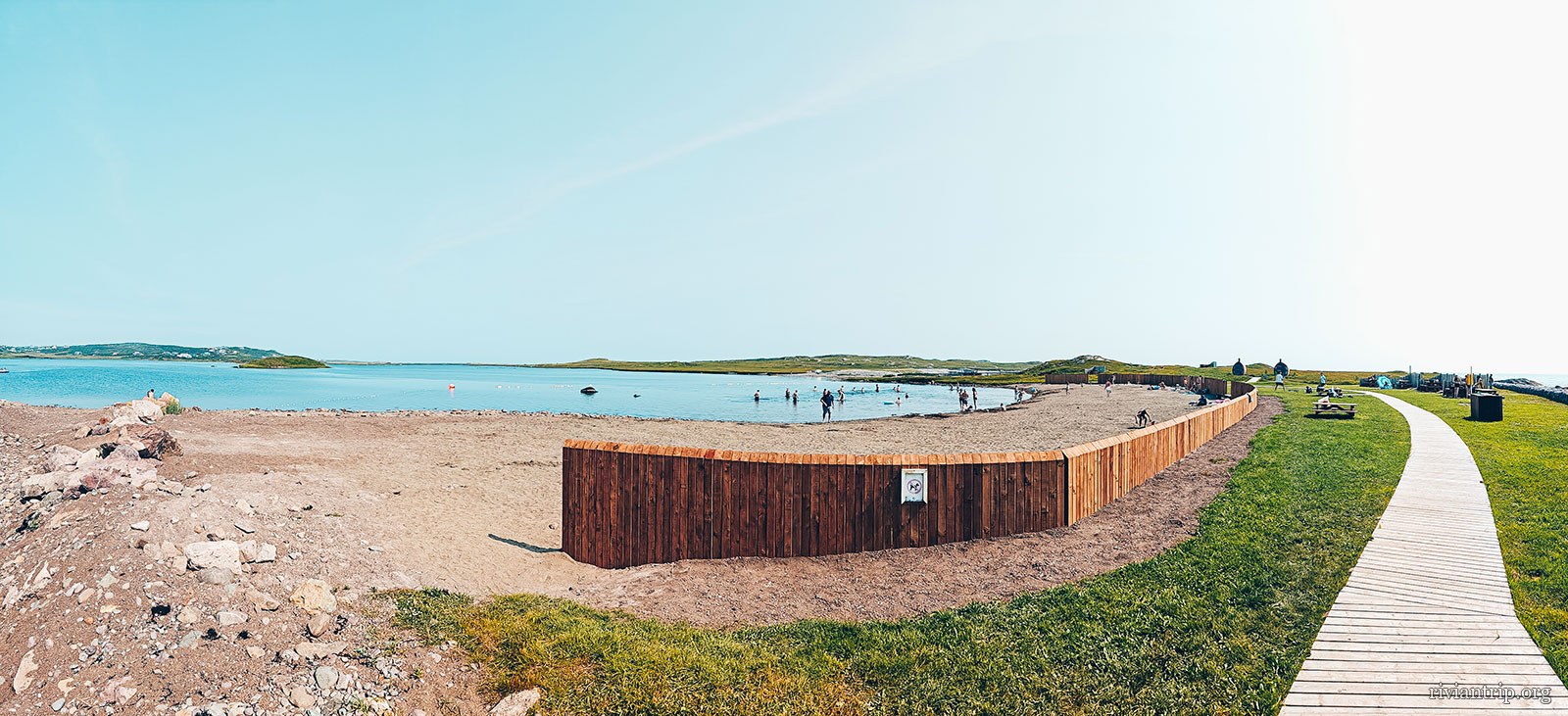
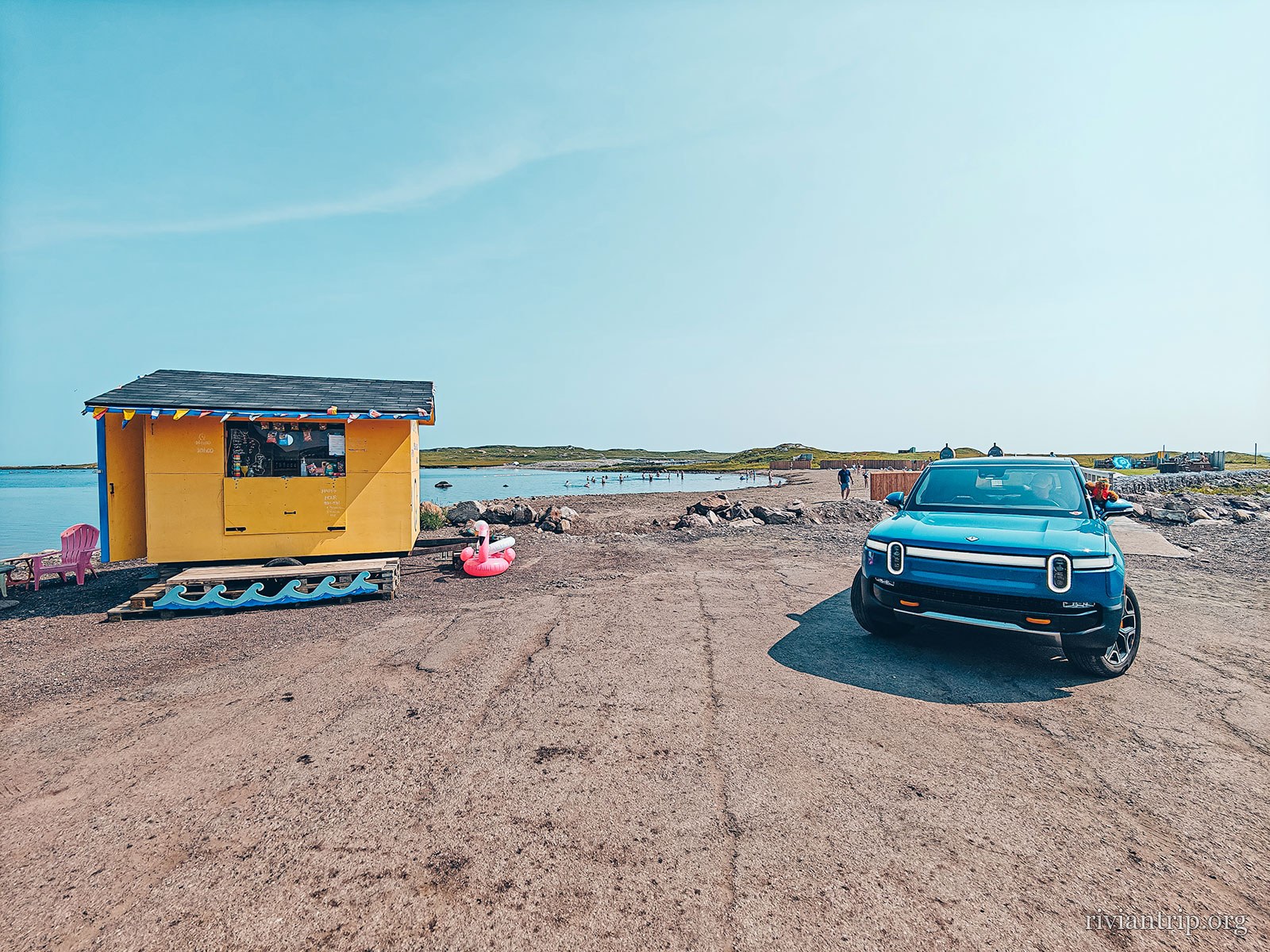
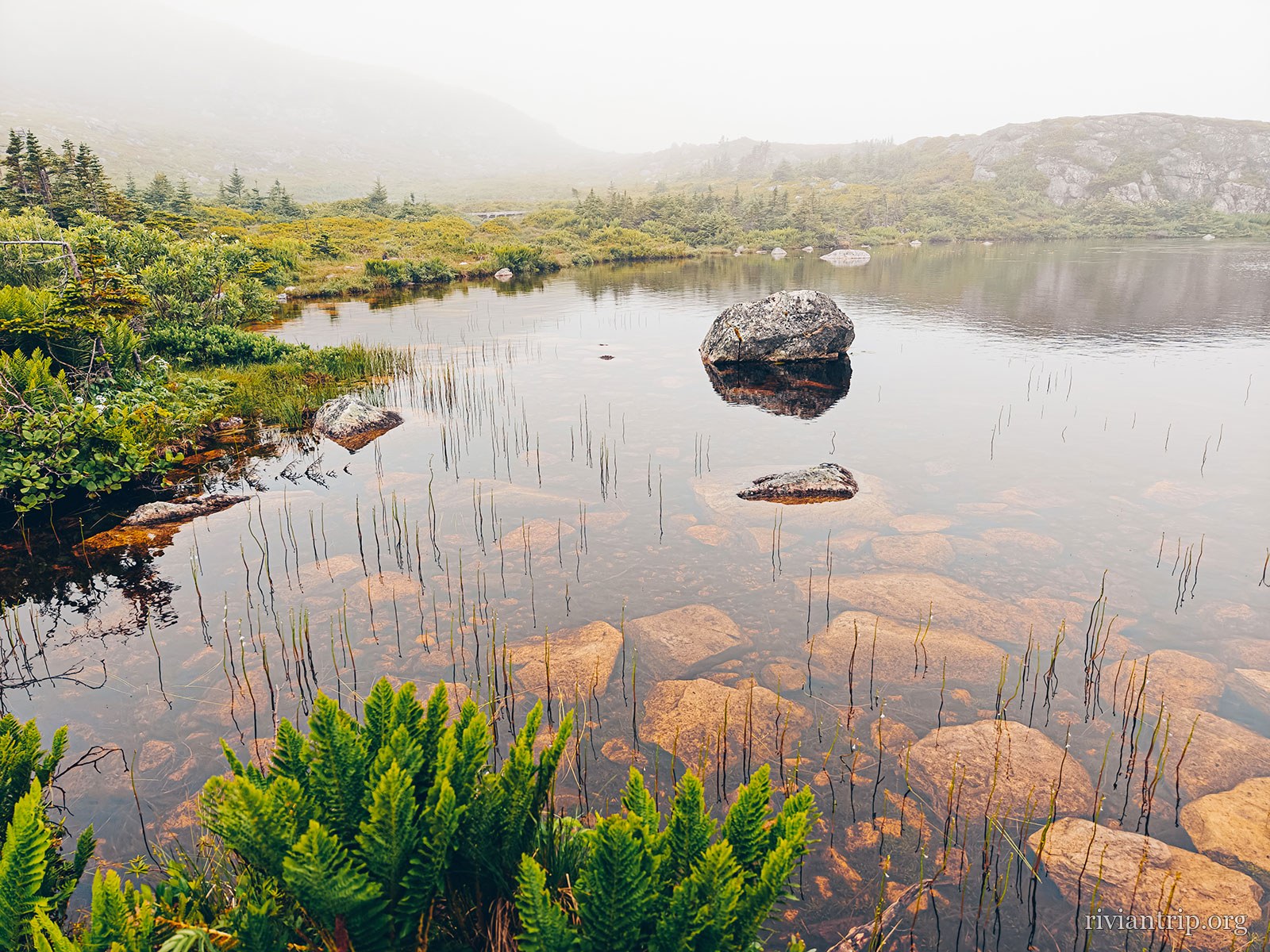
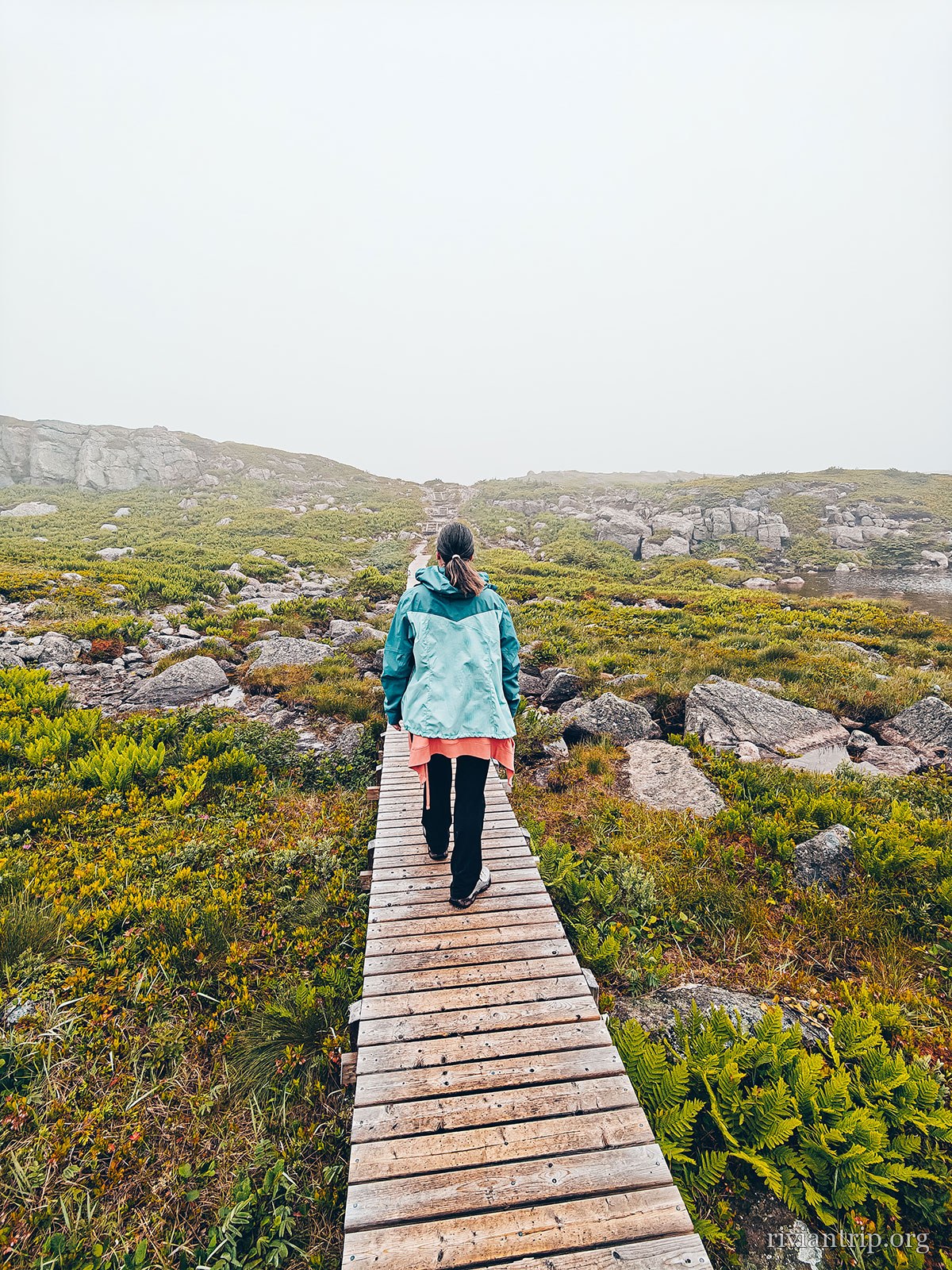
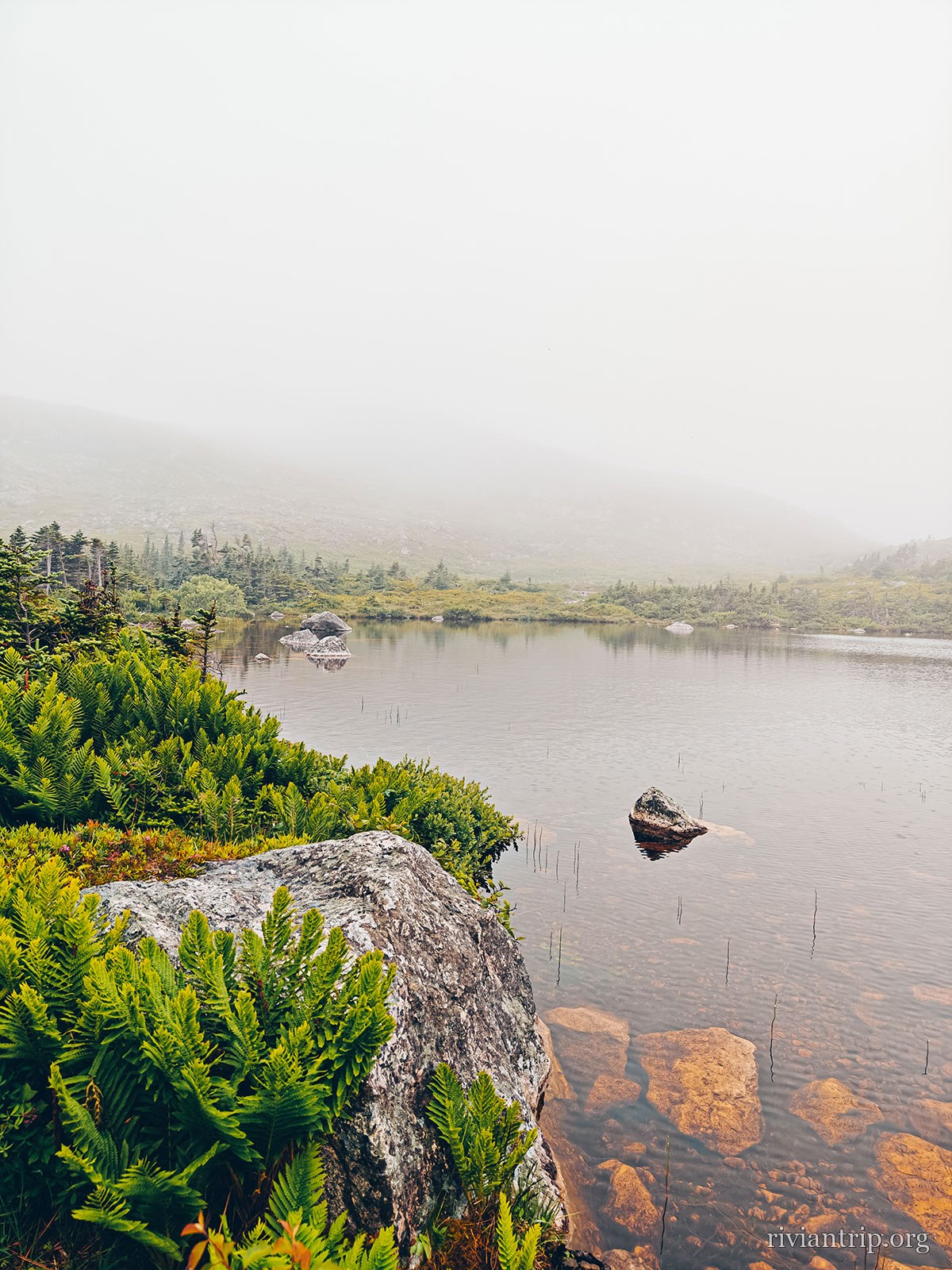
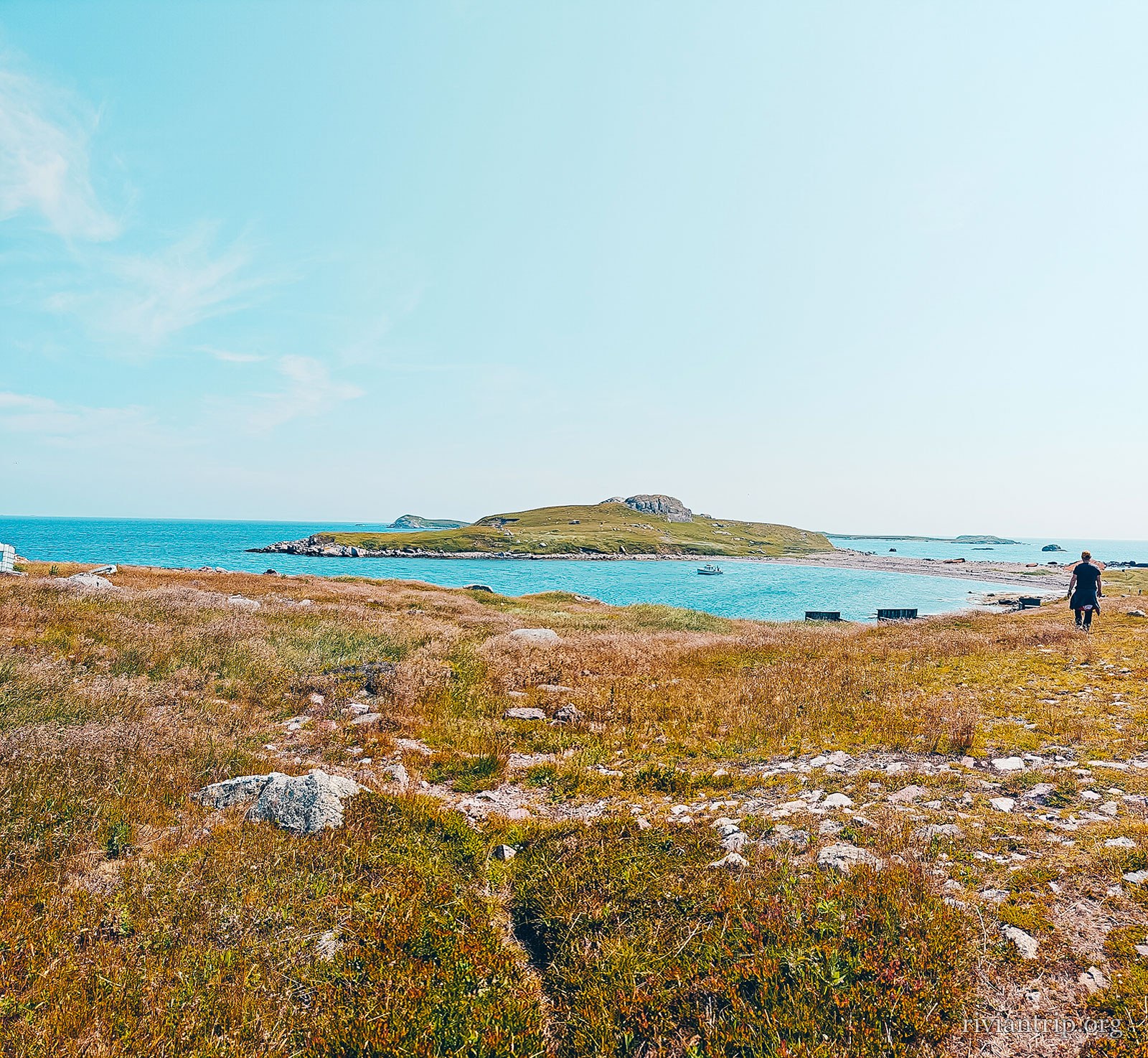
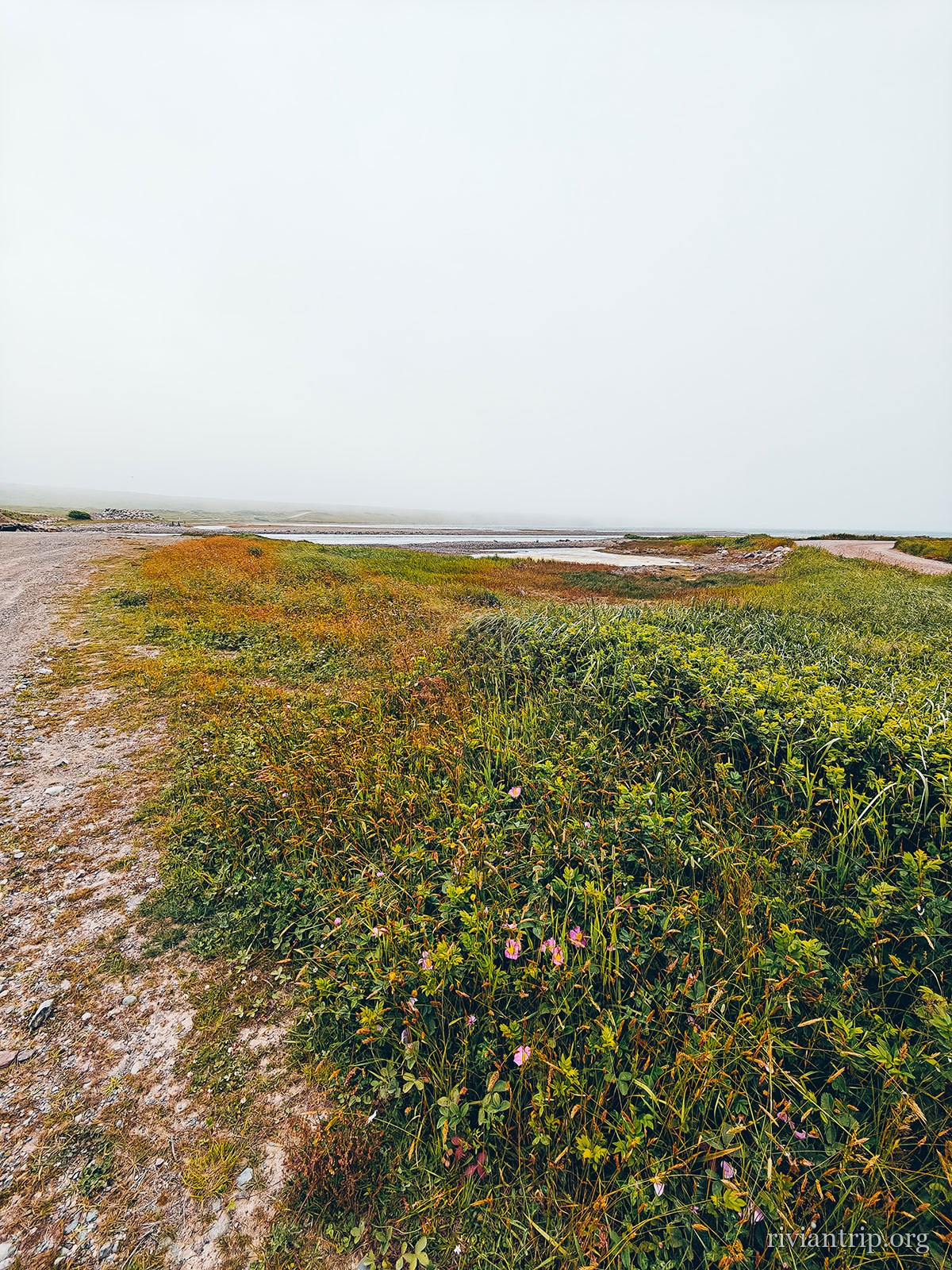
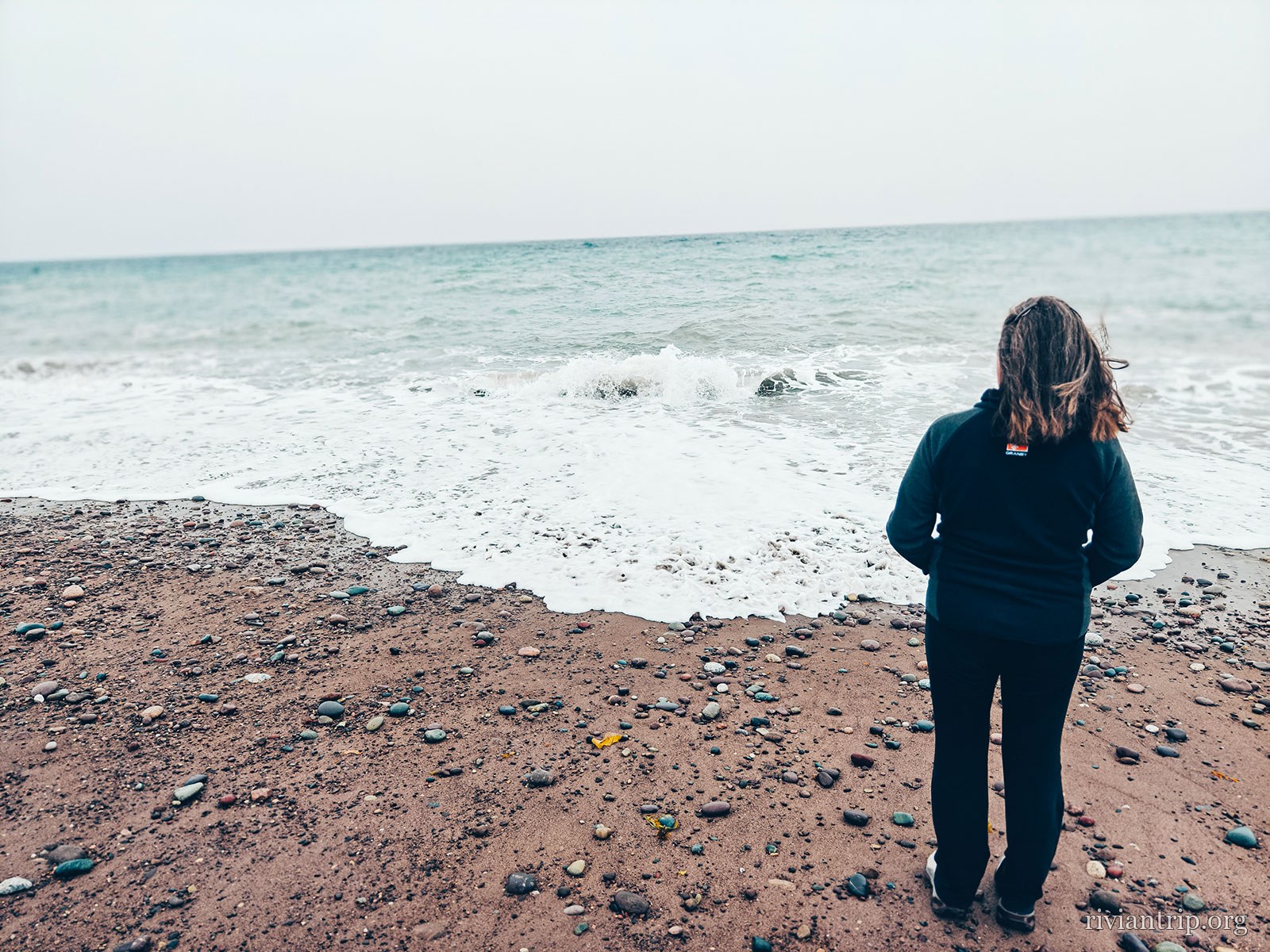
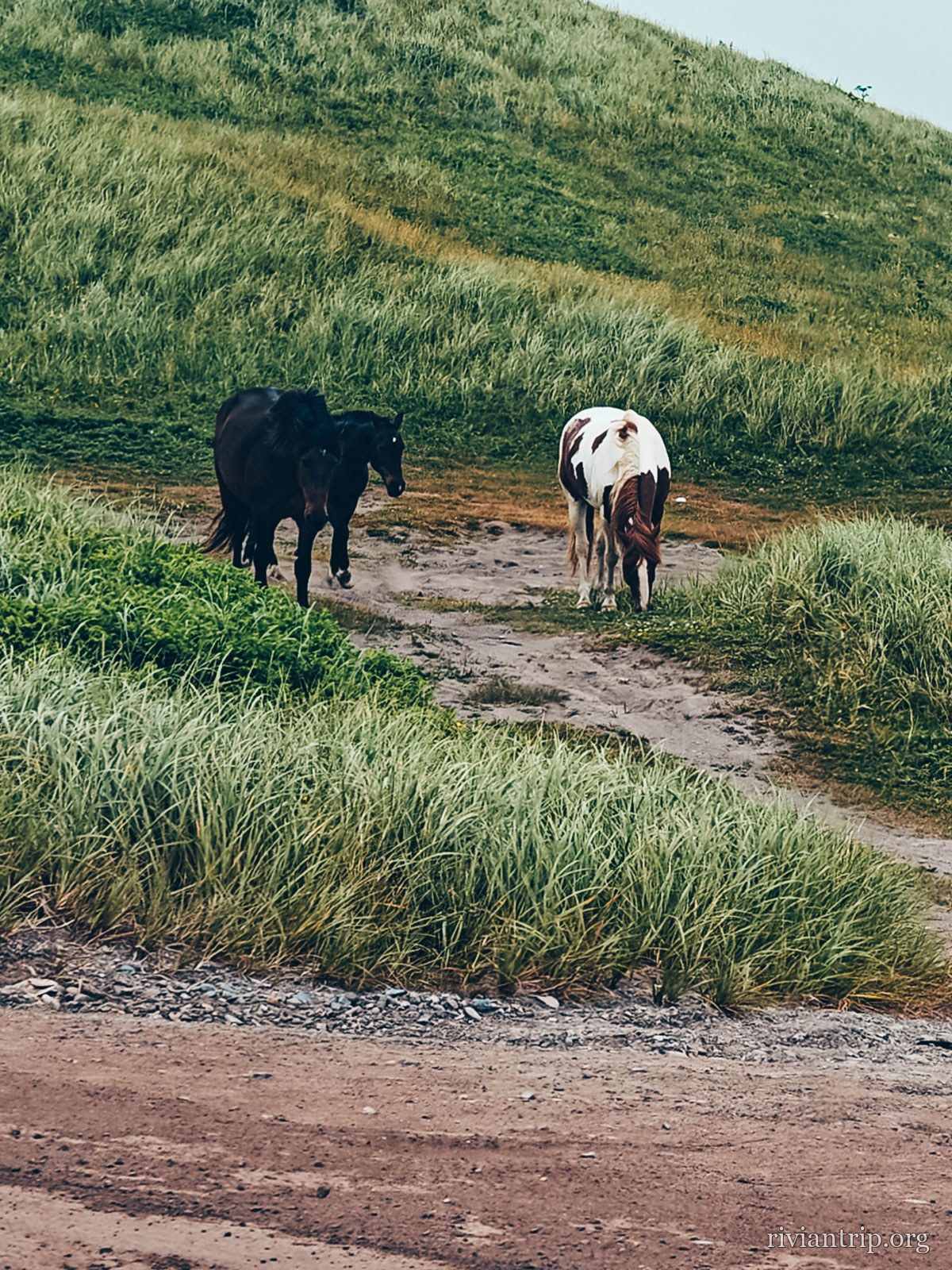
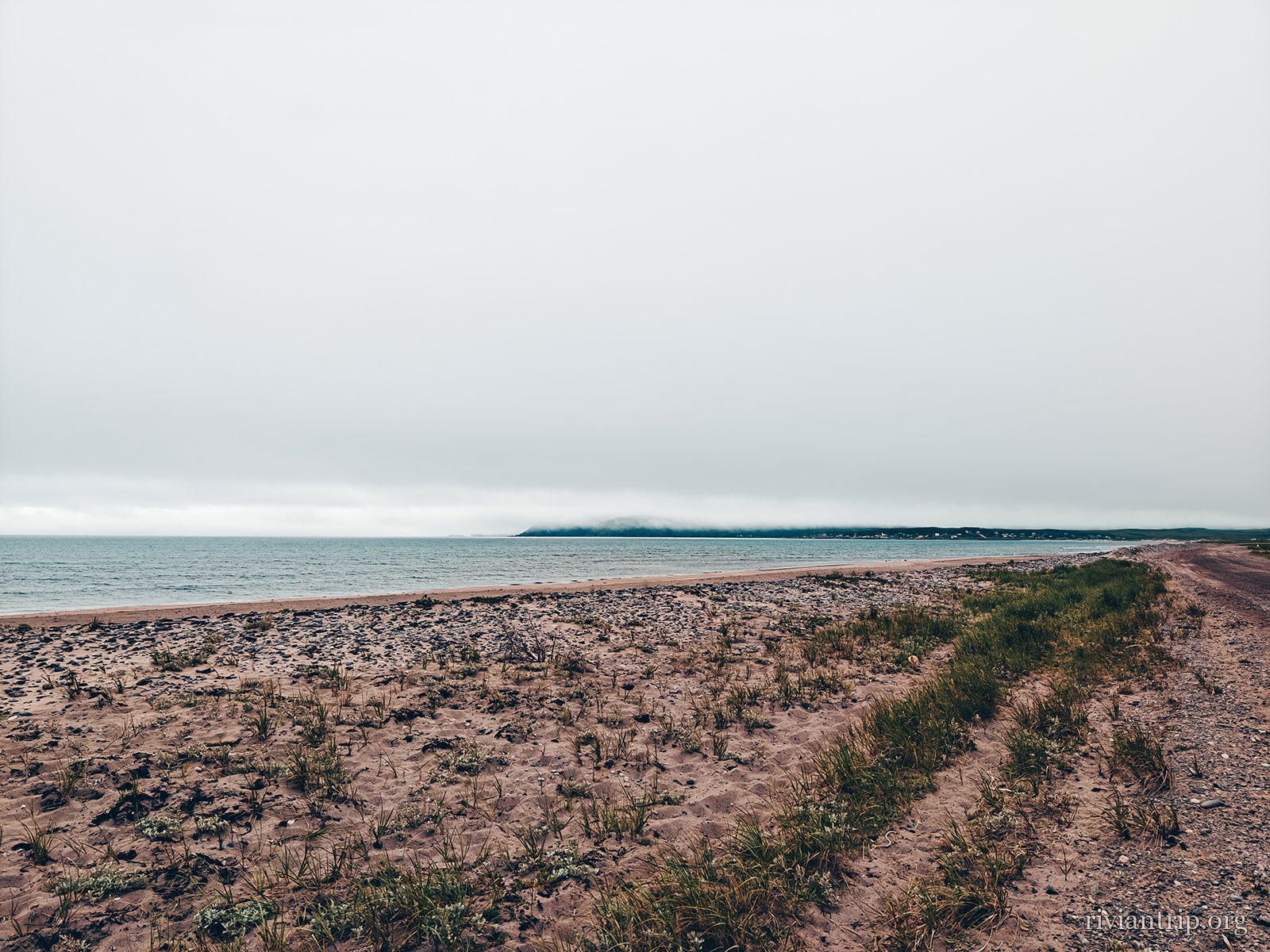
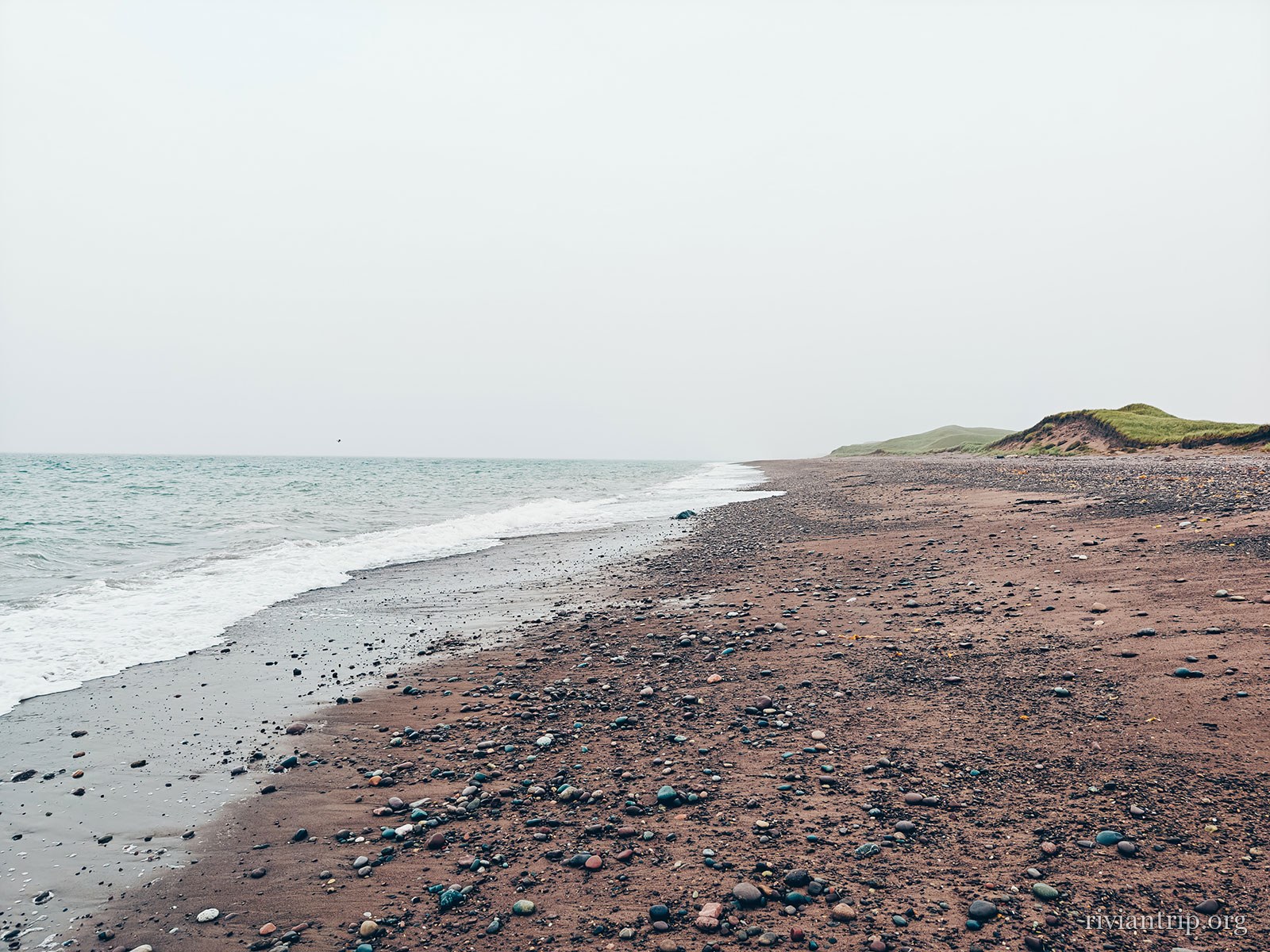
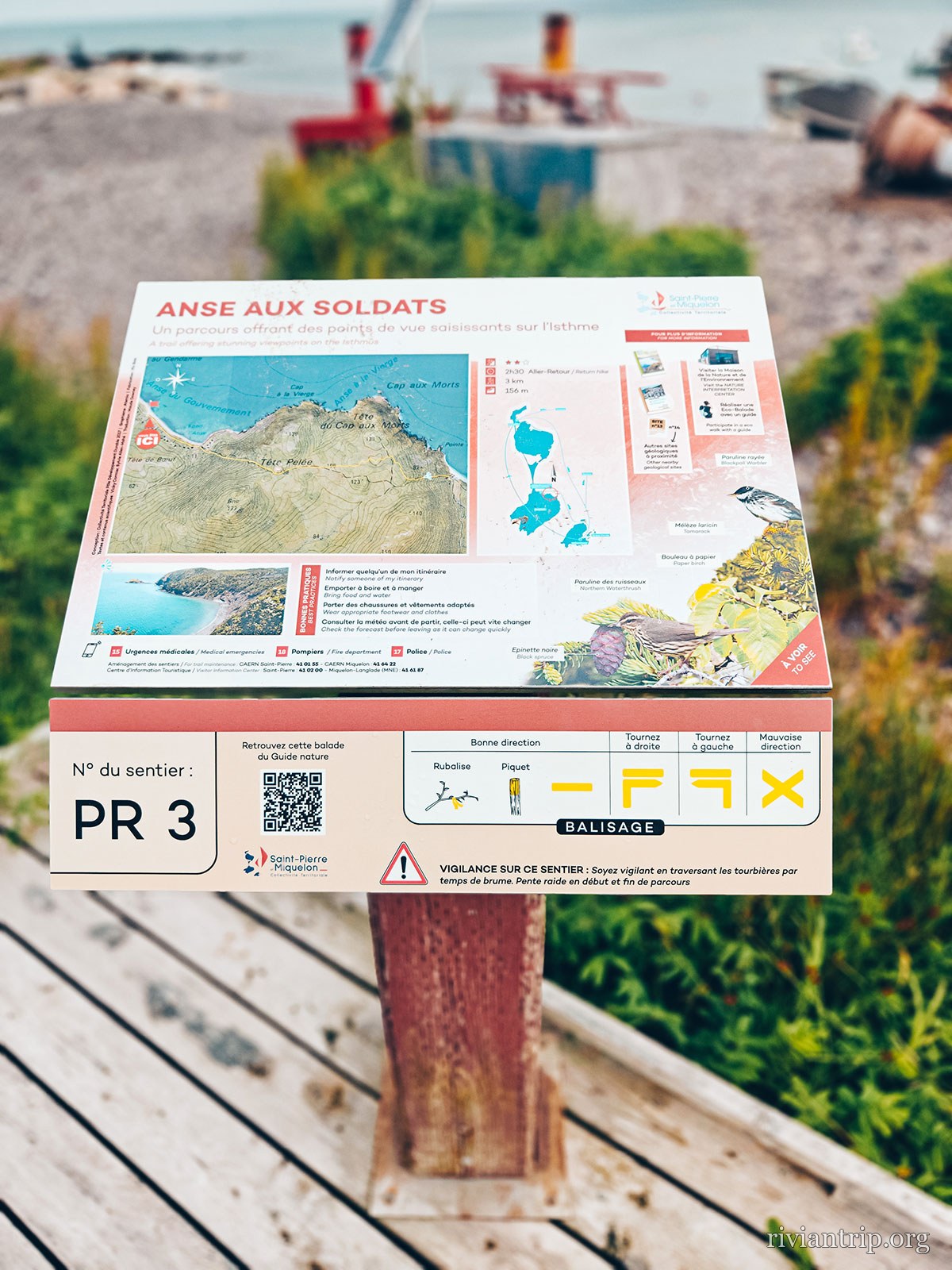
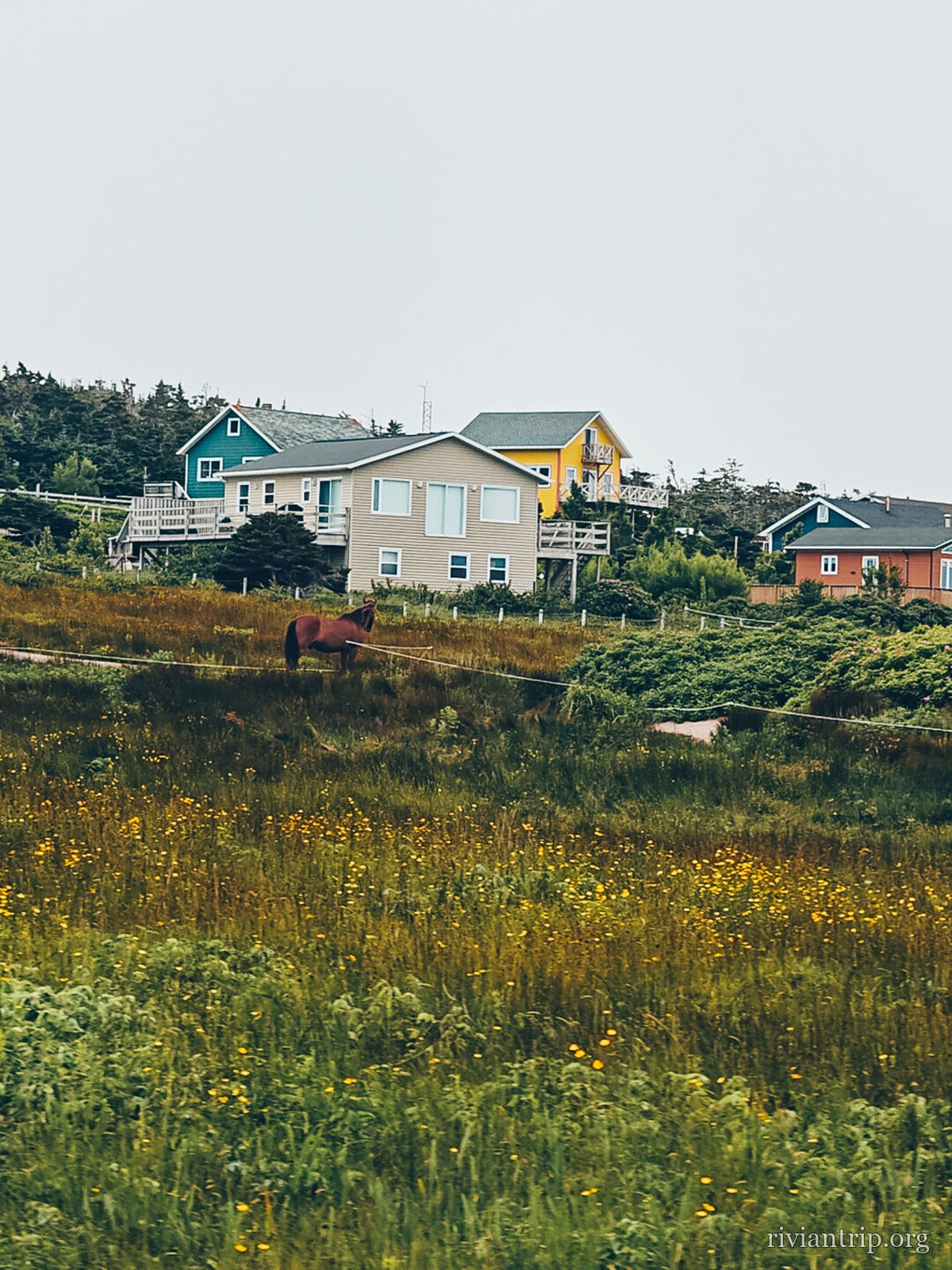
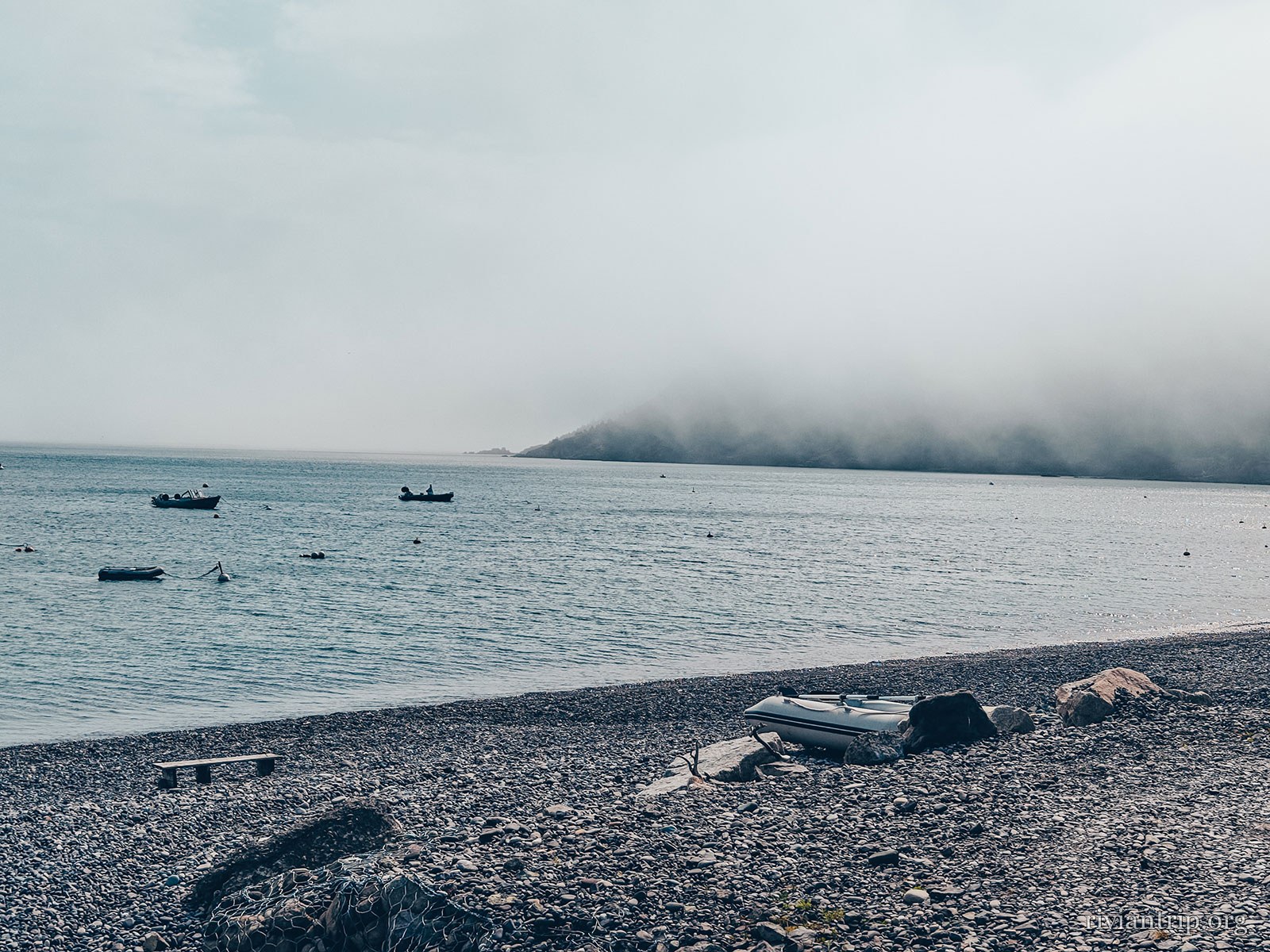
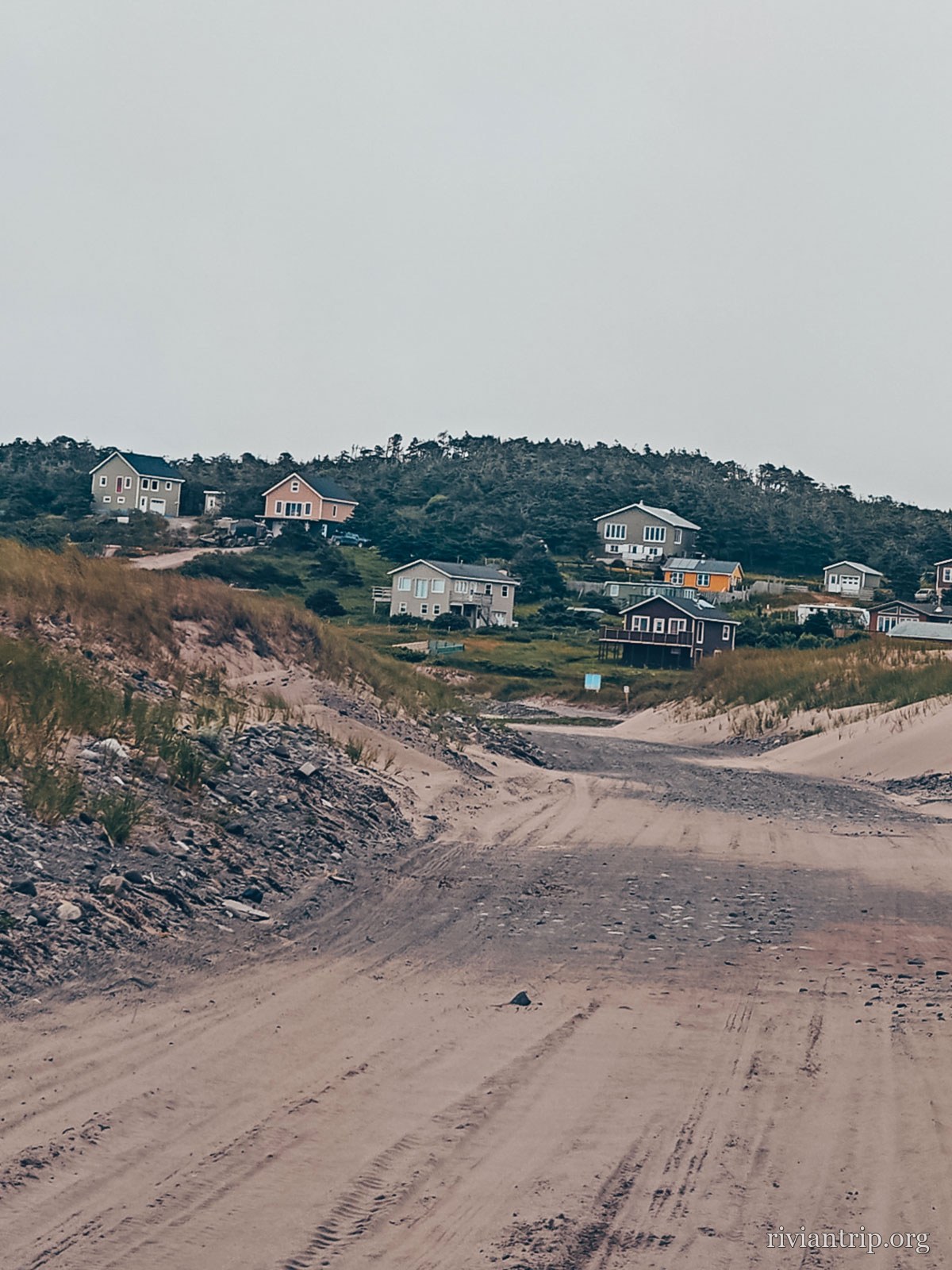
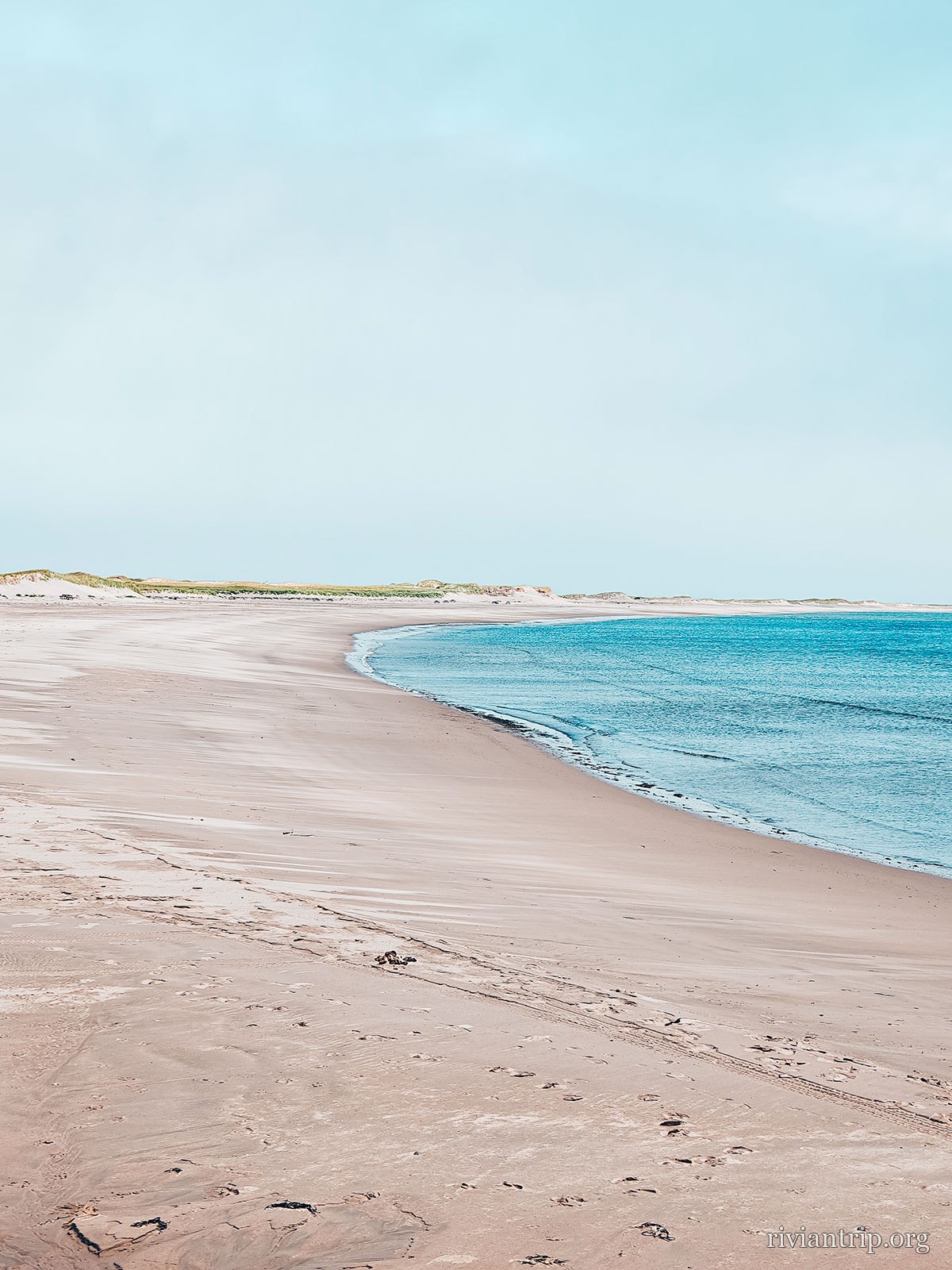
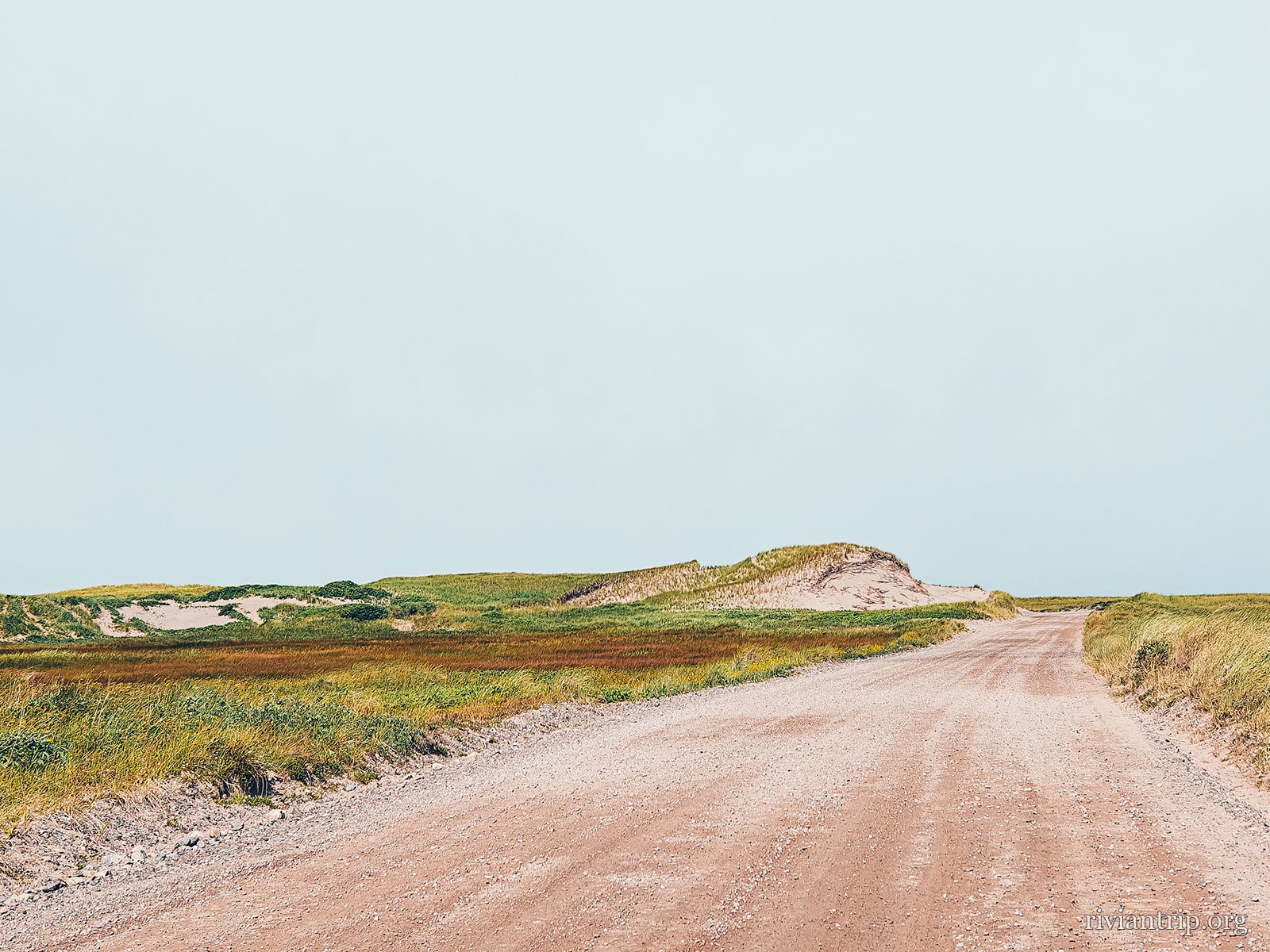
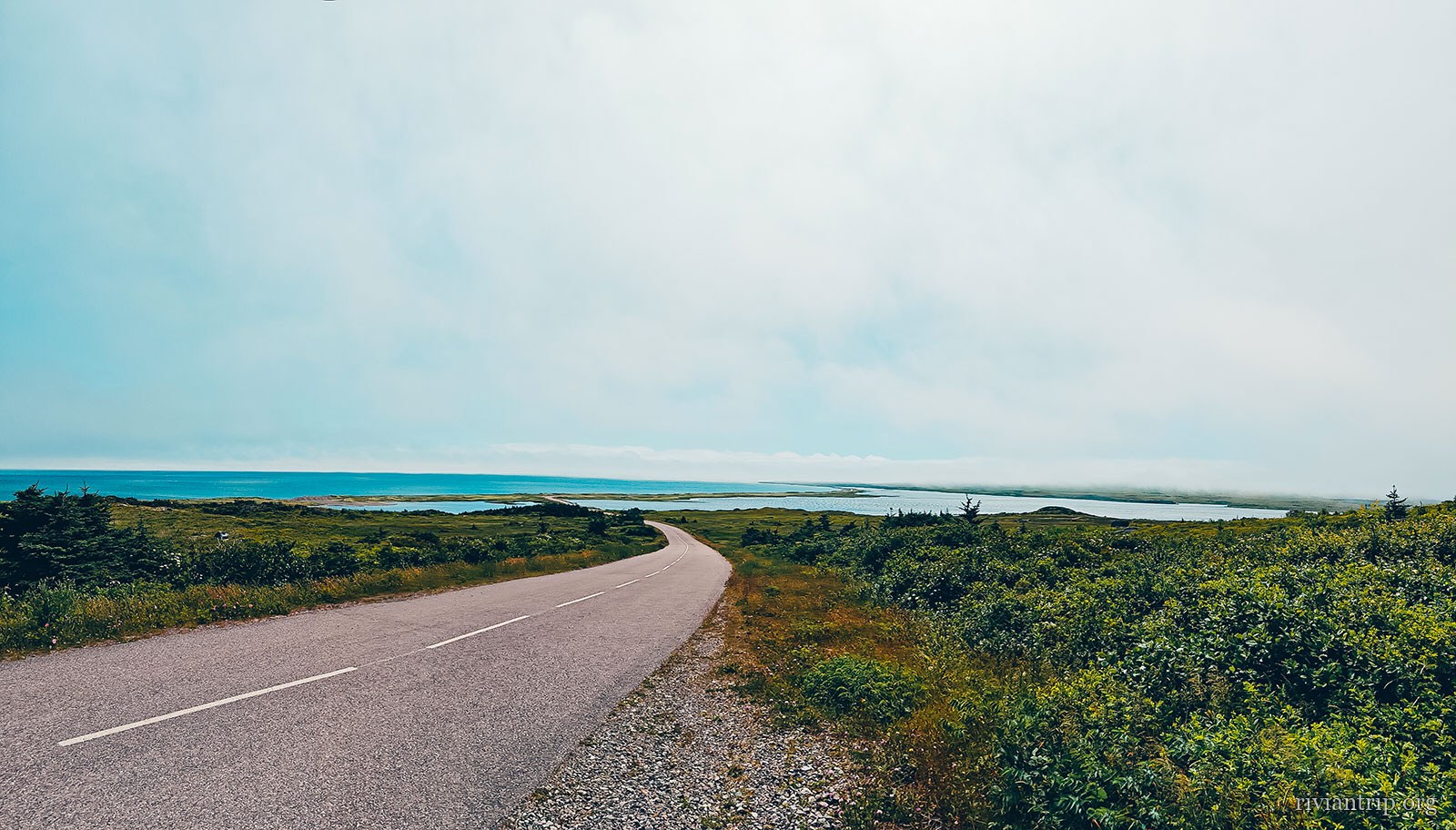
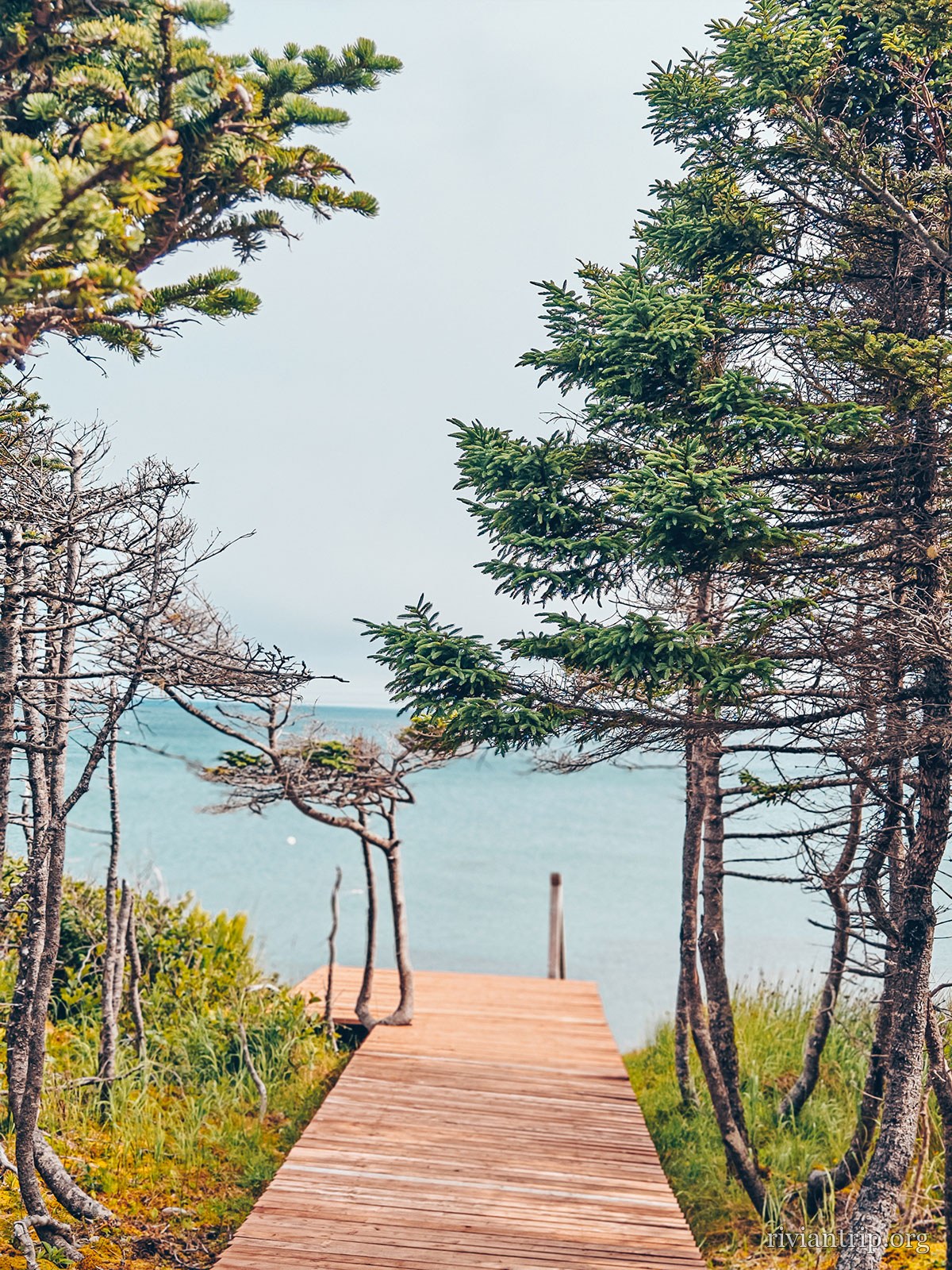
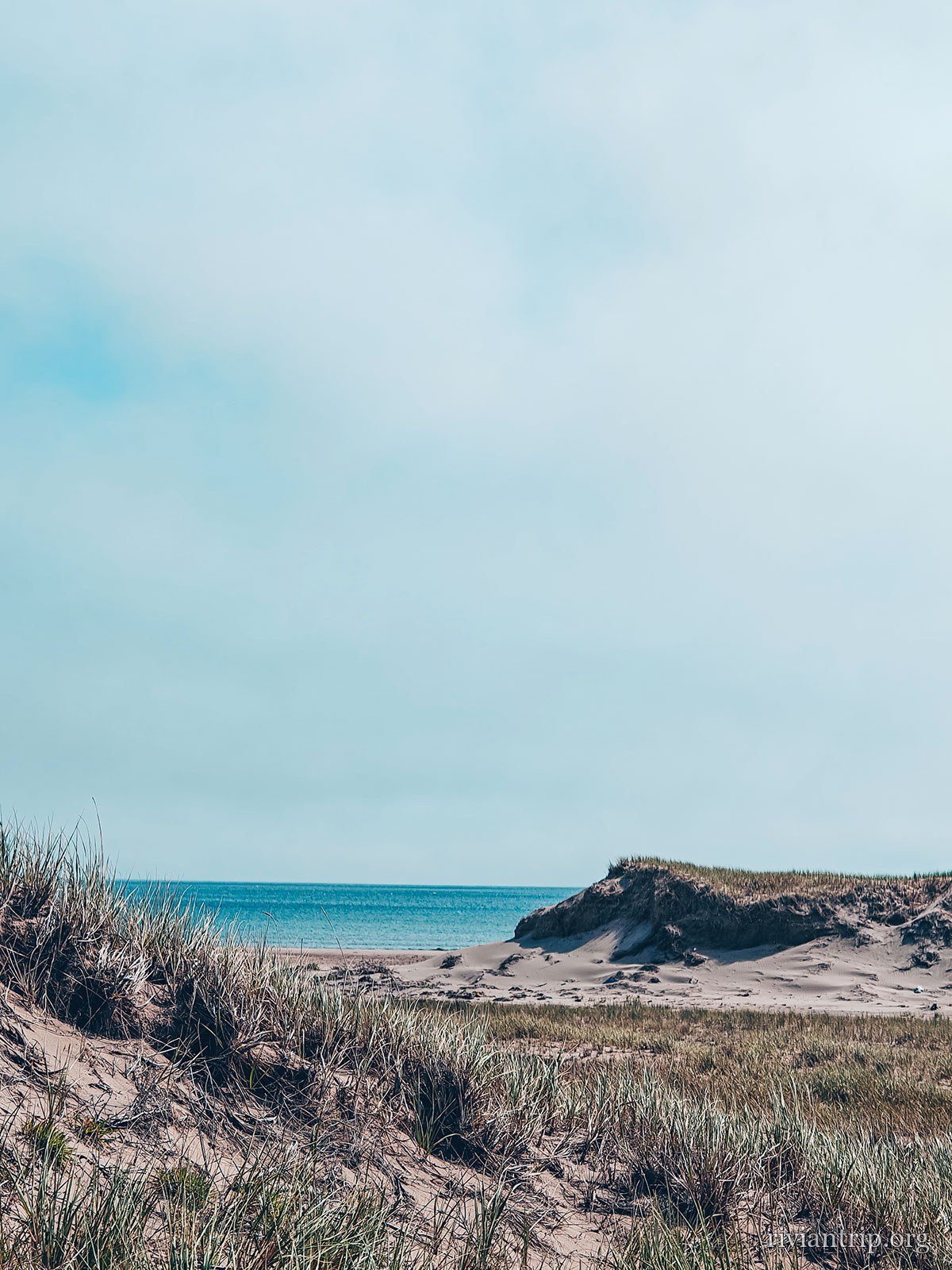
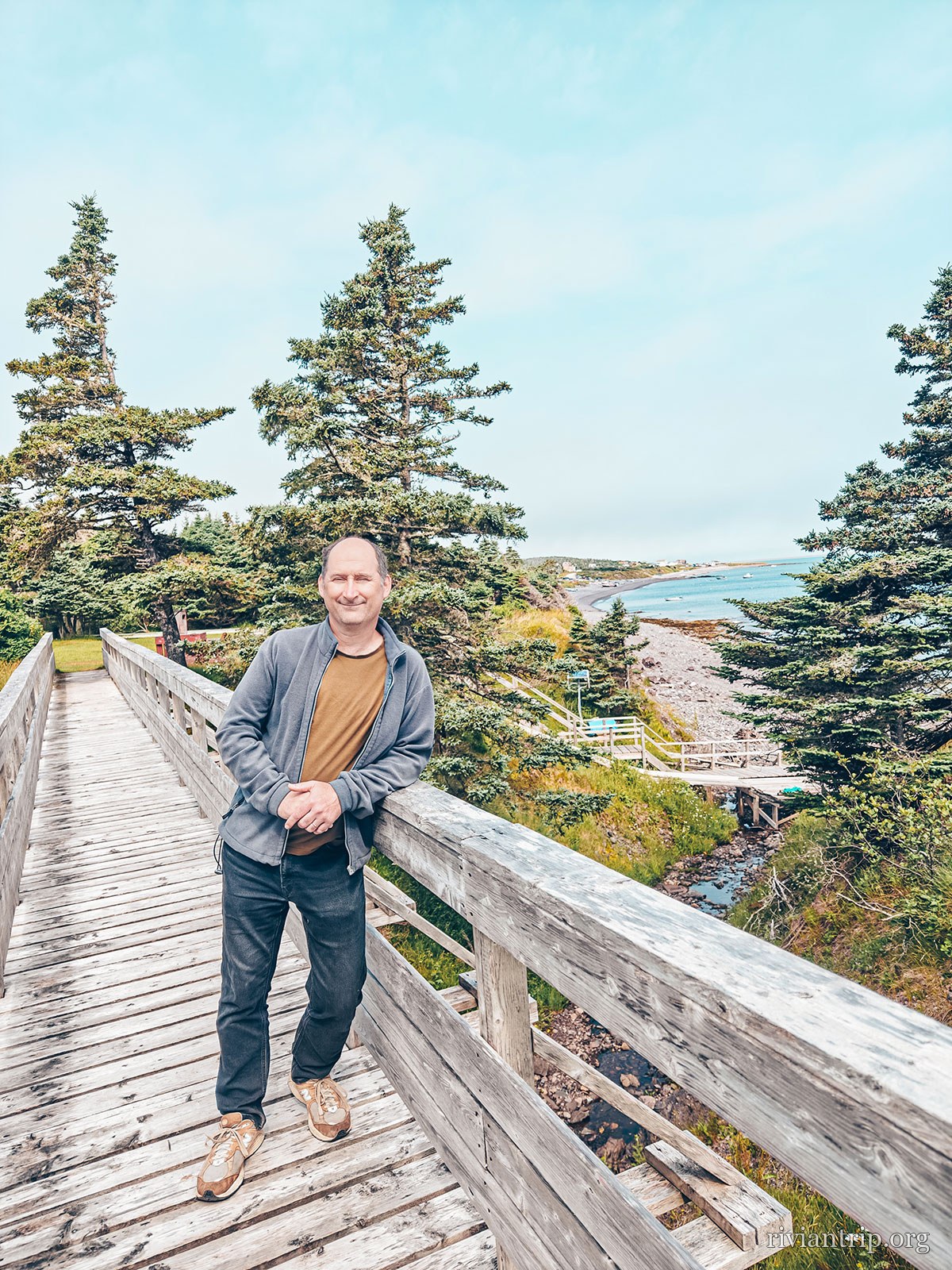
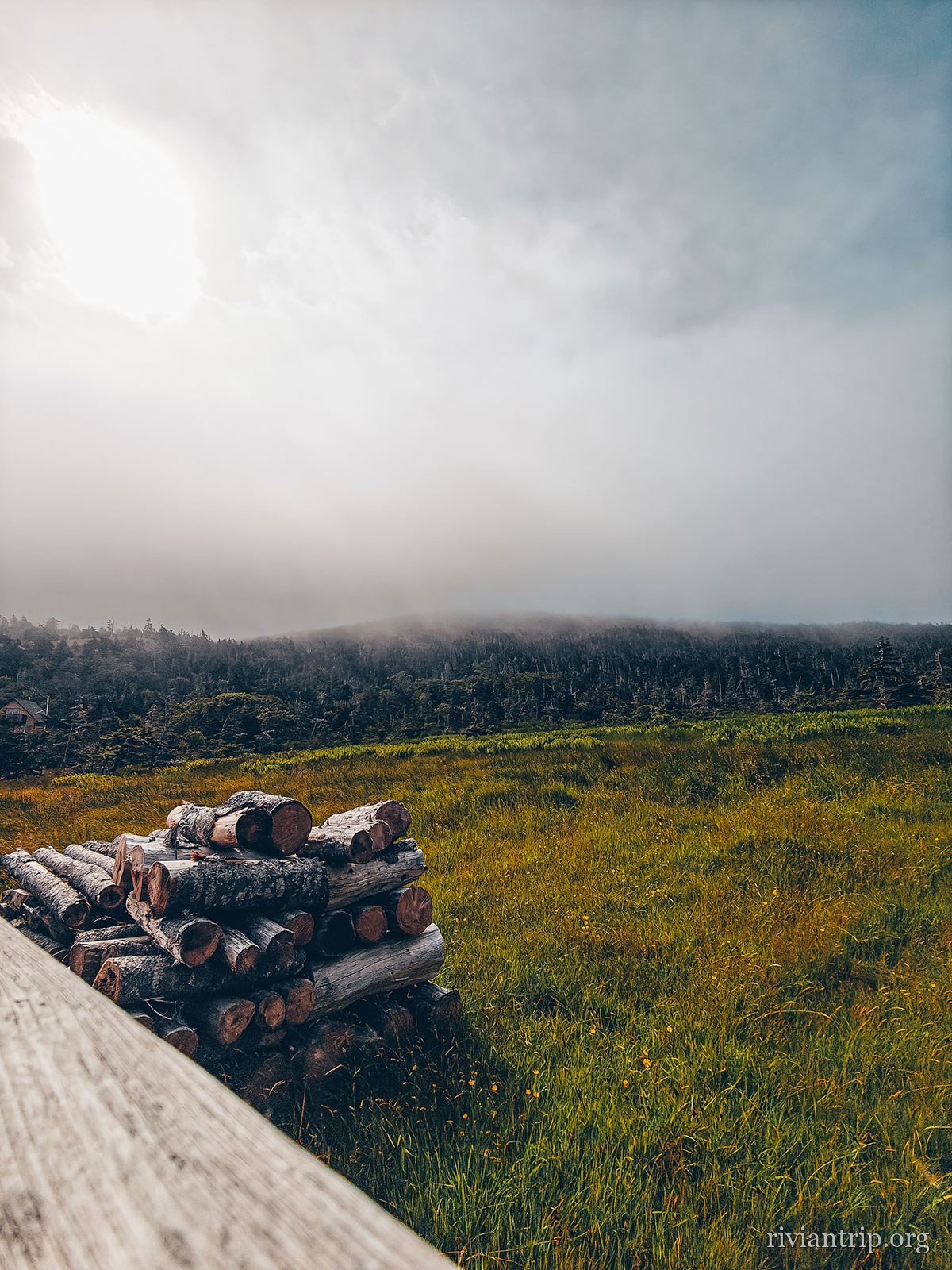
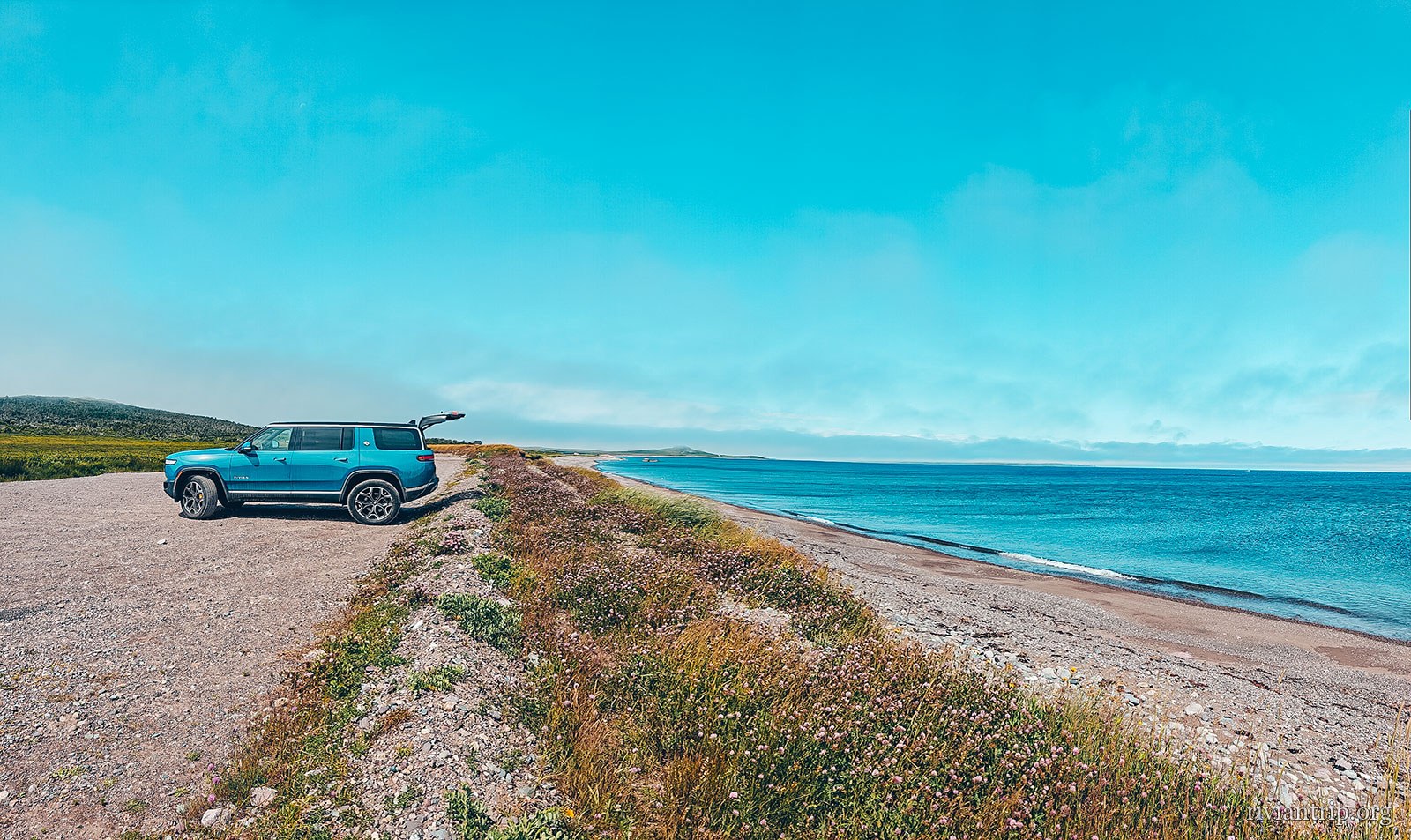
The next morning, once the tyre is fixed, we set off to explore Langlade, a neighbouring island joined to Miquelon by a dune isthmus, known for its wild, unspoilt scenery. We were delighted to discover the island and enjoy its beaches, its hiking trails and its panoramic viewpoints, from fine sand dunes to steep cliffs, by way of forests and marshes.
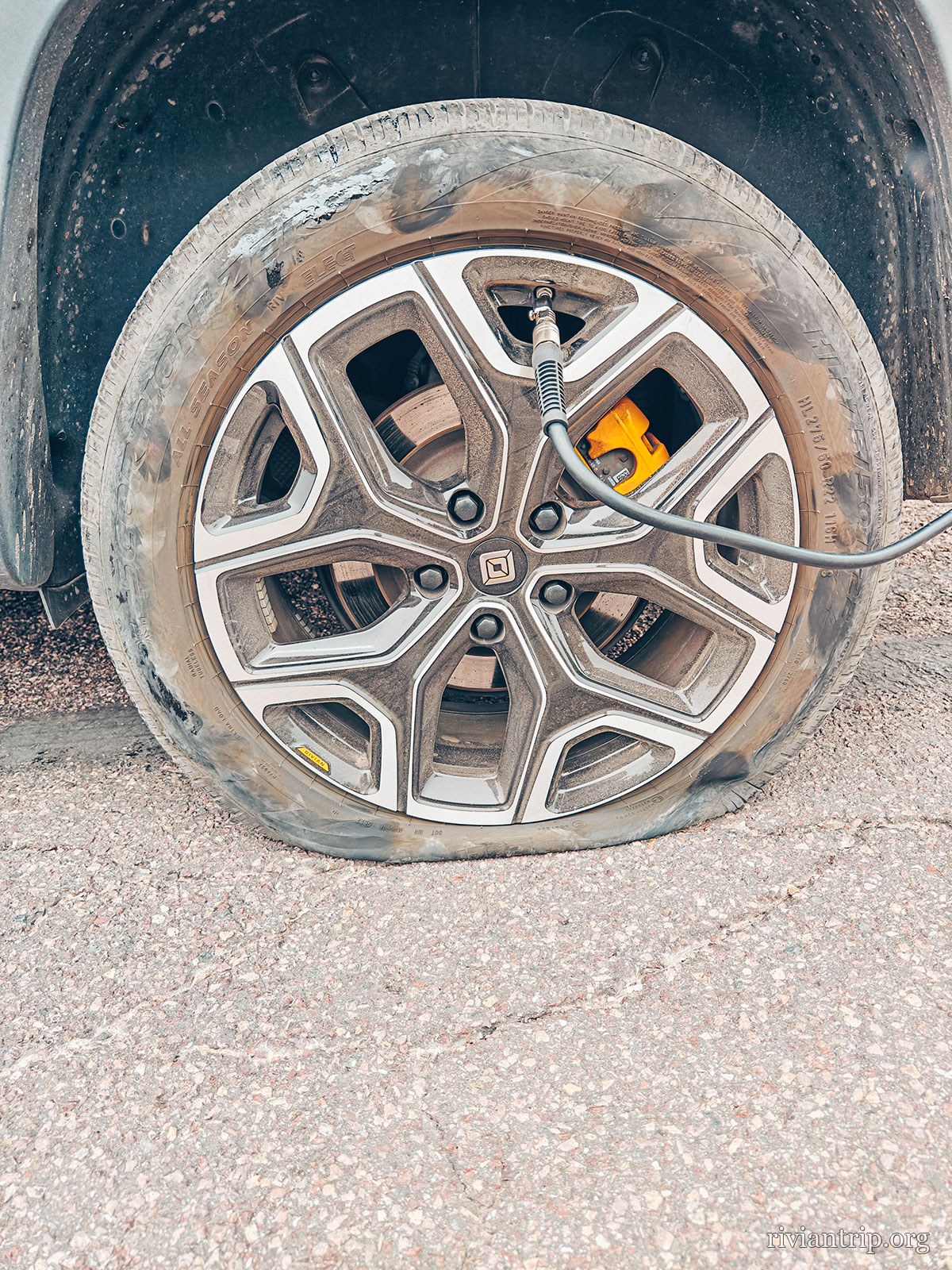
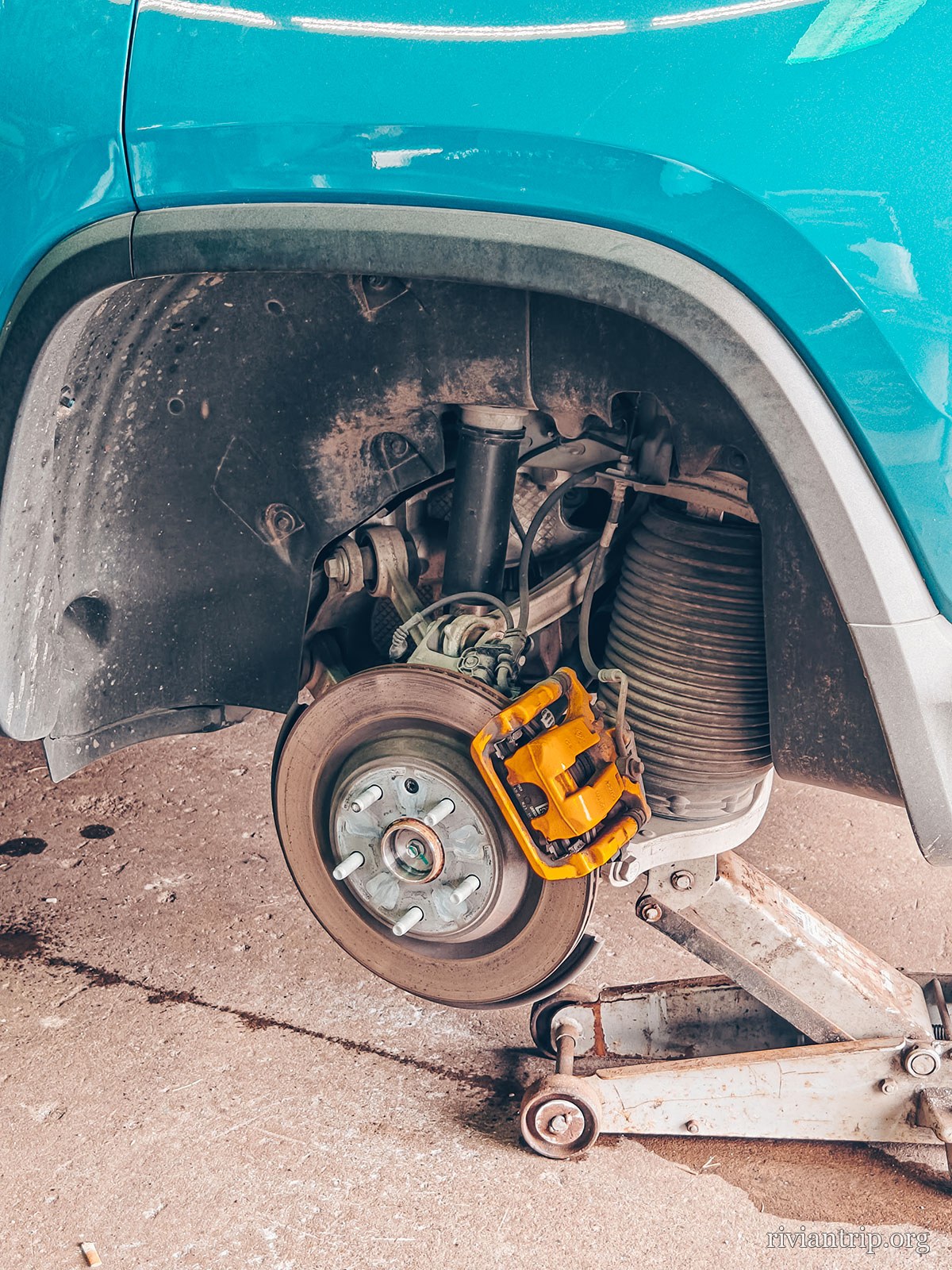
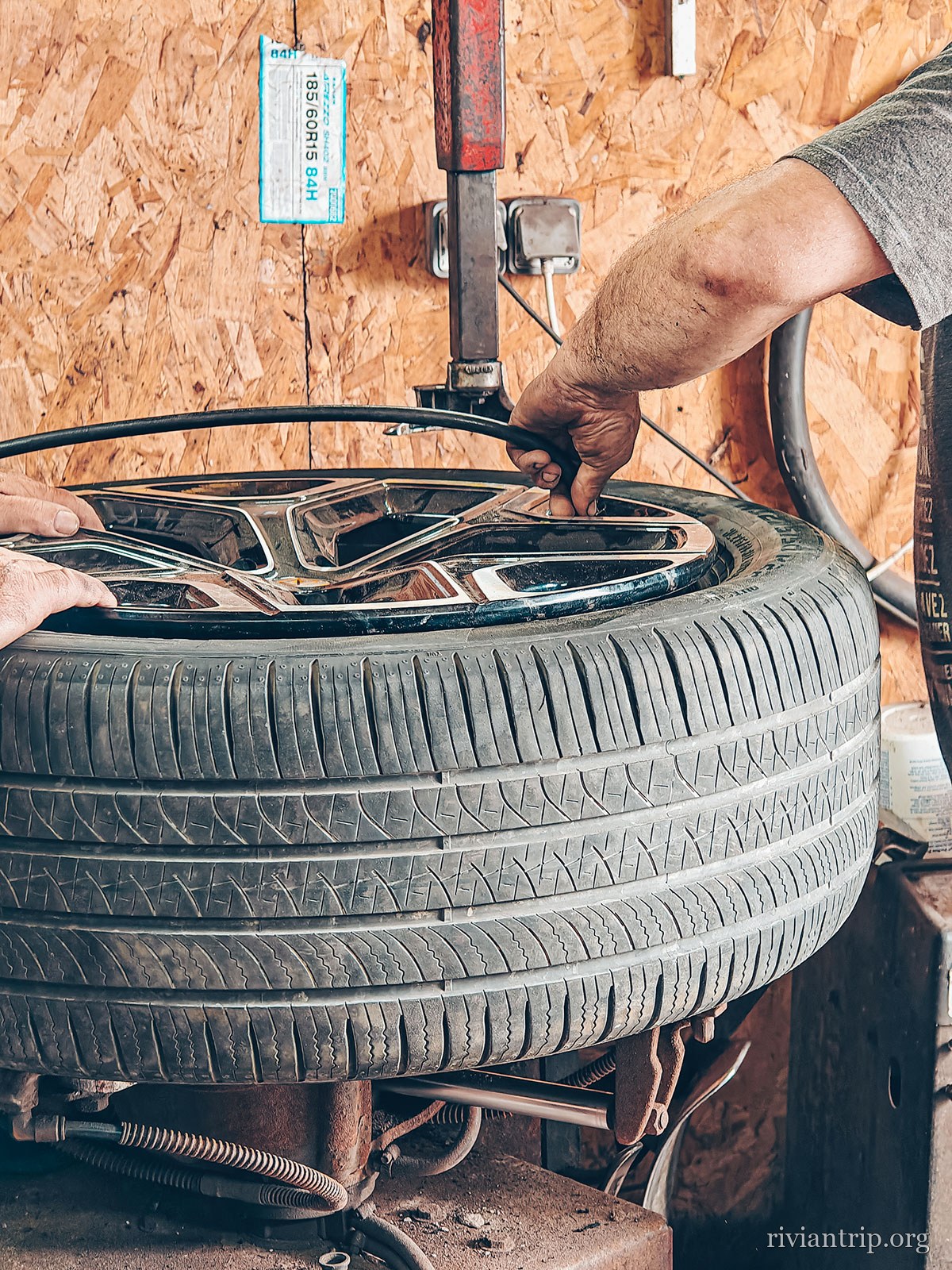
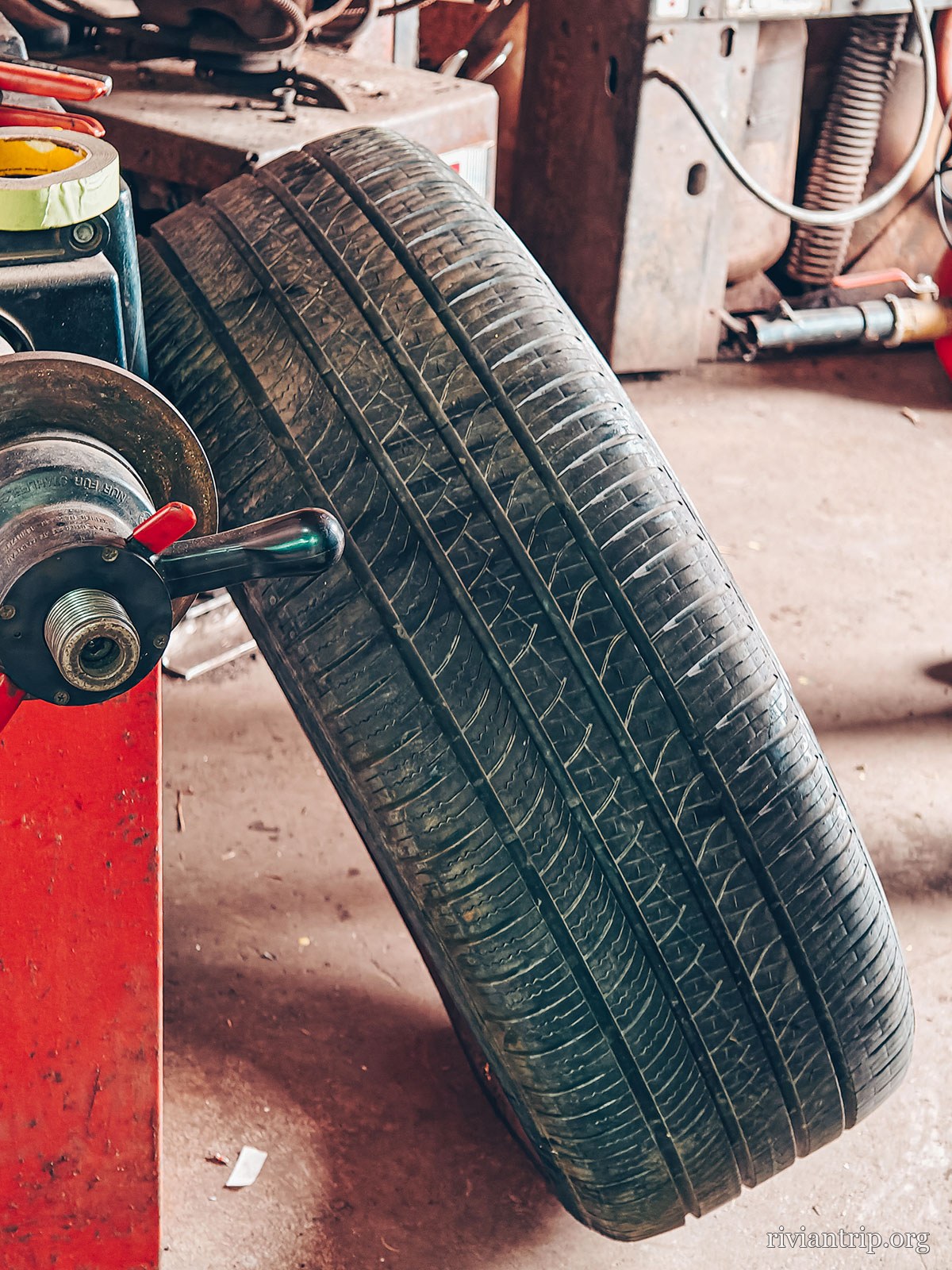
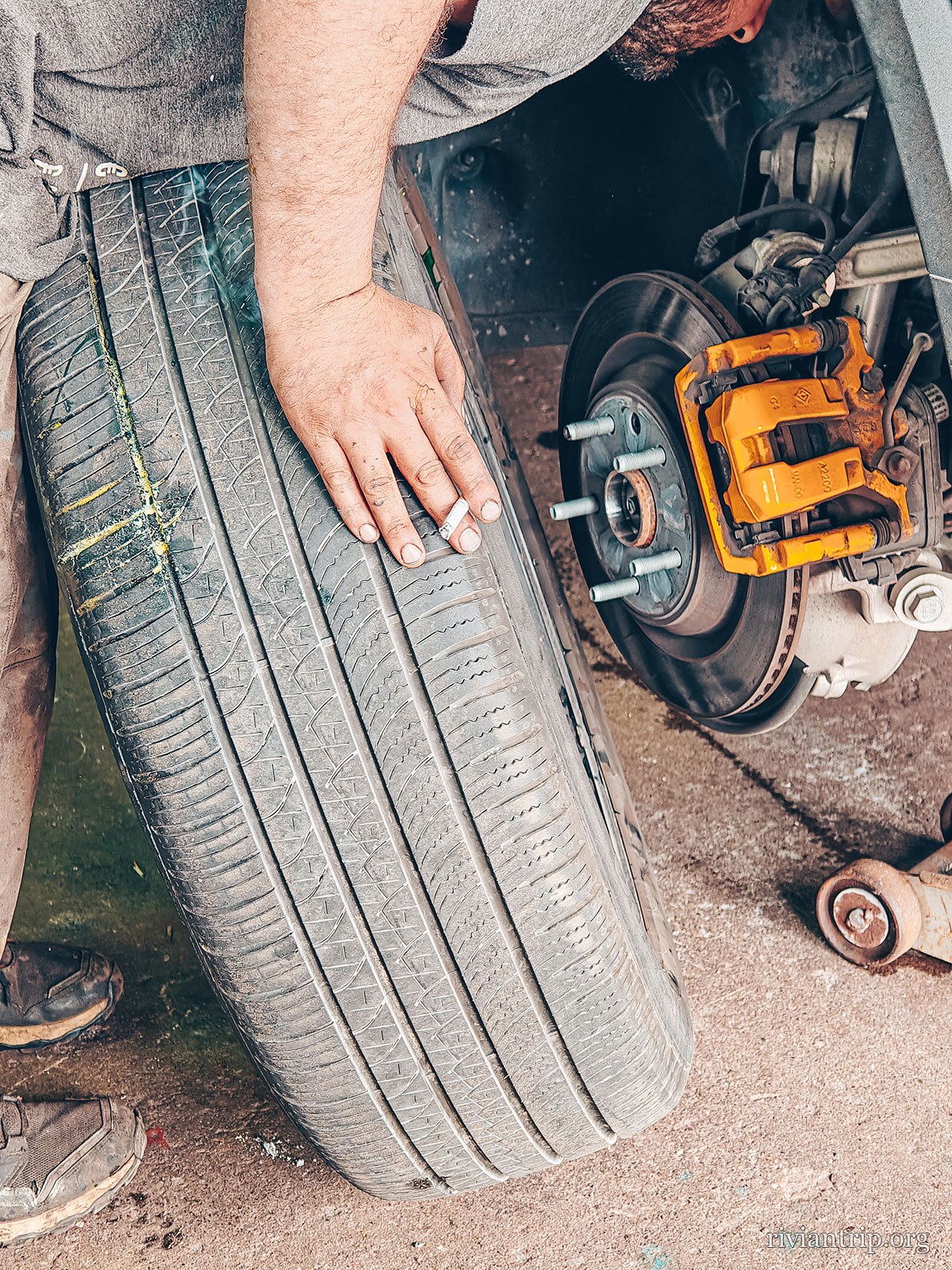
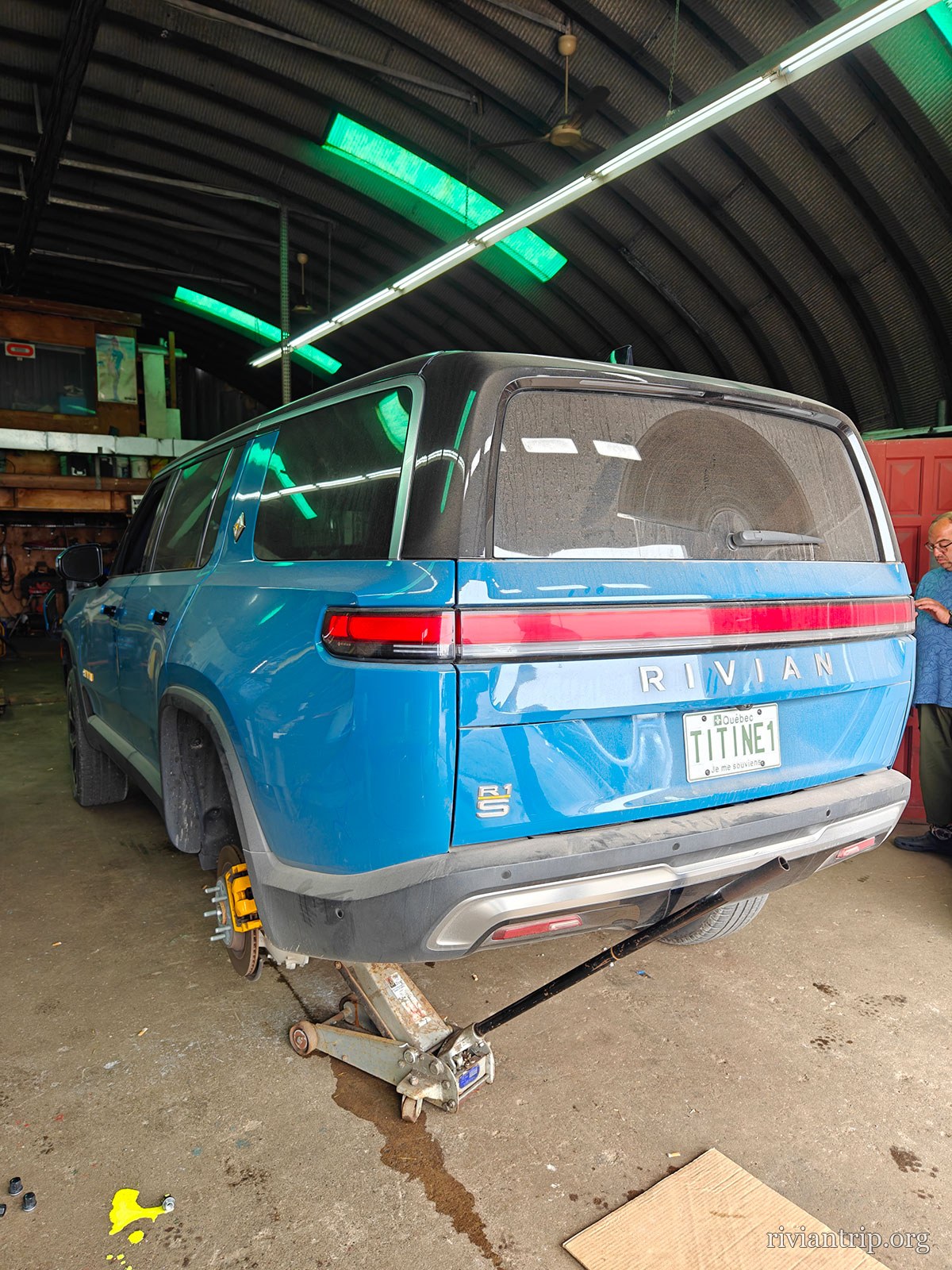
A gash
On a gravel track, the tyre does not survive.
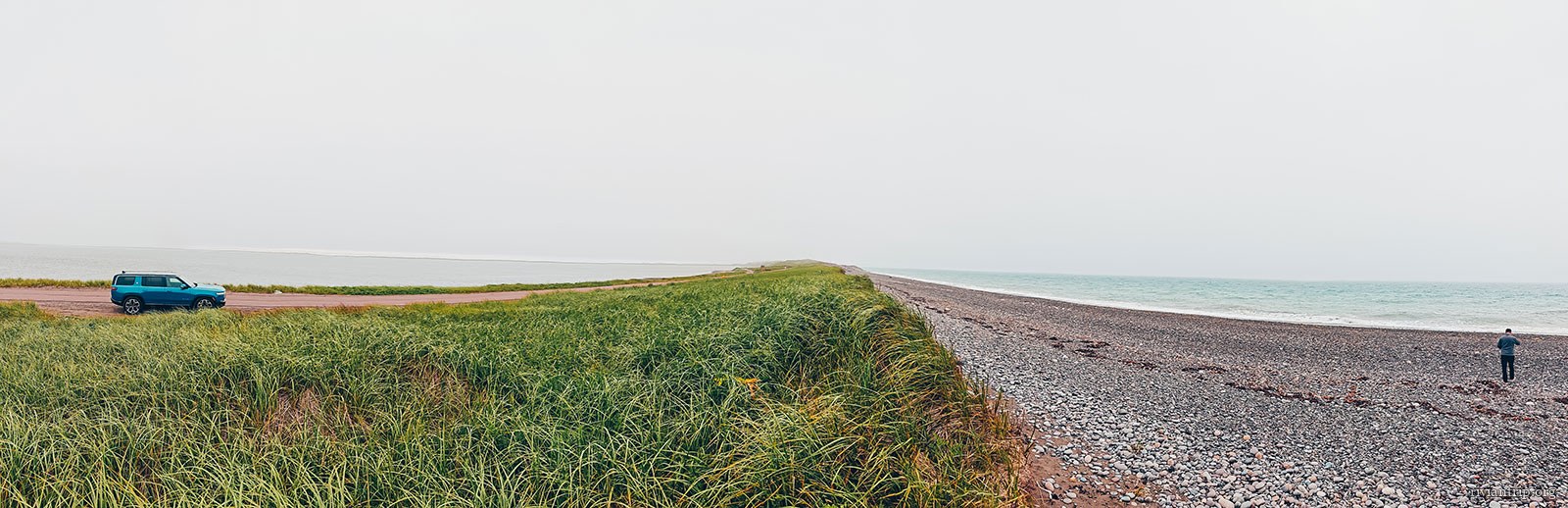
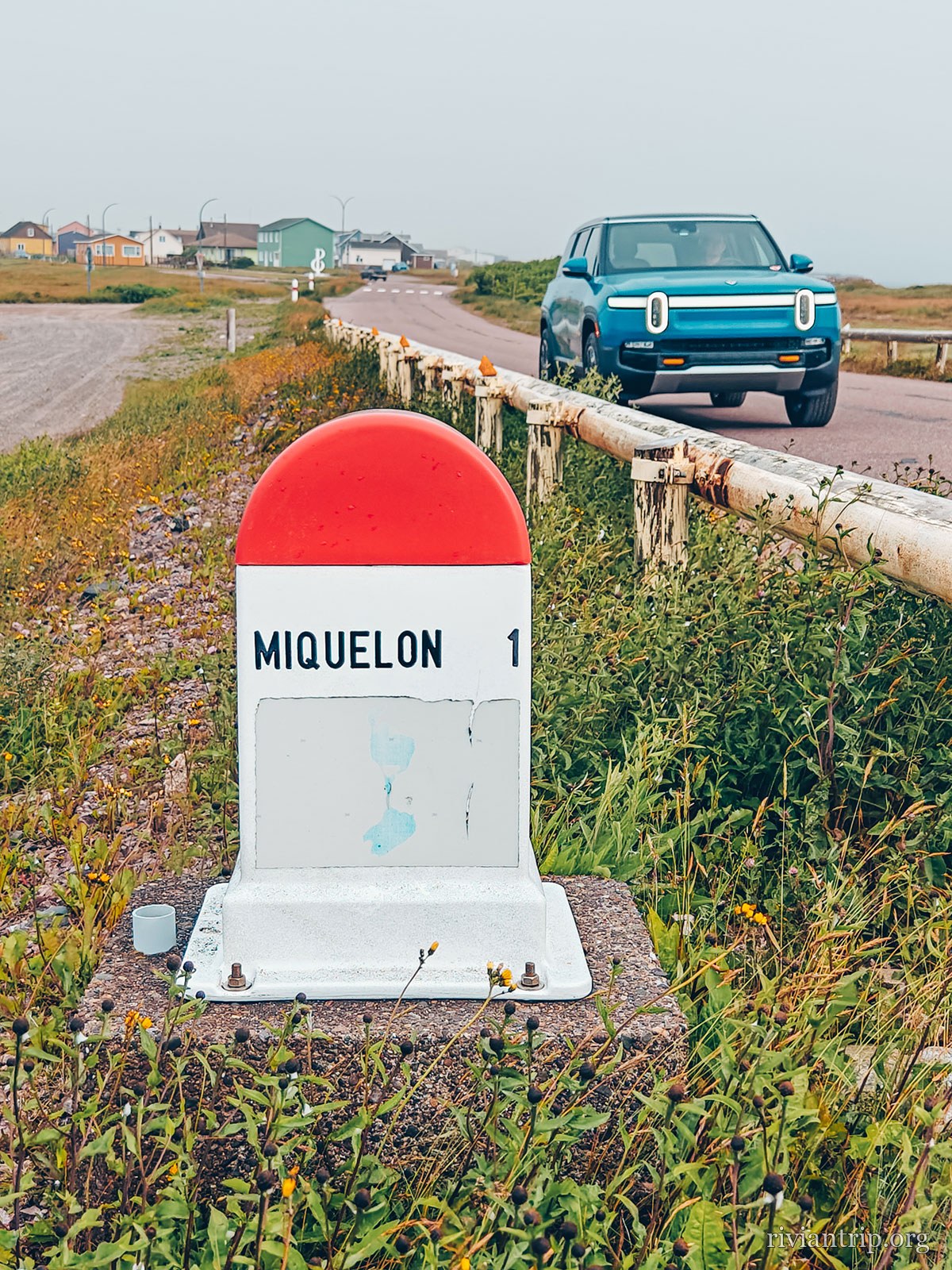
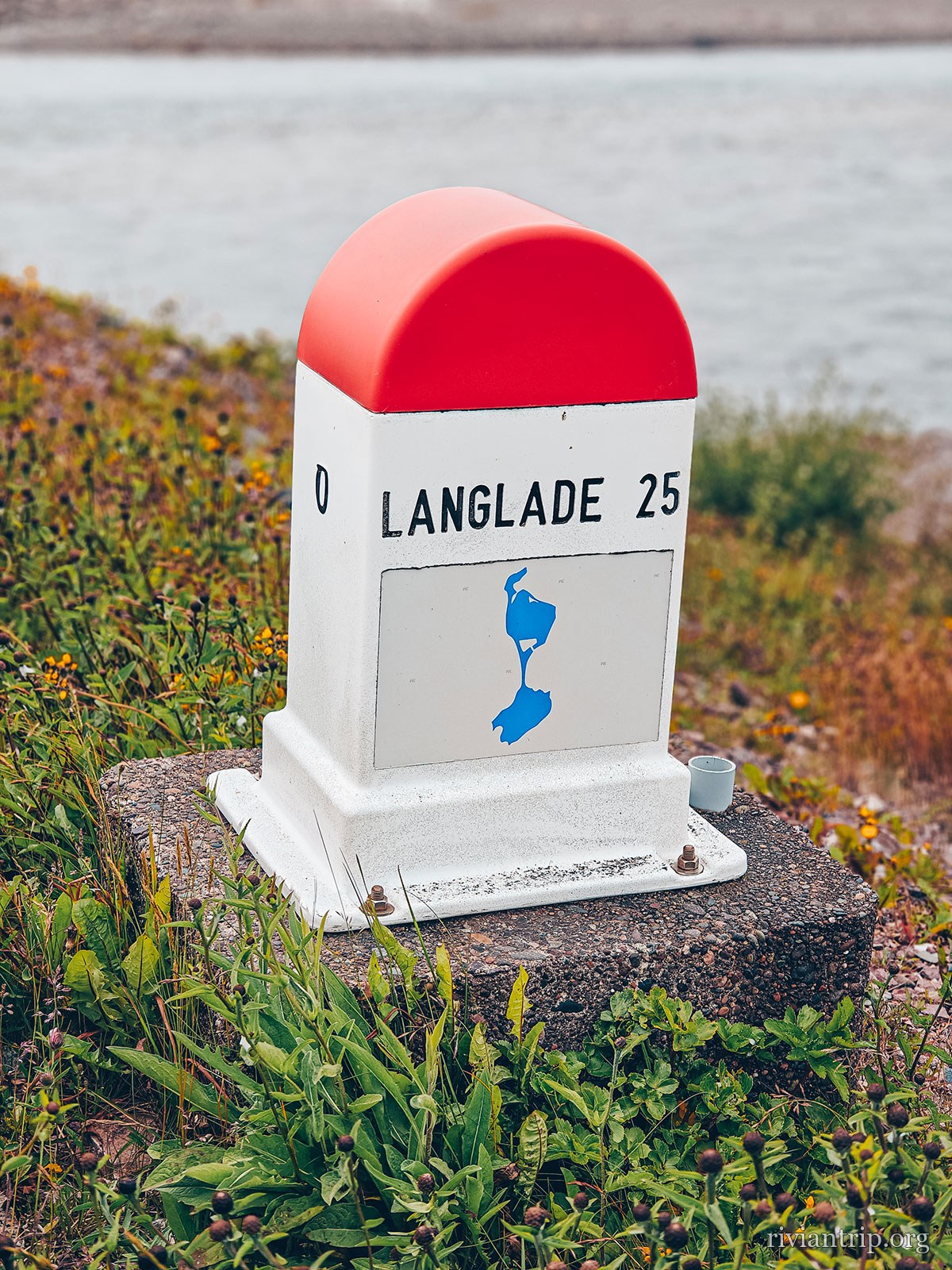
The dune isthmus
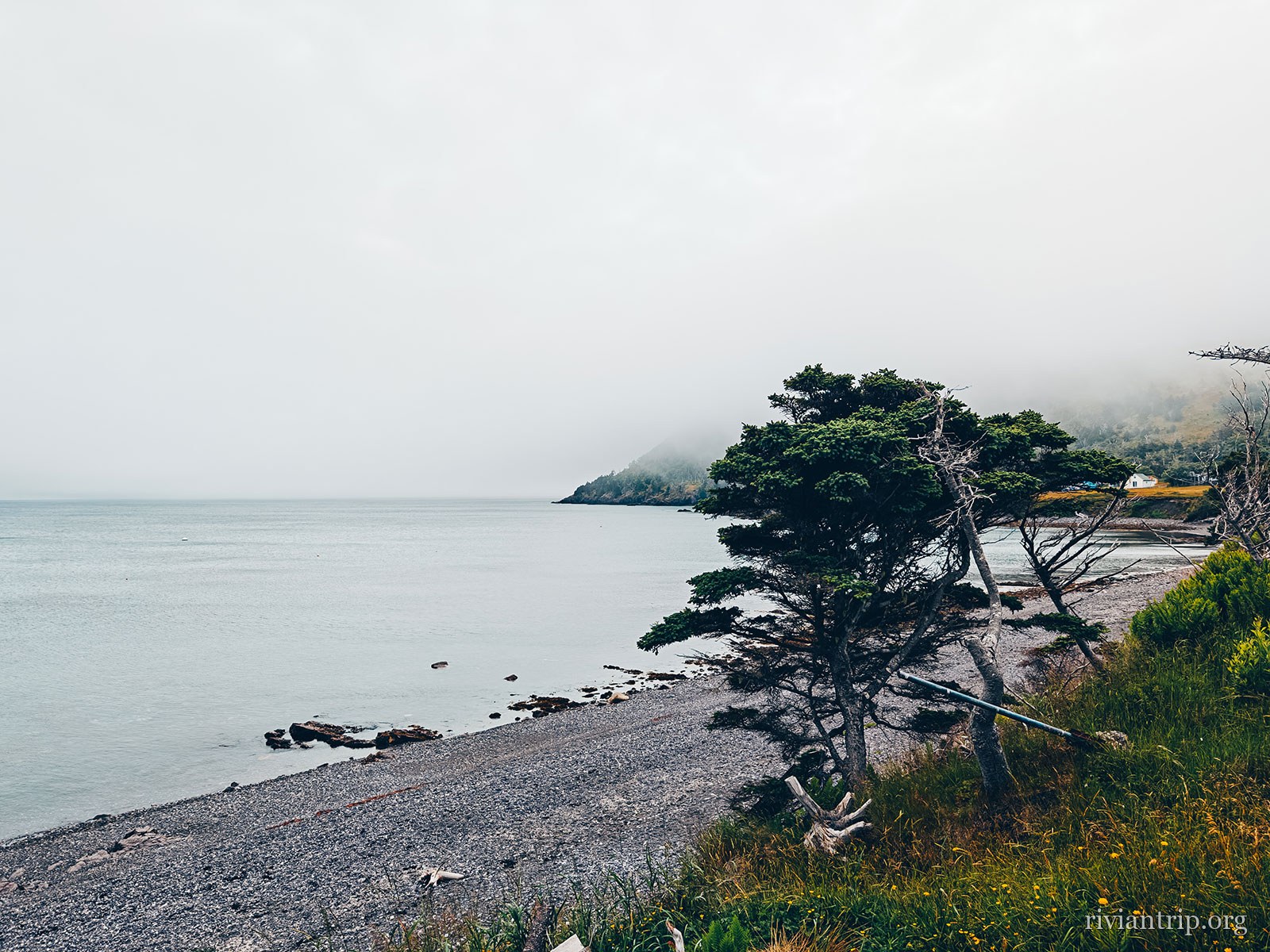
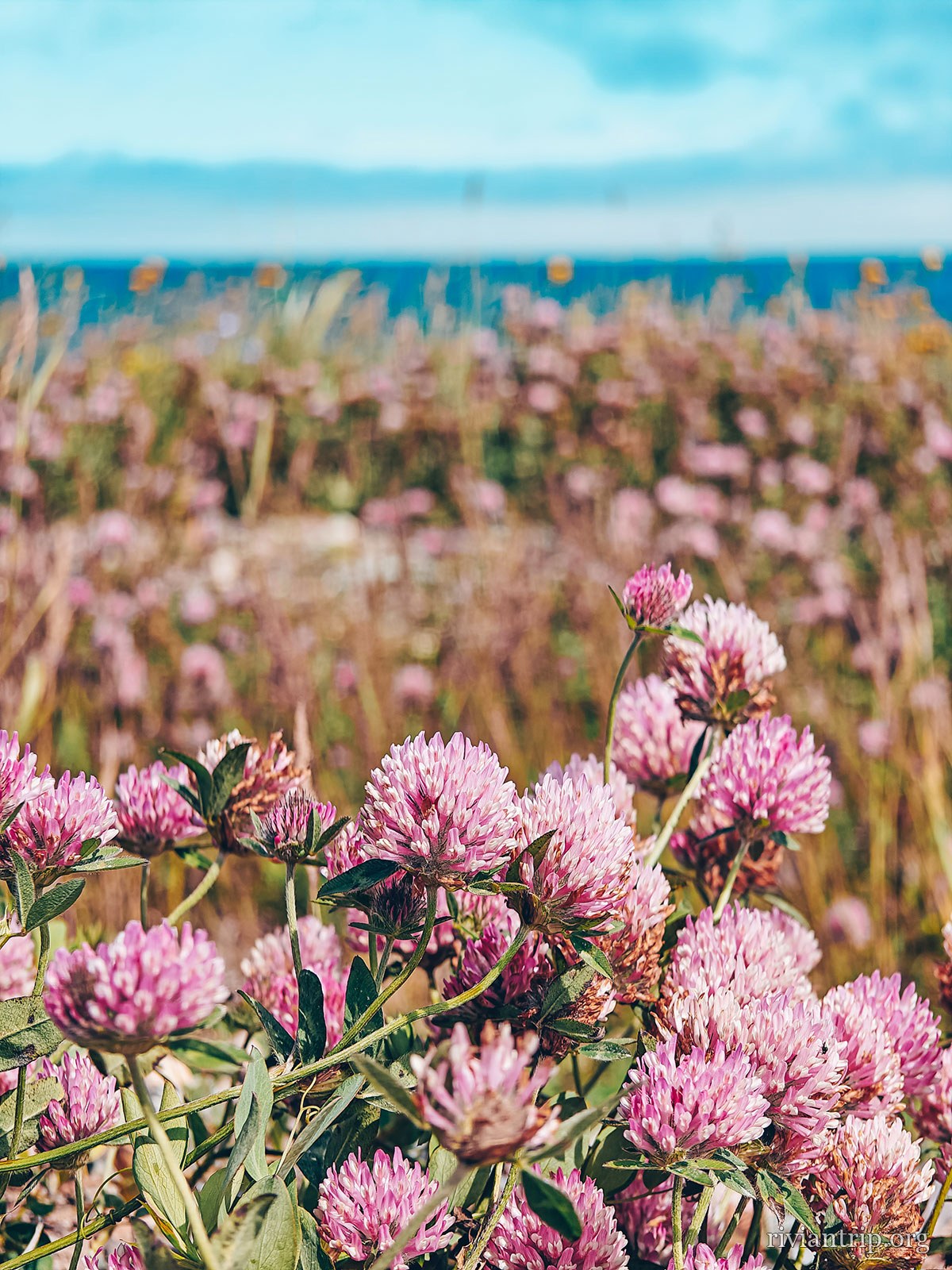
Fine sand dunes, cliffs, forests and marshes follow one another.
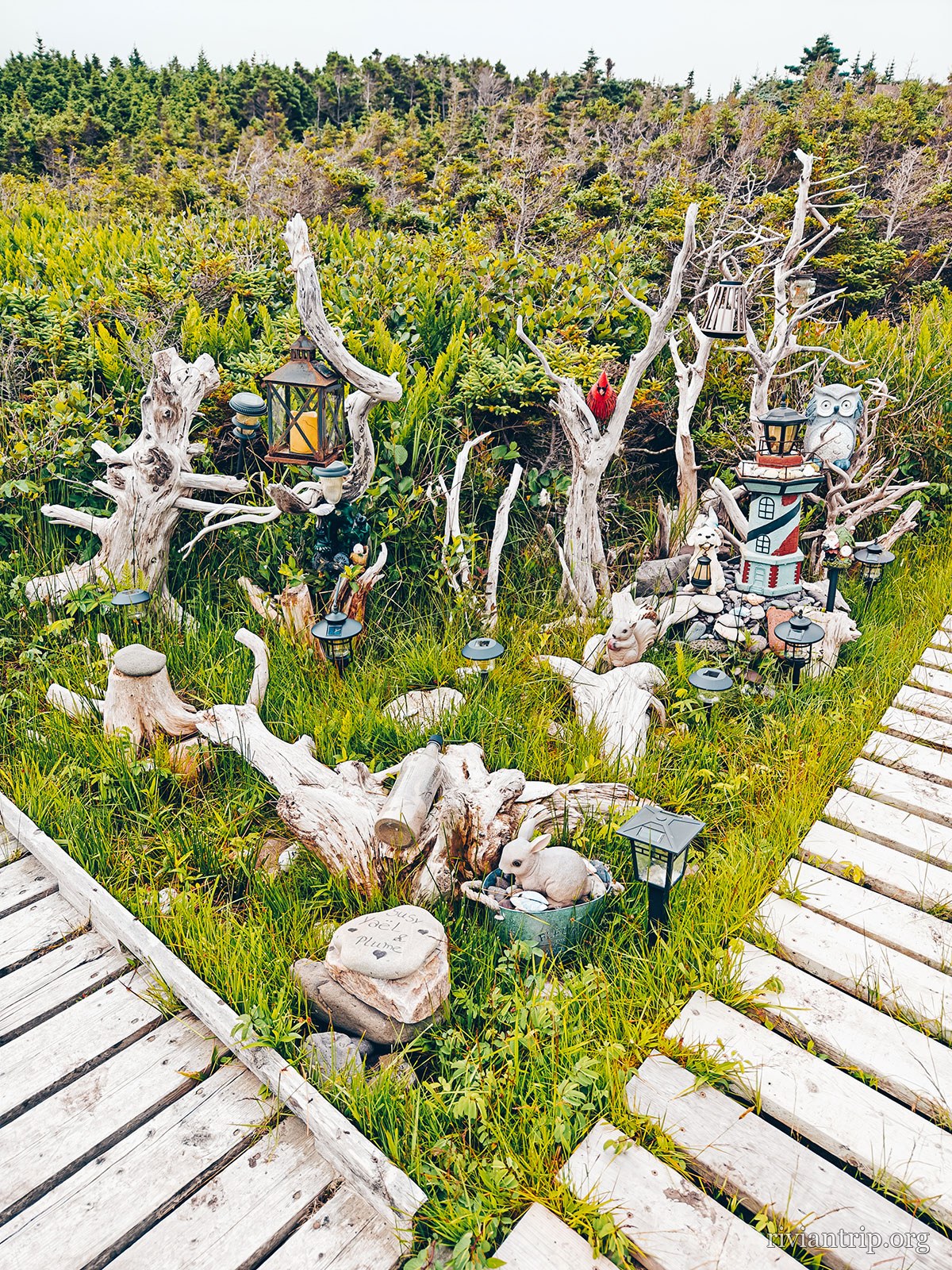
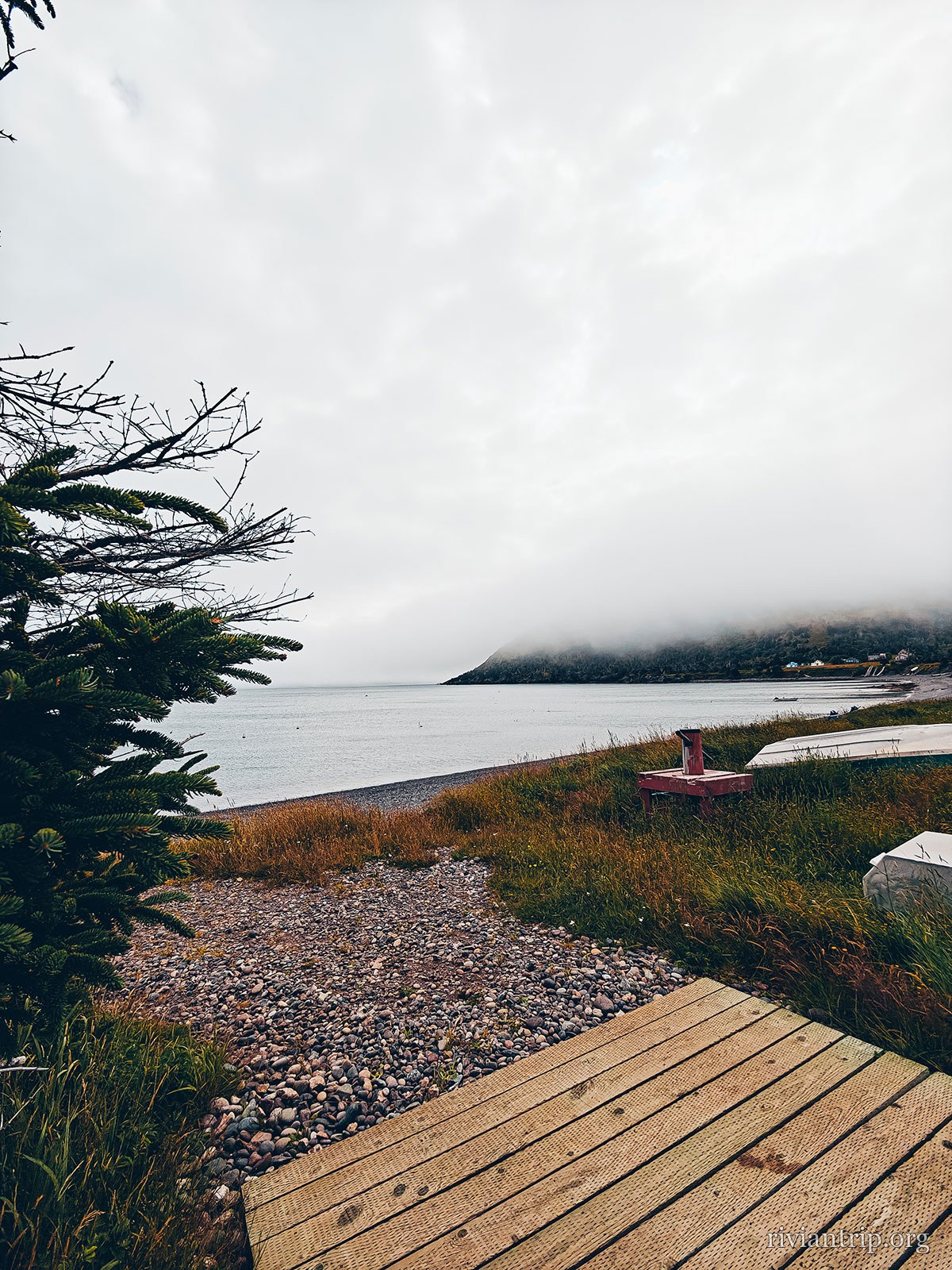
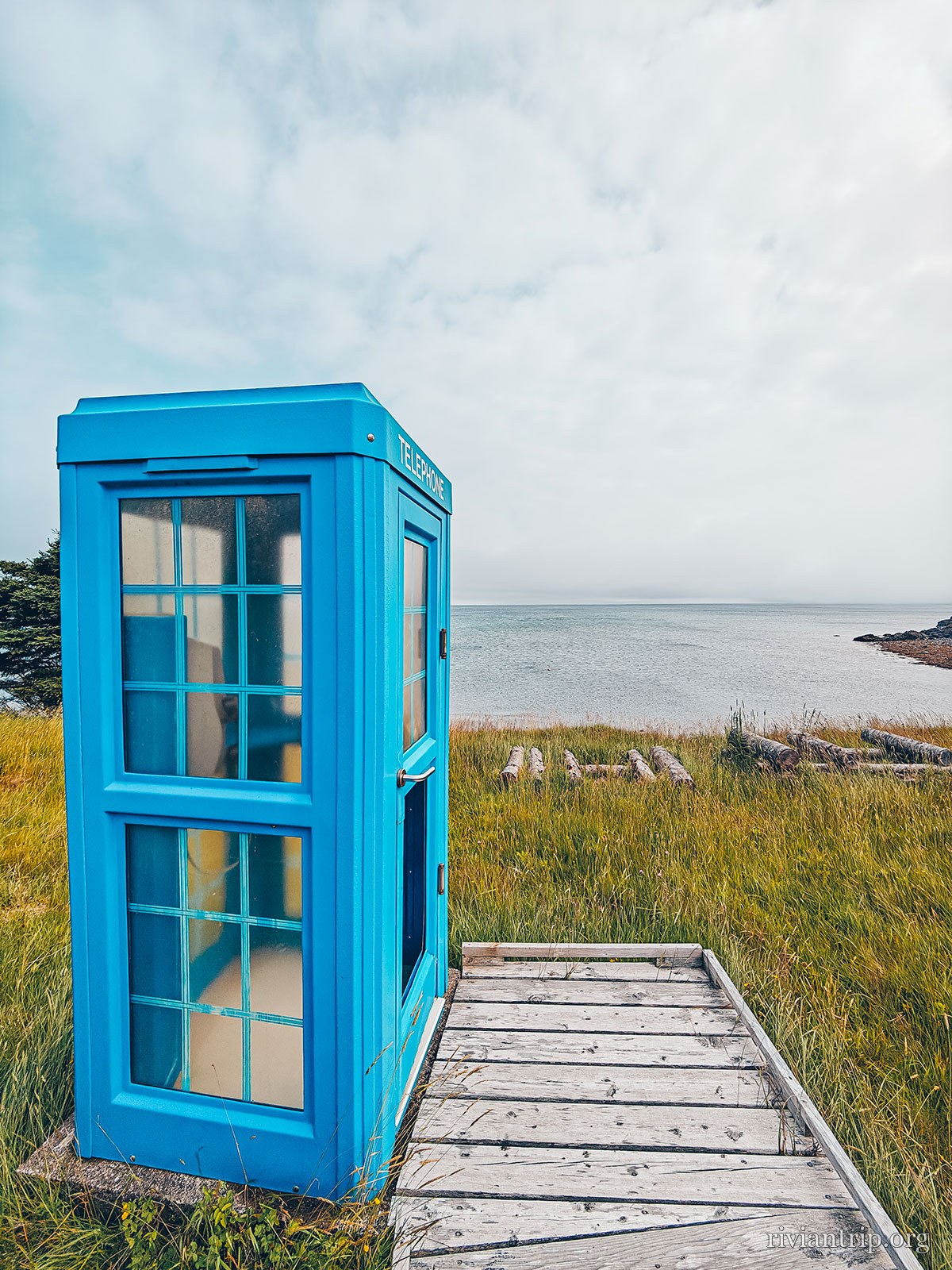
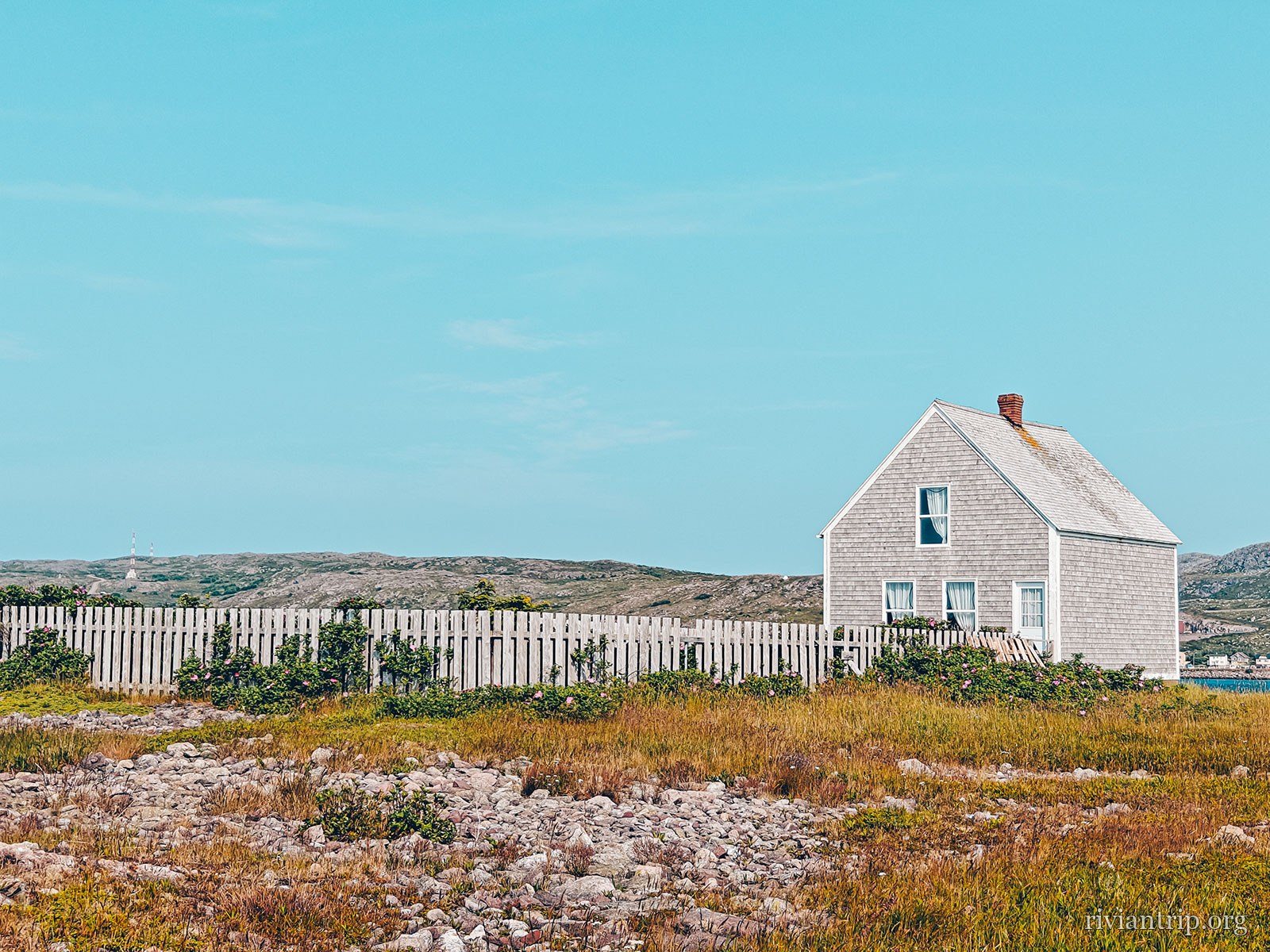
Le Petit Bec, le Nordet
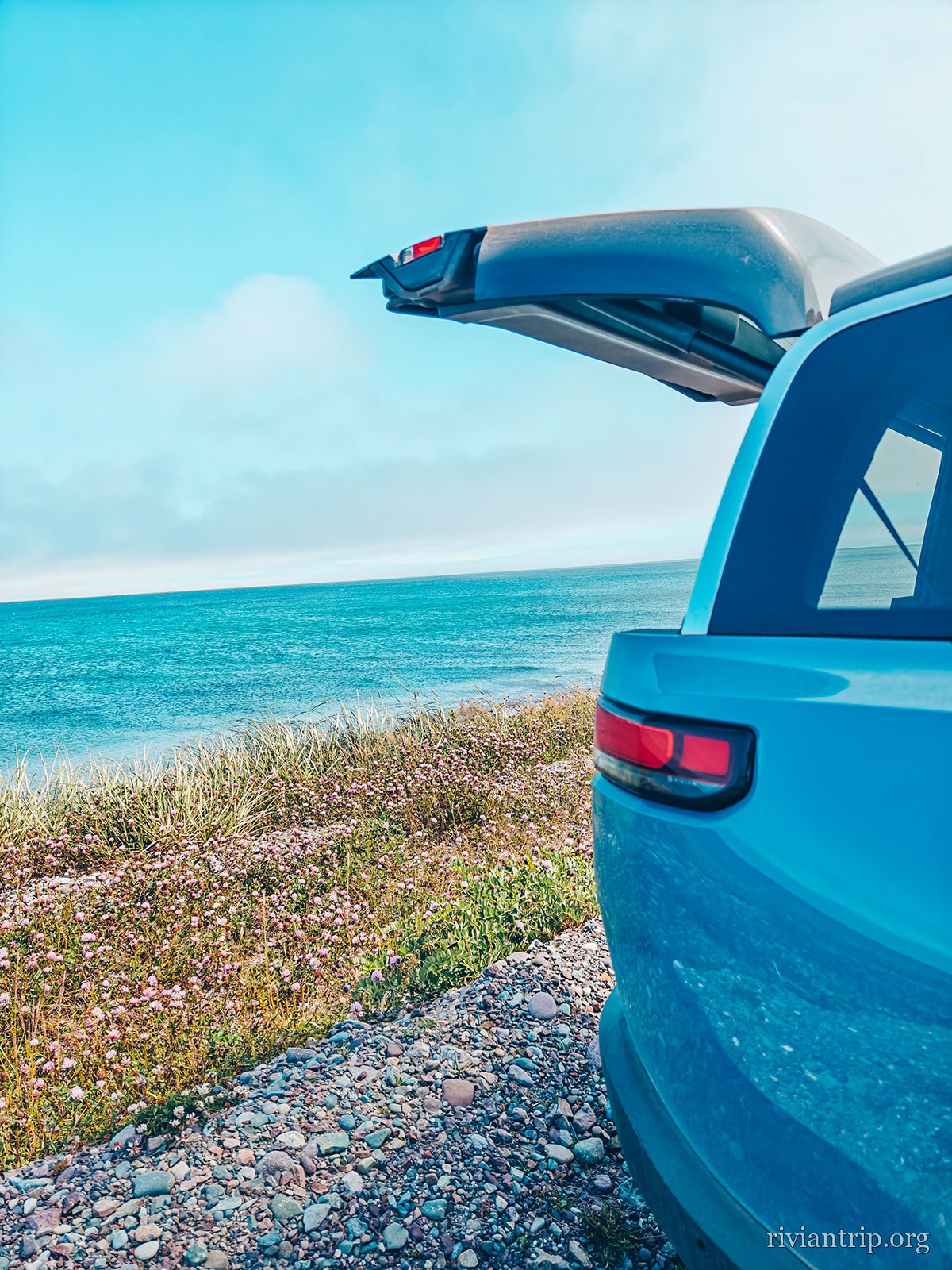
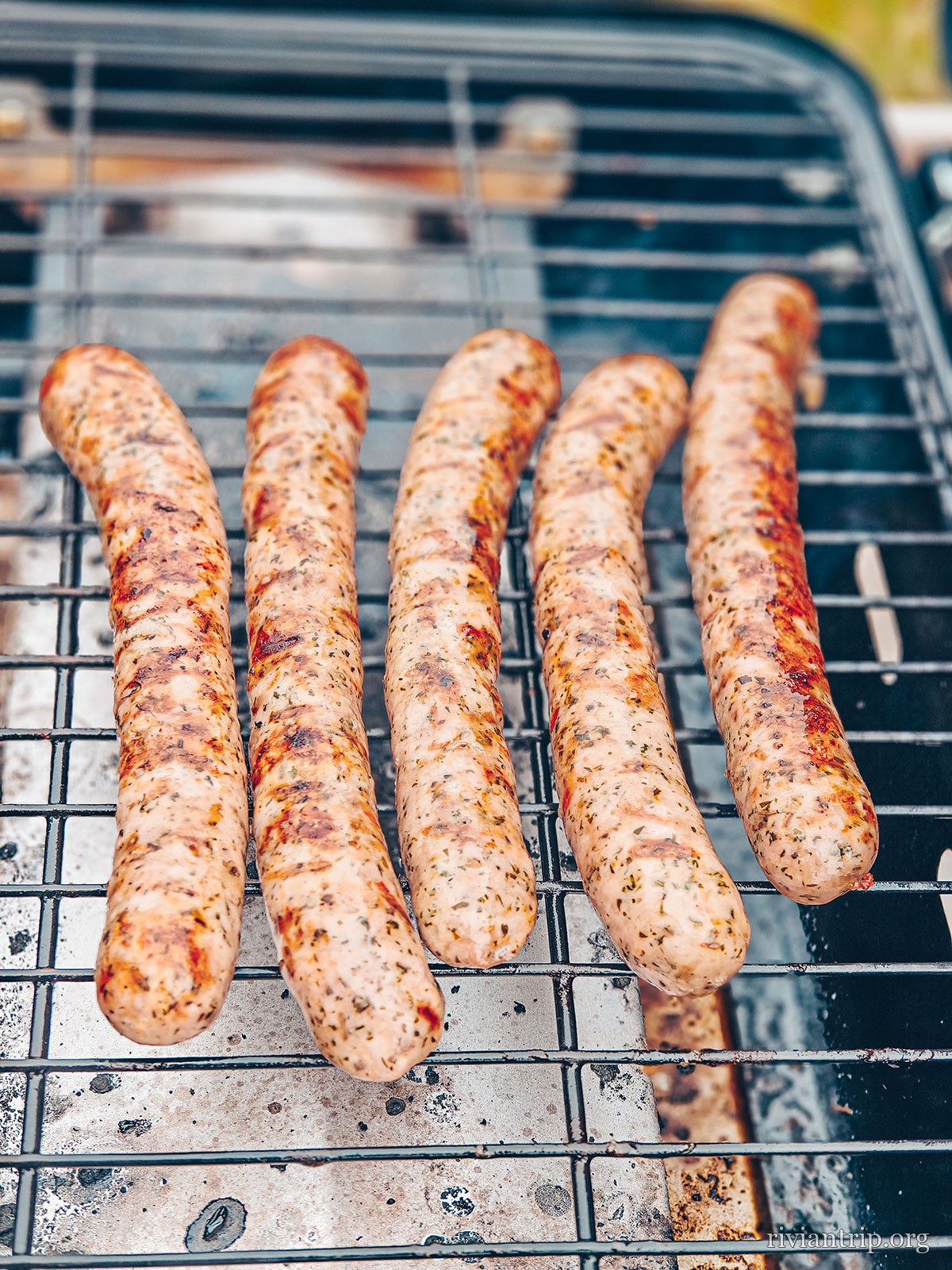
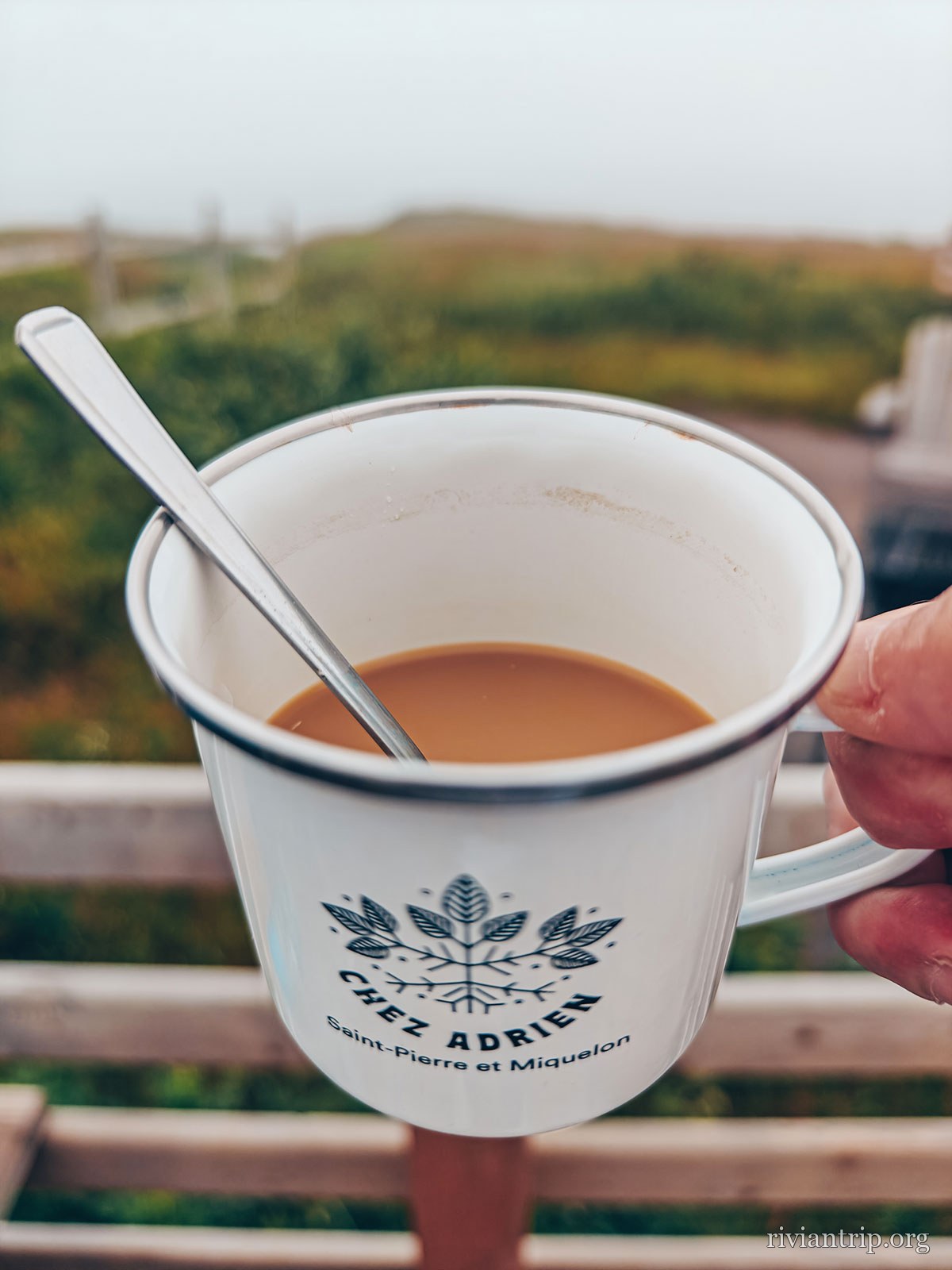
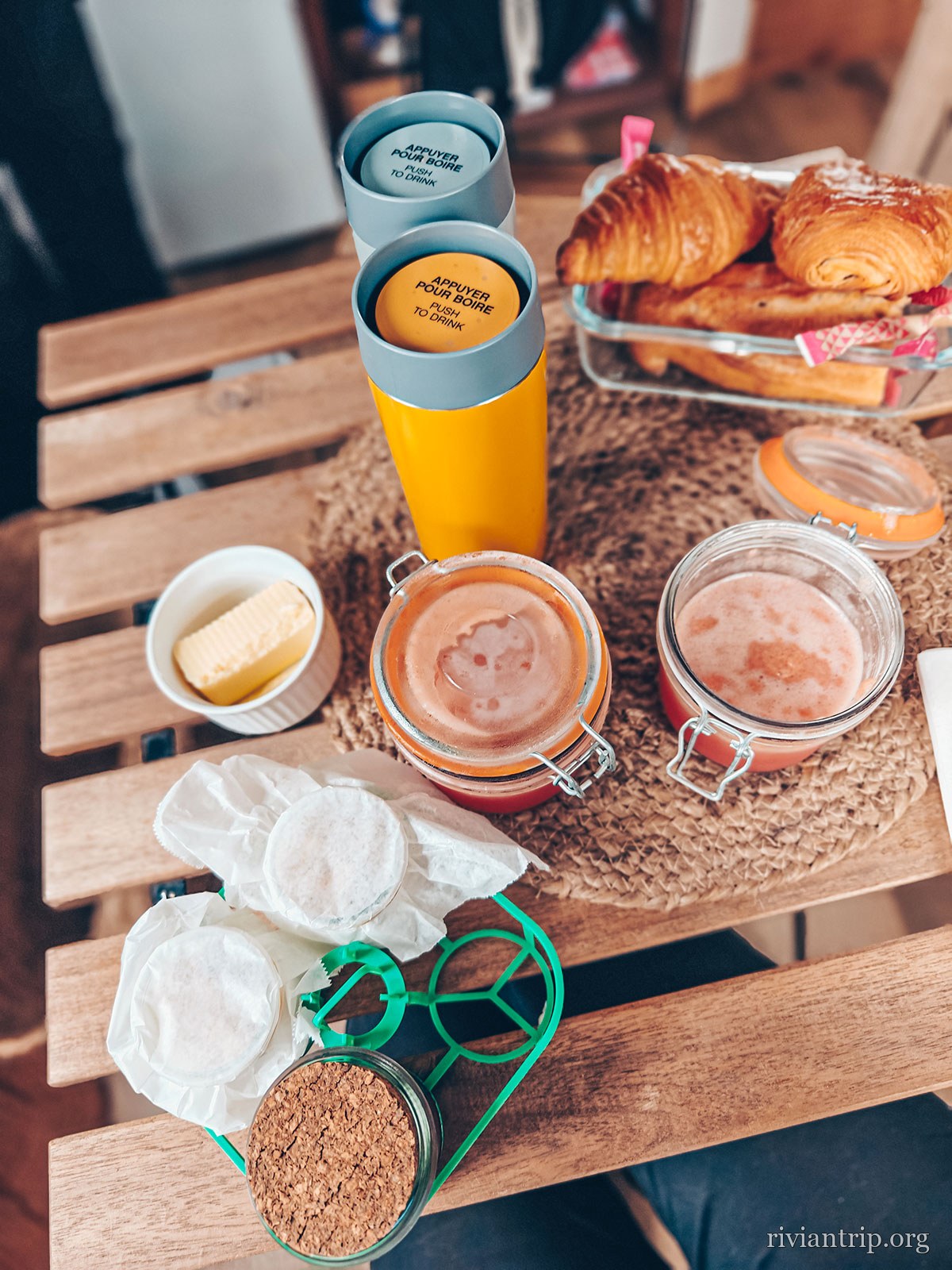
Two days with Adrien · back towards FortuneOn the first evening, a proper French meal around the barbecue, watching the sea in the distance. The next morning, breakfast facing the sea, brought by Adrien himself — jam, toast and fresh fruit juice, all homemade.
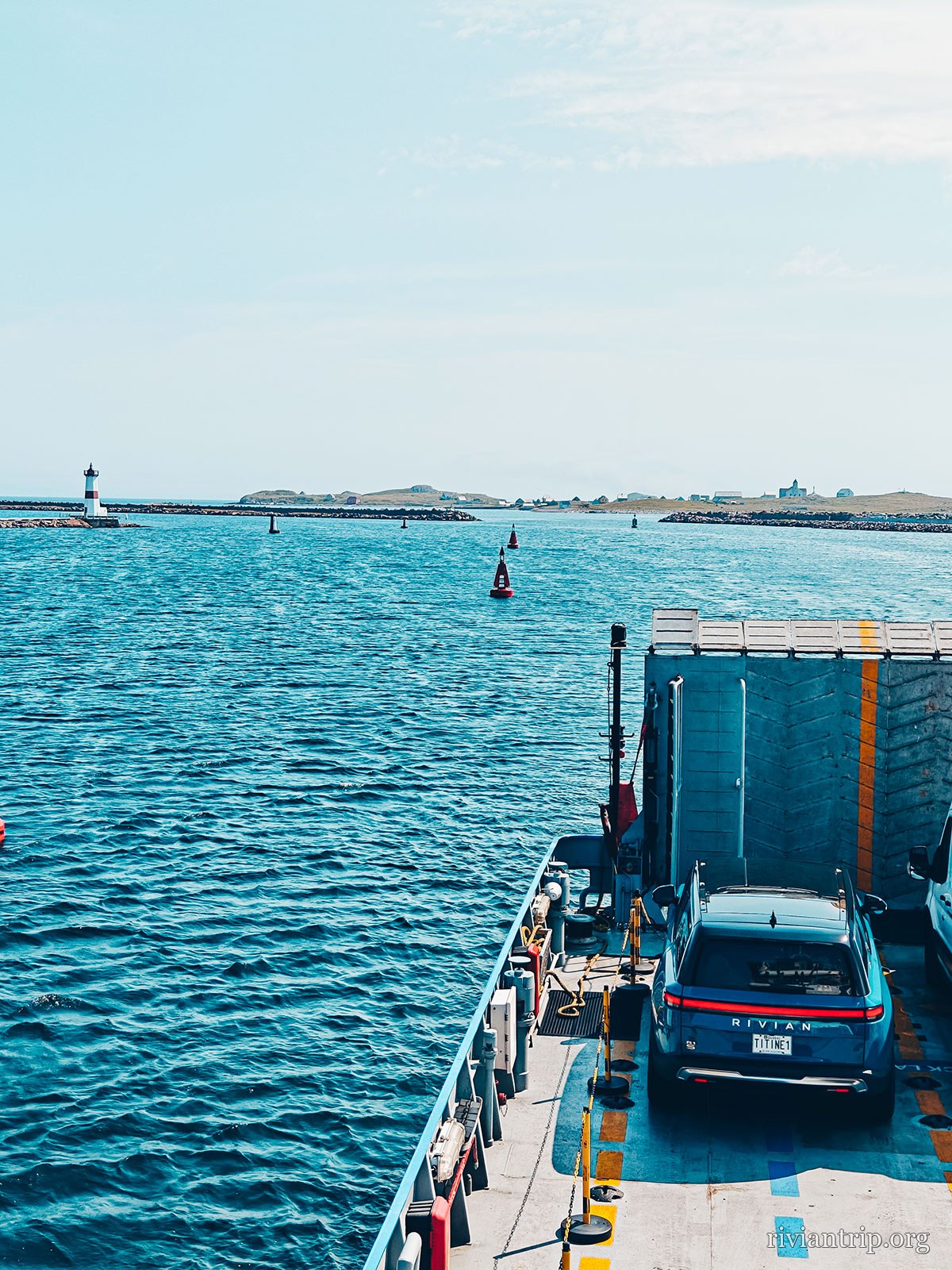
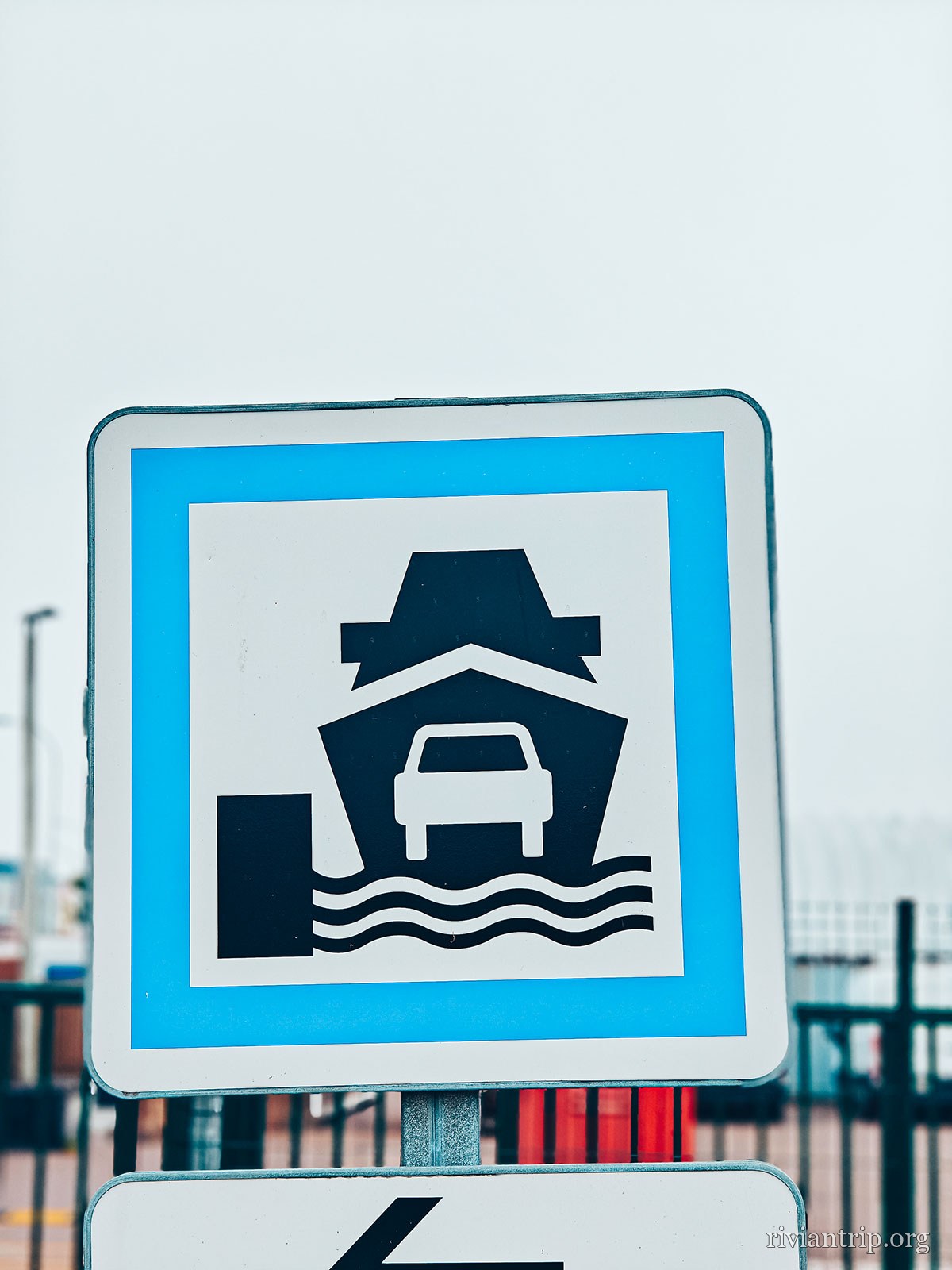
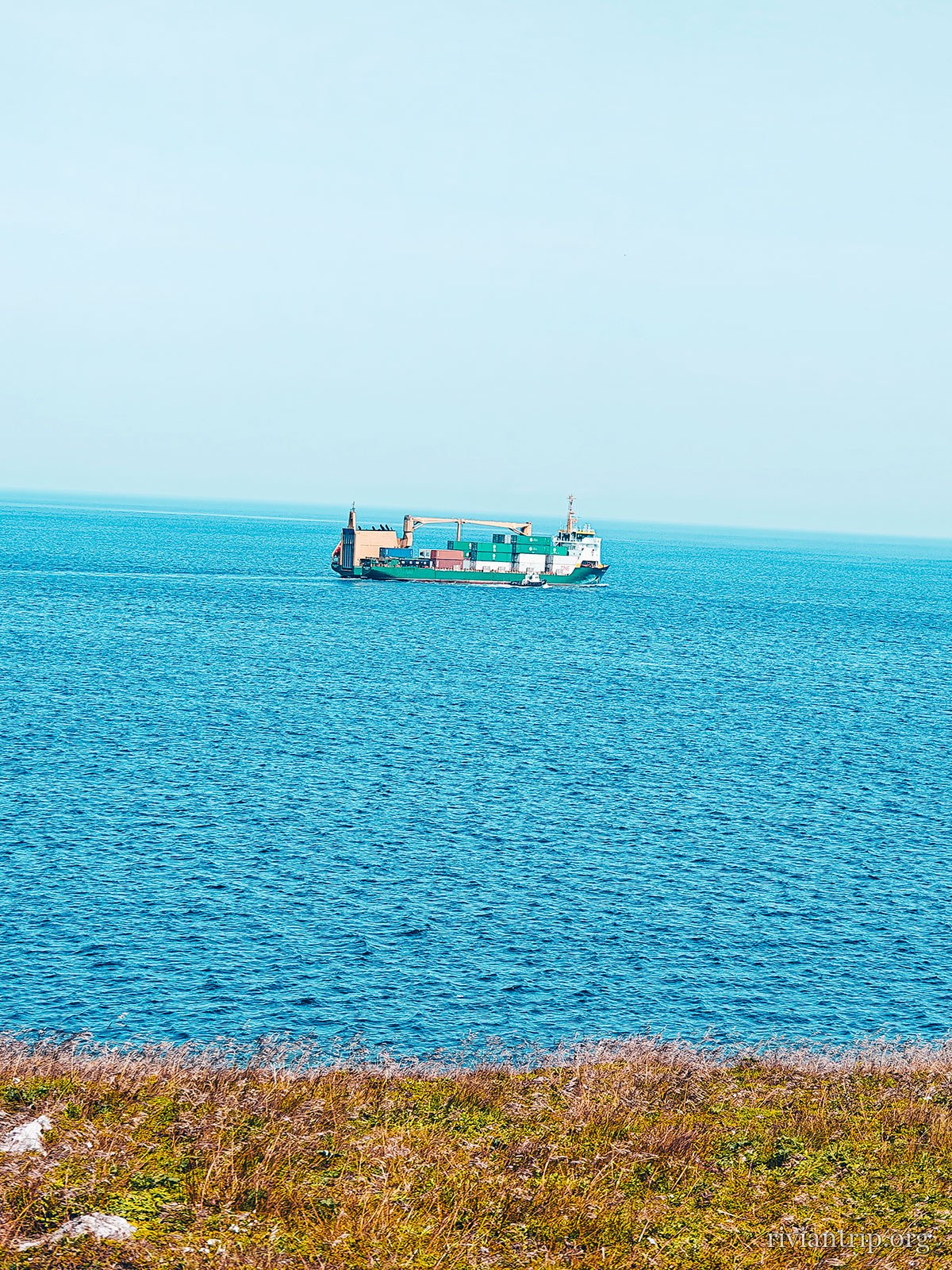
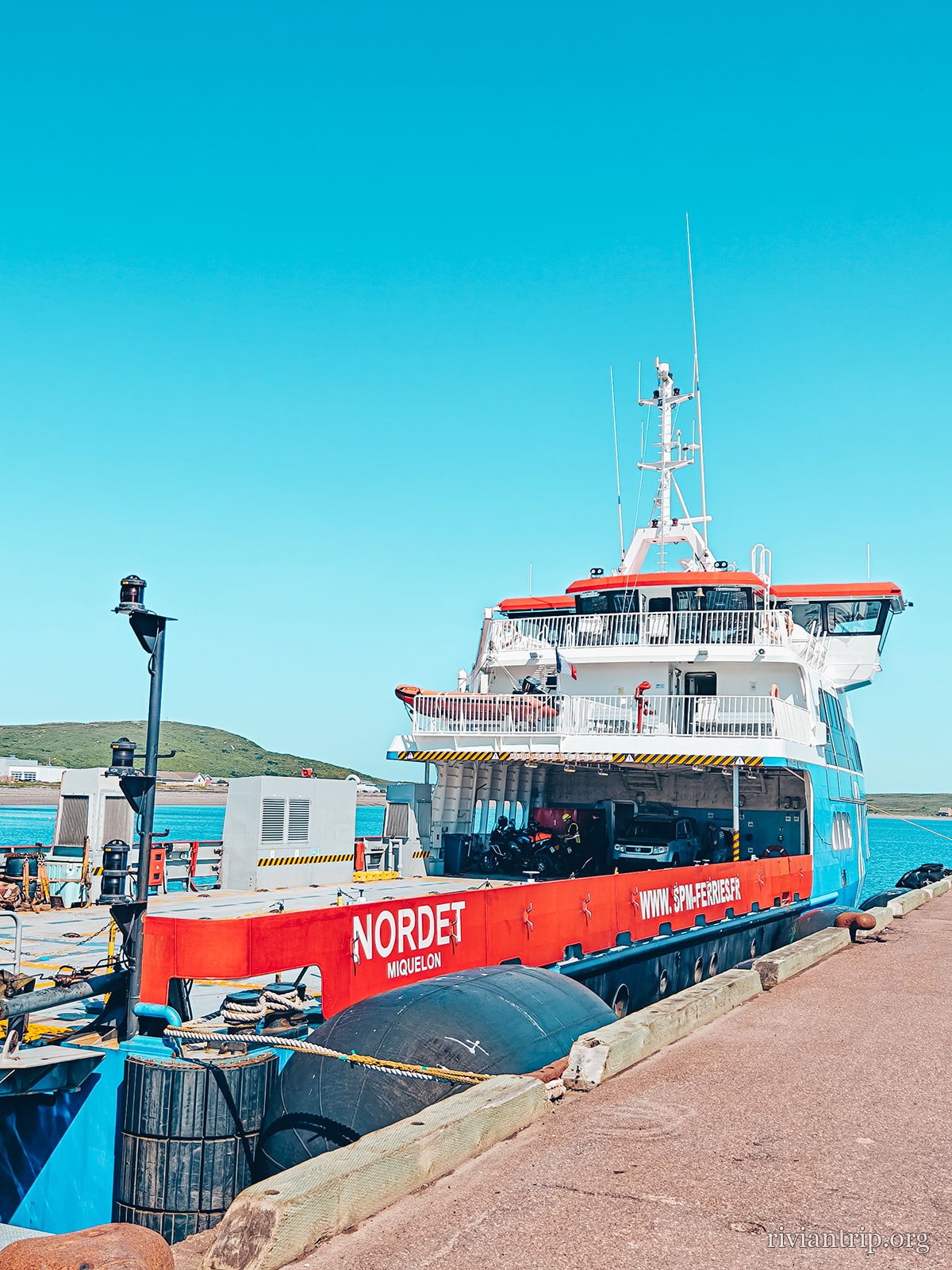
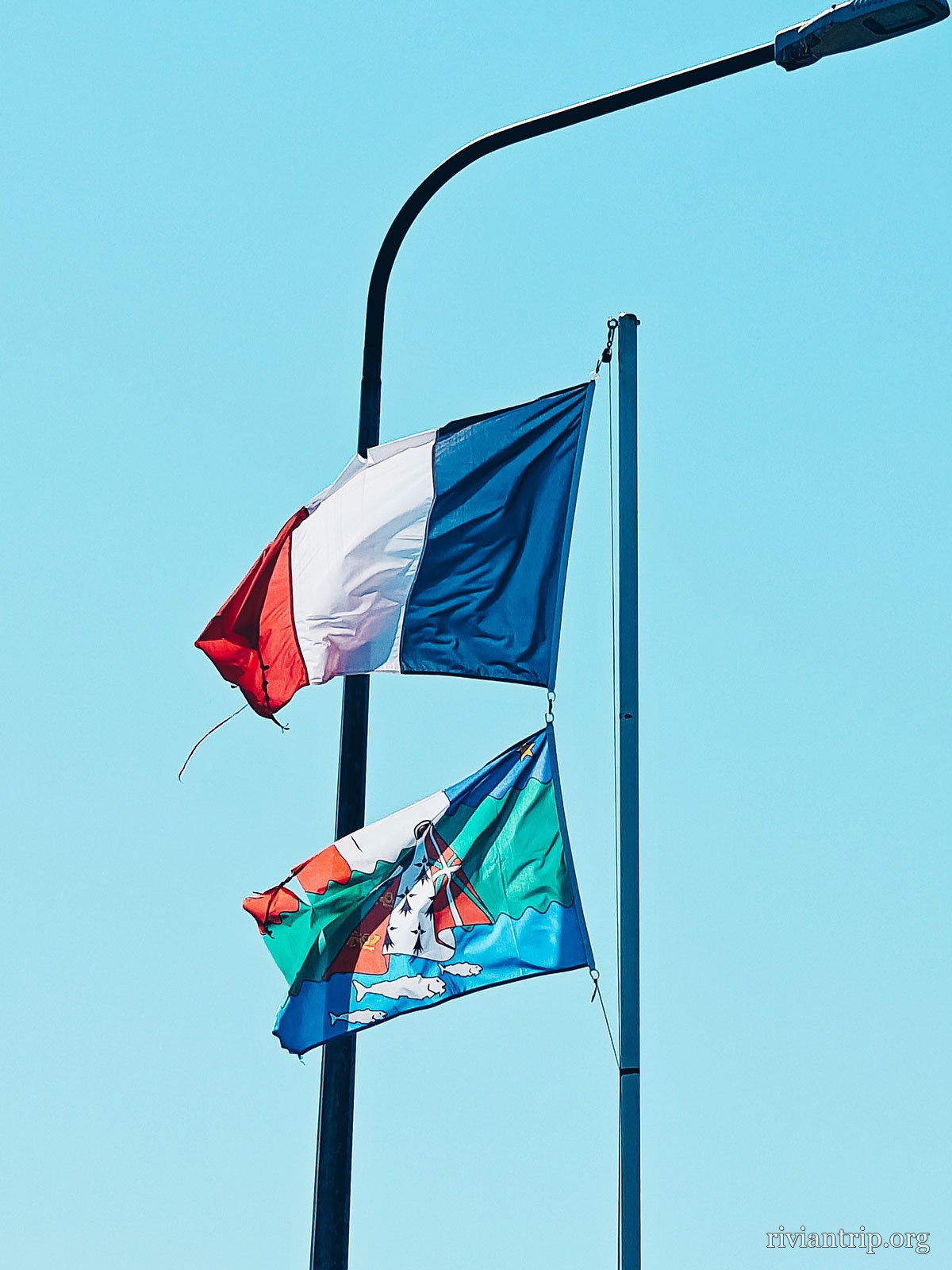
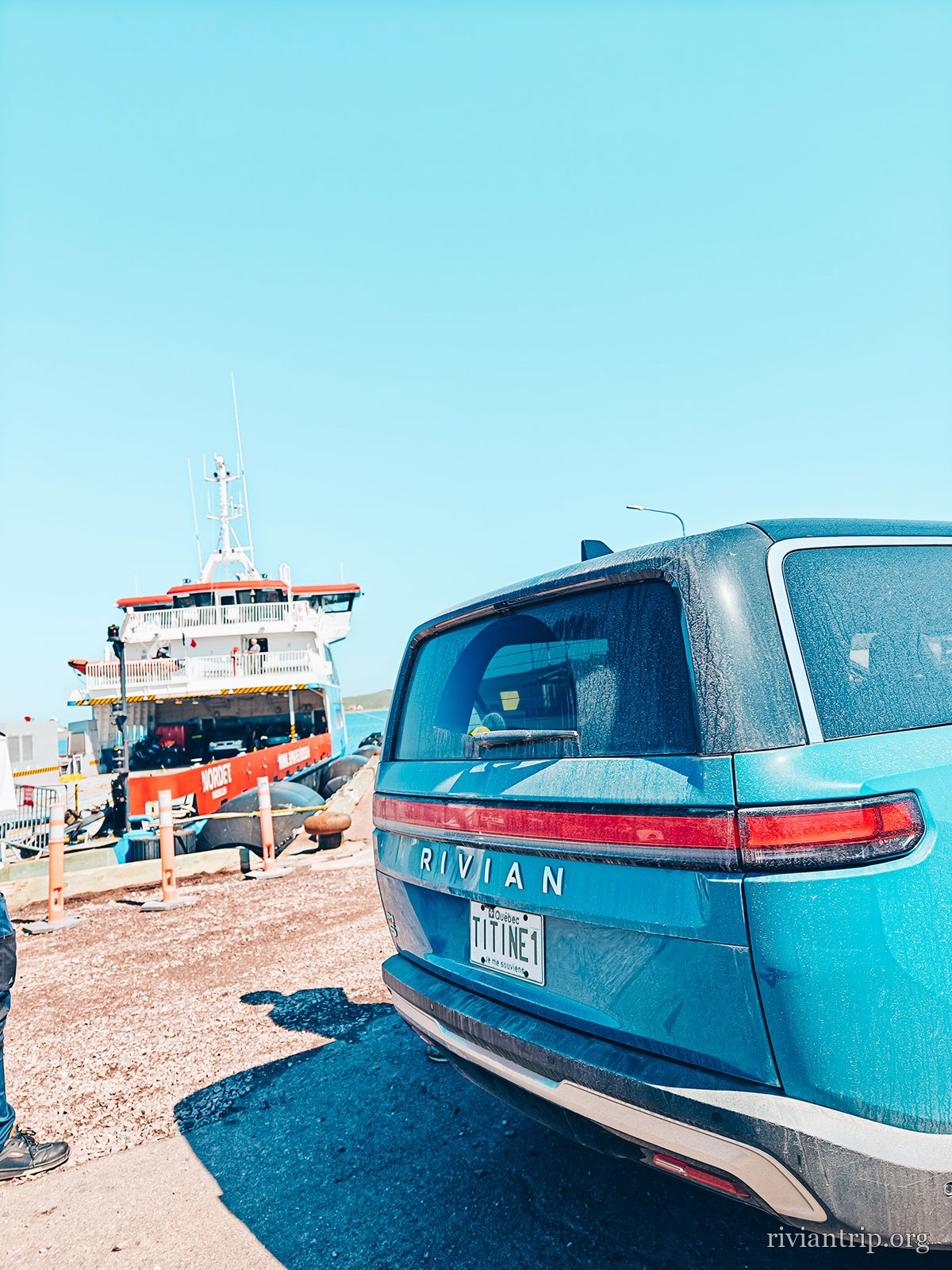
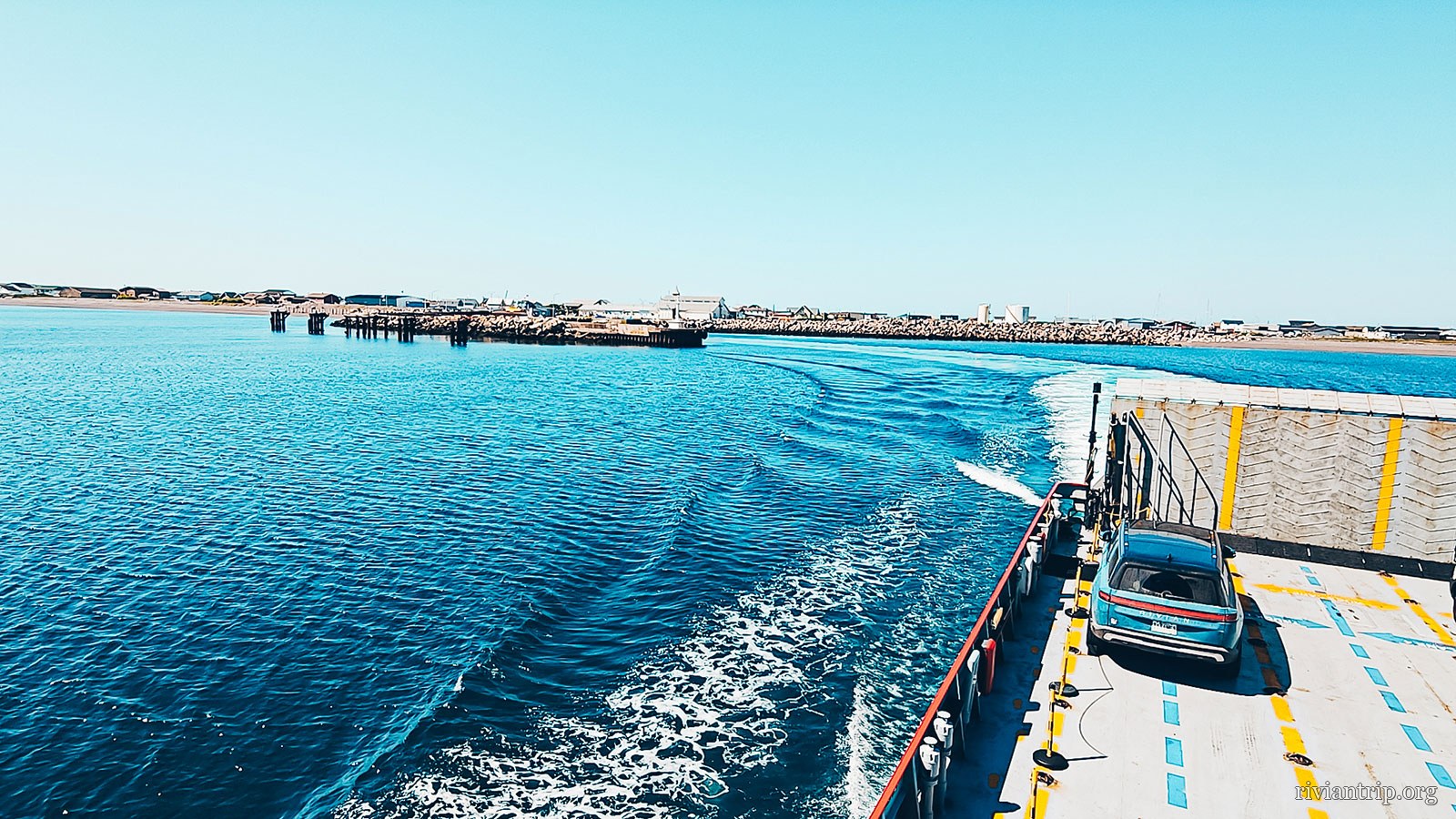
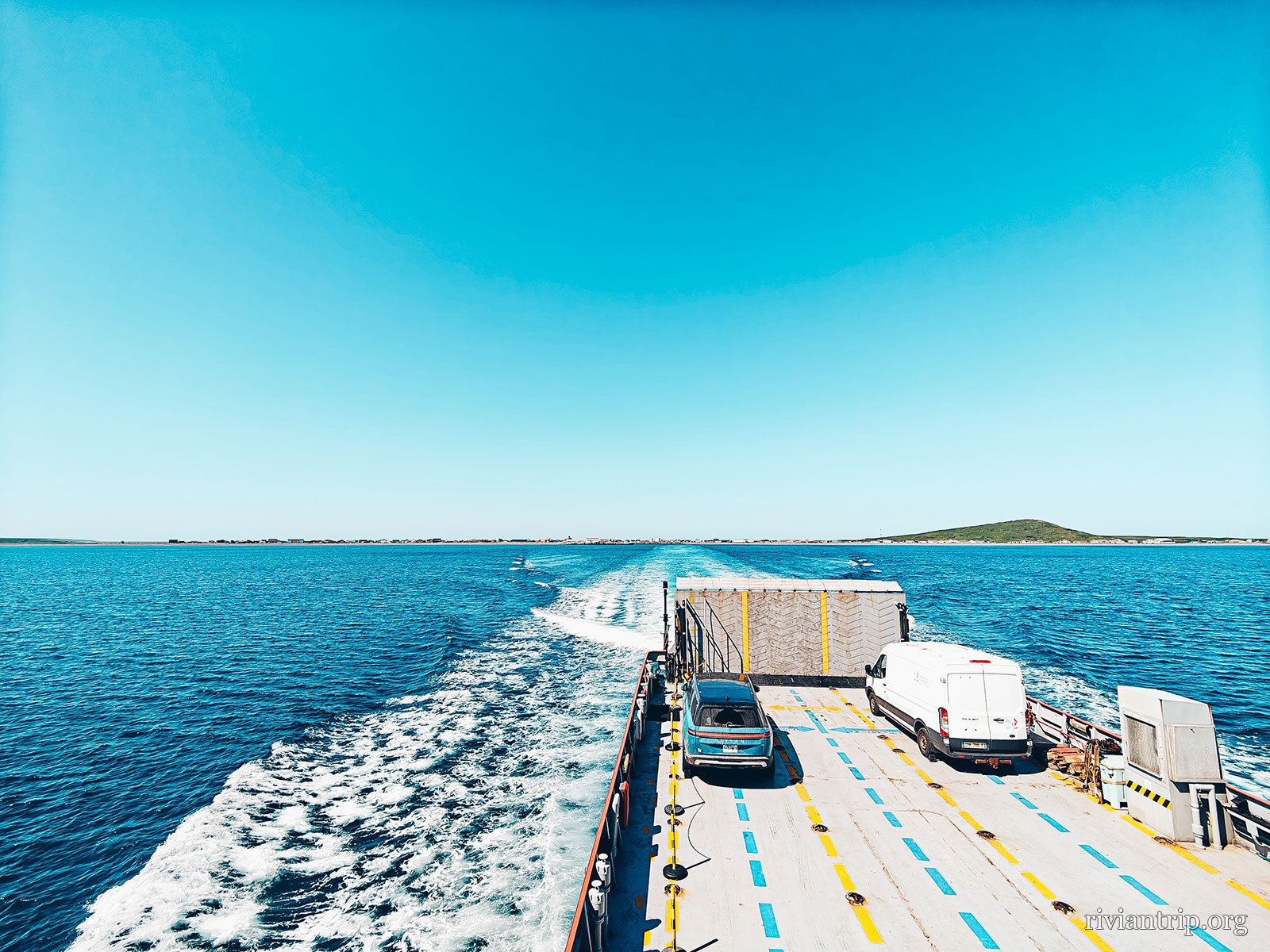
After our stay in Miquelon, we took the ferry back to Fortune, Newfoundland, to begin the journey home. The ferry crossing was a pleasant experience, with spectacular views over the ocean and the surrounding islands — a moment to relax and reflect on this adventure in Miquelon.
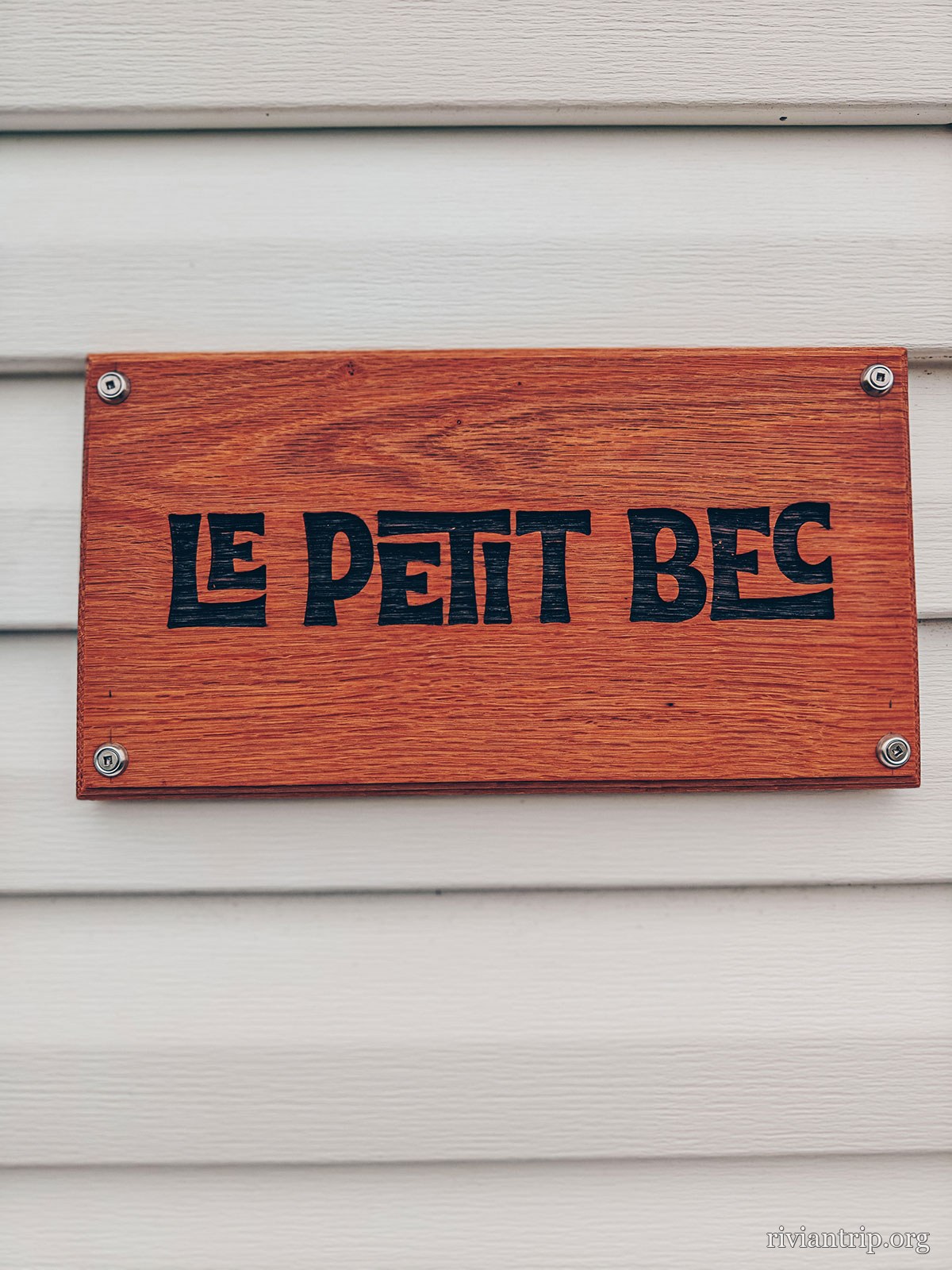
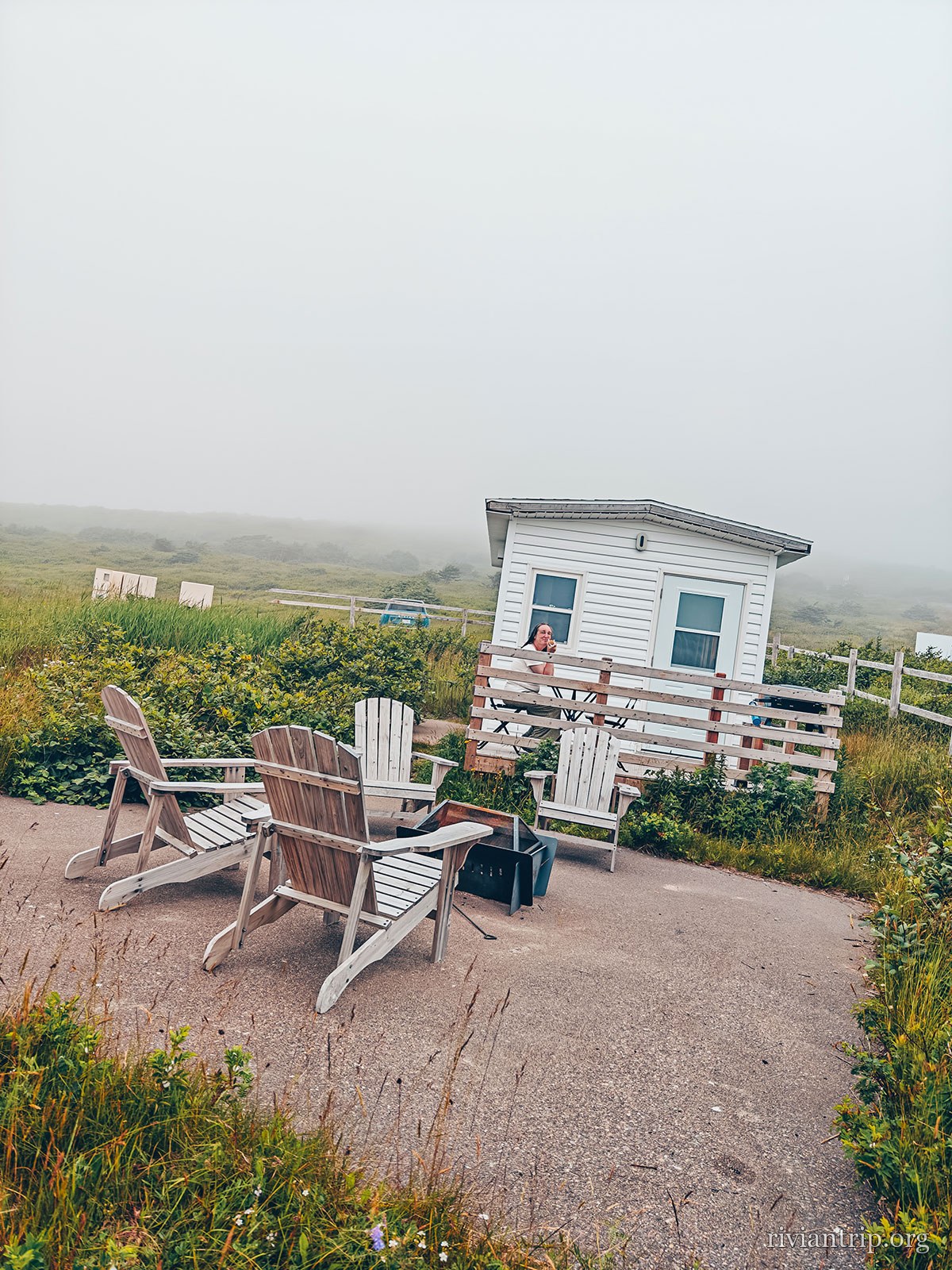
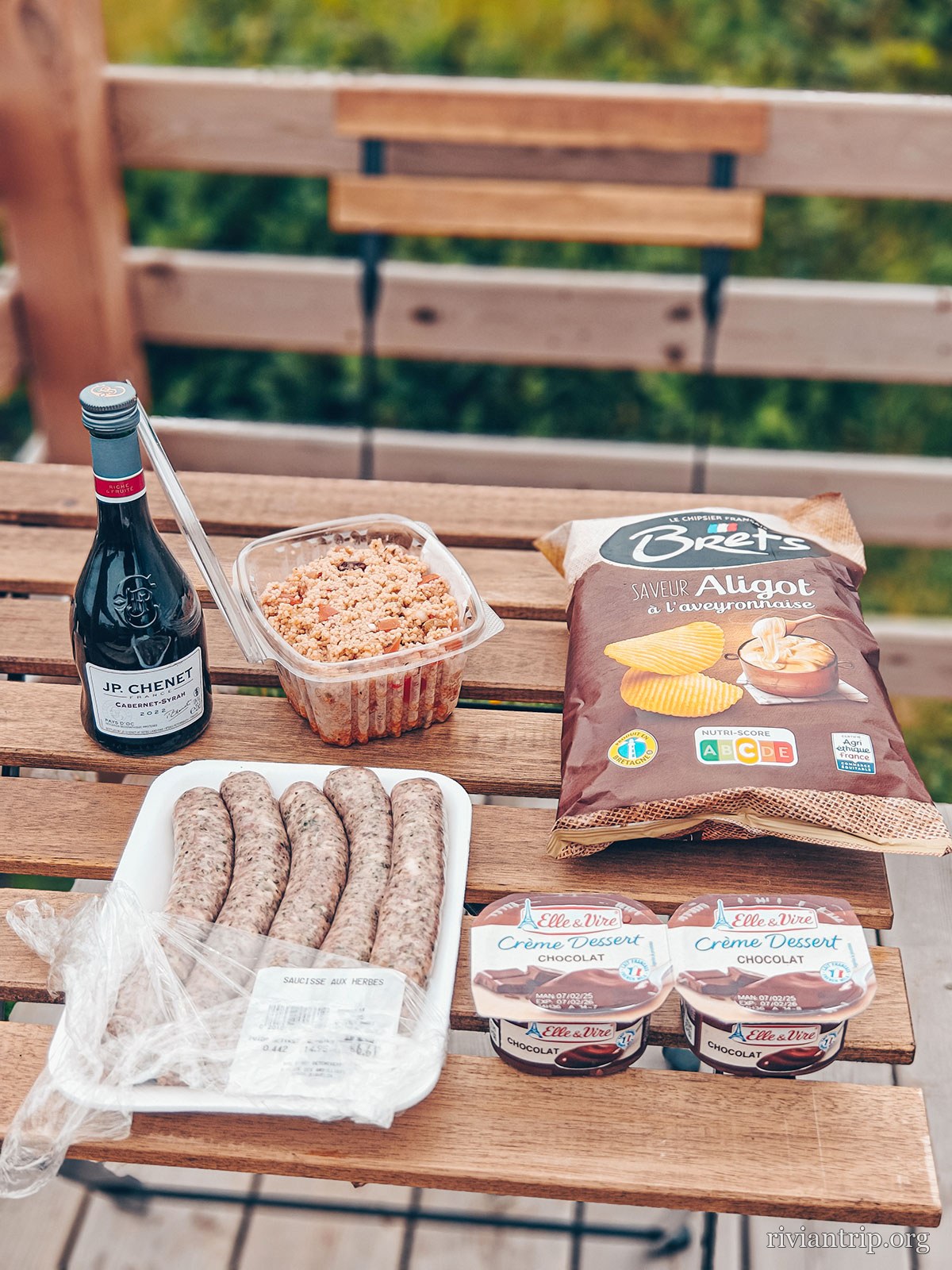
At Adrien's
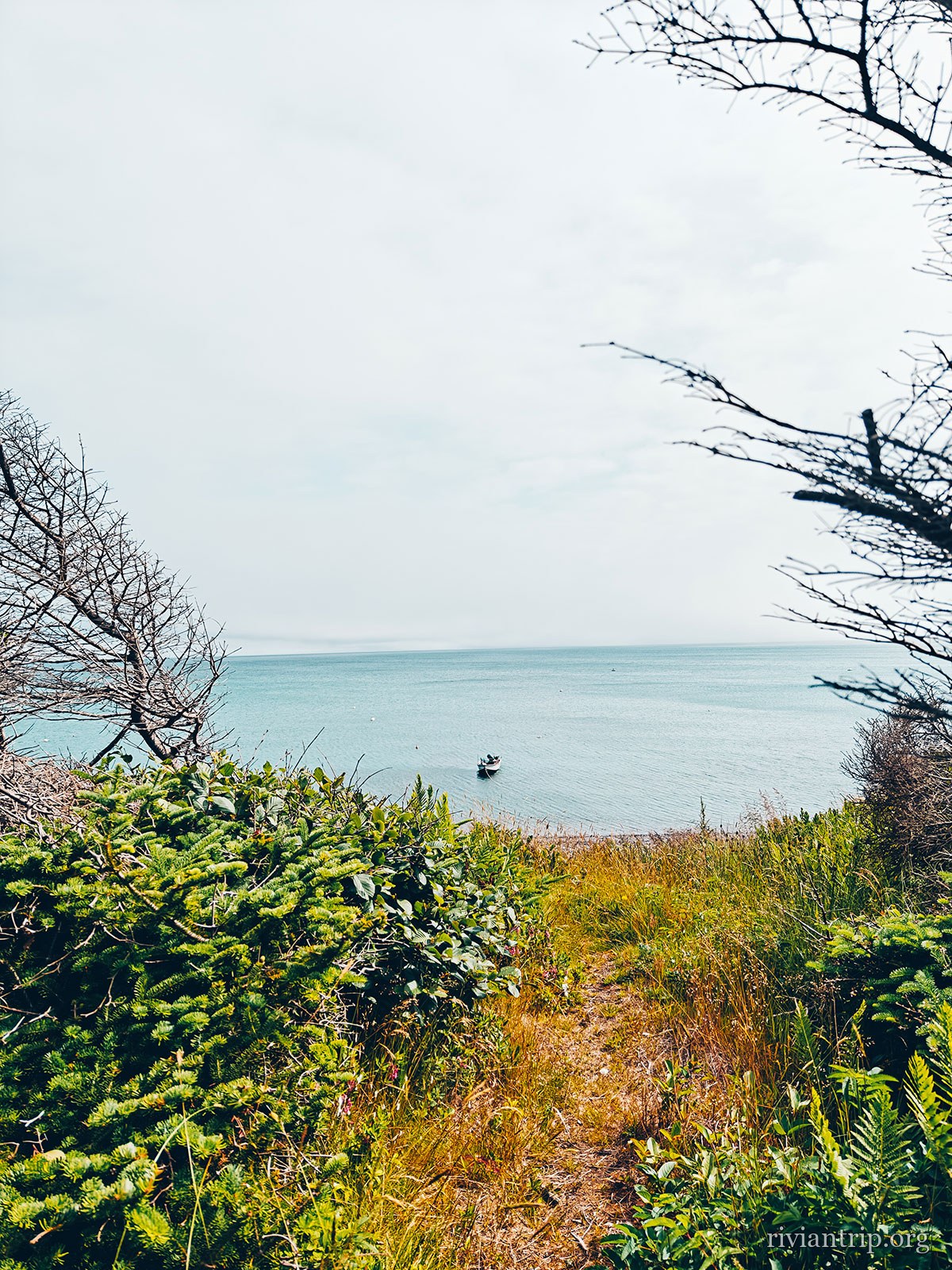
An eco-friendly house facing the sea, two welcoming nights.
Back to Fortune
Le Suroît
The ferry carries us back to Newfoundland, to get back on the road.