Dashi is an umami-rich base broth used in countless Japanese dishes. Unlike the broths of other
cuisines, usually made by simmering an assortment of meat, vegetables, herbs and spices for hours, it
contains only one or two ingredients, and takes just twenty minutes to make.
Umami is the fifth basic taste, alongside sweet, sour, bitter and salty — the Japanese word means
"delicious". The flavour spreads through the whole mouth, lingers after the food is swallowed, and makes
you want a second helping. Dashi owes it to kombu, a seaweed naturally rich in glutamate, the same
substance found in Parmesan, salted and smoked meats, anchovies or wild mushrooms.
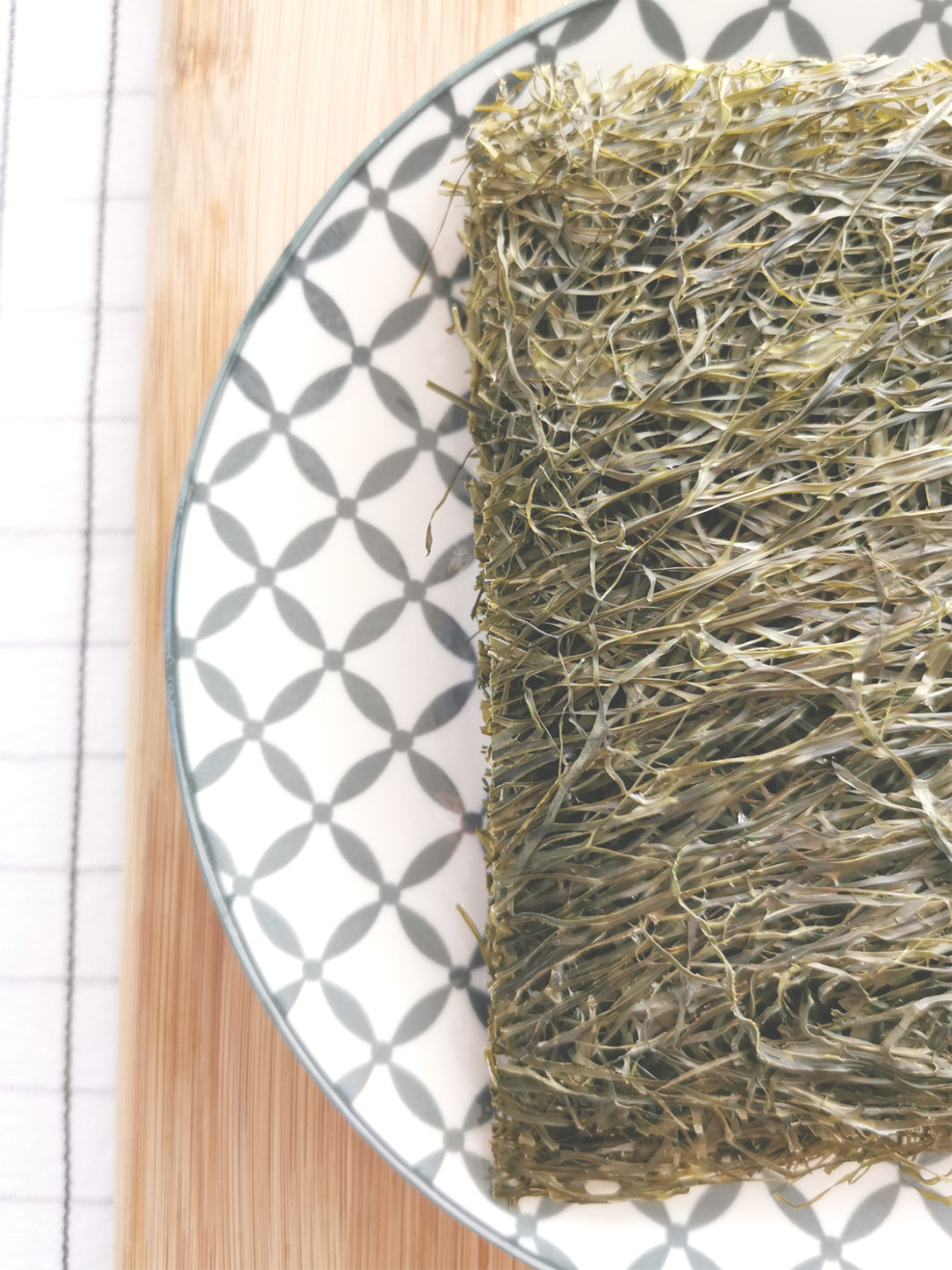
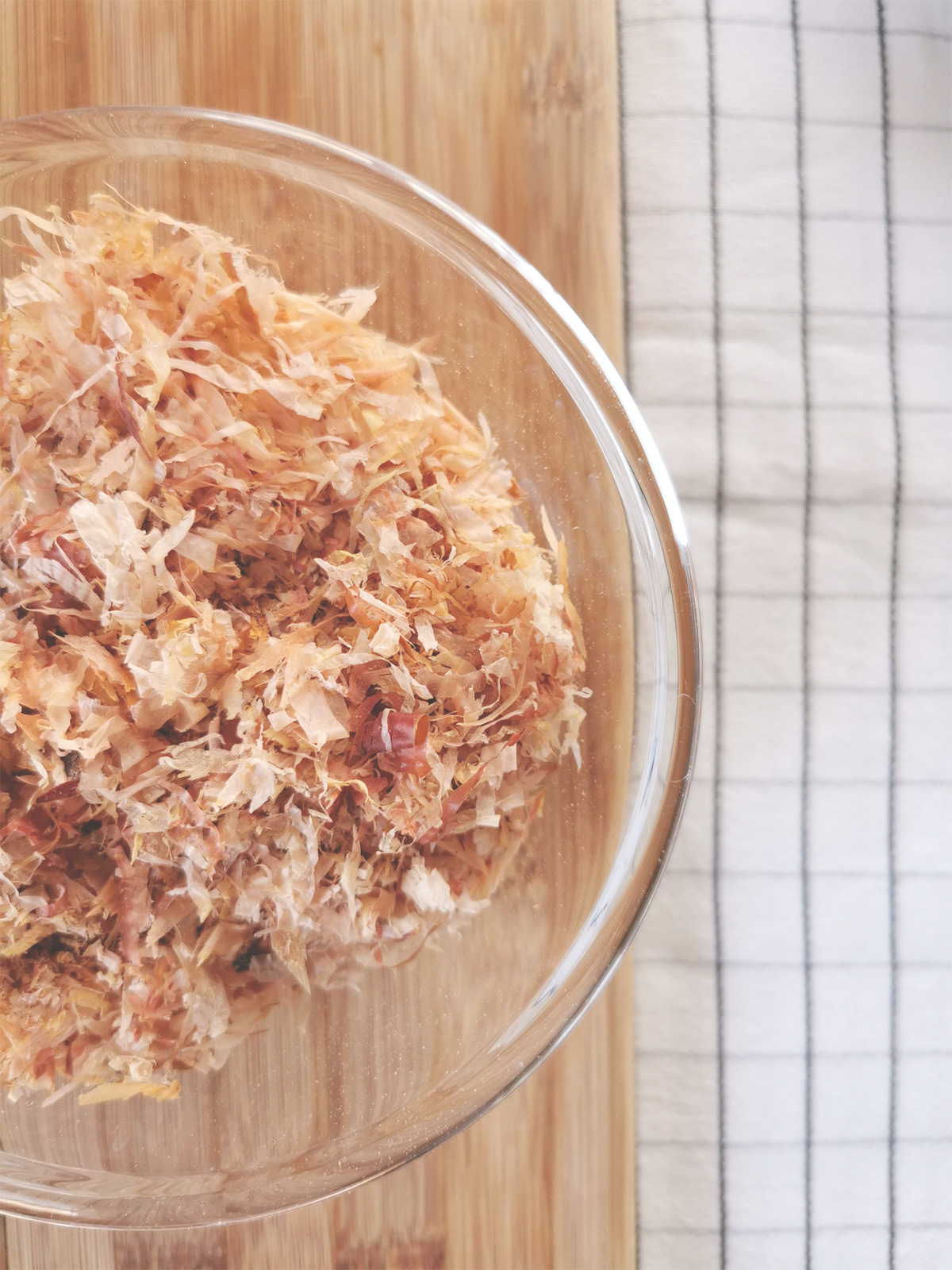
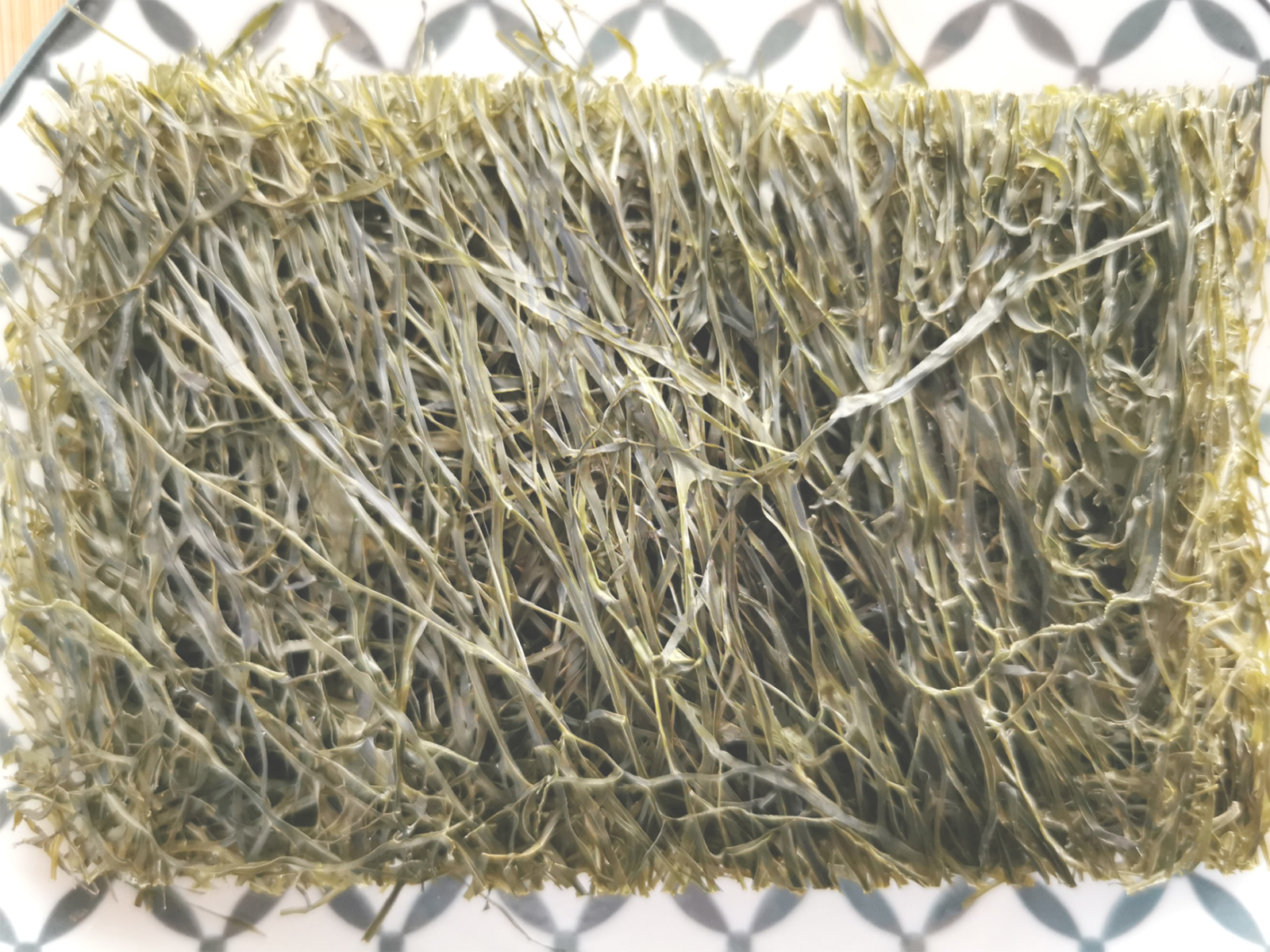
Kombu is edible kelp, dried or fresh — in China it is called haidai, in Korea dasima. Bonito flakes, or
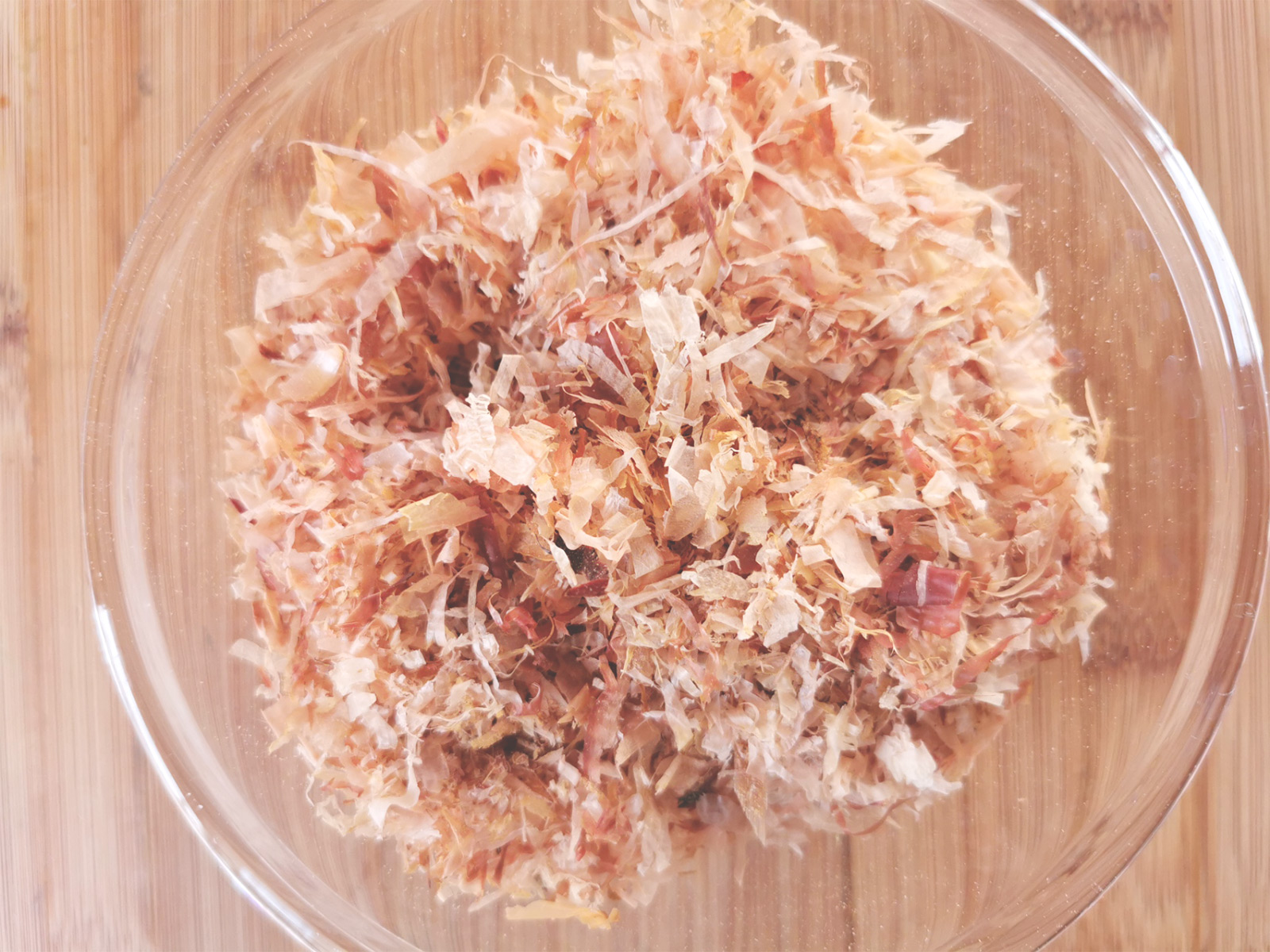
katsuobushi, are shavings of skipjack tuna that has been dried, fermented and smoked, a staple of
Japanese cooking.
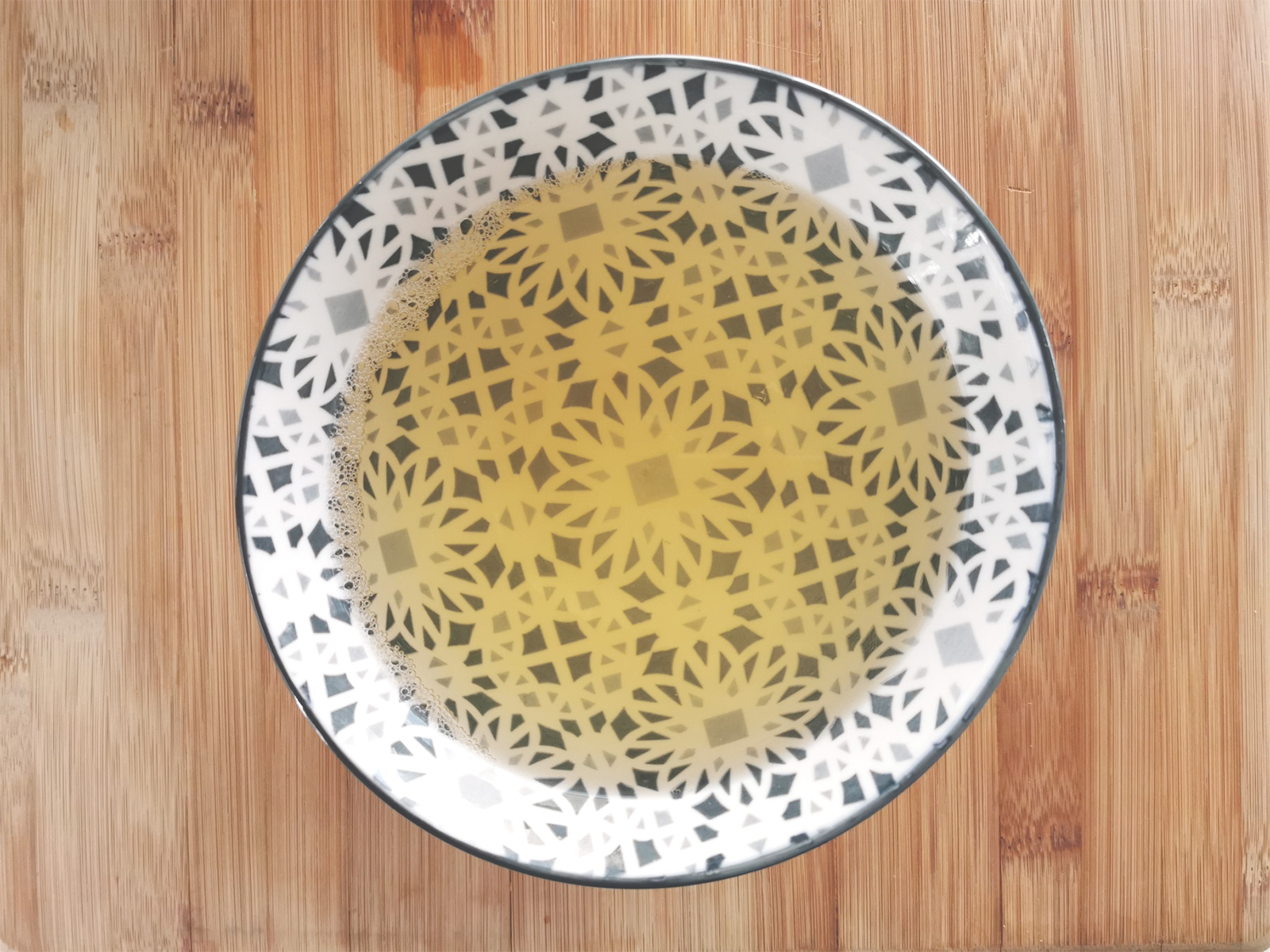
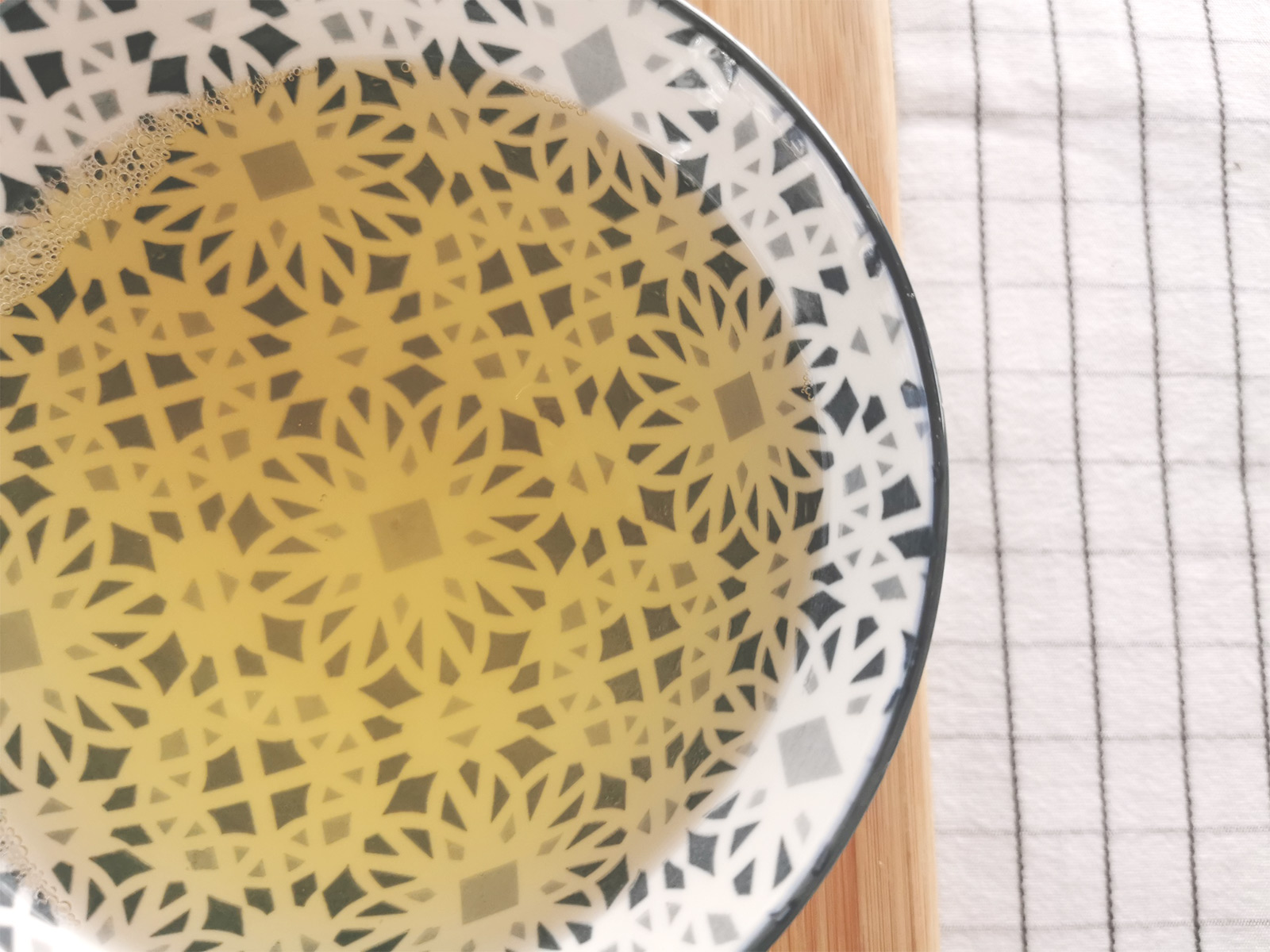
Dashi, Japanese Broth
A clear Japanese broth of kombu and bonito flakes, the base of most Japanese soups and simmered dishes.
Prep
5 min
Cook
20 min
Total time
25 min
Course: Soups
Cuisine: Japanese
Keyword: Dashi
Calories:
Ingredients
Servings:
6
servings
Instructions
- Wipe the sheet of kombu with kitchen paper and cut several slits in it so the flavour can pass into the broth.
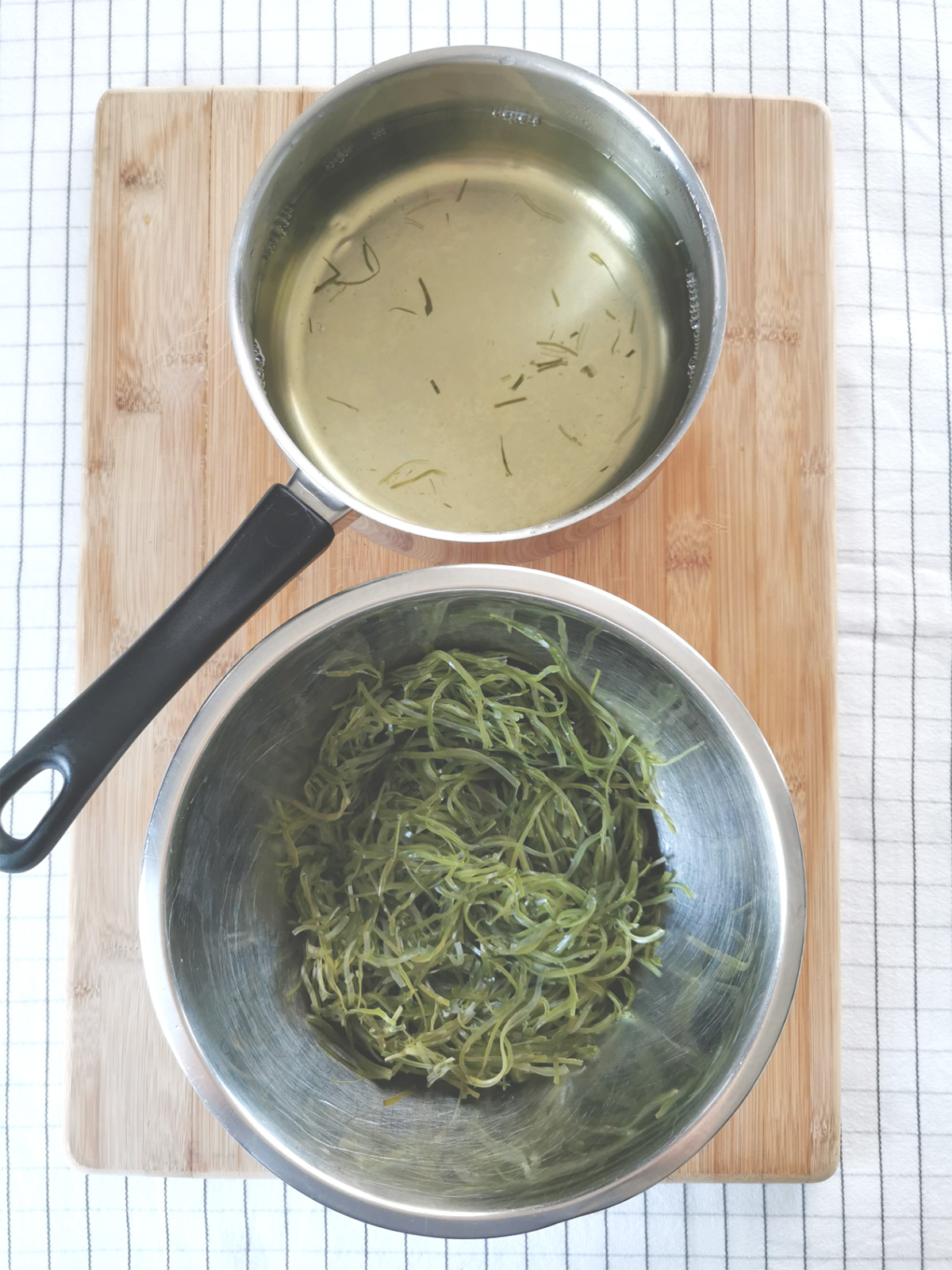
- Pour the water into a saucepan, add the seaweed and bring to the boil.
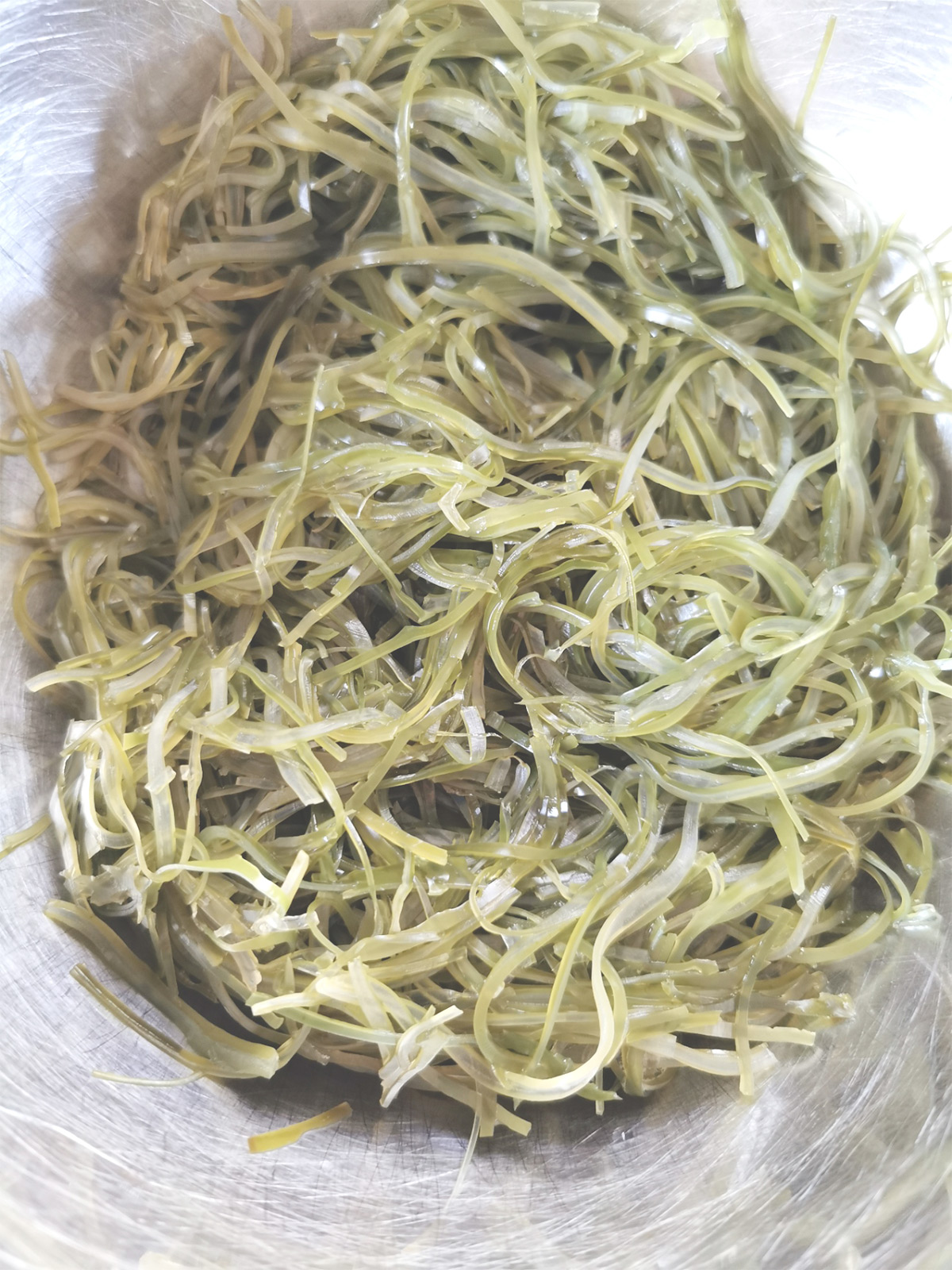
- Lift out the kombu as soon as the water starts to boil, after 10 to 15 minutes, using a sieve lined with kitchen paper. Set the kombu aside.
- In the same pan, add the bonito flakes. Press down lightly with a spoon to make sure they are all submerged.
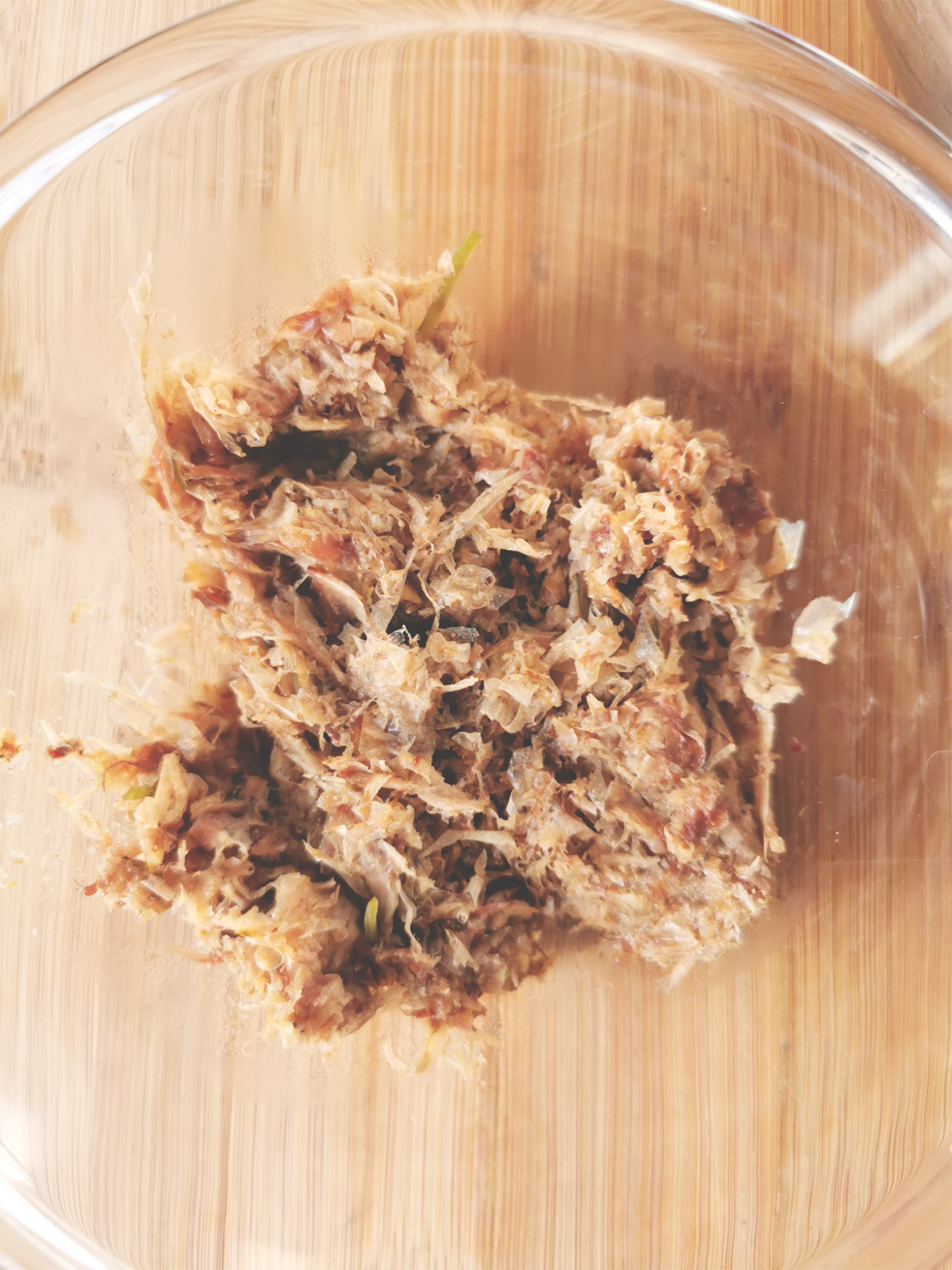
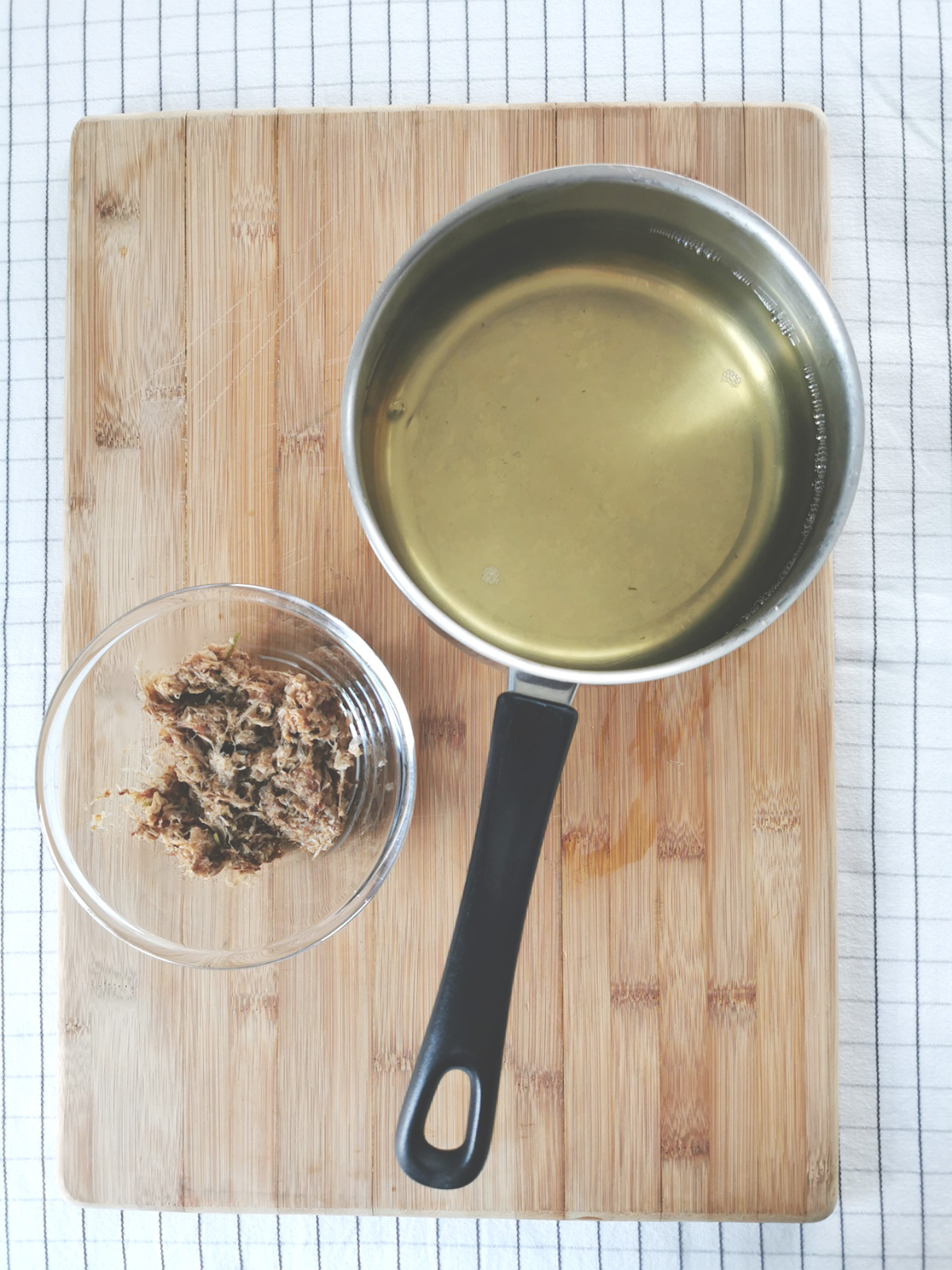
- Simmer until the first bubbles appear. As soon as most of the flakes have sunk to the bottom, lift them out the same way as the kombu. Set them aside for later use.
- Strain the dashi once more to be sure it is perfectly clear.
- Use the dashi straight away, or keep it in an airtight container in the fridge for 2 to 3 days, or in the freezer for 1 to 2 months.
Nutrition (per serving)
Tips
- Slit the kombu before it goes into the water: those cuts are how the flavour gets out.
- Lift the kombu out the moment it boils. Cooked longer, it turns slimy and bitter.
- Strain through kitchen paper rather than a plain sieve: that is what gives a truly clear broth.
- Keep the kombu and the bonito: both go on to be used in other dishes.
- Keeps 2 to 3 days in the fridge, or 1 to 2 months in the freezer.