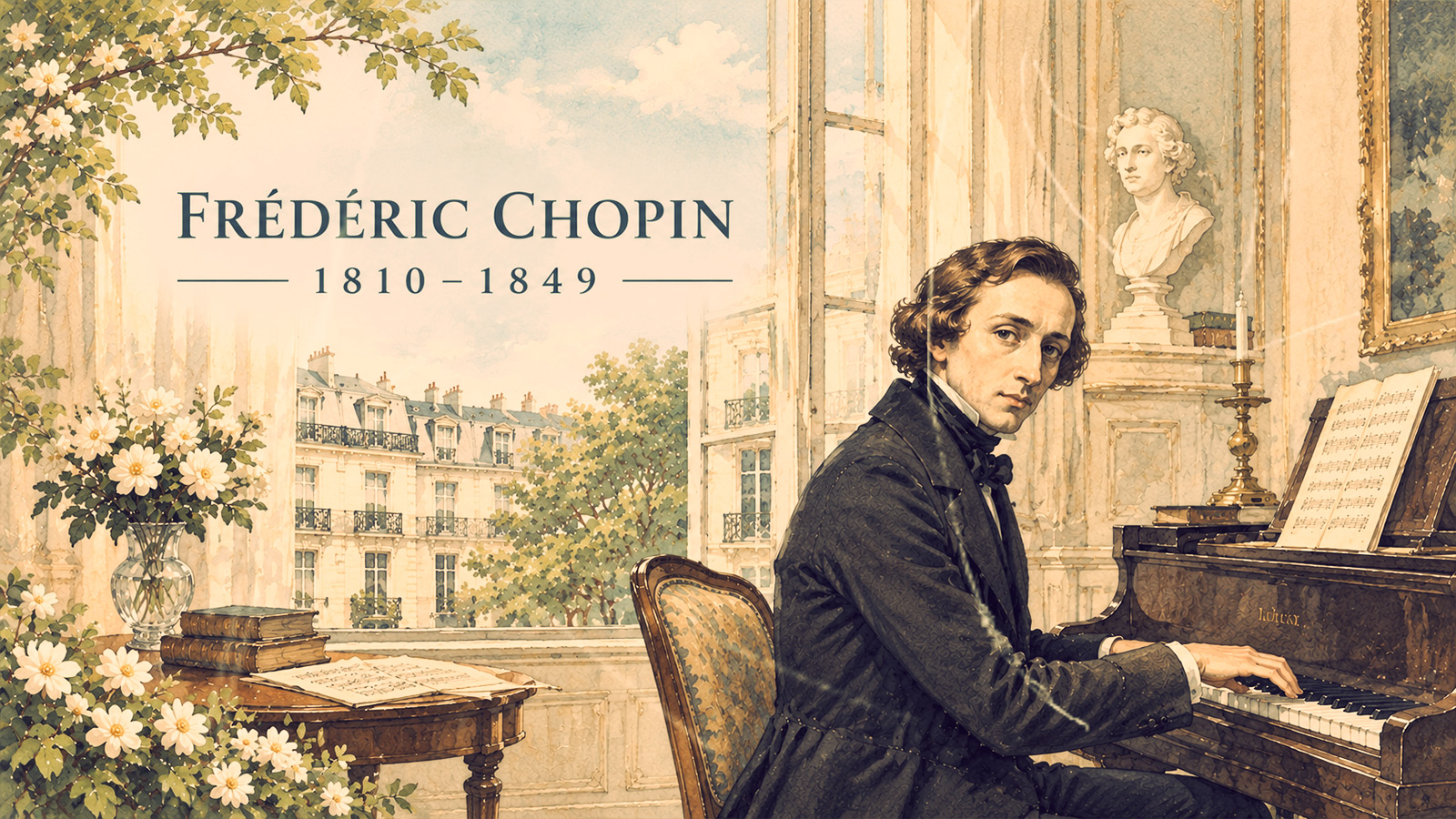
1823-1826: The high school years
Studies at the Warsaw Lyceum, where his father was one of his teachers.
There, he learned German and French.
He stood out for his academic achievements and his passion for music.
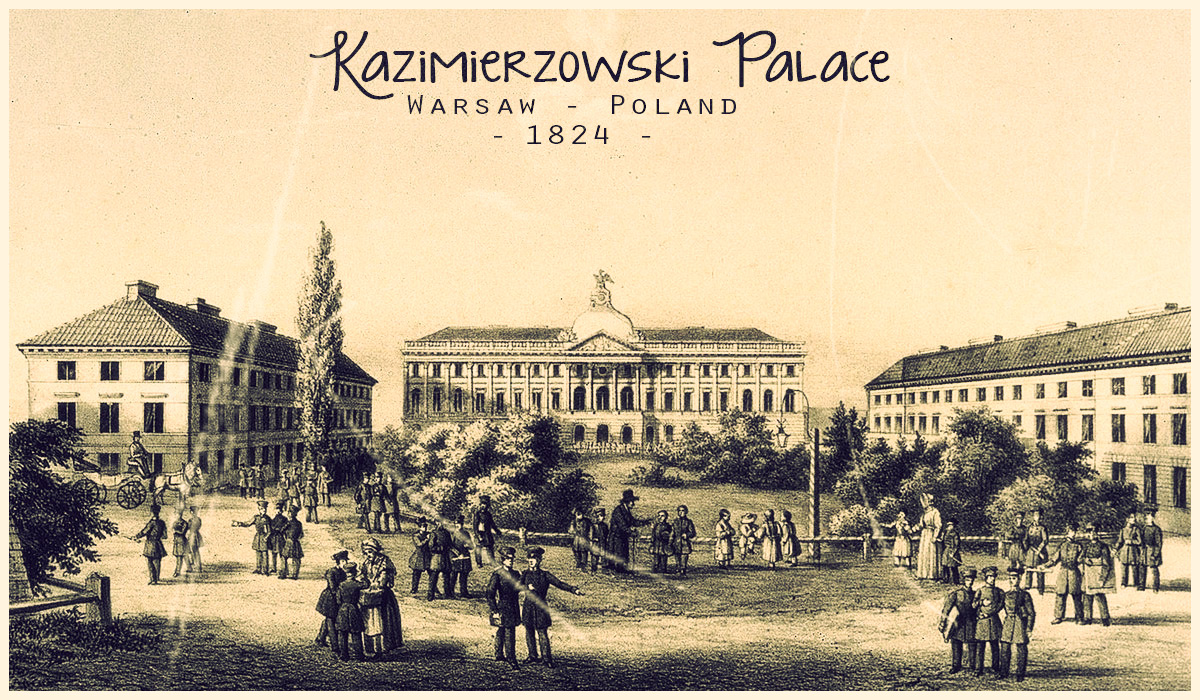
1824
July
At 14 years old, he spent his summer holidays in estates owned by relatives of friends from the school in
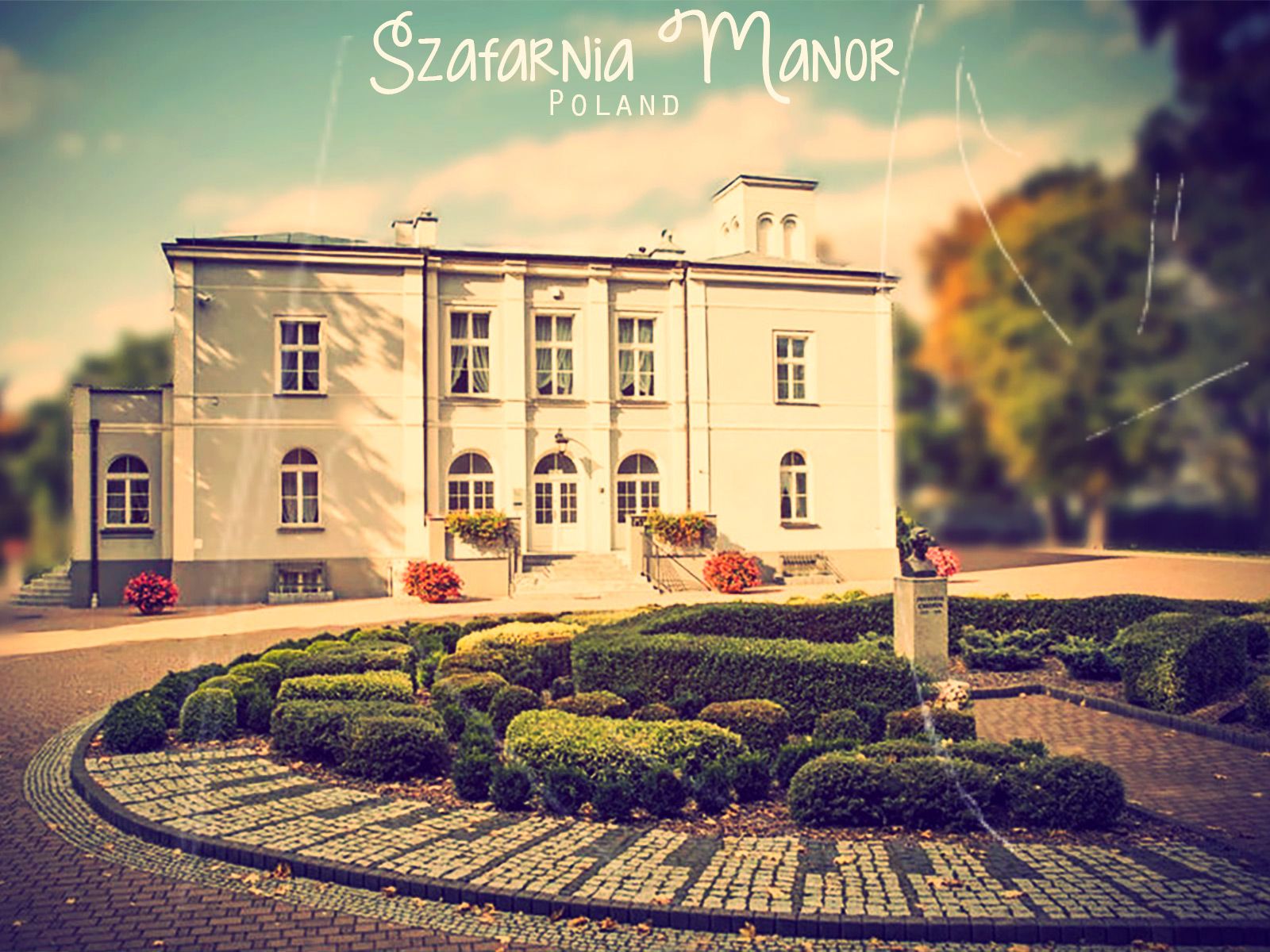
different regions of the country, including the Szafarnia manor (Kujawsko-Pomorskie, Poland), where he was
invited by Juliusz Dziewanowski (1780-1854), father of classmate Dominik Dziewanowski (1811-81).
This family estate is located about 200 km north of Warsaw, in the Masovia region, near the Drwęca River,
which marks the border between the provinces of Masovia and West Prussia.
The Szafarnia manor is a picturesque and peaceful place, surrounded by forests and fields, offering a setting
Ideal for summer activities and outdoor leisure.
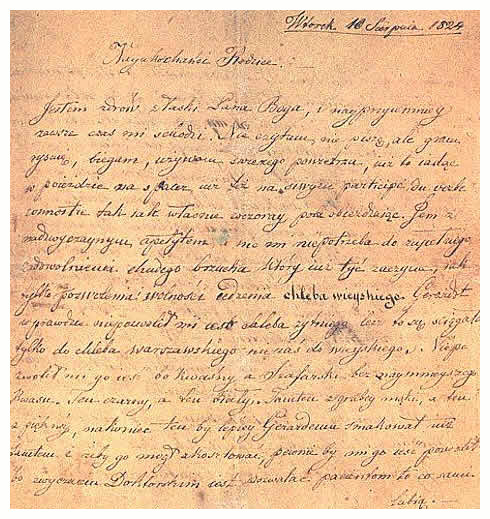
10 August
He writes to his parents:
I am well, by the grace of God, and I am having wonderful moments.
I don't like reading or writing but I play, I draw, I run, I breathe fresh air [...].
I have a good appetite and everything I eat tastes extraordinary like good country bread.
It is during these summer meetings that he discovers a particular interest in folk music and rural traditions,
listening to and noting the lyrics of songs while participating in peasant weddings and harvest festivals.
He thus becomes familiar with the traditional music of Poland in its authentic forms, its distinct tonality, the
richness of its rhythms, and the vigor of its dances.
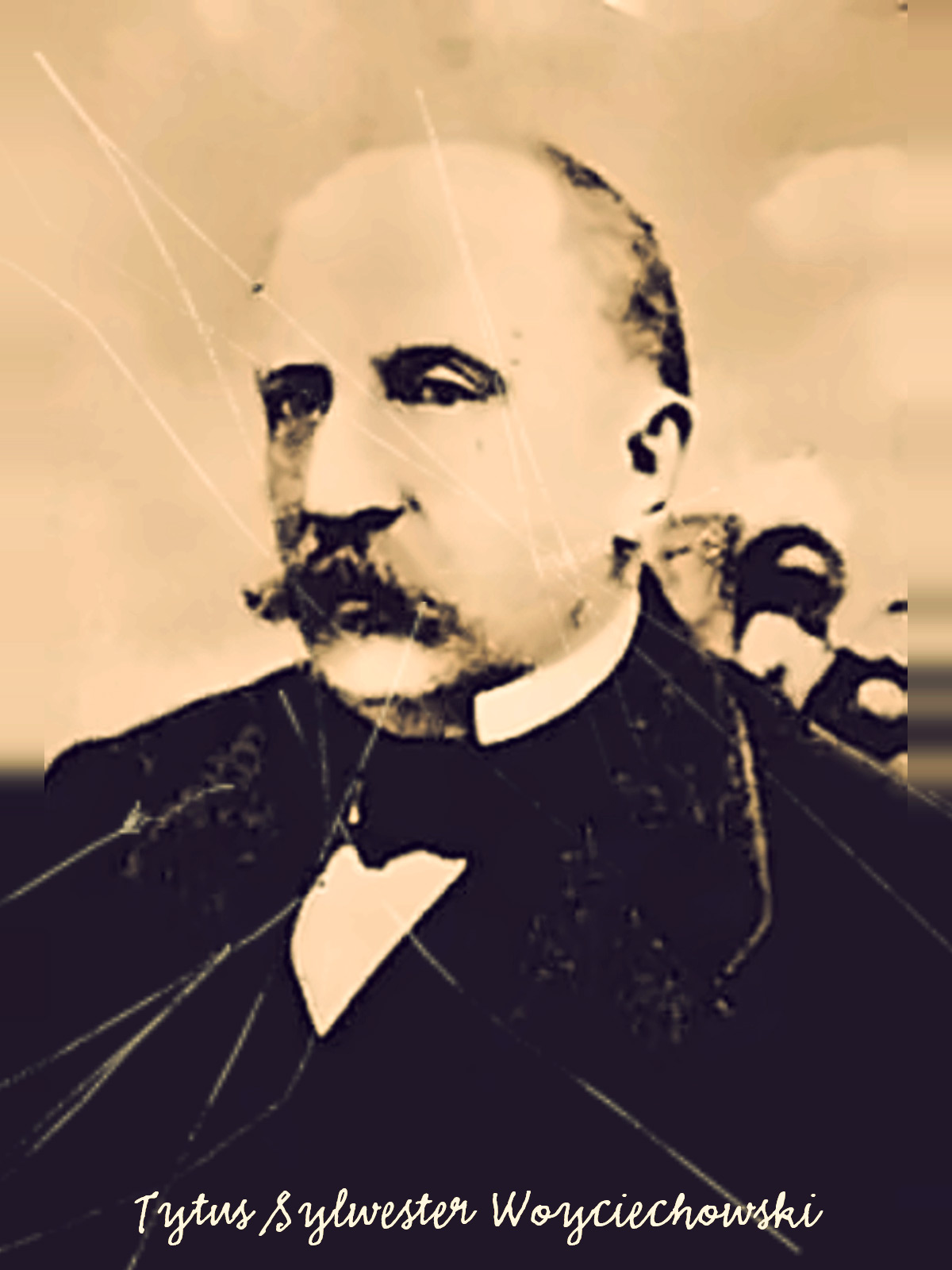
It was also there that he met his friend Tytus Sylwester Woyciechowski (1808-79), with whom he had a regular
correspondence and which would later become an important support in his musical career, his confident.
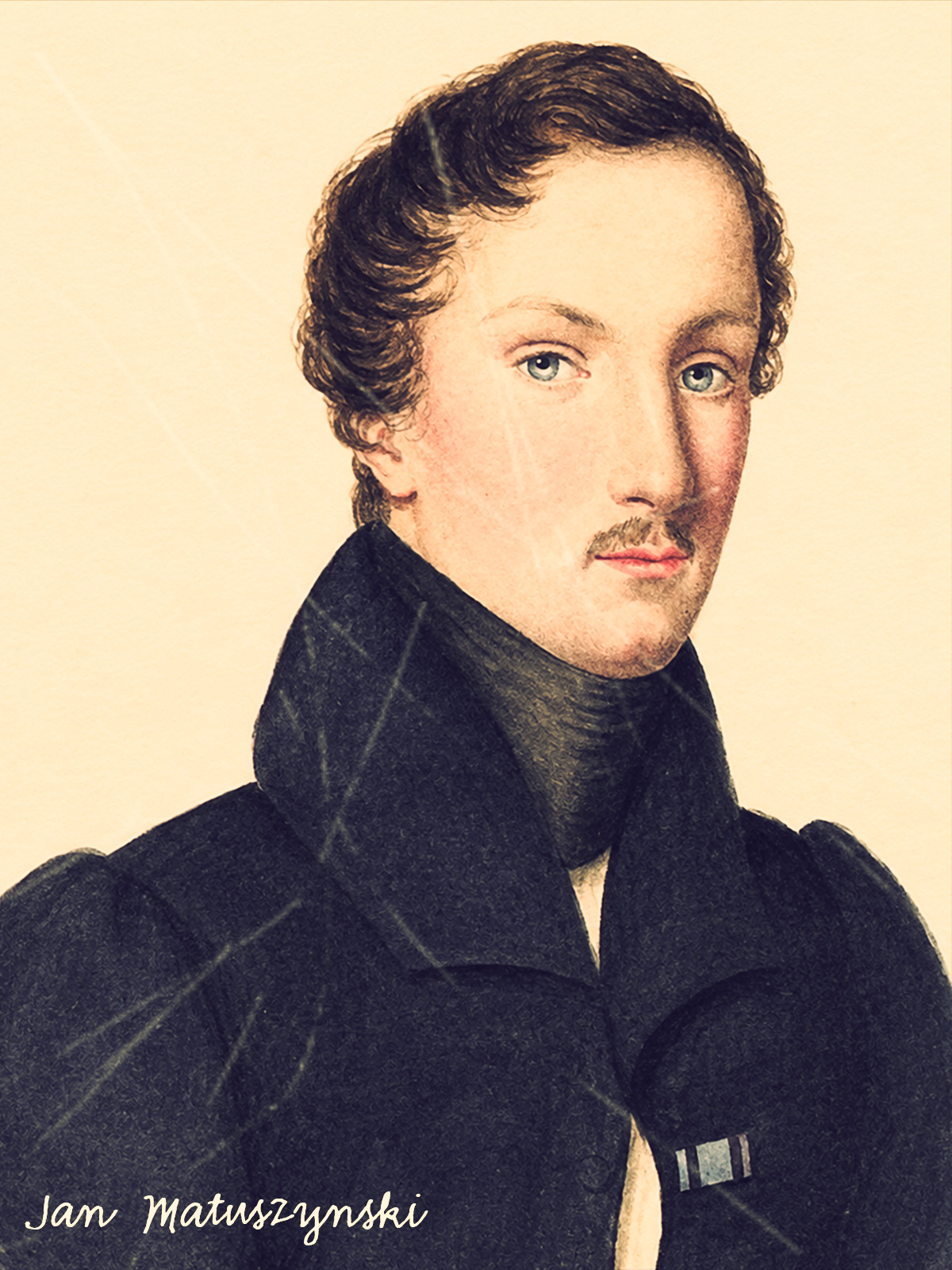
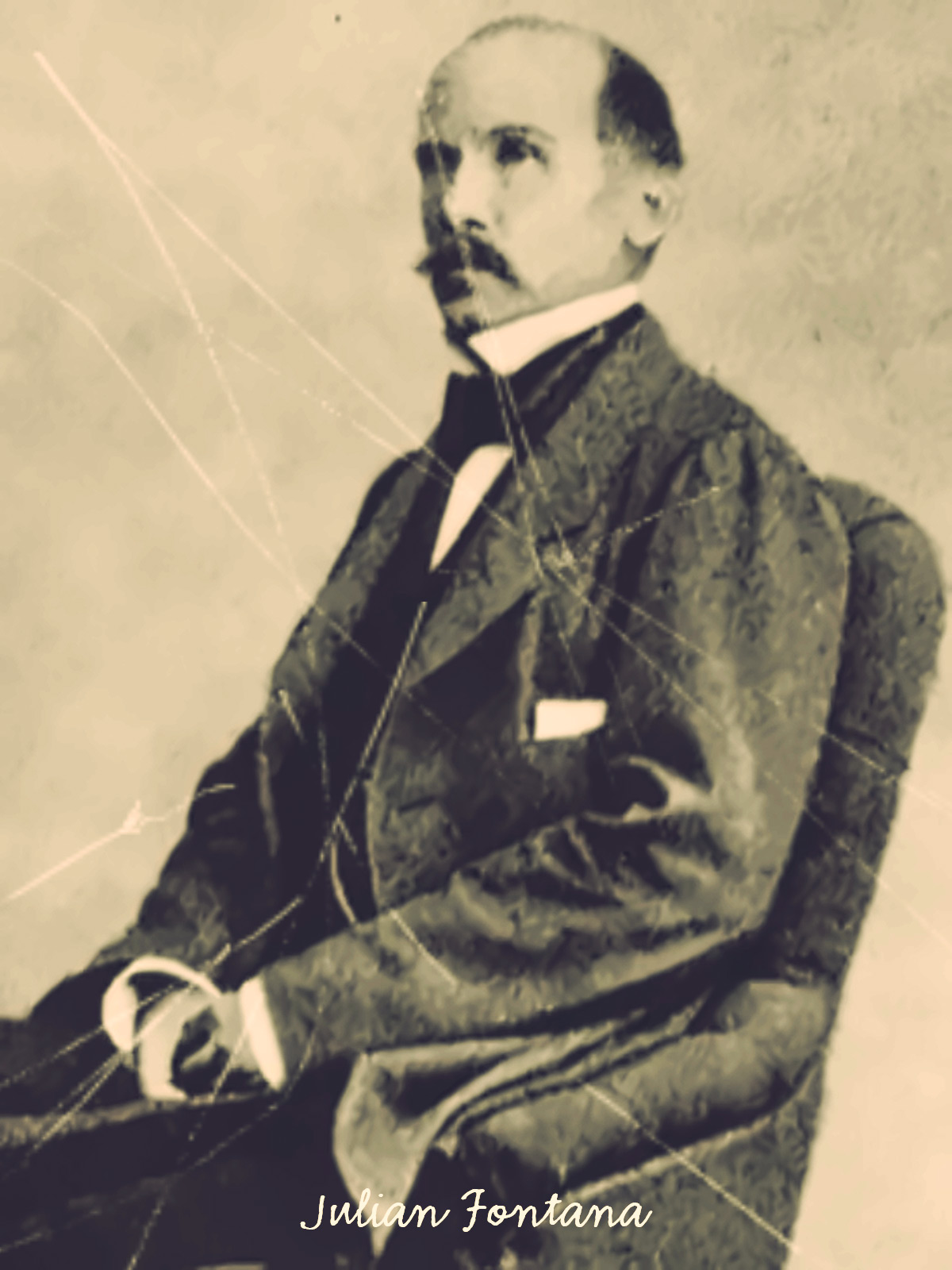
At that time as well, he became friends with the pianist and composer Julian Fontana (1810-69) and the doctor Jan
Matuszynski (1808-42), bonds of friendship that would be beneficial to him throughout his life.
He was drawn to literature, history, and theater.
1825
May 1st
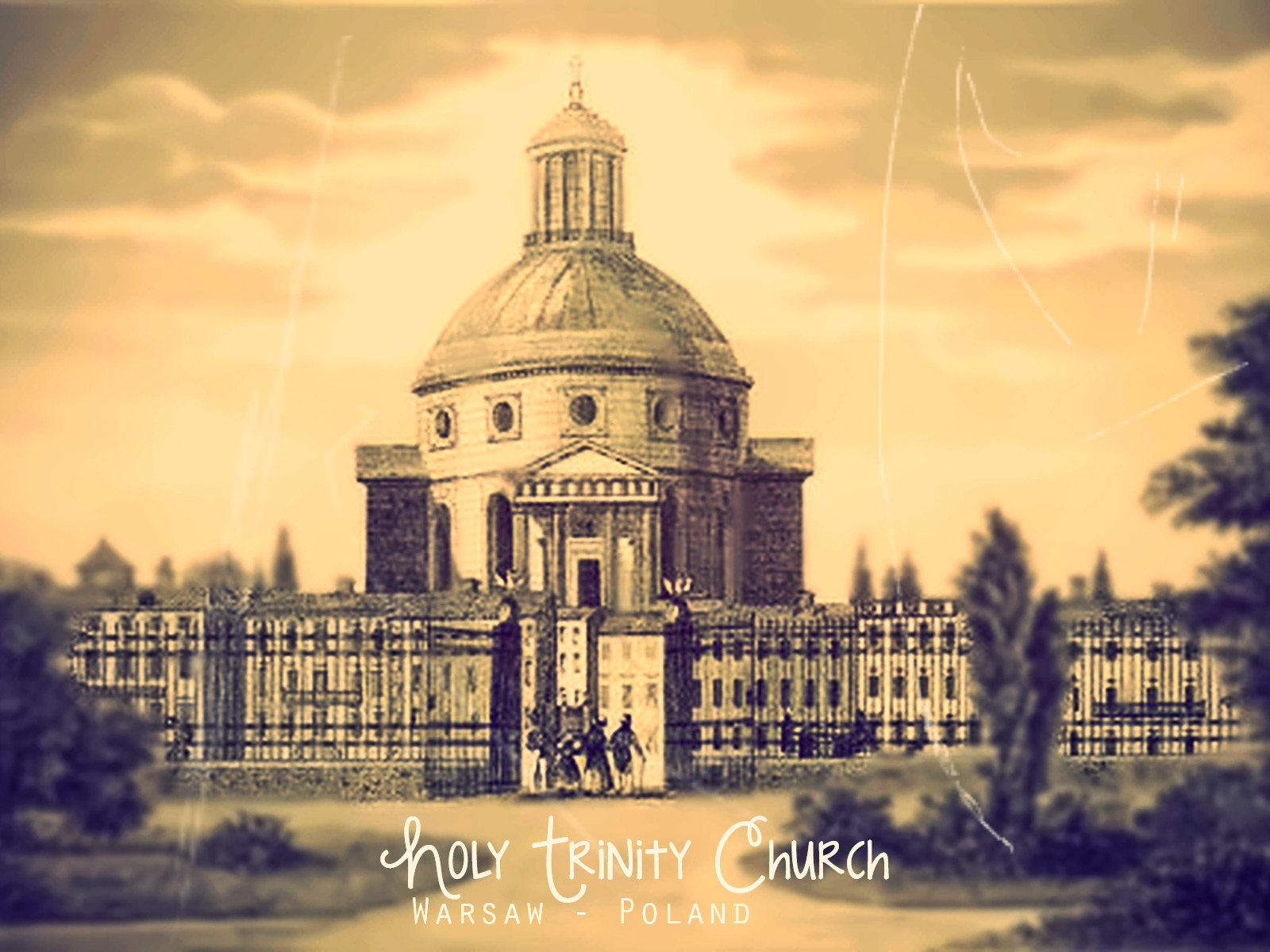
Chopin performed before the Russians and especially Tsar Alexander I of Russia in the evangelical church-
Lutheran Church of the Holy Trinity, located on what is now Malachowskiego Square (Warsaw, Poland).
He plays on a new keyboard instrument, the aelomelodicon (or choraleon), an "invention" of the musician and
instrumentalist Karol Fidelis Brunner.
The tsar was so captivated by her music that he expressed his satisfaction by giving her a ring set with a diamond.
August
During the holidays, he visited Toruń (Poland), the birthplace of the astronomer Nicolaus Copernicus (1473-1543), his house and historic town hall, but in a letter to Jan Matuszynski, he specifies that:
None of this is worth the gingerbread (traditional Polish cake and famous regional product of Toruń today).
Oh! Delicious honey cake, of which I sent one to Warsaw.
He was described as the best pianist in the city.
Publication of his first opus number, the "Rondo in C minor," a work published by A. Brzezina and devoted to Mrs.
de Linde, wife of the director of the lycée where Chopin studied.
He composed his first mazurkas.
October 11
Chopin gives a grand farewell concert to his city.
At the time, it was said:
Mr. Chopin is a true phenomenon.
Everyone enthusiastically admires the exceptional talent of this young man a virtuoso, some even see him as a new Mozart.
But for Chopin, the essential thing no longer takes place in "the narrow framework of Warsaw".
December
At that time, the kingdom experienced a certain autonomy until the accession of Tsar Nicholas I, who held absolutism and succeeded his elder brother Alexander I of Russia.
Home · The whole History section · Lire en français
Back to top